代谢性疾病防治

Search documents
进一步推动上合卫健领域交流合作 中国—上合组织代谢性疾病合作中心在瑞金医院成立
Jie Fang Ri Bao· 2026-02-28 01:39
Core Insights - The establishment of the China-Shanghai Cooperation Organization Metabolic Disease Cooperation Center is a significant step in addressing metabolic diseases among member countries, reflecting the implementation of directives from Chinese leadership [1][2] - The center aims to enhance collaboration among SCO member states in tackling metabolic diseases, which are a leading cause of death in the region, accounting for over 70% of all deaths [2] Group 1: Center Establishment and Objectives - The center is the first national-level SCO specialized cooperation platform established in Shanghai, focusing on the systematic governance of metabolic diseases [1] - It will undertake tasks such as medical assistance, training, technology sharing, and industrial technology exchange, with a goal to train 2,000 experts in metabolic disease prevention and control within three years [1] - The center plans to share 500 medical technologies across the region and propose the establishment of the SCO Metabolic Forum to further promote health cooperation [1] Group 2: Context and Importance - Approximately 50% of metabolic disease patients globally are from SCO-related countries, highlighting the urgent need for targeted health initiatives in this region [2] - Shanghai, as the birthplace of the SCO, is a hub for medical resources and activities, with a distinctive health management system for metabolic diseases that has been established [2] - The city aims to integrate the center into key support projects, enhancing policy support, resource coordination, and service provision to become a central hub for medical technology exchange and talent development [2]
中国—上海合作组织代谢性疾病合作中心在沪揭牌
Xin Lang Cai Jing· 2026-02-28 01:38
Core Insights - The establishment of the China-Shanghai Cooperation Organization (SCO) Metabolic Disease Cooperation Center at Ruijin Hospital represents a forward-looking initiative aimed at enhancing healthcare accessibility and efficiency among SCO member states [2][3] - Metabolic diseases, such as diabetes and obesity, pose significant public health challenges, affecting quality of life and placing immense pressure on healthcare systems in the region [2][3] Group 1: Establishment and Purpose - The SCO Metabolic Disease Cooperation Center was inaugurated on February 27, with representatives from over 20 countries in attendance, highlighting the collaborative effort to address health challenges [2] - The center aims to create a specialized platform for the prevention and treatment of metabolic diseases, fostering cooperation and resource sharing among member countries [3][4] Group 2: Health Challenges and Responses - Metabolic diseases are a major health threat in the SCO region, with over 70% of deaths related to non-communicable diseases attributed to these conditions [2] - The center's establishment aligns with China's commitment to connect its development with the aspirations of SCO member states for better living standards [3] Group 3: Collaborative Efforts and Innovations - The center plans to train 2,000 experts in metabolic disease prevention and share 500 medical technologies within three years, promoting regional health cooperation [7] - Successful strategies from various countries, such as India's integration of yoga into health management and Kazakhstan's mobile health initiatives, demonstrate the potential for a coordinated and inclusive approach to disease prevention [5][6] Group 4: Impact and Future Plans - Ruijin Hospital has developed a comprehensive health management system for metabolic diseases, significantly improving patient outcomes and reducing healthcare costs [7] - The center will also facilitate medical assistance, training, and technology transfer, serving as a vital engine for health empowerment within the SCO [7]

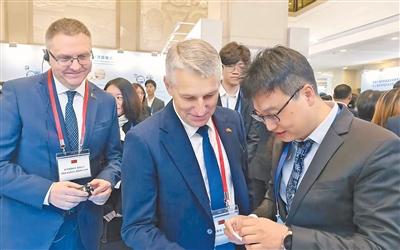
中国—上海合作组织代谢性疾病合作中心在沪揭牌—— 打造服务上合组织各国人民健康的民生工程
Ren Min Ri Bao· 2026-02-27 23:15
Core Viewpoint - The establishment of the China-SCO Metabolic Disease Cooperation Center in Shanghai represents a forward-looking initiative aimed at enhancing healthcare accessibility and treatment efficiency among SCO member states, leveraging advancements in digital and telemedicine technologies [1][2]. Group 1: Establishment and Significance - The China-SCO Metabolic Disease Cooperation Center was inaugurated on February 27, with representatives from over 20 countries in attendance, highlighting the collaborative effort to address metabolic diseases [1]. - The center's establishment aligns with the aspirations of member countries for improved healthcare and reflects China's commitment to building a community of shared health and well-being within the SCO framework [2][7]. Group 2: Health Challenges and Regional Impact - Metabolic diseases such as diabetes and obesity pose significant public health threats, affecting quality of life and placing immense pressure on healthcare systems across SCO member states, which collectively cover approximately 34 billion people [1]. - Data indicates that one in two metabolic disease patients globally comes from SCO-related countries, with over 70% of deaths linked to these diseases, marking them as the leading cause of non-communicable diseases in the region [1]. Group 3: Collaborative Efforts and Knowledge Sharing - The center aims to create a specialized platform for the prevention and treatment of metabolic diseases, fostering cooperation and resource sharing among member countries to address regional health needs [2][3]. - Various countries within the SCO have developed unique strategies for managing metabolic diseases, showcasing a wealth of local experience that can be shared to create an inclusive and effective governance system [3][4]. Group 4: China's Health Management Model - The China-SCO Metabolic Disease Cooperation Center will undertake tasks such as medical assistance, training, and technology transfer, with plans to train 2,000 experts and share 500 medical technologies within three years [7]. - The successful implementation of China's "prevention, screening, diagnosis, treatment, and management" health management system has led to significant improvements in patient outcomes, with a notable increase in the comprehensive compliance rate of metabolic indicators from 7% to 21% over the past decade [6][7].
打造服务上合组织各国人民健康的民生工程
Ren Min Ri Bao· 2026-02-27 23:07
Core Viewpoint - The establishment of the China-Shanghai Cooperation Organization (SCO) Metabolic Disease Cooperation Center at Ruijin Hospital represents a significant step towards enhancing healthcare accessibility and efficiency in the region, addressing the rising public health challenges posed by metabolic diseases such as diabetes and obesity [4][5]. Group 1: Establishment and Purpose - The SCO Metabolic Disease Cooperation Center was inaugurated on February 27, with representatives from over 20 countries in attendance, highlighting the collaborative effort to tackle metabolic diseases [4]. - The center aims to create a specialized platform for the prevention and treatment of metabolic diseases, pooling resources and expertise from member countries to address regional health needs [7][8]. Group 2: Health Challenges and Statistics - Metabolic diseases are a major public health threat, with over 70% of deaths in the region attributed to non-communicable diseases related to conditions like diabetes and obesity [4]. - The SCO encompasses 27 countries with a population of approximately 3.4 billion, where one in two metabolic disease patients globally resides [4]. Group 3: Collaborative Efforts and Innovations - The center will facilitate medical assistance, training, and technology sharing, with plans to train 2,000 experts in metabolic disease prevention and share 500 medical technologies within three years [9]. - The center's initiatives are expected to enhance the existing healthcare framework in the region, leveraging China's successful "prevention, screening, diagnosis, treatment, and management" model, which has already shown significant improvements in patient outcomes [9]. Group 4: International Engagement and Experience Sharing - Representatives from various countries expressed strong support for collaboration, indicating a shared commitment to addressing health challenges [7]. - The center will also promote the sharing of successful practices from different countries, such as India's integration of yoga into health management and Kazakhstan's mobile healthcare solutions [7].
上海交大最新Science论文:揭示新型巨噬细胞调控脂肪干细胞命运新机制,带来肥胖干预新策略
生物世界· 2025-08-29 08:10
Core Viewpoint - The research identifies a specific macrophage subset, septal macrophages (sATM), that plays a crucial role in regulating adipocyte stem cell (ASC) fate and contributes to obesity susceptibility, providing potential new strategies for the prevention and treatment of metabolic diseases [3][5]. Group 1: Research Findings - The study reveals that the microenvironment of sub-tissue macrophages in adipose tissue serves as a guiding center for ASC fate determination [5]. - Three distinct adipose tissue macrophage (ATM) types are defined in white adipose tissue (WAT): pATM, cATM, and sATM, with sATM characterized by CD209b+ LYVE1+ and specifically located in the lobular septa of WAT [5]. - sATM, which originates from embryonic development and has a long lifespan, is closely associated with CD26+ ASC and guides their differentiation into white adipocytes through TGFβ1 [5][7]. Group 2: Implications for Treatment - The findings highlight the role of a specific anatomical macrophage subset in regulating ASC fate and coordinating adipose tissue expansion, suggesting that targeting the sATM-TGFβ1-ASC signaling axis may help promote beige fat formation and combat obesity and insulin resistance without triggering inflammation [7].