医学教育

Search documents
Afya(AFYA) - 2025 Q4 - Earnings Call Transcript
2026-03-12 22:02
Financial Data and Key Metrics Changes - Revenue for the 12-month period grew 12% year-over-year, reaching BRL 3,697 million, with adjusted EBITDA growth of over 50% year-over-year, reaching BRL 1,680 million [4][5] - Adjusted EBITDA margin for the same period reached 45.4%, an increase of 130 basis points over last year [4][25] - Net income reached BRL 768.4 million, an 18% growth year-over-year, with basic EPS reaching BRL 8.32, a 19% increase compared to last year [5][26] - Cash flow from operating activities ended the 12-month period at BRL 1,548 million, over 6% higher than last year, with a cash conversion of 93.7% [4][25] Business Line Data and Key Metrics Changes - The number of undergraduate medical students grew by 5% year-over-year, reaching over 25,000 students, with approved medical seats increasing by 5% [19] - Continuing education segment revenue grew by 11% year-over-year, reaching BRL 284 million, with B2B revenue growth at 48% [7][20] - Medical practice solutions revenue increased by 6% year-over-year, reaching BRL 171 million [7][23] Market Data and Key Metrics Changes - The ecosystem reached 301,000 active users, reflecting strong engagement among physicians and medical students across Brazil [7][9] - The number of active payers in medical practice solutions reached 196,000, with physicians making over 16.9 million prescriptions using the solutions [9][23] Company Strategy and Development Direction - The company aims to strengthen its position across the entire physician lifecycle, expanding its audience and deepening engagement [11][12] - Investments will focus on integrating products and services for physicians, enhancing the user experience, and creating a unified platform [36][37] - The company plans to maintain a balanced capital allocation strategy, focusing on sustainable cash generation, growth investments, and shareholder returns [10][32] Management's Comments on Operating Environment and Future Outlook - Management expressed confidence in achieving another strong year in 2026, with revenue guidance between BRL 3.95 billion and BRL 4.1 billion [16][17] - The company does not expect any material impact from ENAMED on its 2026 guidance, with preparations in place for upcoming evaluations [17][46] - Management highlighted the importance of integrating technology and enhancing product offerings to drive future growth [36][37] Other Important Information - A cash dividend of BRL 307.4 million was announced, representing 40% of the 2025 net income, payable in April 2026 [10][11] - The company maintains a conservative leverage profile with a net debt of BRL 1,369 million, a reduction of BRL 445 million from the end of 2024 [29] Q&A Session All Questions and Answers Question: Focus on continuing education and medical practice solutions transformation - Management discussed integrating products and services for physicians under a unified platform, enhancing user experience and audience engagement [36][37] Question: Progress on ENAMED and PROFIMED discussions - Management indicated no expected impact from ENAMED on 2026 guidance and detailed preparations for upcoming evaluations [46][48] Question: Operational expenses and CapEx increase - Management explained that the increase in intangible assets was due to new investment programs initiated in Q4 2025, and operational expenses were managed effectively [55][56] Question: Capital allocation priorities - Management emphasized the flexibility in capital allocation due to strong free cash flow, focusing on M&A, dividends, and share buybacks [62][63] Question: Revenue growth breakdown by segment - Management provided insights that undergraduate growth would be in single digits, while continuing education and SPM segments would see double-digit growth [75]

Afya(AFYA) - 2025 Q4 - Earnings Call Transcript
2026-03-12 22:00
Financial Data and Key Metrics Changes - Revenue for the 12-month period grew 12% year-over-year, reaching BRL 3,697 million, with adjusted EBITDA growth of over 50% year-over-year, reaching BRL 1,680 million [4][5] - Adjusted EBITDA margin for the same period reached 45.4%, an increase of 130 basis points over last year [4][5] - Net income reached BRL 768.4 million, an 18% growth year-over-year, with basic EPS reaching BRL 8.32, a 19% increase compared to last year [5][27] - Cash flow from operating activities ended the 12-month period at BRL 1,548 million, over 6% higher than last year, with a cash conversion of 93.7% [4][26] Business Line Data and Key Metrics Changes - The undergraduate segment reported revenue of BRL 2,789 million, up 13% year-over-year, driven by higher ticket prices and the maturation of medical school seats [19][20] - Continuing education revenue reached BRL 284 million, reflecting an 11% growth year-over-year, with B2B revenue growing by 48% [6][22] - Medical practice solutions revenue increased by 6% year-over-year, reaching BRL 171 million [6][24] Market Data and Key Metrics Changes - The ecosystem reached 301,000 active users, indicating strong engagement among physicians and medical students across Brazil [6][9] - The number of medical students grew by 5% year-over-year, exceeding 25,000 students [5][19] Company Strategy and Development Direction - The company aims to strengthen its position across the entire physician lifecycle, expanding its audience and deepening engagement [11][12] - Investments will focus on integrating products and services for physicians, enhancing the user experience, and improving technology and data capabilities [12][37] - The strategy includes scaling B2P healthcare offerings and maintaining a low customer acquisition cost for undergraduate students [13][15] Management's Comments on Operating Environment and Future Outlook - Management expressed confidence in the company's ability to deliver solid results with high predictability, expecting revenue for 2026 to range between BRL 3.95 billion and BRL 4.1 billion [16][17] - The company does not anticipate any material impact from Enamed on its 2026 guidance, with preparations in place for upcoming evaluations [17][46] Other Important Information - A cash dividend of BRL 307.4 million was announced, equivalent to BRL 3.45 per share, representing 40% of the 2025 net income [10][11] - The company maintains a conservative leverage profile with a net debt of BRL 1,369 million, a reduction of BRL 445 million from the end of 2024 [29][30] Q&A Session Summary Question: Transformation in Continuing Education and Medical Practice Solutions - Management discussed integrating products and services for physicians under a unified platform to enhance user experience and audience engagement [36][37] Question: Progress on Enamed and M&A Strategy - Management indicated no expected impact from Enamed on 2026 guidance and outlined plans for M&A to add 200 seats capacity per year targeting educational institutions with significant revenue from medicine programs [46][50] Question: Operational Expenses and CapEx - Management explained that the increase in intangible assets in CapEx was due to new investment programs initiated in Q4 2025, and operational expenses were managed effectively [55][56] Question: Capital Allocation Priorities - Management emphasized the flexibility in capital allocation due to strong free cash flow, balancing investments in M&A, dividends, and share buybacks [61][64] Question: Revenue Growth Breakdown - Management provided insights that undergraduate growth would be in single digits, while medical practice solutions and continuing education would see double-digit growth [71][72]
海南医科大学以“自我革命”书写高质量发展新篇章
Hai Nan Ri Bao· 2026-02-05 06:42
Core Viewpoint - Hainan Medical University (海医) is undergoing a significant transformation, driven by reforms and the development of the Hainan Free Trade Port, enhancing its educational and research capabilities while aiming for high-quality development [2][3][5]. Group 1: Institutional Changes - The university has restructured 110 regulations and implemented a systematic "self-revolution" in teaching, research, management, and services [3][4]. - The institution's name was officially changed to Hainan Medical University in June 2024, marking a leap in its educational level [9]. - The number of doctoral degree programs increased from 1 to 5, and master's degree programs expanded to 15, with the first recommendation for graduate students without examination [9]. Group 2: Educational Reforms - Over the past two years, 50 professional training programs and 798 course outlines have been revised, significantly reducing "water courses" and enhancing the quality of professional courses [7]. - A special fund of 10 million yuan is allocated annually to support undergraduate scientific innovation, promoting early involvement in projects and clinical research [7]. - Graduate student stipends have been raised to between 2,000 and 2,500 yuan per month, providing financial security for research focus [7]. Group 3: Research and Innovation - The university has attracted 25 national-level high-level talents and nearly 100 outstanding young talents in the past two years, with significant achievements in research funding and project approvals [12]. - A notable research achievement includes the development of a heart organoid model that simulates myocardial infarction, aiding in clinical research [10]. - The university's research funding from the National Natural Science Foundation has increased by over 50% in both the number of projects and total funding [12]. Group 4: Healthcare Services - The International Medical Center, opened in 2024, offers a high-standard healthcare experience, integrating hotel-like services with advanced medical care [13][14]. - The center operates under the "4H" concept, providing comprehensive services and seamless integration with international health insurance [13]. - The university aims to enhance local healthcare capabilities, focusing on specialized research centers and public service platforms to support health research and innovation [14].
“大思政课”视域下农村订单定向医学生医德教育实践路径
Xin Lang Cai Jing· 2026-02-03 19:46
Core Viewpoint - The article emphasizes the importance of cultivating medical ethics among rural-oriented medical students through a comprehensive educational approach that integrates professional skills with moral education [1][2][3][4] Group 1: Educational Strategies - The cultivation of rural-oriented medical students requires not only the enhancement of professional skills but also a strong emphasis on medical ethics education [1] - Schools should integrate moral education into medical courses, helping students understand the ethical responsibilities and social missions behind their profession [1][2] - Experts should be organized to explore the ideological elements within medical courses, linking them to the spirit of selfless service and respect for life [1][2] Group 2: Practical Training - The combination of situational simulations and clinical practice is crucial for deepening students' sense of responsibility and mission [2] - Schools should create realistic medical scenarios that reflect rural conditions, allowing students to experience the complexities of clinical work [2] - Early internships in rural hospitals should be arranged to help students understand the challenges of rural healthcare and the actual needs of patients [2] Group 3: Humanistic Care - Establishing good relationships with patients and conveying humanistic care are essential for improving medical quality and ethics education [3][4] - Schools should actively cultivate communication skills and empathy among rural-oriented medical students through dedicated courses [3] - Engaging students in understanding the humanistic values of medicine will help them become compassionate healthcare providers [3][4]
中外专家对话医学教育:我们需要怎样的“未来医生”?
Zhong Guo Xin Wen Wang· 2026-01-23 14:04
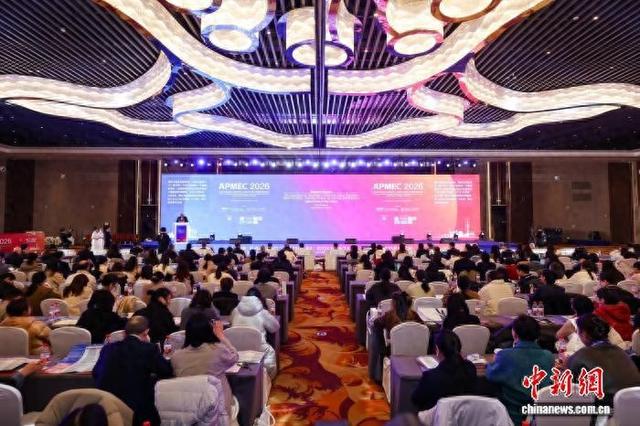
Core Viewpoint - The Asia-Pacific Medical Education Conference 2026 (APMEC2026) highlights the transformative role of artificial intelligence in medical education, emphasizing the need for future doctors to adapt to technological advancements while maintaining humanistic values [1][3]. Group 1: AI in Medical Education - The conference focuses on "AI + Medical Education," showcasing how technologies like virtual reality and big data are enhancing teaching efficiency and boundaries [3]. - Experts stress the importance of understanding new technologies to responsibly teach students how to use AI tools, balancing efficiency with creativity and initiative [3]. - Key qualities for future doctors include innovation, empathy, communication skills, ethical decision-making, and collaboration, which cannot be encoded by technology [3]. Group 2: Global Health Challenges and Cultural Integration - The need to break down cultural and disciplinary barriers in medical education is emphasized to address global health threats like chronic diseases [5]. - The integration of Eastern and Western medical philosophies is seen as crucial for tackling chronic diseases, with a focus on holistic and preventive approaches [5]. - An innovative educational model combining cooking, science, and behavior change is proposed to fill gaps in nutrition and lifestyle intervention within current medical education systems [5]. Group 3: Collaborative Efforts in Medical Education - The establishment of a regional collaboration network covering key areas such as faculty development, curriculum design, and simulation teaching is advocated to share resources and unify standards [6]. - The conference aims to promote practical cooperation among countries and institutions in the Asia-Pacific region, fostering resource sharing and mutual learning [6]. - APMEC, founded in 2004, is recognized as one of the largest and most influential annual events in the international medical education community, with this year's conference being the first held in China [6].

多维育人推动医教发展
Xin Lang Cai Jing· 2026-01-21 22:36
Core Viewpoint - Harbin Medical University (HMU) is enhancing its medical education by aligning with the "Health China" strategy and local revitalization needs, implementing a four-dimensional education model that integrates curriculum, competitions, pilot programs, and community service [1] Group 1: Ideological Education - HMU prioritizes ideological and political education, creating a comprehensive value guidance system and embedding it into nearly 1,000 courses, with 1 national and 17 provincial-level projects approved [1] - The university has established brands such as "Medical Path and Great Ideological Course" and "Red Medical Youth," forming a closed-loop system from enrollment to graduation [1] Group 2: Competitions and Innovation - HMU has developed a "competition-driven, multi-dimensional empowerment" education system, investing 4 million yuan annually to support various competitions, resulting in significant achievements including 12 national first prizes in the "Challenge Cup" [2] - The university has transformed 46 competition projects into medical-engineering crossover products, leading to the establishment of 3 national high-tech enterprises and the application of 148 patents [2] Group 3: Comprehensive Reform and Integration - As a pilot for comprehensive reform in education, HMU focuses on a "five-in-one" educational approach, collaborating with institutions like Shenzhen University and Hong Kong Chinese University to enhance student learning experiences [3] - The university has created a mental health education center and integrated professional practice with volunteer services, promoting moral and intellectual development through labor [3] Group 4: Community Service - HMU emphasizes practical experience by encouraging students to engage in community service, with 212 volunteers participating in the Winter Asian Games and providing medical support [4] - The university has conducted 983 volunteer services, reaching over 35,295 individuals, and organized free medical consultations for more than 2,000 community residents [4]
沈阳医学院附属口腔医院正式揭牌
Xin Lang Cai Jing· 2026-01-08 22:05
Core Viewpoint - The establishment of the Shenyang Medical College Affiliated Dental Hospital marks a significant step in enhancing the quality of healthcare services and education in Shenyang, with a focus on dental medicine [1] Group 1: Hospital Development - The Shenyang Dental Hospital was officially designated as an affiliated hospital of Shenyang Medical College in March 2024, reflecting the government's commitment to advancing healthcare [1] - The hospital's establishment is part of a broader initiative to integrate high-quality resources and create a new high ground for specialized medical services in Shenyang [1] Group 2: Educational Advancements - The establishment of the dental hospital has facilitated the approval of a master's program in dental medicine at Shenyang Medical College, which is crucial for the institution's goal of becoming a medical university [1] - The college has successfully passed the Ministry of Education's evaluation for undergraduate education, laying a solid foundation for future accreditation in dental medicine [1] Group 3: Future Plans - The college plans to leverage its technological innovation and clinical resources to enhance the integration of dental education and clinical practice, aiming to elevate the development of specialized disciplines and talent cultivation [1]
方益昉|寻找金韵梅:中国第一位医学女博士的西行与归途
Xin Lang Cai Jing· 2026-01-03 05:56
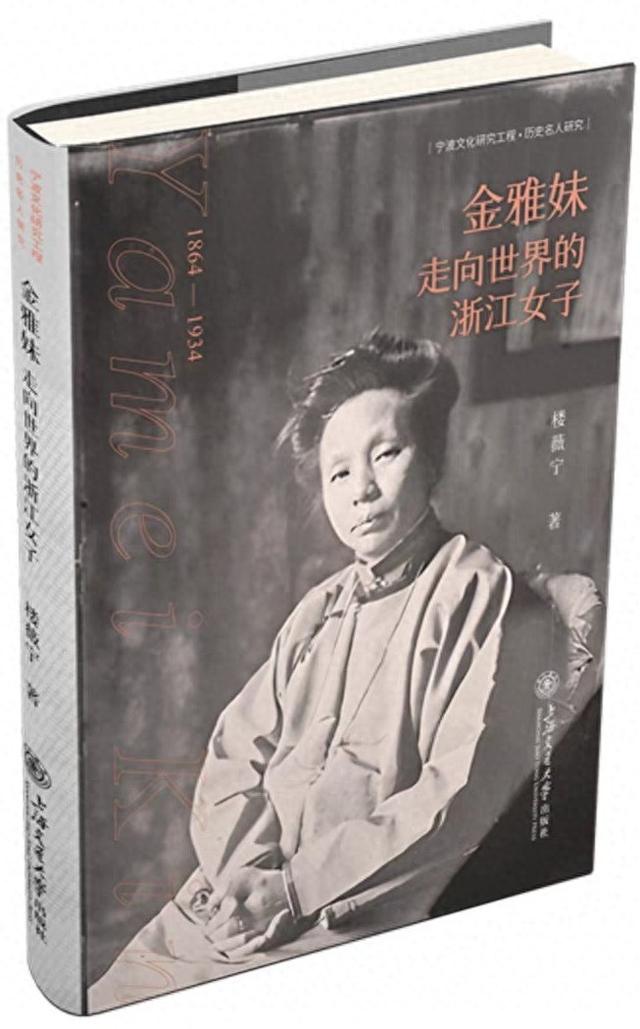
Core Viewpoint - The book "Jin Yamei: A Zhejiang Woman Going Global" by Lou Weining highlights the life and contributions of Jin Yamei (also known as Jin Yunmei), the first female medical doctor in China, emphasizing her role in modernizing and facilitating cultural exchanges between China and the West [2][26]. Group 1: Author and Book Overview - The author, Lou Weining, is an English teacher who has dedicated years to translating and interpreting Jin Yamei's life, incorporating materials from the American Soybean Research Center [2]. - The book features a bilingual format, which may aid Chinese readers in understanding the content better [2]. Group 2: Jin Yamei's Background and Education - Jin Yamei, orphaned at a young age, was adopted by missionaries and had various names in different documents due to the lack of a formal Chinese name [4]. - She graduated first in her class from the Women's Medical College of the New York Infirmary in 1885, becoming the first Chinese woman to earn a medical doctorate [10][12]. Group 3: Professional Journey and Challenges - After her graduation, Jin Yamei faced challenges in obtaining a medical license in the U.S., which was complicated by the administrative disarray in Hawaii at the time [11]. - She worked as a missionary doctor in Xiamen and later established a private practice in Kobe, Japan, where she faced health issues due to the local environment [11][10]. Group 4: Advocacy and Public Speaking - Jin Yamei transitioned from clinical practice to public speaking, addressing cultural differences and the realities faced by Chinese immigrants in America [15][19]. - She conducted a series of lectures across major U.S. cities, discussing various topics including science, history, and Eastern culture, which helped raise awareness of the Chinese community's struggles [16][19]. Group 5: Legacy and Impact - Jin Yamei's life and work symbolize the emergence of modern Chinese women and their contributions to society, particularly in the fields of medicine and cultural exchange [26]. - The book serves as a valuable resource for understanding the development paths of female elites who ventured beyond the Chinese cultural sphere during the late Qing period [26].
找准医学生人文素养培育着力点
Xin Lang Cai Jing· 2025-12-30 11:54
Core Viewpoint - The article emphasizes the importance of medical humanistic care in the education of medical students, highlighting its role in building a strong nation and promoting public health, as outlined in the "Medical Humanistic Care Enhancement Action Plan (2024-2027)" [1] Group 1: Building Medical Humanistic Cognition - Medical students should establish a strong ideological foundation by integrating Marxist beliefs and Xi Jinping's thoughts to enhance their understanding of humanistic values in medicine [2] - Recognizing the significance of socialism with Chinese characteristics is essential for medical students to develop resilience and a sense of identity in their profession [2] - The aspiration for the great rejuvenation of the Chinese nation serves as a motivational source for medical students, encouraging them to contribute to the healthcare sector with dedication and passion [2] Group 2: Enhancing Medical Humanistic Recognition - Cultivating a sense of national pride and responsibility is crucial for medical students to remember their commitment to health and well-being [3] - The rich heritage of Chinese medicine provides valuable cultural resources that can enhance medical students' humanistic qualities [3] - Promoting stories of Chinese medicine and its contributions to global health can help establish a positive image of Chinese medical practices [3][4] Group 3: Strengthening Medical Humanistic Practice - Practical experience is vital for medical students to develop their humanistic qualities, which will invigorate the healthcare sector [5] - Medical schools should create a curriculum that addresses real-world issues in health and ethics, integrating Marxist principles with medical education [6] - Establishing humanistic practice platforms, such as patient service centers and communication labs, can enhance students' skills in real-life scenarios [6][7] - Social practice education bases should be developed to cultivate comprehensive skills in medical students, including clinical skills and ethical decision-making [7]
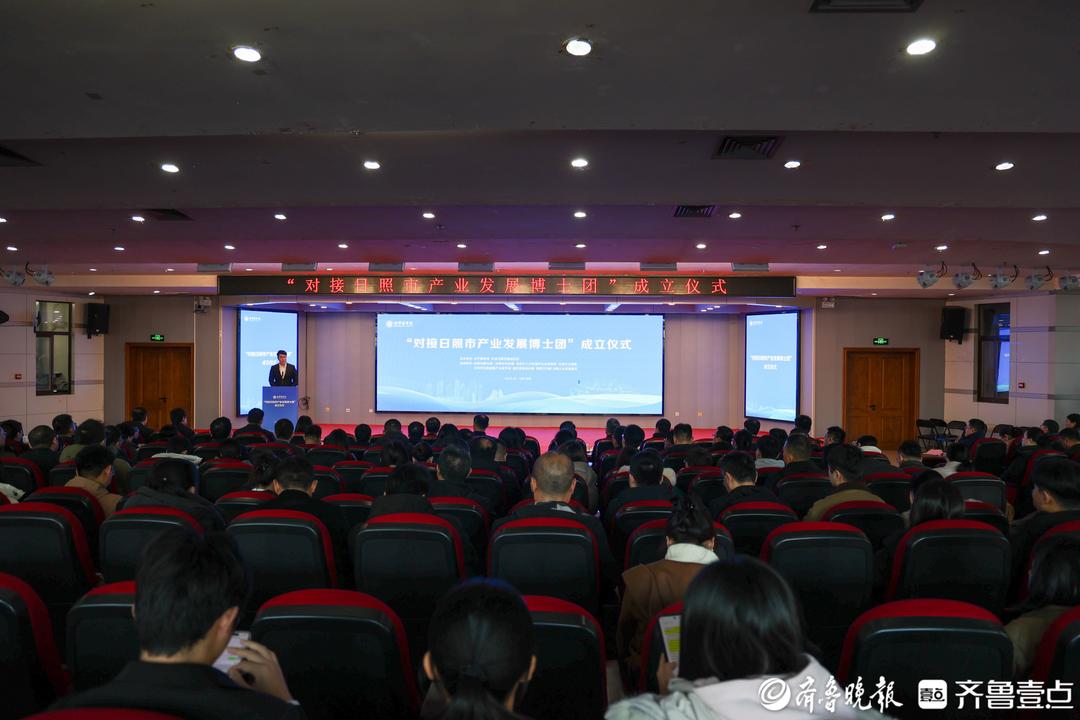
济宁医学院“对接日照市产业发展博士团”成立
Qi Lu Wan Bao· 2025-12-25 03:35
Core Viewpoint - The establishment of the "Doctoral Team for Industrial Development in Rizhao City" at Jining Medical University marks a new phase of collaboration between the university and local enterprises, aimed at enhancing the life and health industry in Rizhao and promoting high-quality economic development [1][3]. Group 1: Collaboration and Development - The Doctoral Team aims to align with industrial needs, focusing on key technological challenges in fields such as biomedicine, health management, and smart healthcare [3][4]. - The initiative is part of a broader strategy to integrate education and industry, fostering innovation and talent development in Rizhao [3][4]. Group 2: Institutional Background - Jining Medical University, established in 1952, has developed a multidisciplinary educational framework, with a strong emphasis on medical education [6]. - The university's clinical medicine discipline ranks in the top 5‰ globally, and its pharmacology and toxicology discipline ranks in the top 1% globally [6]. Group 3: Research and Innovation - The university has established 38 national and provincial research platforms, including a national center for translational medicine in collaboration with Shanghai Jiao Tong University [7]. - Over the past five years, the university has secured multiple research grants and patents, demonstrating its commitment to innovation and technology transfer [7]. Group 4: Future Prospects - The Doctoral Team's establishment is seen as a strategic move to enhance Rizhao's development in key industries such as medical devices and biopharmaceuticals [4]. - The university plans to continue building a collaborative community with Rizhao, contributing to the "Healthy Shandong" and "Strong Education Province" initiatives [3].