
历史文化保护传承

Search documents
嘉兴以活化为笔书写千年古城的文脉新章
Xin Lang Cai Jing· 2026-02-01 00:45
Group 1 - The core viewpoint emphasizes the revitalization and utilization of historical resources in Jiaxing, focusing on the interaction between protection and utilization to enhance the city's cultural heritage [1][2] - Jiaxing has implemented a comprehensive protection strategy, including strict control over new constructions in historical areas and the integration of traditional culture into modern urban settings, creating a vibrant atmosphere of historical presence and cultural richness [1][2] - The city is actively promoting cultural brands such as red culture, canal culture, and ancient city culture, with significant projects like the renovation of key areas and the establishment of cultural parks to enhance its international cultural profile [2][3] Group 2 - Jiaxing is advancing the construction of a national cultural park along the Grand Canal, focusing on the preservation and utilization of cultural heritage, with a major engineering initiative aimed at integrating various cultural and tourism elements [2][3] - The city is enhancing public amenities and cultural recognition through heritage protection, environmental improvement, and functional revitalization, aiming to create a harmonious blend of historical culture and modern urban life [3][4] - Ongoing projects, such as the South Lake Tiandi and the renovation of the Minfeng Metallurgy area, are set to transform these locations into comprehensive cultural parks that combine industry, culture, and tourism [4]
让城市兼具“文艺范”和“烟火气”,山东文化遗产焕发新活力
Feng Huang Wang Cai Jing· 2026-01-21 07:49
Core Viewpoint - The Shandong provincial government is implementing policies to promote high-quality urban development through the protection and revitalization of historical and cultural heritage, emphasizing a systematic approach to heritage conservation and community engagement. Group 1: Policy Framework and Implementation - Shandong has 20 national and provincial historical and cultural cities, 60 historical cultural districts, and 2,236 historical buildings, forming a comprehensive heritage protection system [1] - The provincial housing and urban-rural development department is revising laws and regulations to enhance legal protection for historical sites, with a focus on comprehensive planning and annual evaluations for heritage conservation [1] - Over the past five years, the number of protected sites has significantly increased, with 25 new cultural districts and over 1,200 historical buildings added, supported by an annual investment exceeding 1 billion yuan for restoration projects [1][2] Group 2: Community Engagement and Cultural Promotion - Efforts to promote the stories of Qilu culture include publishing historical literature and producing documentaries, which have received positive public feedback and increased community awareness of heritage protection [2] - The province is revitalizing historical sites like Jinan Mingfu City and Qingdao Dabaodao, blending cultural heritage with modern urban life to enhance the appeal of these areas [2][3] Group 3: Protection Strategies and Development - Shandong is conducting surveys of old urban areas to establish pre-protection systems and prevent destructive construction practices, transitioning from broad protection to precise conservation [3] - The province is adopting a "small-scale, gradual" approach to updating historical sites, focusing on meticulous restoration and infrastructure improvements to balance heritage preservation with community needs [3] - There is an emphasis on integrating historical culture with modern business models, creating diverse consumer experiences that reflect local characteristics while utilizing digital platforms for broader engagement [3]
【好评中国】让人民城市理念融入一砖一瓦
Xin Lang Cai Jing· 2026-01-17 03:18
Core Insights - The article emphasizes the significant achievements in urban development in China under the leadership of Xi Jinping, highlighting the increase in urbanization rates and the establishment of a comprehensive housing security system [1][2]. Group 1: Urbanization Achievements - The urbanization rate of the permanent population increased from 53.1% in 2012 to 67% in 2024, marking a substantial shift in urban development strategy [1]. - Over 68 million units of various types of affordable housing and resettlement housing have been constructed, benefiting more than 170 million people facing housing difficulties [1]. - More than 300,000 old residential communities have been renovated, improving the living conditions for over 130 million urban residents [1]. Group 2: Urban Development Principles - The current phase of urbanization is transitioning from rapid growth to stable development, focusing on quality improvement rather than mere expansion [2]. - The development goals emphasize creating modern, resilient, and civilized cities that prioritize the interests and voices of the people [2]. - There is a strong focus on enhancing the comprehensive carrying capacity of cities to meet diverse housing needs and improve living standards [2]. Group 3: Cultural Preservation - Urban culture is identified as the spiritual foundation of cities, necessitating the protection and development of historical and cultural heritage [3]. - There are currently 767,000 immovable cultural relics, 143 national historical and cultural cities, and nearly 800 historical towns and villages, which serve as vital carriers of traditional Chinese culture [3]. - The future focus will be on improving the historical and cultural protection system to foster urban civilization and spirit, creating vibrant and livable cities for the populace [3].
擦亮海南自贸港历史文化“金名片”
Hai Nan Ri Bao· 2026-01-14 01:09
Core Viewpoint - The article emphasizes the importance of protecting and inheriting historical culture in Hainan as a vital step in building a unique cultural identity for the Hainan Free Trade Port, aligning with President Xi Jinping's vision for the region [2][3]. Group A: Value of Historical Culture Protection - Protecting and inheriting historical culture is essential for safeguarding the diverse and unified structure of Chinese civilization, reinforcing cultural confidence, and showcasing China's image to the world [3]. - Historical cultural sites and traditional villages in Hainan, such as the Dongpo Academy and the ancient city of Yazhou, embody the region's cultural confidence and historical significance [3]. - The preservation of historical sites is closely linked to the community's sense of belonging and well-being, making it a grassroots initiative that benefits the public [3]. Group B: Establishing a Comprehensive Protection System - Hainan has a rich historical culture dating back over 10,000 years, with various historical milestones contributing to its unique cultural resources [5]. - A multi-level protection and inheritance system is being established, with a planning document set to be released by March 2025, which includes a provincial protection directory and mapping [5]. - Hainan currently has one national historical and cultural city, four historical towns, three historical villages, and over 4,000 immovable cultural relics, among other significant cultural assets [5]. Group C: Collaborative Advancement of Protection Efforts - Hainan's historical culture protection faces challenges such as weak awareness among local governments, low public participation, and a shortage of professional talent [7]. - The article advocates for a "protection first" approach, emphasizing the need for strict adherence to existing policies and enhancing resource investigation and recognition [7]. - Public participation is crucial, with initiatives aimed at improving community involvement in the protection and utilization of historical culture [8]. Group D: Innovative Utilization and Integration - The article highlights successful examples of revitalizing historical cultural areas, such as the Haikou Qilou Street, which combines cultural preservation with modern living [6]. - It suggests that integrating cultural heritage with tourism and education can create sustainable economic benefits while enhancing cultural appreciation [9]. - The use of technology, such as digital twins, is encouraged to innovate cultural experiences and make heritage relevant to contemporary life [9]. Group E: Long-term Support Mechanisms - Establishing a robust organizational leadership structure and accountability mechanisms is essential for effective cultural heritage protection [10]. - The article calls for innovative funding strategies to attract social capital and ensure sustainable financial support for cultural heritage initiatives [10]. - Promoting a culture of community involvement and awareness is vital for the long-term success of historical culture protection efforts [10].

新民大街“拆围”记
Ren Min Ri Bao· 2025-11-20 22:21
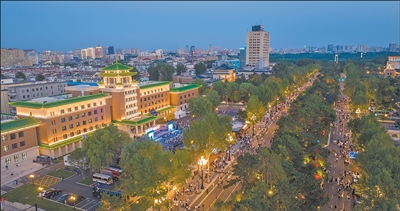
Core Viewpoint - The revitalization of Xinmin Street in Changchun, Jilin Province, transforms it into a vibrant pedestrian area, showcasing historical architecture and enhancing community engagement while reflecting the principle of "People's City Built by the People" [1][2][3]. Group 1: Historical Significance - Xinmin Street, established in the 1930s during the puppet Manchukuo era, features buildings that once housed government offices and later served educational and medical purposes, symbolizing both colonial suffering and the spirit of resistance among the Northeast people [2][3]. - The street's historical buildings are now accessible to the public, serving as leisure spaces and educational sites, thus bridging the gap between history and contemporary life [2][3]. Group 2: Urban Development and Transformation - The renovation project, initiated in February, involved the removal of 3,724 meters of enclosing walls, resulting in the release of 4.5 hectares of green space and the addition of 13 pocket parks, enhancing the street's aesthetic and functional appeal [3][7]. - The project reflects a collaborative effort among various government departments to ensure minimal disruption to local institutions while maximizing public access and engagement [3][7]. Group 3: Economic Impact - By the end of August, Xinmin Street attracted nearly 5 million visitors, generating over 2.7 billion yuan in economic revenue, highlighting its role as a significant cultural and economic hub [6][7]. - The street's revitalization has stimulated surrounding commercial areas, creating a ripple effect that enhances the overall tourism and cultural landscape of Changchun [7][8]. Group 4: Cultural Integration and Future Prospects - The integration of modern technology, such as QR codes for historical information and AR guides, enhances visitor interaction and educational opportunities, making history more accessible [3][6]. - Future plans include developing three tourism routes centered around Xinmin Street, aiming to further enrich local tourism and cultural offerings, thereby sustaining the momentum of revitalization [7][8].
广西大力推进城市更新和安全韧性提升行动
Zhong Guo Xin Wen Wang· 2025-10-31 11:48
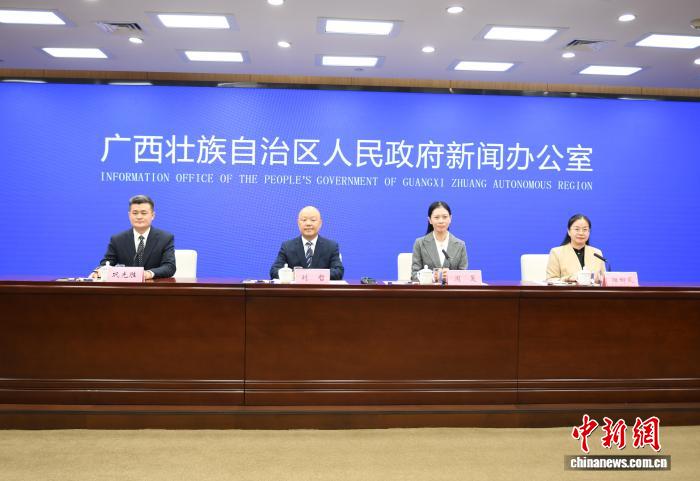
Core Points - Guangxi is actively promoting urban renewal and safety resilience actions since the 14th Five-Year Plan, with approximately 368,100 units of affordable housing and resettlement housing built, benefiting 835,800 people [1][3] Group 1: Urban Renewal Initiatives - During the 14th Five-Year period, Guangxi has implemented 19 urban village renovation projects, renovated 25,800 units of dilapidated urban housing, and upgraded 7,189 old urban communities, adding 44,500 parking spaces [3] - The region has updated and installed 3,786 old residential elevators, effectively addressing the mobility challenges faced by the elderly [3] - Guangxi has improved community service facilities by addressing gaps in elderly care, childcare, meal assistance, and convenience markets, while revitalizing idle and abandoned land to create "pocket parks," significantly enhancing living conditions [3] Group 2: Urban Safety Enhancements - Since the 14th Five-Year Plan, Guangxi has completed the construction and renovation of 13,408 kilometers of underground gas pipelines and conducted safety inspections and rectifications at 167 water supply plants, effectively eliminating 111 sections of urban black and odorous water bodies [3] - The daily sewage treatment capacity in urban areas has reached 6.992 million tons, and in the current year, 13,400 gas safety hazards have been rectified to ensure urban gas safety [3] Group 3: Cultural Heritage Integration - Guangxi integrates historical and cultural preservation into urban construction by implementing pre-construction mechanisms such as "investigate before construction" and "archaeology before land transfer," ensuring that renovation projects align with local urban aesthetics and cultural heritage [4] - Currently, three national historical and cultural cities and 36 historical and cultural districts in Guangxi have achieved comprehensive protection planning [4] - The region encourages the adaptive reuse of historical cultural heritage, transforming historical districts, buildings, and traditional streets into modern spaces like guesthouses and tea rooms, thereby revitalizing the area and ensuring the living transmission of urban cultural context [4] Group 4: Future Financing Strategies - Guangxi plans to promote the use of public-private partnership financing mechanisms and collaborate with policy banks to enhance project review and selection in the urban renewal sector, encouraging localities to fully explore project value and innovate financing models to accelerate project construction [5]
今年已有449个城市开展城市体检工作
Qi Lu Wan Bao· 2025-10-28 07:36
Core Viewpoint - The Ministry of Housing and Urban-Rural Development has reported that 449 cities across the country have initiated urban health check-ups this year, focusing on areas such as the renovation of old neighborhoods and the construction of complete communities [1] Group 1: Urban Health Check-ups - A total of 449 cities have conducted urban health check-ups this year [1] - The scope and depth of these health check-ups have been further expanded [1] Group 2: Focus Areas - Local governments are concentrating on the renovation of old neighborhoods and the construction of complete communities [1] - Other areas of focus include the protection and inheritance of historical culture, drainage and flood prevention, and the establishment of football facilities [1]
信长星在调研南京历史文化名城保护工作时强调
Nan Jing Ri Bao· 2025-10-12 01:45
Core Points - The article emphasizes the importance of protecting and inheriting historical and cultural heritage in Nanjing, highlighting the need for a strong sense of responsibility and respect for history [1][2] - It discusses the integration of traditional craftsmanship with modern technology in the preservation and renovation of historical buildings, aiming to revitalize them while maintaining their historical essence [1][2] Group 1 - The provincial secretary, Xin Changxing, conducted a survey on the protection of Nanjing's historical and cultural heritage, stressing the need for thorough implementation of Xi Jinping's cultural thoughts and directives [1][2] - Xin highlighted the significance of preserving the architectural style and street patterns of the old city, advocating for meticulous micro-renovations and improvements to public service facilities to enhance residents' living conditions [1][2] - The article mentions the need for systematic archaeological excavations and effective communication of research findings at the Ming Xiaoling Mausoleum site [1] Group 2 - During the survey, a meeting was held to discuss the planning of historical and cultural heritage protection in Nanjing, with an emphasis on the city's rich cultural background and its status as a national historical and cultural city [2] - Xin pointed out the importance of balancing the relationship between overall and local protection, ensuring the authenticity and integrity of heritage while integrating modern urban development [2] - The article stresses the necessity of fostering a collaborative protection framework involving government leadership and community participation to enhance public awareness and benefits from cultural heritage [2]
信长星在调研南京历史文化名城保护工作时强调以强烈的敬畏心和高度的责任感 扎实做好历史文化保护传承工作
Xin Hua Ri Bao· 2025-10-11 23:31
Core Points - The article emphasizes the importance of protecting and inheriting historical and cultural heritage in Nanjing, highlighting the need for a strong sense of responsibility and respect for history [1][2] - It discusses the integration of traditional craftsmanship with modern technology in the preservation and renovation of historical buildings, aiming to revitalize them while maintaining their historical essence [1][2] Group 1 - The provincial secretary, Xin Changxing, conducted a survey on the protection of Nanjing's historical and cultural city, stressing the need to implement Xi Jinping's cultural thoughts and directives [1][2] - Xin highlighted the significance of preserving the architectural style and street patterns of the old city, advocating for meticulous micro-renovations and improvements to public service facilities [1][2] - The article mentions the importance of systematic archaeological excavations and the protection of historical sites, particularly in areas like the Ming Palace Ruins Park [1][2] Group 2 - During the survey, a meeting was held to discuss the planning of historical and cultural heritage protection in Nanjing, emphasizing the city's rich cultural background and the need for comprehensive protection strategies [2] - Xin pointed out the necessity of balancing the relationship between traditional and modern elements, promoting organic urban renewal while preserving the city's historical charm [2] - The article stresses the importance of collaboration between government and society in heritage protection, fostering a participatory environment where everyone benefits [2]
住建部:“十四五”期间抢救保护了一大批历史文化遗存
Zhong Guo Xin Wen Wang· 2025-10-11 06:37
Core Viewpoint - The Ministry of Housing and Urban-Rural Development emphasizes the importance of protecting historical and cultural heritage during the "14th Five-Year Plan" period, aiming to ensure that the public can share in the benefits of cultural preservation and promote traditional Chinese culture [1] Group 1: Protection Philosophy - The protection of historical and cultural heritage is prioritized, focusing on comprehensive, authentic, active, and in-depth preservation [2] - The concept of "comprehensive" includes spatial coverage, inclusion of all elements, and continuity across time periods [2] - "Authentic" preservation aims to maintain the integrity of historical information and environments [2] - "Active" preservation encourages the integration of historical culture into modern life through effective utilization [2] - "In-depth" preservation seeks to explore the wisdom, cultural value, and spiritual connotations of heritage [2] Group 2: Action and Implementation - The approach has shifted from rescue-based protection to preventive protection, involving regular assessments and the establishment of digital archives [3] - Historical cultural heritage is integrated into urban development, enhancing infrastructure while preserving historical aesthetics [3] - Pilot projects in over 70 cities focus on revitalizing historical buildings and industrial heritage, transforming old districts into vibrant areas [3] - 58 historical cultural districts and 10 old streets have been designated as national-level tourism and leisure areas, revitalizing local landmarks [3]