
文化复兴

Search documents
人民创造文化
Xin Lang Cai Jing· 2026-02-25 16:57
Group 1 - The article highlights a unique village custom where families visit each other on the first day of the Lunar New Year, fostering community bonds and sharing updates about work and life [3][4][6] - This tradition has evolved over time, particularly driven by younger generations returning home, and serves as a means to strengthen social ties and resolve conflicts [3][4][6] - The practice of taking a collective family photo has become a significant cultural event, reflecting the growth and changes within the community, and enhancing social cohesion [6][10] Group 2 - The article discusses the impact of urbanization and marketization on traditional community structures, leading to a fragmentation of cultural practices and social relationships [4][12] - It emphasizes the importance of grassroots cultural initiatives, such as the "Village Song Project," which aims to revive local culture and foster community engagement through music and shared experiences [7][12] - The concept of culture is explored, defining it as a collective life experience shaped over time, which is essential for community identity and continuity [9][10][12]

嘉兴以活化为笔书写千年古城的文脉新章
Xin Lang Cai Jing· 2026-02-01 00:45
Group 1 - The core viewpoint emphasizes the revitalization and utilization of historical resources in Jiaxing, focusing on the interaction between protection and utilization to enhance the city's cultural heritage [1][2] - Jiaxing has implemented a comprehensive protection strategy, including strict control over new constructions in historical areas and the integration of traditional culture into modern urban settings, creating a vibrant atmosphere of historical presence and cultural richness [1][2] - The city is actively promoting cultural brands such as red culture, canal culture, and ancient city culture, with significant projects like the renovation of key areas and the establishment of cultural parks to enhance its international cultural profile [2][3] Group 2 - Jiaxing is advancing the construction of a national cultural park along the Grand Canal, focusing on the preservation and utilization of cultural heritage, with a major engineering initiative aimed at integrating various cultural and tourism elements [2][3] - The city is enhancing public amenities and cultural recognition through heritage protection, environmental improvement, and functional revitalization, aiming to create a harmonious blend of historical culture and modern urban life [3][4] - Ongoing projects, such as the South Lake Tiandi and the renovation of the Minfeng Metallurgy area, are set to transform these locations into comprehensive cultural parks that combine industry, culture, and tourism [4]
百骏迎新入画来! 一键开启你的“宋”福杭州年
Hang Zhou Ri Bao· 2026-01-27 02:39
Core Viewpoint - The "2026 'Song' Fortune Hangzhou Year" cultural event aims to blend traditional and modern elements, showcasing Hangzhou's rich cultural heritage while promoting tourism and local economy through a series of immersive activities and experiences during the Spring Festival [5][6][7]. Group 1: Event Overview - The event is organized by the Hangzhou Municipal Bureau of Culture, Radio, Television, and Tourism, and the Shangcheng District People's Government, featuring a launch ceremony on January 23, 2026 [5][6]. - The framework of the event includes three major events, five major products, six major scenes, and a hundred activities, creating a vibrant cultural tapestry for the Spring Festival [7][8]. Group 2: Cultural and Artistic Elements - The event features 30 "Fortune Lantern Boats" that illuminate West Lake, designed by local brand "Wang's Handcraft," merging traditional lantern-making techniques with Song Dynasty aesthetics [7][8]. - A new copper sculpture titled "Fortune Tide" by artist Zhu Bingren symbolizes the spirit of Hangzhou, combining traditional craftsmanship with modern design [8][9]. Group 3: Activities and Experiences - The event includes over 100 unique activities across various locations, such as traditional temple fairs, modern light shows, and interactive experiences like the "Mirror Tour Hangzhou" project, which integrates technology for an immersive visitor experience [10][11]. - Specific activities include treasure hunts, street parades, and cultural performances in different districts, ensuring a diverse range of experiences for visitors [10][11]. Group 4: Community Engagement and Benefits - The event emphasizes community involvement with public welfare initiatives, offering free boat rides and cultural experiences to residents and tourists [8][12]. - The Shangcheng District has prepared a "136" system of activities, combining events, sports, and promotional policies to enhance visitor engagement and stimulate local consumption [12][13].
领亿来集团剑指万亿市值:21世纪是白兰地的时代
Sou Hu Cai Jing· 2025-12-21 14:53
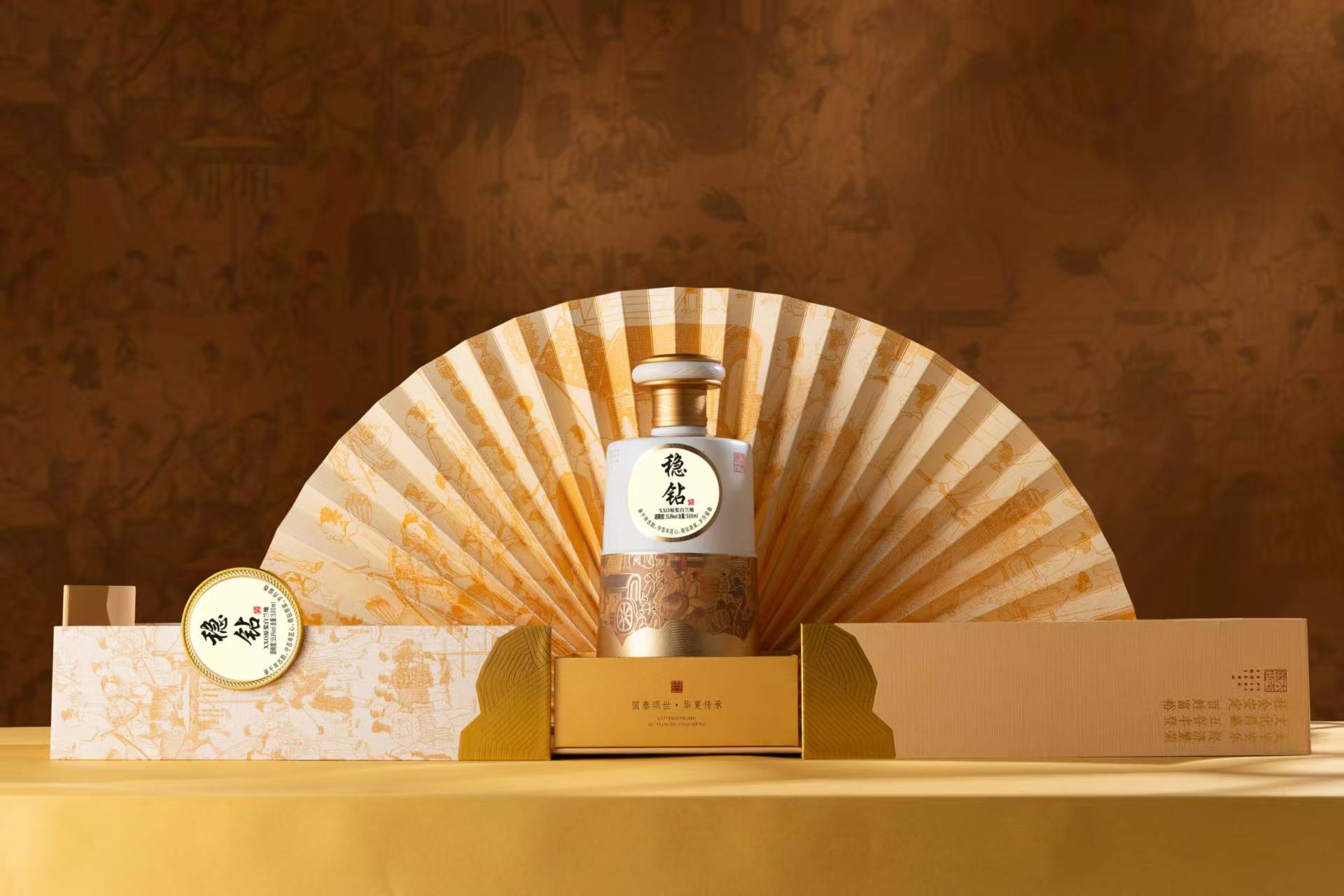
Group 1 - Lingyilai Group aims for a trillion yuan market value by 2030, focusing on cultural heritage, craft innovation, and industry integration to elevate Chinese brandy to a global benchmark [1][11] - The assertion that "the 21st century is the era of brandy" is supported by three driving forces: consumption upgrade, domestic substitution, and cultural revival [3][11] - The high-end brandy market share is projected to grow from 35% in 2020 to 58% by 2024, with a 12% annual growth rate, significantly outpacing the industry average [4][11] Group 2 - Domestic brandy is expected to capture a larger market share due to the imposition of anti-dumping duties on EU brandy, leading to a 71.38% drop in imports [4][11] - Lingyilai Group's "Dingyi XXO" has become a preferred choice in traditional liquor markets, benefiting from health advantages like no added sugar [4][11] - The Chinese brandy market is forecasted to grow from 93.6 billion yuan to 150 billion yuan between 2025 and 2030, with domestic brandy market share increasing from 27% to 40% [4][11] Group 3 - Lingyilai Group emphasizes cultural identity by linking brandy to Chinese heritage, promoting products that reflect this narrative [6][11] - The company is establishing "China's Brandy Capital" through partnerships and infrastructure development, aiming to enhance production capacity and quality [8][11] - A plan to split the "Dingyi" brand for public listing is in place, alongside global market expansion efforts, including a partnership to supply 50 billion yuan worth of brandy to 54 African countries [9][11]
以旧厂房为画布,用涂鸦撬动城市更新和文化复兴
Di Yi Cai Jing· 2025-08-19 06:19
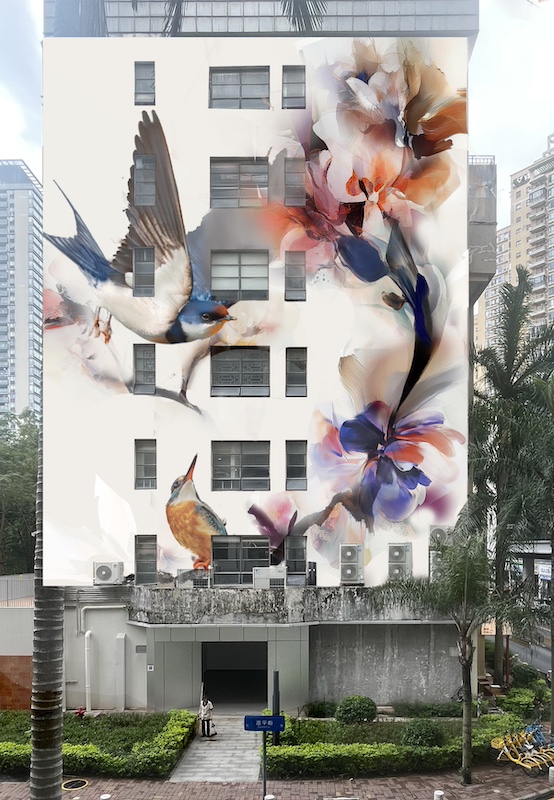
Core Viewpoint - The article highlights the emergence of street art as a vital part of urban culture and renewal, particularly through the first Shenzhen Mural Art Salon, which showcases collaborative works by artists from both mainland China and Taiwan, emphasizing the theme of coexistence between urban and natural environments [1][3][15]. Group 1: Event Overview - The first Shenzhen Mural Art Salon was inaugurated on August 8, featuring a collaborative mural titled "Nature·Observation" created by artists Huang Liwei and Wu Weihao, along with ten other artists from mainland China and Taiwan [1][3]. - The event took place in the OCT Creative Culture Park, transforming abandoned factory walls into vibrant art pieces that reflect the aesthetics of Song Dynasty silk paintings [1][3]. Group 2: Artistic Significance - Huang Liwei, the founder and artistic director of the Shenzhen Mural Salon, emphasizes the role of street art in enhancing community engagement and economic development, asserting that murals can beautify environments and foster cultural atmospheres [4][9]. - The article notes that street murals are not merely decorative but serve as essential components of urban renewal and cultural identity, with examples from cities like Melbourne and Malaga illustrating their impact on local culture and tourism [11][12]. Group 3: Artistic Collaboration - The salon features a diverse range of artistic expressions, including traditional ink, pop art, and abstract styles, allowing for a cross-regional visual dialogue among the participating artists [14][15]. - Huang Liwei envisions the salon expanding to include more international artists, fostering a broader influence on urban culture through residency programs and competitions [15].
从“西河”到运河,城厢在“走运”
Hang Zhou Ri Bao· 2025-07-25 03:22
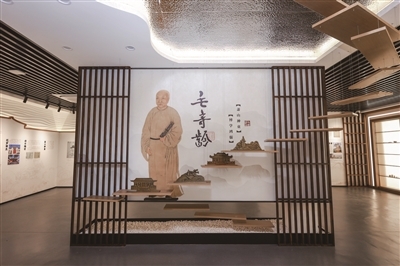
Core Viewpoint - The article discusses the cultural revitalization efforts in Xiaoshan's Chengxiang Street, highlighting the transformation of historical spaces into cultural landmarks and community hubs, which serve as a model for urban renewal driven by cultural heritage [5][10]. Group 1: Cultural Revitalization Initiatives - The opening of the Mao Qiling Exhibition Hall marks a significant cultural landmark in the Baichilong community, serving as a key element in the cultural revival strategy of Chengxiang [5][6]. - The exhibition hall features various thematic units that allow visitors to explore the life and achievements of Mao Qiling, a prominent scholar from the Qing Dynasty [6]. - The hall will host over 50 cultural events annually, including workshops and community markets, and will incorporate innovative operational models to ensure sustainable cultural engagement [6][9]. Group 2: Urban Renewal and Community Engagement - The Chengxiang Street revitalization plan aims to address issues faced by aging neighborhoods, such as deteriorating facades and insufficient public amenities, by transforming historical buildings into public cultural spaces [6][7]. - The West Mountain Cultural Belt is also undergoing renewal, with the reopening of the West Mountain Tunnel as a summer retreat and the introduction of a photography exhibition that resonates with local historical narratives [7][8]. - The ongoing planning for a slow-living district around West Mountain aims to enhance cultural resources, ecological landscapes, and infrastructure, attracting new industries to the area [8][9]. Group 3: Historical and Cultural Significance - The article emphasizes the historical significance of the West River, which has nourished the region's culture for centuries and is now part of a broader cultural revival along the Grand Canal [9][10]. - The restoration of historical sites, such as the Qiyuan Temple and the transformation of old factories into creative parks, illustrates the city's commitment to rediscovering and revitalizing its cultural heritage [9][10]. - The approach to urban renewal is characterized by small-scale, gradual changes that prioritize cultural heritage and community needs, aligning with contemporary urban development trends [10][11].
百年骑楼“潮”出圈 老城区变身网红打卡新地标
Zhong Guo Jing Ji Wang· 2025-03-02 23:51
Core Insights - The revitalization of Dongguan's historical area, known as Dongguan Memory, has successfully attracted significant foot traffic, averaging 80,000 visitors daily since its opening two months ago [1] - The project emphasizes a "micro-renovation" approach that preserves the historical architecture while integrating modern functionalities, creating a multi-functional cultural and commercial space [1][2] - The restoration efforts have uncovered over ten historical businesses, enriching the city's narrative and evoking nostalgia among local residents [4] Group 1: Urban Revitalization - Dongguan Memory is the city's first street-type urban renewal project, focusing on personalized restoration plans that maintain the historical essence of the area [1] - The project has successfully combined various functions such as living, culture, commerce, tourism, and creative offices into a cohesive historical cultural district [1][2] - The preservation of natural elements, such as ancient trees and old walls, has created a unique environment that enhances the area's historical charm [2] Group 2: Cultural Heritage - The restoration has revealed significant historical markers, such as the "Tiancheng Silk" sign, which connects local families to their heritage and has led to plans for the family to re-establish their business in the area [3][4] - The project has sparked a cultural revival, with local stories and memories being rediscovered and shared, enriching the community's historical narrative [4] Group 3: Economic Development - The introduction of modern business models and local brands, such as SUPERTOFU and DAKYAM, aims to attract younger generations back to Dongguan, fostering a sense of community and local pride [5] - The initiative includes free public art exhibitions and collaborations with contemporary art institutions to deepen the cultural engagement of the area [5] - The success of Dongguan Memory serves as a model for future urban renewal projects in the Greater Bay Area, promoting high-quality development [6]