机场应急保障

Search documents
呼伦贝尔机场积极应对特殊天气
Zhong Guo Min Hang Wang· 2026-02-27 08:47
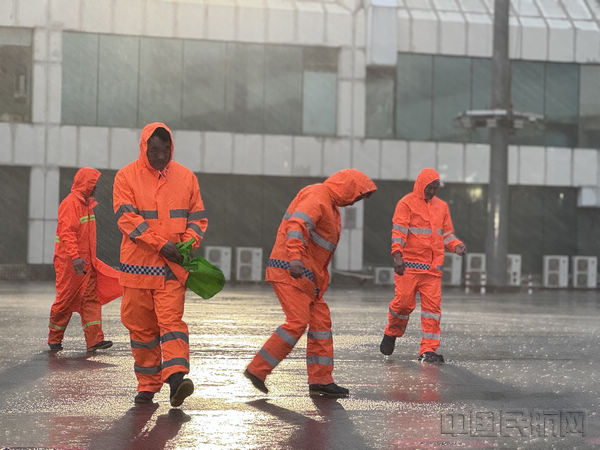
Core Viewpoint - The report highlights the proactive measures taken by Hohhot Airport in response to severe weather conditions, ensuring the safety and smooth operation of flights during adverse weather events [1][3]. Group 1: Emergency Response - Hohhot Airport activated its emergency response mechanism on February 25 due to severe snowstorm conditions, coordinating resources to ensure flight operations [1]. - The airport employed a scientific approach to allocate de-icing and snow removal equipment, adhering to a principle of simultaneous operation for runways, taxiways, and aprons [3]. Group 2: Operational Measures - The airport implemented a "mechanical first, manual second" strategy for snow removal, continuously working on critical areas to maintain operational standards [3]. - Key performance indicators such as surface friction coefficient, snow thickness, and snow pile height were closely monitored to ensure compliance with flight operation standards [3]. Group 3: Passenger Services - Hohhot Airport maintained close monitoring of weather and flight dynamics, providing timely notifications to passengers and increasing on-site announcements [3]. - Additional check-in counters were opened during peak times, and staff were assigned to assist passengers with ticket changes and alternative travel arrangements [3]. Group 4: Flight Operations - As of February 25 at 5 PM, five flights were canceled, two diverted, and two delayed due to weather, but overall airport operations remained stable and orderly [5]. - The airport plans to continuously monitor weather changes and improve emergency response plans, enhancing equipment maintenance and staff training for better handling of adverse weather conditions [5].

雪袭返程高峰 西安咸阳机场快速响应保畅通
Zhong Guo Min Hang Wang· 2026-02-23 11:26
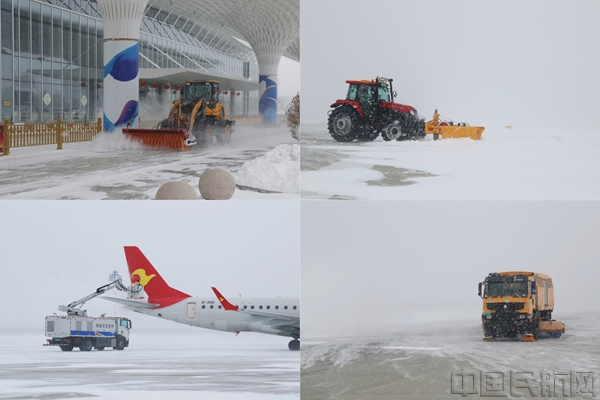
Core Viewpoint - The article highlights the effective response of Xi'an Xianyang International Airport to severe snowfall during the peak return travel period of the Spring Festival, showcasing the airport's preparedness and emergency management capabilities [1][2][3]. Group 1: Weather Impact and Response - On February 23, during the peak return travel period, the Shaanxi region experienced significant snowfall, prompting the Shaanxi Meteorological Station to issue a weather warning predicting over 6 millimeters of snow in certain areas, which posed challenges for civil aviation [1]. - Xi'an Xianyang Airport had anticipated the complex winter weather and had already improved its emergency response plans, including the maintenance of de-icing equipment and the optimization of de-icing operations [2][3]. Group 2: Operational Measures - Following the snowfall, the airport activated its emergency response procedures, coordinating with air traffic control and airlines to monitor weather changes and assess the impact on passenger flow and flight operations [3]. - The airport managed to handle 1,002 flight takeoffs and landings, transporting 160,000 passengers on that day, with overall operations remaining stable and no significant flight delays or passenger backlogs reported [3]. Group 3: Future Preparedness - The airport plans to continue refining its emergency response strategies and enhance its capabilities to deal with complex winter weather, ensuring a high level of service and safety for travelers [5].
破冰除雪 迎寒而战 长沙机场全力开展除冰雪工作保障机场运行
Zhong Guo Min Hang Wang· 2026-01-23 01:39
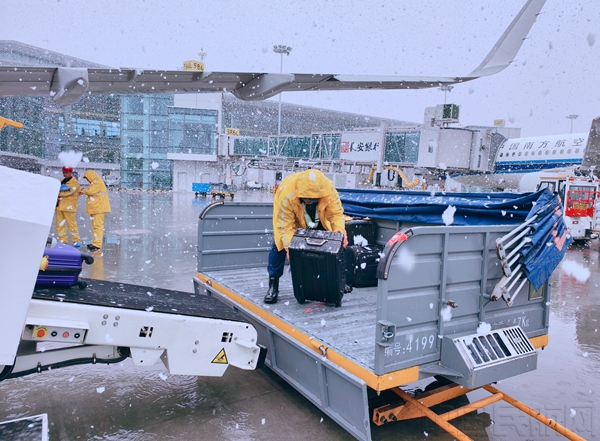
Core Viewpoint - Changsha Airport has implemented a comprehensive snow and ice removal operation to ensure the timely departure of flights during adverse weather conditions, demonstrating effective emergency response and resource management [3][4]. Group 1: Emergency Response and Operations - The airport initiated its snow and ice removal plan immediately after the weather warning was issued, establishing a command center to coordinate efforts [4]. - This year, Changsha Airport adopted a "three-point + two original positions" de-icing model, increasing the number of de-icing vehicles from 11 to 18, enhancing operational capacity by 50% compared to previous years [4]. - The de-icing process has been streamlined, with the entire operation for a single aircraft taking approximately 2 minutes, significantly improving efficiency [4]. Group 2: Staff Commitment and Community Support - Over 110 staff members volunteered for the night de-icing operation, showcasing a strong sense of duty and teamwork among employees [3]. - The airport provided warm beverages and meals to staff working in harsh conditions, emphasizing the importance of employee welfare during challenging operations [3]. - Customer service efforts included distributing blankets and hot drinks to passengers affected by flight delays, with staff actively communicating the importance of de-icing operations to travelers [5]. Group 3: Future Preparedness and Continuous Improvement - The airport plans to enhance weather monitoring and optimize emergency response processes to minimize flight delays and improve passenger experience during winter weather [5]. - Continuous collaboration among various departments is emphasized to ensure safety and efficiency in operations, aiming for a seamless travel experience for passengers [5].
禄口机场20日取消13架次,主要集中在西南往返航线
Yang Zi Wan Bao Wang· 2026-01-20 02:59
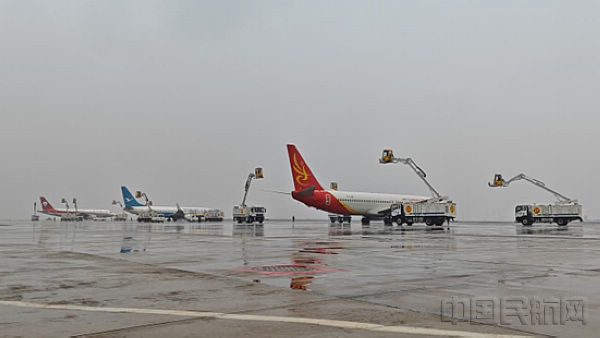
Group 1 - The Nanjing Lukou International Airport has implemented an emergency response plan to address the severe cold wave and snowstorm affecting the region [3] - On January 20, the airport planned 576 flights, with 13 cancellations primarily on routes to and from the southwest due to adverse weather conditions [3] - The airport has adopted a proactive approach with a mechanism of "early warning, early consultation, early action, and early notification" to ensure operational safety during winter [3] Group 2 - The airport has mobilized snow removal equipment, including 8 snowplows and 3 de-icing vehicles, to maintain smooth operations [3] - Key facilities such as runway lighting and power supply systems are being inspected and protected against freezing to ensure flight safety [3] - In case of flight delays, the airport will enhance services for stranded passengers, including ground anti-slip measures and increased attention to heating and charging facilities [5] Group 3 - The airport will collaborate with airlines to keep passengers informed about flight status and assist with ticket changes, especially for vulnerable groups like the elderly and children [5] - Provisions such as blankets and hot water will be made available for overnight passengers, and arrangements for hotels and meals will be prepared for longer delays [5] - Information regarding flight updates will be disseminated through multiple channels, including display screens, public announcements, and the airport's official platforms [5]
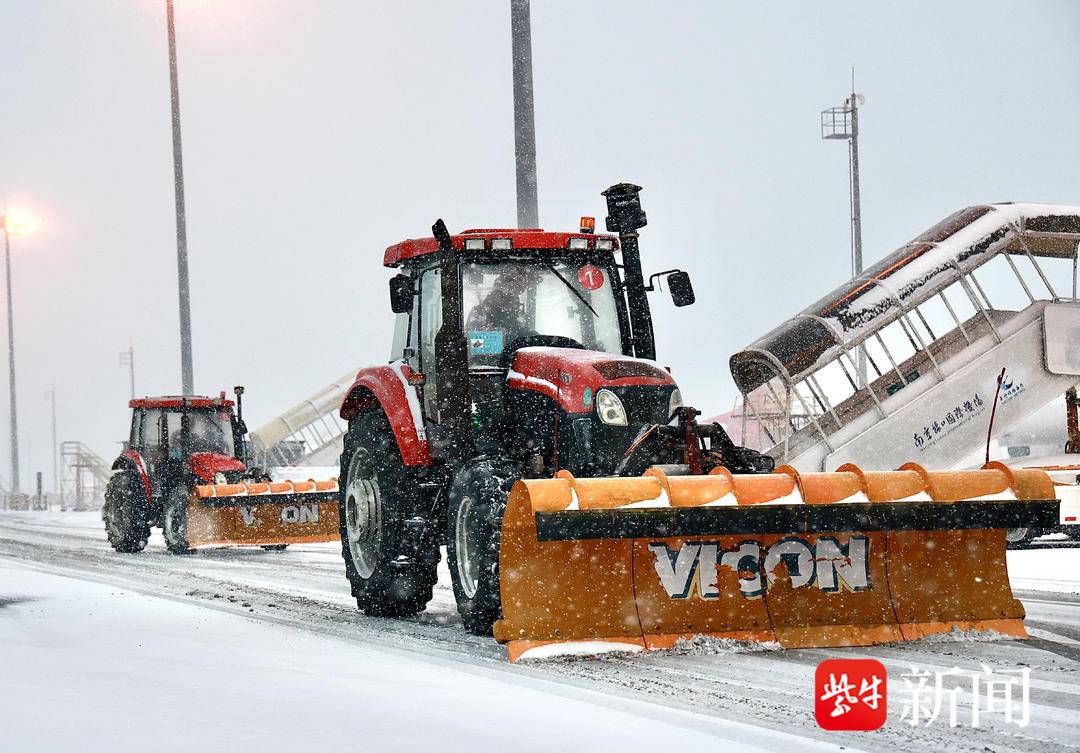
江苏各地机场吹雪车和除冰车等装备就位
Xin Lang Cai Jing· 2026-01-19 04:46
Group 1 - The Eastern Airport Group has completed inspections and maintenance of all special snow removal vehicles, including snowplows and de-icing trucks, ensuring readiness for winter weather conditions [1][3] - Various de-icing materials, such as industrial salt, snow-melting agents, and de-icing fluids for aircraft, have been adequately stocked at airports across Jiangsu [1][3] - Jiangsu airports have developed emergency response plans and specialized support schemes based on weather warnings, detailing snow monitoring, operational processes, standby arrangements, information communication, and flight delay services [3] Group 2 - The Central Meteorological Observatory issued multiple weather warnings, including a yellow alert for cold waves, ice, and heavy snow, indicating severe winter weather from January 18 to 23 [3] - Forecasts predict widespread cold wave conditions, strong winds, low temperatures, and rain and snow across Jiangsu, with the northern and central regions expected to experience moderate to heavy snowfall, and localized areas facing blizzards [3]
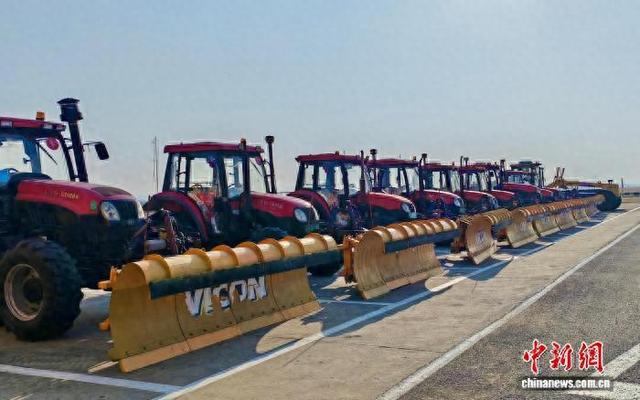
迎战寒潮 东部机场集团“御寒模式”全面上线
Zhong Guo Min Hang Wang· 2026-01-19 01:37
Core Viewpoint - The Eastern Airport Group is proactively preparing for the strongest winter rain, snow, and freezing weather in Jiangsu, ensuring all personnel, materials, and equipment are ready for operational support [1] Group 1: Speedy Deployment - Following the safety risk alert from the group, airports have improved emergency plans based on weather warnings and developed specialized support schemes [3] - Key processes such as snow monitoring, operational procedures, standby arrangements, information communication, and flight delay services have been detailed [3] - All special support vehicles, including snowplows and de-icing trucks, have undergone comprehensive inspections and maintenance [3] Group 2: Rigorous Hazard Inspection - Airports are focusing on critical equipment and key areas, conducting thorough safety hazard inspections [5] - Specific checks are being performed on navigation lights, communication systems, power and water supply, heating, and fire safety systems [5] - Outdoor pipelines and equipment are being reinforced and insulated, with increased inspection frequency [5] Group 3: Warm-hearted Services - Airports are prioritizing passenger needs by ensuring adequate supplies of hot water, blankets, and increasing on-site service personnel during peak travel times [8] - Special attention is given to the needs of elderly, children, and disabled passengers [8] - The group is coordinating with hotels and food service providers to ensure that passenger accommodation services remain operational during potential flight delays due to weather [8]
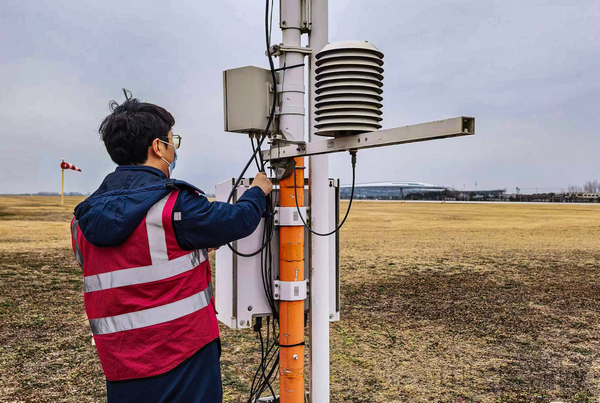
西安机场:以雪为令 全面护航 筑牢跨年出行安全防线
Zhong Guo Min Hang Wang· 2025-12-31 10:37
Group 1 - The core viewpoint of the articles highlights the proactive measures taken by Xi'an Xianyang International Airport to ensure smooth operations during adverse weather conditions, specifically snow, on December 31 [1][2] Group 2 - Xi'an Xianyang Airport initiated emergency snow removal plans in response to the snowfall, enhancing order maintenance in key areas and increasing inspection frequency in slippery zones [2] - The airport deployed multiple snow removal machines and utilized manual labor to clear snow, while also laying down anti-slip mats and setting up warning signs at critical points [2] - Coordination with local transportation and the Xi'an Intercity Railway Company was strengthened to ensure smooth passenger flow and transport during the weather event [2] Group 3 - The airport prepared in advance by checking de-icing equipment and vehicles, deploying 9 tons of de-icing agents, and reserving an additional 40 tons for emergencies [1] - A total of 10 backup vehicles were reserved to assist approximately 1,500 delayed passengers, along with pre-arrangements with hotels and catering services for extended passenger support [1]
济南机场完成今冬首场降雪保障工作
Zhong Guo Min Hang Wang· 2025-12-13 09:46
Core Viewpoint - Jinan Airport has effectively implemented emergency snow removal measures in response to the first snowfall of the winter season, ensuring the safety and smooth operation of flights while providing warm services to passengers during adverse weather conditions [1][8]. Group 1: Emergency Response and Coordination - Upon receiving snowfall forecasts, Jinan Airport activated its warning response, collaborating with air traffic control, meteorological departments, and airlines to conduct comprehensive drills and discussions [3]. - A "one snow, one plan" strategy was developed to assess the impact of snowfall and allocate resources effectively, enhancing operational organization during snow conditions [3]. Group 2: Operational Efficiency - As snow began to fall, all operational support departments at Jinan Airport entered a "wartime state," establishing a collaborative mechanism with air traffic control and airlines to optimize air traffic flow and expedite snow removal operations [3]. - Continuous monitoring of runway conditions and dynamic assessments were conducted to ensure safe takeoffs and landings for aircraft [5]. Group 3: Passenger Services - Jinan Airport enhanced its service by increasing check-in counters, improving flight information broadcasts, and providing dedicated assistance at key points such as check-in, security, and boarding [7]. - Special attention was given to vulnerable passenger groups, with staff providing guidance and distributing warm supplies like blankets and snacks [7]. Group 4: Preparedness and Training - The airport's effective response to winter weather challenges is attributed to comprehensive preparations, including refining emergency plans, equipment maintenance, personnel training, and practical drills [8]. - Specific training and assessments were conducted for snow removal equipment and operational staff to ensure readiness and effective collaboration during snow events [8]. Group 5: Performance Metrics - As of December 13, Jinan Airport mobilized approximately 2,000 personnel, utilized 530 vehicles, and sprayed 173 tons of de-icing fluid, maintaining orderly flight operations [8]. - The airport's proactive measures and commitment to safety and service exemplify its dedication to passenger welfare during winter travel [8].
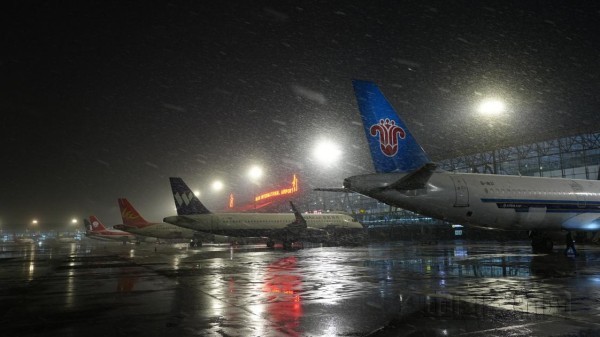
以雪为令战严寒 锡林浩特机场完成多轮降雪除冰保障
Zhong Guo Min Hang Wang· 2025-12-12 06:51
Core Viewpoint - The article highlights the proactive measures taken by Xilinhot Airport in Inner Mongolia to ensure safe aviation operations during severe snow and cold weather conditions, emphasizing their commitment to passenger safety and operational efficiency [2][3]. Group 1: Emergency Response - Xilinhot Airport activated its snow removal emergency response mechanism immediately after the first snowfall in late November, mobilizing all departments to adhere to the established plans [2]. - The airport's flight area management department coordinated the deployment of four specialized snow removal vehicles to clear runways and taxiways continuously, ensuring that the runways met takeoff and landing standards [2]. Group 2: Continuous Operations - Following a new round of snowfall, Xilinhot Airport maintained its operations by continuously deploying professional snow removal equipment and dynamically adjusting work plans to ensure flight safety [3]. - Despite temporary disruptions to some flights due to weather conditions, the airport managed to ensure orderly flight operations and smooth passenger travel through precise assessments and scientific scheduling [3]. Group 3: Workforce Efforts - The airport formed three specialized teams: the main route task force, auxiliary route cleaning team, and tool support group, establishing a work structure prioritizing main routes while supporting secondary routes and logistics [3]. - Airport staff worked tirelessly for nearly three hours to clear snow and ice from passenger pathways and parking areas, successfully opening safe travel routes and earning praise from travelers for their dedication [3].

珠海机场全力应对台风 “桦加沙” 高效恢复运行保安全
Zhong Guo Min Hang Wang· 2025-09-25 11:52
Core Viewpoint - Zhuhai Airport effectively managed the impact of Typhoon "Haikaisar" through a comprehensive emergency response system, ensuring smooth operations and passenger safety during extreme weather conditions [1][9]. Group 1: Emergency Response Mechanism - Zhuhai Airport established a three-tiered responsibility system led by senior management to coordinate emergency responses, ensuring all leaders were on-site and actively monitoring the situation [3][4]. - The airport conducted four specialized meetings to detail tasks related to facility reinforcement, flight adjustments, passenger services, and emergency preparedness, ensuring no blind spots in their defense coverage [4]. Group 2: On-Site Operations - During the typhoon, airport staff formed a "Typhoon Vanguard" team to maintain operations, including clearing debris, checking navigation lights, and ensuring runway conditions remained safe [6]. - Continuous monitoring of power supply was conducted to prevent outages, and staff provided dedicated services to passengers affected by flight changes [6]. Group 3: Recovery Operations - Following the typhoon, Zhuhai Airport quickly transitioned to recovery mode, focusing on comprehensive inspections and ensuring all critical facilities were operational before resuming flights [9]. - The airport successfully resumed operations on September 25 at 10 AM, with the first flight arriving shortly after, demonstrating effective recovery capabilities [9]. Group 4: Future Monitoring - Zhuhai Airport will continue to monitor the effects of post-typhoon weather conditions and enhance facility inspections and flight monitoring to mitigate any further disruptions [10].