
纠治四风

Search documents
习言道 | 领导干部如何过节,习近平这样强调
Zhong Guo Xin Wen Wang· 2026-02-19 13:21
Core Viewpoint - The article emphasizes the importance of responsibility among leaders during holidays, highlighting the need for them to remain vigilant and engaged with their duties rather than taking extended breaks or vacations [2][3][4]. Group 1: Leadership Responsibility - Leaders are urged to maintain a strong sense of responsibility, especially during holidays, to ensure they are available to address any issues that may arise [3][4]. - Xi Jinping's personal experiences during his tenure in local government illustrate his commitment to working through holidays, reinforcing the expectation for leaders to prioritize their roles [5][6]. Group 2: Ethical Conduct and Party Discipline - Holidays serve as a critical test for the integrity and ethical standards of party members, with increased risks of misconduct such as excessive socializing and inappropriate spending [7][8]. - The necessity for principled interpersonal interactions is highlighted, with a call for leaders to establish boundaries to avoid compromising their integrity [9]. Group 3: Anti-Corruption Measures - The article discusses the ongoing efforts to combat "Four Winds" (formalism, bureaucracy, hedonism, and extravagance) during holiday periods, which have become a routine practice since the 18th National Congress [10]. - Xi Jinping's remarks on the importance of addressing even minor issues, such as mooncake distribution during the Mid-Autumn Festival, reflect a broader strategy to prevent corruption [10][11]. Group 4: Personal Conduct and Values - Leaders are encouraged to engage with the public and prioritize family time over social obligations, promoting a lifestyle that values simplicity and integrity [12]. - The cultivation of healthy interests and a commitment to a modest lifestyle are presented as essential qualities for party members to maintain their core values [13].

“年底过了再喝”,这种幻想得彻底打消
Xin Lang Cai Jing· 2026-01-18 19:30
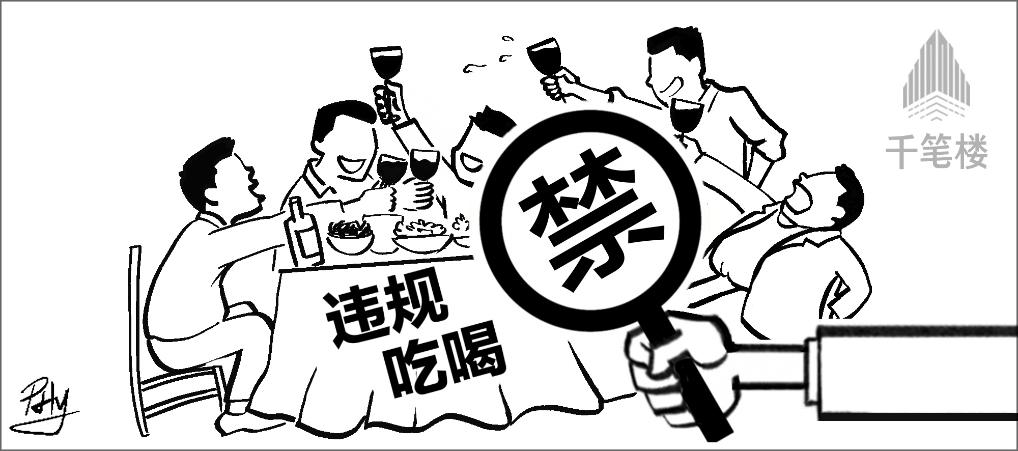
Core Viewpoint - The article emphasizes the ongoing issue of improper dining and drinking practices among local officials, highlighting the need for continued vigilance and enforcement of anti-corruption measures despite previous successes in curbing such behaviors [1][2][3][4]. Group 1: Current Situation - Local officials are still engaging in improper dining practices, often using phrases like "let's drink after the year-end" as a euphemism for postponing accountability [1][2]. - Despite significant progress in addressing these issues since the implementation of the "Eight Regulations," violations persist, indicating a need for ongoing efforts to combat these behaviors [1][3]. Group 2: Tactics Used by Officials - Some officials attempt to evade scrutiny by timing their gatherings around periods of increased oversight, such as meetings or holidays, believing they can avoid detection [2]. - Others change the location of their gatherings to private venues or neighboring areas to escape local monitoring, disguising their activities as work-related events [2]. - There are also attempts to mask the nature of these gatherings by using alternative formats, such as small-scale meetings or informal gatherings, to circumvent regulations [2][3]. Group 3: Misconceptions and Attitudes - There exists a dangerous mindset among some officials who believe that the anti-corruption efforts will eventually wane, leading them to engage in improper practices without fear of consequences [3][4]. - Some officials rationalize their actions by claiming that social drinking is necessary for building relationships and facilitating business, which reflects a misunderstanding of the implications of such behaviors [3]. Group 4: Call to Action - The article calls for a stronger commitment to maintaining a clean political environment, emphasizing that personal relationships should not serve as a cover for corrupt practices [4]. - It stresses the importance of a proactive approach to anti-corruption, urging officials to reject the notion that improper dining can be justified or overlooked [4].
“年底过了再喝”“风头过去再约”,这种幻想得彻底打消!
Xin Hua She· 2026-01-16 02:10
Core Viewpoint - The article emphasizes the ongoing challenge of curbing the practice of excessive drinking and dining among officials, despite previous efforts and regulations aimed at addressing this issue. It highlights a persistent mindset among some officials that they can resume such behaviors once the scrutiny diminishes, which undermines anti-corruption efforts [1][6][11]. Group 1: Current Situation and Challenges - Recent surveys indicate that while there have been improvements in reducing excessive drinking and dining among officials, the issue has not been completely eradicated, with many still attempting to evade regulations [2][4]. - Some officials are strategically timing their gatherings to avoid detection, planning events during periods of heightened scrutiny, such as meetings or holidays [2][4]. - There are reports of officials using various tactics to disguise their gatherings, such as holding events in less conspicuous locations or under the guise of work-related meals [4][5]. Group 2: Misconceptions and Attitudes - There exists a misconception among some officials that minor violations of drinking and dining regulations are acceptable, viewing them as harmless social interactions rather than potential gateways to corruption [8][9]. - The article points out that some officials believe that once the scrutiny subsides, they can safely engage in excessive drinking without consequences, reflecting a dangerous underestimation of the ongoing anti-corruption efforts [6][9]. - The belief that social drinking is necessary for building relationships and facilitating business is prevalent, leading to justifications for violating regulations [8][9]. Group 3: Consequences and Recommendations - The article warns that the normalization of excessive drinking can lead to more serious corruption issues, as it often serves as a precursor to unethical behavior and financial misconduct [8][9]. - It stresses the importance of maintaining a strict stance against such practices, advocating for a culture of integrity and transparency within government and public service [9][11]. - The need for continuous vigilance and commitment to anti-corruption measures is highlighted, with a call for officials to reject the notion that they can relax their adherence to regulations after periods of scrutiny [11].

新华社:“年底过了再喝”“风头过去再约” 这种幻想得彻底打消!
Xin Hua She· 2026-01-16 02:06
Core Viewpoint - The article emphasizes the ongoing challenge of curbing the practice of improper dining and drinking among officials, highlighting that the mindset of waiting for the "wind to pass" before resuming such activities must be corrected [2][6][12] Group 1: Current Situation - Significant progress has been made in addressing the "Four Winds" (improper practices), with many grassroots officials reporting a reduction in social obligations and more time spent with family [3] - Despite improvements, violations of the central eight regulations persist, with some officials attempting to evade scrutiny by rescheduling or relocating gatherings [3][5] Group 2: Examples of Violations - Specific cases illustrate the ongoing issues, such as a local official organizing a drinking event that resulted in a death, demonstrating the severe consequences of such actions [5] - Officials have been found using various tactics to disguise improper gatherings, such as holding events in private venues or under the guise of work-related meals [5][8] Group 3: Misconceptions and Attitudes - Some officials hold a misguided belief that minor violations are acceptable, viewing improper dining as a necessary part of relationship-building and business [8] - The article warns that such attitudes can lead to more serious corruption, as initial small infractions can escalate into significant ethical breaches [8][9] Group 4: Call to Action - The article stresses the need for a continuous commitment to anti-corruption efforts, asserting that the fight against improper practices is ongoing and requires vigilance [9][12] - It advocates for a cultural shift away from viewing improper dining as harmless, emphasizing the importance of maintaining integrity in official conduct [9][12]
全国查处“四风”问题超25万起
Xin Lang Cai Jing· 2026-01-09 21:49
Group 1 - The central government has intensified efforts to combat formalism and bureaucratism, with over 124,000 cases addressed and 165,000 individuals criticized or dealt with in the first 11 months of 2025 [1][3] - A total of 840,000 cases of improper conduct and corruption related to the public have been investigated, resulting in 536,000 disciplinary actions and 20,000 referrals to prosecutorial authorities [1][5] - The central government emphasizes the integration of service support and the implementation of the Eight Regulations, aiming for a long-term and effective approach to rectify formalism and bureaucratism [1][3] Group 2 - The central government has publicly reported typical violations of the Eight Regulations, creating a strong deterrent effect, with 25 typical issues disclosed over the past year [2] - Continuous monitoring and rectification of formalism and bureaucratism are prioritized, with specific cases highlighted, such as blind decision-making in urban management and exaggerated project data [3] - The government is committed to addressing corruption and improper conduct that directly affects the public, with significant actions taken in areas like school meal management and rural asset oversight [4][5] Group 3 - The central government has implemented a dual approach to tackle improper conduct and corruption simultaneously, promoting a comprehensive governance strategy [6] - The focus remains on maintaining strict adherence to the Eight Regulations and ensuring that the efforts in combating formalism and bureaucratism are sustained and effective [6]
严格落实中央八项规定精神 做好元旦春节期间正风肃纪工作
Xin Lang Cai Jing· 2025-12-27 20:45
Core Viewpoint - The article emphasizes the importance of strict adherence to the Central Eight Regulations during the upcoming New Year and Spring Festival, aiming to combat the "Four Winds" issues and promote a culture of integrity within the party and government organizations [1][2]. Group 1: Implementation of Regulations - The notification stresses the need for all levels of disciplinary inspection and supervision organizations to recognize the persistent nature of the "Four Winds" issues and to rigorously enforce the Central Eight Regulations [2][3]. - It calls for party organizations to take responsibility for maintaining work style and to ensure that leaders adhere to the regulations, particularly during the festive season [2][3]. Group 2: Strict Discipline Requirements - The notification outlines ten prohibitions that must be strictly followed, including bans on excessive dining, gift-giving, and public funds misuse, as well as restrictions on extravagant behavior and formalism [3][4]. - It emphasizes the need for leaders to set an example by adhering to these regulations and maintaining a frugal lifestyle [3][4]. Group 3: Supervision and Accountability - The notification highlights the importance of maintaining a high-pressure environment for punishing violations, focusing on the enjoyment and extravagance issues that often arise during festive periods [4][5]. - It calls for a mechanism to regularly identify and address problems, ensuring that any emerging issues related to the "Four Winds" are promptly dealt with [4][5]. Group 4: Cultural Promotion - The notification encourages the promotion of a culture of integrity and thriftiness, urging party members to lead by example in resisting bad customs and fostering positive social values [5].
以作风建设保障改革攻坚
Zhong Yang Ji Wei Guo Jia Jian Wei Wang Zhan· 2025-08-21 01:01
Group 1 - The core viewpoint emphasizes the need for strengthening work style construction to optimize the reform environment and ensure the successful implementation of reforms [1][2] - The article outlines a systematic approach to integrate work style construction into political supervision, ensuring it is a foundational and ongoing task across various levels of party organizations [2][3] - It highlights the importance of addressing issues in the last mile of policy implementation, establishing a comprehensive supervision mechanism to ensure reforms benefit grassroots communities [2][3] Group 2 - The article discusses the continuous rectification of the "Four Winds" (formalism, bureaucratism, hedonism, and extravagance) to eliminate obstacles to reform, with a focus on strict supervision during critical periods [3][4] - It emphasizes the need for a robust mechanism to prevent and address issues of formalism and bureaucratism, ensuring that responsibilities are clearly defined and implemented at all levels [4][5] - The establishment of a dynamic monitoring and early warning mechanism is proposed to provide data support for addressing persistent work style issues effectively [5]
应急管理部推动持续筑牢作风防线
Zhong Yang Ji Wei Guo Jia Jian Wei Wang Zhan· 2025-07-10 00:19
Core Viewpoint - The Ministry of Emergency Management emphasizes the importance of maintaining strict discipline and integrity among its members, using case studies to educate and warn against violations of the Central Eight Regulations [2][3][4]. Group 1: Education and Awareness - The Ministry held a warning education meeting to promote awareness among party organizations and members about the importance of adhering to the Central Eight Regulations [2]. - Participants watched a warning education video featuring serious violations within the Ministry, highlighting issues such as abuse of power for personal gain and disregard for public welfare [2][3]. - The Ministry has organized over 24,000 individuals to watch warning education films, fostering a culture of strict adherence to regulations [5]. Group 2: Accountability and Responsibility - The Ministry's leadership acknowledges that some members have violated regulations, damaging the reputation of the organization and the political ecosystem [3]. - There is a call for deeper understanding and implementation of Xi Jinping's important discussions on strengthening party conduct, emphasizing the need for accountability and responsibility among leaders [3][4]. - The Ministry aims to establish a mechanism for continuous education and self-examination among party members to ensure compliance with regulations [5]. Group 3: Addressing Issues and Challenges - The Ministry's disciplinary body stresses the need to recognize the severe harm caused by misconduct and to prevent complacency among members [4]. - There is a focus on addressing persistent issues such as the improper acceptance of gifts and excessive spending, as well as bureaucratic and formalistic problems [4]. - The Ministry encourages members to internalize the spirit of the Central Eight Regulations and translate educational warnings into actionable commitments [5].
网言网语 | 厉行节约 反对浪费
Zhong Yang Ji Wei Guo Jia Jian Wei Wang Zhan· 2025-06-11 09:11
Core Viewpoint - The revised "Regulations on Strictly Practicing Frugality and Opposing Waste by Party and Government Agencies" emphasizes the importance of frugality and the responsibility to combat waste, which is crucial for implementing the spirit of the Central Eight Regulations and addressing the "Four Winds" issues [1][2]. Group 1: Implementation of Regulations - The new regulations include specific prohibitions against extravagant spending, such as high-end dishes, cigarettes, and alcohol during official meals [2]. - The regulations aim to strengthen budget constraints and promote a culture of frugality within government agencies, setting a benchmark for society [2][4]. Group 2: Supervision and Accountability - Supervisory bodies are tasked with regular checks on travel, official receptions, vehicle use, and financial management to ensure compliance with frugality measures [5][9]. - There is a focus on early detection and correction of issues related to public funds misuse, with an emphasis on transparency and accountability [5][8]. Group 3: Long-term Mechanisms - The need for a long-term mechanism to combat waste and promote frugality is highlighted, linking it to broader issues of corruption and improper conduct [9][11]. - The approach includes a dual focus on addressing wasteful practices while also investigating underlying corruption issues [11].

省政协党组理论学习中心组举行集体学习
Shan Xi Ri Bao· 2025-05-26 22:48
Group 1 - The meeting emphasized the importance of the Central Eight Regulations and the achievements made since the 18th National Congress, attributing success to the leadership of Xi Jinping and the guidance of Xi Jinping's Thought on Socialism with Chinese Characteristics for a New Era [1][2] - It was highlighted that addressing the "Four Winds" issues is crucial for deepening the education on the Central Eight Regulations, advocating for a comprehensive approach to reduce bureaucratic burdens at the grassroots level [1][2] - The meeting called for leaders at all levels to take responsibility in promoting the learning and implementation of the Central Eight Regulations, ensuring that the political responsibilities are met with higher standards and practical measures [2] Group 2 - The meeting underscored the need for political guidance through Xi Jinping's Thought, aiming to unify various political parties and groups within the People's Political Consultative Conference (PPCC) to ensure political steadfastness [2] - It was stressed that the focus should be on practical and beneficial discussions that align with the provincial decision-making, contributing to the modernization efforts in Shaanxi [2]