
Dark patterns

Search documents
UK's Trustpilot fined $4.6 million by Italian regulator for misleading consumers
Yahoo Finance· 2026-03-23 07:53
Core Viewpoint - Italy's competition regulator has fined Trustpilot 4 million euros ($4.6 million) for failing to verify the authenticity of reviews and misleading consumers about its services [1]. Group 1: Regulatory Actions - The Italian Competition Authority found that Trustpilot's review collection services allowed businesses to selectively choose which consumers received review invitations, compromising the representativeness of published ratings, even when labeled as "verified" [2]. - Trustpilot is appealing the regulator's findings, expressing strong disagreement with the conclusions reached by the AGCM [2]. Group 2: Allegations and Findings - The fine follows allegations from short seller Grizzly Research, which accused Trustpilot of creating fake profiles to generate negative reviews and pressuring companies to pay for subscriptions, claims that Trustpilot has denied [3]. - The regulator also identified that Trustpilot employed "dark patterns" in its interface design to obscure critical information about its platform's operations and the businesses that paid for services, violating Italy's consumer code [3]. Group 3: Financial Impact - Trustpilot stated that it does not expect the fine to materially impact its operations or finances, despite an initial drop in its shares by 2.7% during early trading, which later recovered to a 4.2% increase [4].
View: The dark side of India’s digital gold rush
The Economic Times· 2026-03-11 03:25
Core Insights - India has emerged as the second-largest e-retail market after China, surpassing the US, due to the proliferation of cheap smartphones and a national mobile payment system [1][16] - However, this growth is marred by the prevalence of "dark patterns," which are design elements that manipulate users into overpaying or purchasing unwanted items [2][16] E-Retail Market Dynamics - A 2024 study indicated that 76% of websites and apps globally use some form of manipulation, with India reporting a staggering 98% [3] - The aviation sector, particularly IndiGo, has been highlighted for employing deceptive practices, such as shaming customers into purchasing insurance [4][5] Regulatory Environment - The Indian consumer protection authority is currently verifying claims from major platforms like Flipkart regarding the elimination of dark patterns [7] - Sachin Taparia has proposed a form for listed companies to sign, detailing 14 malpractices that exploit consumer psychology [9] Financial Sector Concerns - The banking industry is noted for systemic breaches of trust, with half of customers still encountering dark patterns despite a central bank order to eliminate them [10] - The "subscription trap" is a common tactic where joining is easy online, but cancellation requires a physical visit to a branch [10] Data Privacy Issues - There are serious concerns regarding the unethical harvesting of user information, with instances of banks contacting consumers based on leaked personal financial details [11] - In India, companies face minimal penalties for data breaches, contrasting sharply with the EU's stringent regulations [11] Broader Implications - Weak data guardrails in banks contribute to scams like "digital arrests," where criminals exploit leaked information to target affluent individuals [12] - The article highlights a fundamental disregard for individual choice and data sovereignty in India's digital landscape [13]



Meal kit services sued over alleged subscription traps
Michael West· 2025-12-16 02:24
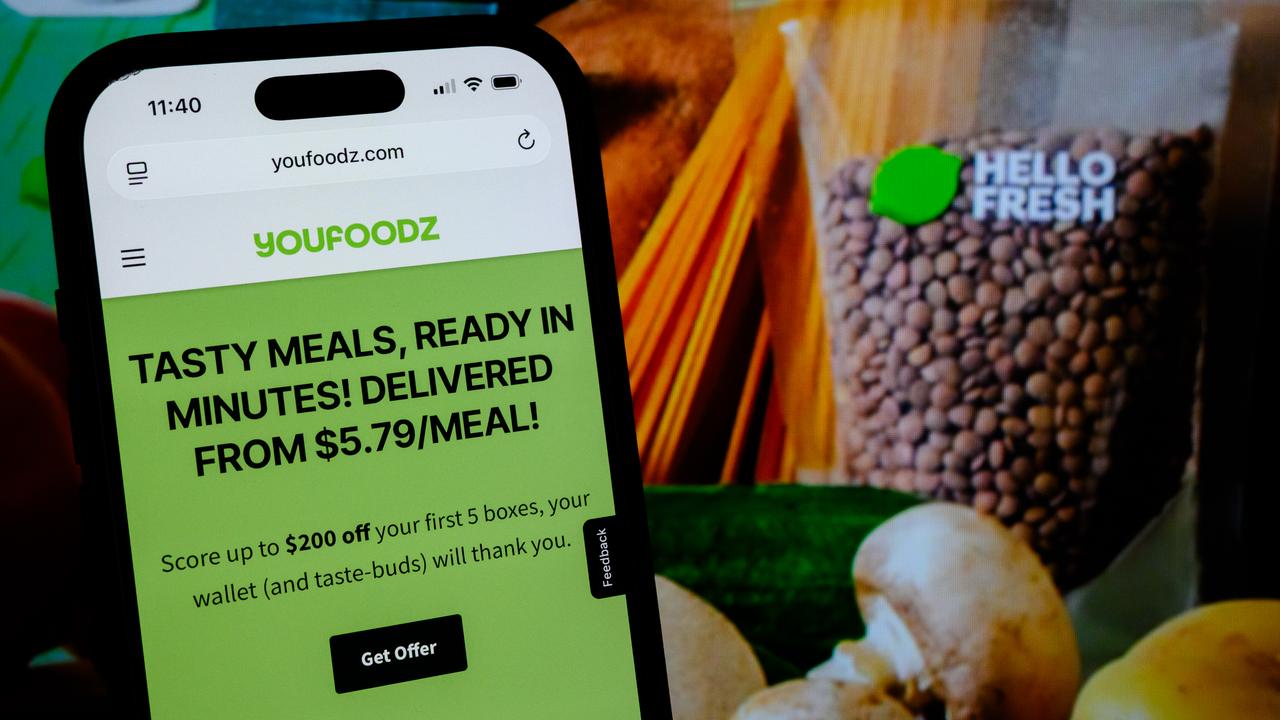
Core Viewpoint - The Australian Competition & Consumer Commission (ACCC) has initiated legal proceedings against HelloFresh and Youfoodz for allegedly misleading over 100,000 customers regarding subscription cancellation practices, which are deemed to breach consumer law [1][2][4]. Group 1: Allegations Against Companies - HelloFresh and Youfoodz are accused of misleading advertising that suggested customers could easily cancel subscriptions online before a cut-off time, yet many were charged despite attempting to cancel [2][4]. - The ACCC claims that customers were required to speak with a customer service representative to cancel their subscriptions, contrary to the ease of signing up online [3][4]. - Between January 2023 and March 2023, 62,061 HelloFresh customers and 39,408 Youfoodz customers were charged fees despite cancelling their subscriptions before the cut-off [4]. Group 2: Subscription Practices - The ACCC alleges that HelloFresh required customers to enter payment details to view meals, misleadingly suggesting they would not be charged unless meals were selected, leading to unintended subscription sign-ups [5][6]. - Many consumers were unaware they had subscribed until they received their meal kits or payment notifications [5][6]. - A specific case highlighted a Youfoodz customer who cancelled within minutes of signing up but still received a charge and delivery notification [6][7]. Group 3: Regulatory Response and Future Actions - The ACCC is seeking compensation for affected customers, penalties for the companies, and measures to enhance compliance with consumer laws [7]. - The Albanese government plans to consult on outlawing manipulative subscription practices in early 2026, with legislation expected by the end of that year [8].
Amazon Will Pay $2.5 Billion for Misleading Customers Into Amazon Prime Subscriptions
CNET· 2025-10-21 19:43
Core Insights - Amazon reached a $2.5 billion settlement with the Federal Trade Commission (FTC) regarding allegations of misleading customers about Amazon Prime subscriptions, marking one of the largest consumer protection settlements in U.S. history [1][2] Settlement Details - The settlement allocates $1.5 billion to a fund for repaying eligible subscribers and $1 billion as a civil penalty [2] - Amazon is required to implement a "clear and conspicuous" option to decline Prime during checkout and to simplify the cancellation process [2] FTC Allegations - The FTC accused Amazon of employing "dark patterns" to manipulate consumers into subscribing to Prime and complicating the cancellation process, violating Section 5 of the FTC Act and the Restore Online Shoppers' Confidence Act [4][5] Eligibility for Payouts - The settlement applies to customers who enrolled in Amazon Prime between June 23, 2019, and June 23, 2025, specifically those who used a "challenged enrollment flow" or faced difficulties in canceling their memberships [6] - Specific enrollment pages were identified by the FTC, and claimants must not have used more than 10 Prime benefits in any 12-month period to qualify for payouts [7] Payment Process - Customers who signed up through challenged processes and used no more than three Prime benefits within a year will receive automatic payments from Amazon within 90 days [8] - Other eligible customers must file claims, and Amazon is obligated to notify them within 30 days of making automatic payments [8] Payment Amounts - Payouts to eligible claimants will be capped at $51, which may be reduced based on the number of Prime benefits utilized during the subscription [9]

X @The Economist
The Economist· 2025-10-21 14:00
Consumer Behavior - Dark patterns can lead consumers to act against their own interests [1] - Dark patterns can also negatively impact firms [1]
X @The Economist
The Economist· 2025-10-20 18:00
Dark patterns, which manipulate users into actions they might not otherwise take, can be very effective, at least in the short term. But they can also produce unintended negative consequences https://t.co/g9ZkJSdY2d ...
Amazon Will Cough Up $2.5 Billion for 'Tricking' People Into Amazon Prime Subscriptions
CNET· 2025-09-26 18:24
Core Points - The Federal Trade Commission (FTC) lawsuit against Amazon has led to a $2.5 billion settlement for misleading customers regarding Amazon Prime subscriptions [1][2] - The settlement includes $1.5 billion for a fund to repay eligible subscribers and a $1 billion civil penalty [2] - Amazon will implement clearer options for declining Prime during checkout and simplify the cancellation process as part of the settlement [2] FTC Lawsuit Background - The FTC accused Amazon of using "dark patterns" to manipulate customers into Prime subscriptions and complicating the cancellation process [5][6] - The lawsuit claimed violations of Section 5 of the FTC Act and the Restore Online Shoppers' Confidence Act [5] Settlement Details - The settlement applies to customers who enrolled in Amazon Prime between June 23, 2019, and June 23, 2025, particularly those who used "challenged enrollment flows" [7] - Specific enrollment pages were identified, and claimants must not have used more than 10 Prime benefits in any 12-month period to qualify for payouts [7] Payout Process - Eligible customers who signed up through challenged processes and used three or fewer Prime benefits will receive automatic payments within 90 days [8] - Other eligible customers must file claims, and Amazon is required to notify them within 30 days of automatic payments [8] Payment Amounts - Payouts to eligible claimants will be capped at $51, which may be reduced based on the number of Prime benefits used [9]
Amazon Agrees to Pay $2.5 Billion to Settle Lawsuit Claiming It 'Tricked' Customers to Join Prime
CNET· 2025-09-25 19:54
Core Viewpoint - Amazon has agreed to a $2.5 billion settlement with the Federal Trade Commission (FTC) over allegations of misleading practices related to its Prime subscription service, which included making it difficult for users to cancel their subscriptions [1][3]. Group 1: Settlement Details - The settlement includes $1.5 billion allocated to a fund for repaying eligible subscribers and $1 billion as a civil penalty [1]. - Amazon is required to implement a "clear and conspicuous" option for customers to decline Prime during the checkout process and to simplify the cancellation procedure [1][3]. Group 2: Legal Context - The FTC accused Amazon of employing "dark patterns" to manipulate consumers into subscribing to Prime and complicating the cancellation process, which violated Section 5 of the FTC Act and the Restore Online Shoppers' Confidence Act [3][4]. - The trial was set to begin but concluded with this settlement, marking one of the largest consumer protection settlements in U.S. history [4]. Group 3: Company Response - Amazon maintains that it has always complied with the law and views the settlement as a means to move forward and focus on customer innovation [2]. - The company emphasizes its efforts to make the sign-up and cancellation processes clear and simple for customers [2].
Amazon settles FTC lawsuit over Prime subscription practices for record $2.5B settlement
Fox Business· 2025-09-25 19:39
Core Viewpoint - Amazon has agreed to a $2.5 billion settlement with the Federal Trade Commission (FTC) over allegations of misleading customers regarding Prime subscriptions, which includes a $1 billion civil penalty and $1.5 billion in consumer refunds [1][2]. Settlement Details - The settlement requires Amazon to pay a total of $2.5 billion, which consists of a $1 billion civil penalty and $1.5 billion in refunds to consumers [1]. - This settlement amount is less than 1% of Amazon's revenue from the previous year [2]. Allegations and Practices - The lawsuit, filed in 2023, accused Amazon of using "dark patterns" to mislead customers into subscribing to Prime and complicating the cancellation process [7]. - Dark patterns refer to design choices that intentionally mislead users into actions they might not take willingly [7]. Reactions and Criticism - FTC Chairman Andrew N. Ferguson stated that the settlement represents a significant victory for consumers against deceptive subscription practices [5]. - Senator Elizabeth Warren criticized the settlement, arguing that it does not hold Amazon executives accountable and is merely a minor financial penalty compared to the company's revenue [6]. Company Response - An Amazon spokesperson claimed that the company has always complied with the law and emphasized their commitment to making the subscription and cancellation processes clear and simple for customers [10]. Future Legal Challenges - Amazon is also facing another lawsuit from the FTC, accusing the company of operating as a monopoly, with the trial set to begin in 2027 [12].
Amazon Prime trial begins this week: What to expect
Yahoo Finance· 2025-09-22 13:01
Core Viewpoint - The ongoing FTC trial against Amazon could significantly impact how the company operates its Prime subscription service, which has over 200 million global subscribers and generates more than $40 billion in annual revenue from subscriptions alone [1][2]. Group 1: Amazon Prime Subscription - Amazon Prime is a crucial part of the company's business model, with members reportedly spending about twice as much as non-members, highlighting its importance to Amazon's retail operations [2]. - The FTC alleges that Amazon misled millions into signing up for Prime and created a frustrating cancellation process, which the company internally referred to as the "Iliad" [3][4]. Group 2: Legal Allegations and Company Response - The FTC claims that Amazon's cancellation process was designed to deter customers from unsubscribing by bombarding them with offers and links [4]. - Amazon has denied these allegations, asserting that Prime is valuable and ranks highly in customer satisfaction and renewal rates [5]. Group 3: Broader Implications and Executive Accountability - The case raises questions about whether Amazon's Prime business is based on genuine customer loyalty or manipulative design practices known as "dark patterns" [6]. - If found guilty, Amazon executives, including Neil Lindsay and Jamil Ghani, could face personal liability for their roles in the Prime subscription business [7].