Health and Wellness

Search documents
Natural Food Stocks in Focus as Health & Wellness Trend Grows
ZACKS· 2026-02-23 14:30
Industry Overview - The natural foods industry is experiencing rapid growth driven by consumer awareness of health, wellness, and environmental responsibility [2][3] - Clean ingredients, sustainable agriculture, and ethical sourcing are now essential features of the modern food landscape [2][4] - The global healthy foods market is projected to reach 2,101.9 billion by 2035, indicating significant future growth potential [5] Consumer Trends - Consumers are increasingly choosing products that are transparent about their ingredients and minimally processed, with labels such as organic, non-GMO, and preservative-free gaining popularity [3] - Clean eating is becoming the norm rather than a trend, supported by government initiatives promoting healthier eating habits [3] Company Strategies - Vital Farms, Inc. (VITL) is simplifying its portfolio to focus on higher-margin categories, divesting its North American snacks business for $115 million to concentrate on markets with stronger margins [7] - United Natural Foods, Inc. (UNFI) is enhancing its business model to prioritize higher-margin natural and organic foods, achieving a 10.5% growth in its Natural segment in the first quarter of fiscal 2026 [11] - Beyond Meat, Inc. (BYND) is pivoting towards clean-label standards and medical-grade nutritional profiles, launching products with limited ingredients and achieving significant taste and nutrition accolades [14][15] Product Innovations - Companies are investing in plant-based alternatives and functional foods enriched with vitamins and probiotics, with a focus on sustainable farming technologies [5] - Hain Celestial is concentrating on three flagship categories: tea, yogurt, and baby and kids, with initiatives driving double-digit growth in these segments [8] - Beyond Meat's new product offerings, such as Beyond Ground and Beyond Steak Filet, emphasize clean ingredients and high protein content [15][16] Operational Enhancements - UNFI is implementing lean Kaizen workshops to improve operational efficiency and reduce new item setup times, enhancing its ability to support emerging health-focused brands [12] - The company is also investing in its private brand portfolio to provide value-conscious organic options, ensuring consistent availability of high-quality products [13]




X @The Economist
The Economist· 2026-02-22 21:20
Well Informed: your evidence based guide to health and wellness, delivered straight to your inbox https://t.co/d3CadwHuyW ...
Sprouts Farmers Market(SFM) - 2025 Q4 - Earnings Call Transcript
2026-02-19 23:02
Financial Data and Key Metrics Changes - In Q4, total sales reached $2.1 billion, an increase of $152 million or 8% year-over-year, driven by a 1.6% increase in comparable store sales and strong new store performance [9][11] - For fiscal year 2025, total sales increased nearly 14% to $8.8 billion, with comparable store sales growth of 7.3% [11][12] - Gross margin for Q4 was 38.0%, a decrease of 10 basis points compared to the same period last year, while for the full year, gross margin was 38.8%, an increase of 70 basis points [10][12] - Net income for Q4 was $90 million, with diluted earnings per share of $0.92, a 16% increase year-over-year; for the full year, net income was $524 million, with diluted earnings per share of $5.31, a 42% increase [11][13] Business Line Data and Key Metrics Changes - E-commerce sales grew 15%, representing approximately 15.5% of total sales for Q4 [9] - Sprouts Brand products accounted for nearly 26% of total sales for the quarter, with over 7,000 new items introduced, including more than 600 new products under the Sprouts Brand [5][9] Market Data and Key Metrics Changes - The macro environment remains uneven, with consumers increasingly focused on value, impacting transaction counts and customer behavior [7][14] - The health and wellness landscape continues to evolve, with customers seeking innovation, quality, and transparency while being value-conscious [7] Company Strategy and Development Direction - The company is focused on leveraging operational strengths and advancing customer engagement, real estate, and supply chain initiatives, along with targeted investments in talent and technology [20][21] - The loyalty program launched last year exceeded sign-up expectations and is expected to drive behavioral shifts over time [20][21] - The company plans to open at least 40 new stores in 2026, with a robust pipeline of over 140 approved locations [15][25] Management's Comments on Operating Environment and Future Outlook - Management acknowledges that 2026 will be a challenging year as the company faces tough comparisons from previous growth [7][15] - The company is committed to addressing affordability challenges for customers and is exploring various pricing and promotional strategies [32][78] - Management remains confident in the long-term potential of the company and its ability to reaccelerate growth despite current challenges [19][20] Other Important Information - The company generated $716 million in operating cash flow, enabling self-funding of capital expenditures of $224 million [13][14] - The company returned $472 million to shareholders through share repurchases and has $836 million remaining under its share repurchase authorization [14] Q&A Session Summary Question: Current comp momentum and affordability investments - Management noted that the uncertain macro environment and tough lapping are affecting current comp momentum, and they are exploring options for pricing and promotions to support customers [31][32] Question: Traffic versus ticket contributions to comp guidance - Management indicated slight pressure on traffic but expects sequential improvement as the year progresses, with confidence in new store performance and innovation driving growth [40][41] Question: Share of wallet and competitive landscape - Management reported that share of wallet remains flat, with no significant declines, and emphasized the importance of innovation and differentiation in maintaining customer loyalty [62][64] Question: Shrink and margin pressures - Management acknowledged that shrink pressures are expected to be stable, with ongoing investments in inventory management to mitigate challenges [70] Question: Gross margin assumptions for 2026 - Management indicated that the first half of 2026 will face margin pressure due to fixed cost deleverage and the loyalty program, but expects stabilization in the second half [72][74]

McCormick & Company (NYSE:MKC) 2026 Conference Transcript
2026-02-17 23:02
Summary of McCormick & Company 2026 Conference Call Company Overview - **Company**: McCormick & Company (NYSE: MKC) - **Industry**: Packaged Food - **Date of Conference**: February 17, 2026 Key Points Industry Position and Growth - McCormick is recognized as a global leader in flavor, delivering consistent volume growth in a challenging packaged food environment [2][4] - The company emphasizes that it competes with flavor rather than calories, differentiating itself from peers [3][7] - The global demand for flavor is projected to grow by 5%-7%, with a market growth of 35% within McCormick's current geographic footprint [10] Financial Performance - From 2015 to 2025, McCormick achieved a 12% organic sales growth, with a compounded annual growth rate of 6% [36][37] - The company expects to maintain organic sales growth of 3%-4% in 2026, driven by new products and increased brand marketing [49][50] - Operating income margins are anticipated to improve through operating leverage and cost savings initiatives [50] Strategic Initiatives - McCormick is focused on digital transformation, leveraging data and AI to enhance innovation, operations, and consumer engagement [12][41] - The company is committed to sustainability and health trends, aiming to meet consumer demands for healthier options [32][33] - McCormick's Flavor Solutions segment is central to its growth strategy, emphasizing partnerships with customers to reformulate products [31] Brand and Product Innovation - McCormick holds the number one brand position in spices, seasonings, hot sauce, and mustard, with strong household penetration [16] - The company is innovating with new flavors and packaging, including the McCormick Gourmet collection and modernized seasoning blends [20][23] - Marketing campaigns, particularly for Frank's RedHot, have successfully engaged younger consumers, driving brand loyalty [22][29] Acquisitions and Market Expansion - Recent acquisitions, including a majority stake in McCormick de Mexico, are expected to contribute to both top and bottom-line growth [46][49] - The company maintains a disciplined approach to acquisitions, with a focus on enhancing its portfolio and market presence [47] Challenges and Outlook - McCormick faces cost pressures from inflation and increased tax rates, but is implementing strategies to offset these challenges [39][48] - The company remains confident in its ability to deliver on its long-term objectives, reaffirming targets of 4%-6% net sales growth and 8%-11% earnings per share growth [51] Conclusion - McCormick is well-positioned to capitalize on the growing demand for flavor, supported by a strong brand portfolio, innovative product offerings, and strategic initiatives aimed at enhancing profitability and market reach [52]

X @The Economist
The Economist· 2026-02-10 06:20
Well Informed: your evidence based guide to health and wellness, delivered straight to your inbox https://t.co/d3CadwHuyW ...
Fairlife Expansion Gives Coca-Cola a Protein-Powered Edge
ZACKS· 2026-02-09 19:51
Core Insights - Fairlife has become a significant growth driver for The Coca-Cola Company, positioning it strongly in the expanding protein and functional nutrition market as consumer preferences shift towards healthier options [1][8] - Coca-Cola's investment in expanding Fairlife's production capacity is crucial for meeting demand and supporting volume growth, enhancing its innovation capabilities in protein shakes and value-added dairy [2][3] - Fairlife provides Coca-Cola with a competitive advantage in the health and wellness trend, offering strong pricing power and repeat purchase behavior, which helps balance slower growth in traditional categories [3] Company Strategies - Coca-Cola is focusing on expanding Fairlife's production capacity to alleviate supply constraints and drive higher volumes, which is expected to enhance its market position in health-focused beverages [2][8] - The company is strategically pivoting from carbonated drinks to higher-margin nutrition-led categories, reflecting a broader trend in consumer preferences towards better-for-you beverages [1][3] Competitive Landscape - In the competitive beverage market, PepsiCo and Keurig Dr Pepper are also targeting the protein and functional nutrition space, with PepsiCo leveraging its diverse portfolio and distribution strengths [4][5] - Keurig Dr Pepper is adopting a more measured approach, focusing on selective partnerships and functional beverages while minimizing capital investment, positioning itself to adapt to evolving consumer trends [6] Financial Performance - Coca-Cola's shares have increased by 12.1% over the past three months, slightly underperforming the industry growth of 14.2% [7] - The forward price-to-earnings ratio for Coca-Cola is 24.27X, which is higher than the industry average of 20.16X, indicating a premium valuation [9] - The Zacks Consensus Estimate projects year-over-year earnings growth of 3.8% for 2025 and 8.1% for 2026, with recent estimates remaining unchanged [10]


Starbucks global brand chief on the future of ordering and rewards
Youtube· 2026-01-29 16:22
Core Insights - Starbucks is experiencing significant momentum in its US business, with a focus on marketing and brand visibility as it prepares for its investor day in New York City [1] Marketing and Brand Strategy - The company has integrated its marketing, menu, digital experience, merchandising, and consumer packaged goods (CPG) to present a unified global brand [2] - Starbucks has increased its marketing and advertising spending to enhance visibility and relevance, aiming to be more loved by consumers [4] - The brand is focusing on major events for marketing, such as the Winter Olympics and collaborations with influencers like Mr. Beast [5] Customer Engagement and Rewards Program - Starbucks has revamped its rewards program by introducing tiers (green, gold, and reserve) to better reward frequent customers, who visit up to 200 times a year [8] - New features include a "free mod Monday" for all members, allowing for monthly free modifications, enhancing customer customization options [9] Product Innovation - The company is launching new menu items, including a matcha menu and an ube coconut macchiato, with a focus on energy refreshers to capture afternoon sales [10][11] - Starbucks has reduced its SKU count by 25% to streamline operations while still innovating within existing product structures [19] Cultural Relevance and Trends - Starbucks aims to leverage cultural trends and engage younger consumers, particularly Gen Z, by responding to customer-created trends and introducing a secret menu [14] - The company is focusing on health and wellness trends, with plans to introduce new flavors and customizable options, such as a more personalized chai [26][27] Technology and AI Integration - Starbucks is enhancing its app with AI capabilities, allowing customers to verbally express their drink preferences and receive recommendations [16][17] - The company is committed to balancing innovation with operational efficiency, ensuring that new offerings do not complicate barista workflows [18][21]

UNFI unveils dozens of new private-label items
Supermarket News· 2026-01-26 20:17
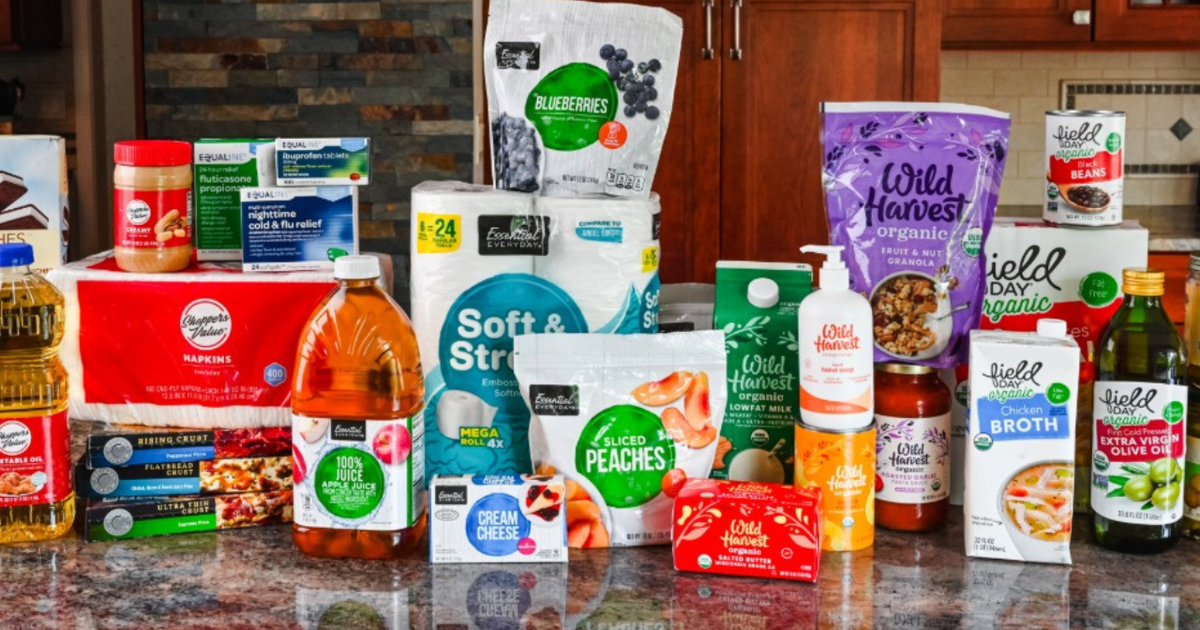
Core Insights - United Natural Foods Inc. (UNFI) is launching nearly 50 new private label products this month, focusing on snacking, value, and health and wellness categories [1] - The introduction of these products coincides with a growing trend among retailers and consumers towards private label brands to mitigate rising food costs, with U.S. sales of store brands reaching a record $282.8 billion in 2024, an increase of over $9 billion [2] - Dollar sales of store brands grew by 3.3% in 2025, outperforming national name brands which saw a gain of only 1.2% [3] Product Launch Details - The new products include health-oriented items such as Essential Everyday trail mixes, Woodstock frozen fruit bars, and various breakfast offerings [8] - Many of the new products are designed to align with consumer preferences for simple, health-focused ingredients, reflecting a "back-to-basics" approach to nutrition [5] Market Trends and Opportunities - The rise in private label popularity is linked to the increasing use of GLP-1 medications, with projections indicating that by 2030, households using these medications will account for 35% of all food and beverage consumption [5] - UNFI's private brands program, valued at over $1 billion, is expected to grow in the mid-single-digit range, with a focus on innovation and tailored product offerings [6][7] - There is significant potential for growth in the natural private label segment, which currently has a lower penetration compared to conventional products [7]
削减消费品间接支出的3种行之有效的策略
奥纬咨询· 2026-01-21 05:55
Investment Rating - The report does not explicitly provide an investment rating for the food industry Core Insights - The food industry is undergoing significant changes, necessitating enhanced leadership skills to navigate evolving organizational dynamics and stakeholder expectations [6][7] - FMI and Oliver Wyman emphasize the importance of understanding industry trends and consumer needs to adapt strategies effectively [8][10] - The report highlights the urgency for food industry leaders to embrace technology, health and wellness, and consumer-centric approaches to remain competitive [11][12] Summary by Sections Eyeing New Realities For Food Industry Leadership - The food industry is characterized by constant change, requiring leaders to adapt quickly and guide their organizations through uncertainty [6][7] - FMI's research indicates that industry strategies focus on navigating macroeconomic challenges and evolving consumer preferences [11] Existing and New Technology - Food retailers are investing approximately 1% of total sales, over $10 billion, into technology budgets, with suppliers spending around 1.5% [24] - The report identifies a growing interest in artificial intelligence and automation to enhance efficiency and productivity amid rising costs and labor challenges [23][24] - Key technology initiatives include the use of AI for internal processes, product traceability, and digital shelf space monetization [28] Consumer and Retail Health - Nearly half of shoppers are making more effort towards healthy eating, with 62% believing there is room for improvement in their diets [143] - The grocery store is evolving into a solution-oriented destination that supports consumer health and well-being through various initiatives [146][147] - Consumer goods companies are urged to embrace health and wellness trends, recognizing the market opportunity of $90 billion in restricted spend benefits programs [151][152] Managing Indirect Spend in Consumer Goods - Indirect spend represents 6% to 8% of revenues, often overlooked but a significant source of potential savings [33] - Companies can reduce indirect spend by 10% to 15% over three years through comprehensive operating systems and innovative sourcing strategies [36] - Effective management of indirect spend requires a coordinated approach focusing on buying cheaper, spending better, and spending less [36] Incident Preparedness in Retail - Organizations must treat cybersecurity as a business continuity issue, with proactive preparation critical to minimizing operational and financial impacts [48][49] - Effective incident response requires coordination across departments and a well-rehearsed response plan to manage potential crises [56][63] - Continuous improvement in cyber readiness is essential, with organizations encouraged to learn from incidents and close calls [76][78]
Snacking Headwinds Persist: Can PepsiCo's Beverages Carry the Load?
ZACKS· 2026-01-19 19:10
Core Insights - PepsiCo, Inc. is facing ongoing challenges in its core snacking business, particularly in North America, where volume declines are impacting overall food operations due to weak consumer demand and health-conscious trends [1][2] Group 1: Financial Performance - In Q3 2025, organic revenues for PepsiCo Foods North America (PFNA) declined by 3%, while reported revenues remained flat year over year [2] - The Zacks Consensus Estimate for PepsiCo's 2025 earnings per share (EPS) indicates a year-over-year decrease of 0.5%, while the 2026 EPS shows a growth of 5.4% [14] - PepsiCo shares have increased by 3.3% over the past six months, slightly outperforming the industry growth of 3% [12] Group 2: Strategic Initiatives - The company is focusing on its permissible snack portfolio, which features cleaner ingredients and functional benefits, to counteract volume declines in PFNA [3][9] - PepsiCo is committed to innovation, particularly in the functional hydration category, with products like Propel and the relaunch of Muscle Milk, aiming to capture new market segments [4] - The beverage unit is providing stability, with the Beverages North America (PBNA) segment achieving 2% organic revenue growth, driven by gains in Pepsi Zero Sugar [4][9] Group 3: Competitive Landscape - Key competitors include The Coca-Cola Company and Monster Beverage Corp., both of which are navigating market volatility through diversified portfolios and innovation [6][7][8] - Coca-Cola's strategy emphasizes a broad range of beverage categories, while Monster Beverage focuses on energy drinks and health-oriented products [7][8] Group 4: Market Positioning - PepsiCo is strategically repositioning its beverage portfolio to align with health and wellness trends, with brands like Mountain Dew and poppi gaining market share [5] - The company is investing in healthier snack offerings to bolster growth and adapt to changing consumer preferences [5]