
Quick Commerce

Search documents
印度快速商业的演变:部门分析
印度品牌价值基金会· 2026-01-30 23:20
Investment Rating - The report indicates a bullish outlook for India's quick-commerce sector, projecting significant growth in the coming years [36][48]. Core Insights - India's retail landscape has dramatically shifted towards online shopping, particularly in quick commerce, driven by smartphone adoption and the COVID-19 pandemic [2][4]. - Quick commerce in India has evolved from a niche market to a major retail channel, with gross order value expected to reach approximately Rs. 65,645.40 crore (US$ 7.4 billion) by FY25, representing a 24-fold increase from 2022 [4][36]. - The convenience of instant delivery has led to increased overall consumption, with 6-8% of purchases being incremental demand among households using quick commerce [5][21]. Market Growth and Trends - Quick commerce services have expanded beyond metro cities into tier-2 and tier-3 towns, with urban consumers' preference for online shopping rising from 33% to 87% [5][22]. - Major players in the quick-commerce space include Blinkit, Zepto, Swiggy Instamart, Dunzo Daily, and BigBasket Daily, each employing different business models such as inventory-led, hyperlocal partner, and marketplace multi-vendor [7][10][12]. - Revenue models are diversifying, with seller commissions making up 68-74% of revenues, while delivery fees and advertising contribute an additional 9-13% [16][43]. Consumer Behavior - Quick commerce has fundamentally changed shopping habits, with consumers increasingly favoring convenience and instant gratification [17][21]. - Categories such as impulse goods and premium products are seeing higher adoption rates, indicating a trend towards premiumization in consumer purchases [21][42]. Technology and Infrastructure - Key enablers for quick commerce growth include smartphone penetration, digital payment systems, and advanced logistics networks [24][25][28]. - The integration of technology such as AI for demand forecasting and real-time inventory management is crucial for operational efficiency [41][43]. Economic Impact - Quick commerce is creating significant employment opportunities, with approximately 62-64 jobs generated for every Rs. 100 crore (US$ 11.3 million) of gross merchandise value [31][34]. - The sector is attracting substantial investments, contributing to retail market expansion and indicating rising consumer demand [35][36]. Future Outlook - Analysts project that India's quick-commerce GMV could reach about Rs. 310,485.00 crore (US$ 35 billion) by 2030, indicating sustained double- or triple-digit growth rates [36][38]. - The expansion of quick commerce is expected to include non-food categories, with companies diversifying their product offerings [42][48]. - The sector's future will depend on increasing reach into smaller cities and enhancing economic models, while sustainability and profitability remain key challenges [44][45].
Zomato founder Deepinder Goyal to step down as group CEO
Yahoo Finance· 2026-01-22 11:46
Leadership Transition - Deepinder Goyal, founder and group CEO of Zomato's parent company Eternal, will step down from his executive role after 18 years, effective February 1, 2026 [1][2] - Albinder Singh Dhindsa, head of the quick commerce business Blinkit, will take over as the new group CEO on the same date [1][2] - Goyal will remain on the board as vice chairman, pending shareholder approval, and will focus on long-term strategy and governance while Dhindsa manages day-to-day operations [2][3] Company Performance - Eternal reported a significant increase in adjusted revenue for the third quarter ended December 31, 2025, with a surge of 190% to Rs166.92 billion ($1.82 billion) [4] - Food delivery net order value (NOV) increased by 16.6% year-on-year and 4.5% quarter-on-quarter, while gross order value (GOV) rose by 21.3% year-on-year [5] - Adjusted EBITDA margin reached 5.4% of NOV, generating Rs5.31 billion for the quarter, a 26% increase from the previous year [5] Quick Commerce Growth - Quick commerce NOV more than doubled, increasing by 121% year-on-year and 14% sequentially, with like-for-like growth exceeding 130% [5] - The quick commerce unit added 211 net new stores, bringing the total to 2,027, and achieved its first quarterly positive adjusted EBITDA of Rs40 million, compared to a loss of Rs1.56 billion in the prior quarter [6]
Eternal CEO Deepinder Goyal hands over reins to Blinkit chief as quick commerce takes off
Yahoo Finance· 2026-01-21 13:05
Core Insights - Deepinder Goyal, co-founder and CEO of Zomato and its parent company Eternal, is stepping down and passing the leadership to Albinder Dhindsa, CEO of Blinkit, while remaining as vice chairman on the board [1][2] - Goyal emphasizes that this change in title does not reflect a decrease in commitment to the company's outcomes, stating that Eternal remains his life's work [2] - The leadership transition occurs as Eternal reports significant growth, with profits increasing approximately 73% to ₹1.02 billion (around $11.13 million) and adjusted revenue rising 190% to ₹166.92 billion (about $1.8 billion) year-over-year [3] Company Developments - Zomato, co-founded by Goyal and Pankaj Chaddah in 2008, initially started as a restaurant discovery platform and has since expanded into food delivery and quick commerce [2][3] - The company has strengthened its market position by acquiring Uber Eats' India business in 2020 and Blinkit for $568 million in 2022 [3] - Blinkit has emerged as the fastest-growing segment within Eternal, with net order value increasing 121% to ₹133.0 billion (approximately $1.45 billion) in the last quarter [4] Industry Context - The shift in leadership may indicate Blinkit's growing importance within Eternal, as the company's growth trajectory is increasingly leaning towards quick commerce rather than traditional food delivery [5] - The quick commerce sector in India is experiencing rapid growth, although it faces scrutiny regarding the working conditions of gig workers, prompting the labor ministry to request changes in marketing practices and improvements in delivery personnel conditions [5]
Amazon Brings Quick Commerce Offering to UK
PYMNTS.com· 2026-01-19 20:09
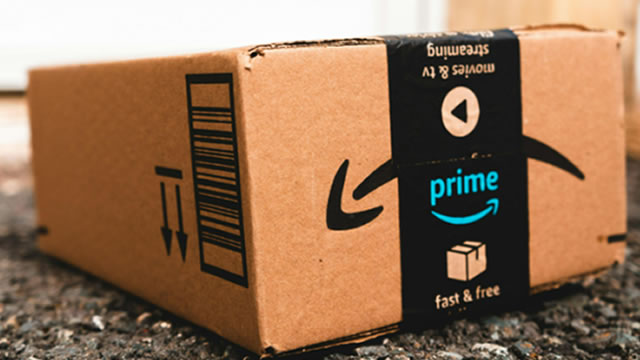
Core Insights - Amazon has launched its first Amazon Now site in the U.K., providing quick delivery services for groceries and everyday essentials [1][3] - The service allows for deliveries in as fast as 30 minutes in the Southwark area of London, following similar tests in Seattle and Philadelphia [3][4] Group 1: Quick Commerce Expansion - The initiative began in May 2025, originating from discussions in Bangalore about learning from markets like India and the UAE to bring quick commerce to Europe [3] - Amazon's operations lead for EU quick commerce highlighted the successful launch of the service for London customers [2][3] Group 2: Operational Strategy - Amazon is utilizing smaller, specialized facilities for efficient order fulfillment, strategically located near customer residences and workplaces [4] - This strategy aims to enhance employee safety, reduce delivery distances, and enable faster delivery times [4] Group 3: Retail Strategy and Competition - Amazon announced a new 229,000-square-foot megastore in Chicago, merging elements of a supermarket, big-box retailer, and showroom [6][7] - The size of the store indicates Amazon's view of physical retail as a critical component of its ecosystem rather than just a complement to eCommerce [7] - Physical stores provide advantages such as immediacy, sensory engagement, and serve as fulfillment hubs, returns centers, and data collection points [8]


Alibaba Pushes Quick Commerce Hard: Is Margin Pressure Mounting?
ZACKS· 2026-01-19 19:00
Core Insights - Alibaba (BABA) is focusing on quick commerce as a significant growth driver, with revenues increasing by 60% year-over-year in Q2 of fiscal 2026, attributed to strong order momentum and the expansion of Taobao Instant Commerce [1][9] - The company is facing challenges in profitability due to heavy spending on subsidies, logistics, and user experience, particularly in the China e-commerce segment, which saw EBITA decline by 76% year-over-year in Q2 of fiscal 2026 [2][9] - Sales and marketing expenses have surged to nearly 27% of revenues, reflecting intense competition in the instant delivery and local commerce markets, while cash flow has deteriorated due to ongoing investments in quick commerce [3][9] Financial Performance - The adjusted EBITA is expected to fluctuate in the coming quarters due to high competition and investment levels, indicating that margin pressure may persist longer than anticipated [4] - BABA shares have increased by 37.5% over the past six months, outperforming the Zacks Internet – Commerce industry growth of 3.1% and the Zacks Retail-Wholesale sector growth of 6.4% [7] - The current forward 12-month Price/Earnings ratio for BABA is 20.04X, compared to the industry's 24.97X, with a Value Score of F [11] Competitive Landscape - JD.com poses significant competition to Alibaba with a self-operated, price-competitive model, achieving a revenue growth of 14.9% to RMB299.1 billion in Q3 of 2025, despite higher logistics costs [5] - PDD Holdings intensifies competition through a low-cost, social commerce model, demonstrating strong revenue growth and net income gains, which pressures Alibaba's core platforms [6] Earnings Estimates - The Zacks Consensus Estimate for fiscal 2026 earnings is $6.10 per share, reflecting a 32.3% year-over-year decline and a 5% decrease over the past 30 days [14]


10-minute delivery: What if quick commerce isn’t that quick anymore?
The Economic Times· 2026-01-13 14:33
Core Viewpoint - The Indian quick commerce industry is undergoing a significant shift as major platforms like Blinkit, Swiggy Instamart, and Zepto remove the "10-minute delivery" promise from their branding, reflecting a maturation of the market and a focus on worker safety and sustainable practices [1][16][17] Industry Response - Blinkit has revised its tagline from "10,000+ products delivered in 10 minutes" to "30,000+ products delivered at your doorstep," with other platforms expected to follow suit [1][16] - The government's intervention was prompted by nationwide strikes from gig worker unions, highlighting concerns over worker safety and the pressures of extreme delivery promises [2][16] Marketing and Operational Implications - The "10-minute delivery" claim was never a contractual guarantee, and actual delivery times are dynamic, influenced by various factors [5][16] - Executives believe that removing the tagline will not materially impact operations, as deliveries can still be completed in four to five minutes in urban areas [6][16] - The removal of the tagline is seen as an optics-driven change rather than a fundamental alteration to business operations, allowing companies to focus on consistency rather than aggressive marketing [7][8] Competitive Landscape - Despite the removal of the explicit promise, competition among quick commerce platforms is expected to remain intense, as speed is crucial for maintaining market share against traditional e-commerce players [9][16] - The absence of a strict time benchmark may shift competitive focus from speed to reliability, service quality, and product assortment [10][16] Market Growth Potential - The Indian quick commerce industry is projected to grow from $6 billion in FY25 to $47 billion by FY30, with market penetration in top cities increasing significantly [12][16] - The number of dark stores is expected to triple to 7,500 by 2030, supporting the industry's expansion beyond groceries into various product categories [12][13][16] Future Outlook - The decision to drop the 10-minute delivery promise signifies a shift towards prioritizing execution, safety, and sustainability in the quick commerce sector [14][17] - Companies may increasingly rely on localized campaigns and operational efficiency rather than dramatic delivery claims to attract customers in less penetrated markets [13][16]

X @Bloomberg
Bloomberg· 2025-12-15 12:04
In today India’s Edition, Menaka Doshi writes on the country’s export resilience and Sankalp Phartiyal looks at the rising competition in the quick commerce space https://t.co/nFQcEQZZht ...
X @Bloomberg
Bloomberg· 2025-12-09 05:20
India’s biggest quick commerce player says the sector is headed toward a shakeout https://t.co/5Mi1i5n4dp ...
美团- 投资者日亮点:依托 GTV 规模优势维持单位经济优势;评级:买入
2025-12-03 02:16
Summary of Meituan's Conference Call Company Overview - **Company**: Meituan (3690.HK) - **Industry**: E-commerce and Food Delivery Key Points and Arguments Competitive Landscape and Unit Economics - Meituan is confident in achieving long-term EBIT of Rmb1 per order by maintaining a unit economics advantage over peers, driven by: 1. Higher commission revenue per order from increased Average Order Value (AOV) 2. Lower subsidy rates due to a higher-quality user mix 3. Reduced delivery costs per order from greater order density and improved algorithms - The rider cost advantage has narrowed due to increased competition and volume growth during the subsidy war [5][6] Order Volume Growth Projections - Goldman Sachs forecasts a 10% growth in order volume for Q4 2025 and 6% for FY 2026, anticipating a gradual reduction in subsidies post-Singles Day festival [5][6] Instashopping Growth Outlook - Instashopping maintains leading market share in order volume and Gross Transaction Value (GTV), with a projected order volume growth of 31% for Q4 2025, despite a sequentially larger operating loss of -Rmb1.6 billion due to investments for user experience enhancement [5][6] In-store Competition and Margin Trajectory - The in-store segment faces evolving competition, leading to a decline in EBIT margins due to slower liquor demand and reduced spending from fast food chains [6] - Long-term EBIT margin for the in-store, hotel, and travel (IHT) segment is expected to stabilize at 30-35% [6] Overseas Expansion and New Initiatives - Meituan plans to prioritize resource allocation for overseas expansion in Kuwait, UAE, and Brazil, while maintaining investment levels for new initiatives in FY 2026 [6] - Forecasted losses for Keeta's expansion are projected at -Rmb3.9 billion for Q4 2025 and -Rmb8.0 billion for FY 2026 [6] Price Target and Investment Rating - Goldman Sachs maintains a "Buy" rating on Meituan with a 12-month price target of HK$120, indicating a potential upside of 20.5% from the current price of HK$99.55 [12][15] Important but Overlooked Content - Key downside risks include: - Increased competition affecting growth and profit turnaround - Labor cost inflation and operational efficiencies - Food safety concerns and stricter regulations - Higher-than-expected investments in Keeta [8][14] Financial Projections - Group revenue is projected to grow from Rmb337.6 billion in 2023 to Rmb408.1 billion in 2026, with an expected adjusted EBIT margin recovery over the next few years [11][15] Conclusion - Meituan is positioned to leverage its competitive advantages in the food delivery and e-commerce sectors, with a focus on maintaining unit economics and expanding into new markets while managing risks associated with competition and operational costs.

美团-2025 年第三季度:亏损收窄幅度超预期;财报电话会要点;给予 “买入” 评级
2025-12-01 00:49
Meituan (3690.HK) 3Q25 Earnings Call Summary Company Overview - **Company**: Meituan (3690.HK) - **Industry**: E-commerce and local services in China Key Financial Highlights - **Adjusted Operating Loss**: Rmb -17.5 billion, better than Goldman Sachs estimate (GSe) of Rmb -18.8 billion [1] - **Core Local Commerce (CLC) Loss**: Rmb -14.1 billion, above GSe of Rmb -15.1 billion but below Visible Alpha consensus of Rmb -13.1 billion [1] - **New Initiatives Loss**: Rmb -1.3 billion, better than both GSe and Visible Alpha consensus (GSe: Rmb -2.3 billion) [1] - **3Q25 Net Revenue**: Rmb 95.488 billion, a 2% increase year-over-year [16] - **Adjusted EBITDA**: Rmb -14.842 billion, a decline of 202% year-over-year [16] Competitive Landscape - **Food Delivery Competition**: Intensity has decreased post-Singles' Day festival, with Meituan regaining market share [8] - **Long-term Competition Outlook**: Expected to shift from capital-driven to efficiency-driven, focusing on high-quality orders and fast delivery [8] - **Instashopping Losses**: Anticipated to widen in 4Q due to increased investment in user experience and supply-side operations [9] Segment Performance - **Core Local Commerce**: Revenue declined by 3% year-over-year, with a significant loss in adjusted EBIT margin [19] - **Food Delivery**: Estimated losses of Rmb -20 billion, compared to Alibaba's Rmb -36 billion [7] - **In-store, Hotel & Travel (IHT)**: EBIT margin fell to around 28%, with growth moderating to high-teens percentage [7] - **New Initiatives**: Revenue growth of 16% to Rmb 28.0 billion, driven by grocery retail and overseas expansion [7] Technology and AI Initiatives - **AI Strategies**: Development of AI models and chatbots to enhance user experience and support local services [11] International Expansion - **Keeta**: Achieved profitability in Hong Kong ahead of schedule, with plans to expand into the Middle East and Brazil [12] Future Outlook - **4Q25 Expectations**: Anticipated narrowing of losses, with a focus on improving average order value (AOV) and managing competition [19] - **Long-term Growth Drivers**: Expected recovery in profits over 2026-27, supported by AI applications and new market entries [14] Risks - **Key Risks Identified**: Increased competition, labor cost inflation, and food safety concerns [15] Investment Recommendation - **Rating**: Buy with a 12-month price target of HK$139, indicating a potential upside of 35.6% from the current price of HK$102.50 [19]