脑机接口技术

Search documents
【中国青年报】90后科研伉俪“脑机”筑梦
Zhong Guo Qing Nian Bao· 2025-12-22 06:49
Core Viewpoint - The article highlights the significant advancements in invasive brain-computer interface (BCI) technology led by researchers Zhao Zhengtuo and Li Xue, showcasing their successful clinical trials that enable paralyzed patients to control devices using their thoughts, thus improving their quality of life [1][3][17]. Group 1: Clinical Trial Achievements - The second clinical trial demonstrated that a patient with high-level paraplegia could control a smart wheelchair and a robotic dog using only their thoughts, marking a breakthrough in BCI applications [1][4][17]. - The patient, who suffered from spinal cord injury, was able to control electronic devices like computers and tablets within 2-3 weeks of training after receiving the BCI implant [5][17]. - The technology evolved from controlling virtual devices to interacting with physical objects, allowing the patient to navigate real-world environments [6][7]. Group 2: Research and Development Approach - Zhao and Li emphasize the importance of addressing real-life problems faced by patients rather than merely showcasing technological capabilities [8][10]. - Their research approach has shifted from basic research to focusing on practical applications that enhance patients' daily lives, driven by the needs expressed by patients [9][10]. - The team has developed a flexible electrode that is less invasive, allowing for easier implantation compared to competitors, which is crucial for patient safety and comfort [14][15]. Group 3: Future Prospects and Vision - The researchers envision that BCI technology will not only assist patients with mobility issues but could also be applied in areas such as artificial sensory restoration and treatment of neurological disorders in the future [19][20]. - They aim for BCI devices to become as ubiquitous as smartphones, ensuring that anyone in need can benefit from this technology [20][21]. - The team is committed to continuous improvement and adaptation of their technology to meet evolving patient needs and to foster collaboration with various stakeholders in the healthcare and technology sectors [16][19].

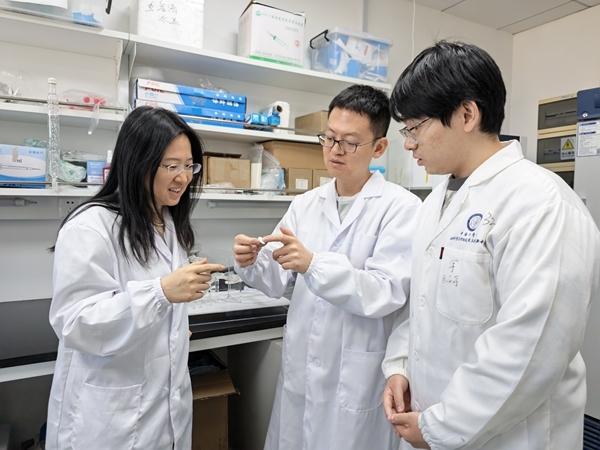
90后科研伉俪“脑机”筑梦
Zhong Guo Qing Nian Bao· 2025-12-21 20:32
Core Insights - The article highlights the advancements in invasive brain-computer interface (BCI) technology led by researchers Zhao Zhengtuo and Li Xue, showcasing their successful clinical trials that enable paralyzed patients to control smart devices using their thoughts [2][16]. Group 1: Clinical Trials and Patient Outcomes - The second clinical trial demonstrated that a patient with high-level paraplegia could control a smart wheelchair and a robotic dog, significantly improving their quality of life [2][16]. - The patient initially trained to control electronic devices like a computer cursor and tablet, but the focus shifted to interacting with the physical world, expanding their living boundaries [3][4]. - The team observed a neural mechanism where the patient's brain activity became more efficient over time, allowing for seamless control of external devices [4][5]. Group 2: Research and Development Approach - The research team emphasizes solving real-life problems for patients rather than merely showcasing technology, focusing on practical applications like wheelchair mobility and robotic assistance [6][8]. - The development process involves close collaboration with clinical settings, ensuring that the technology meets the actual needs of patients [9][10]. - The team has adopted a "lab-to-bedside" approach, refining their technology based on real-world testing and patient feedback [9][10]. Group 3: Technological Innovations - The BCI system developed by the team features flexible electrodes that are less invasive, allowing for implantation through a small puncture, which minimizes trauma [13][14]. - The technology aims to integrate with common household devices, making it accessible and beneficial for a broader range of patients [15][16]. - The researchers are focused on creating a universal interface that allows various smart devices to connect with the BCI system, enhancing its utility [15]. Group 4: Future Prospects and Vision - The team envisions that BCI technology will evolve to assist not only patients with mobility issues but also in areas like sensory restoration and treatment of neurological disorders [18][19]. - They aim for BCI devices to become as ubiquitous as smartphones, ensuring that anyone in need can benefit from the technology [19][20]. - The researchers are optimistic about the long-term potential of BCI, predicting significant advancements in the next decade that will integrate artificial intelligence with human cognitive functions [20].

“脑电采集装置和脑电采集设备”发明专利成功获批
Zheng Quan Ri Bao Wang· 2025-12-21 11:40
Core Viewpoint - Beijing Brain Link Technology Co., Ltd. has officially received authorization for its invention patent on "EEG acquisition devices," marking a significant milestone in strengthening its foundational capabilities and enhancing its brain-computer interface platform [1] Group 1: Patent and Technology Development - The approval of the patent is crucial for the company as it directly impacts the reliability of data analysis and application effects in neuroscience research, brain disease assessment, and neurorehabilitation [1] - The patent will further enhance the company's core technology system, establishing a solid technical barrier for future product upgrades and market expansion [1] Group 2: Future Plans and Market Application - Based on the patented technology, the company plans to accelerate the commercialization of its products, providing superior EEG acquisition solutions for medical institutions, research organizations, and rehabilitation populations [1] - The company aims to better serve real-world applications of brain science technology through its innovative solutions [1] Group 3: Company Background - Established in March 2024, the company focuses on the independent innovation and industrialization of brain-computer interface technology [1] - The company collaborates with senior teams from domestic universities and research institutions to conduct in-depth research on neuroscience and related technologies [1]
脑机接口临床试验取得新进展
Xin Lang Cai Jing· 2025-12-19 19:25
Core Insights - The research team from the Chinese Academy of Sciences has successfully completed the second clinical trial of an invasive brain-machine interface (BMI) that allows a high-level paraplegic patient to control a smart wheelchair and robotic dog using brain signals [1][2] - The technology aims to establish a direct communication channel between the brain and external devices, overcoming challenges in integrating this technology into patients' daily lives [1] Group 1: Technological Breakthroughs - The research team developed a high-compression, high-fidelity neural data compression technology, enhancing brain control performance by 15% to 20% even in noisy environments [2] - The introduction of "neural manifold alignment technology" allows for the extraction of stable low-dimensional features from high-dimensional dynamic neural signals, improving the decoder's adaptability to environmental changes [2] Group 2: Performance Enhancements - The end-to-end delay from signal acquisition to command execution has been reduced to under 100 milliseconds, providing a smoother and more natural control experience for patients [2] - The team has innovated an "online recalibration technology" that allows real-time adjustments to decoding parameters during daily use, ensuring sustained high performance without interrupting the patient's operation [2] Group 3: Future Developments - A new upgraded version of the system (WRS02) has been launched, with further performance improvements, and the team plans to conduct the first clinical trial of this version soon [2]
强脑科技CEO韩璧丞:在香港,创新正加速涌动
Zhong Guo Ji Jin Bao· 2025-12-19 07:00
Group 1: Event Overview - The first Hong Kong International AI Art Festival opened with a speech by the CEO of Qiangnao Technology, highlighting the acceleration of innovation in Hong Kong [1] - The festival's theme is "Envisioning the Future: Reality and Boundlessness," and the CEO delivered a talk titled "Brain-Computer Interface: A Century-Long Project of Humanity" [1] Group 2: Company Developments - Qiangnao Technology has officially settled in Hong Kong Cyberport, emphasizing Hong Kong's vibrant and culturally diverse environment [2] - The company aims to bring its leading non-invasive brain-computer interface technology to Hong Kong and establish a robust industrial ecosystem [2] Group 3: Technology and Applications - Qiangnao Technology focuses on becoming a global leader in non-invasive brain-computer interface solutions, with advantages in rehabilitation, health, human-computer interaction, and more [4] - The brain-computer interface technology is recognized as a platform technology applicable in various fields, including medical, educational, and entertainment sectors [4] - The company plans to assist 1 million individuals with physical disabilities, 10 million patients with brain diseases, and 100 million people to experience the convenience of brain-computer interface products over the next 5 to 10 years [4] Group 4: Product Recognition - The company's smart bionic hand has received multiple accolades, including being the first brain-computer interface prosthetic approved by the FDA and being recognized as one of TIME magazine's best inventions of the year [6] - These recognitions signify the transition of brain-computer interfaces from laboratory settings to real-world applications [6] Group 5: Cultural and Artistic Integration - The successful hosting of the Hong Kong International AI Art Festival marks a new exploration in the integration of cultural innovation and technology [7] - The CEO emphasized the convergence of art and science, quoting Gustave Flaubert to illustrate that both fields are increasingly interlinked [7] - A notable demonstration included a young user with a disability who was able to paint again using Qiangnao Technology's smart bionic hand, showcasing the potential of technology to restore creativity [8]

强脑科技CEO韩璧丞:在香港,创新正加速涌动
中国基金报· 2025-12-19 06:51
强脑科技正式入驻香港数码港 " 我们已经正式入驻香港数码港。 " 韩璧丞表示,香港是一个非常有活力、融合了东西方智慧的地方。 韩璧丞表示,强脑科技从波士顿的哈佛实验室起步,逐步走向奥斯汀、深圳、杭州,现在来到香港。强脑科技希望能把全球领先的脑机接 口技术带到香港,并在香港建立一个很好的产业生态。 【导读】首届香港国际 AI 艺术节开幕,强脑科技 CEO :在香港,创新正加速涌动 中国基金报记者 邱德坤 " 在香港,我们看到的,不只是金融的流动,还有创新正加速涌动。 " 在 12 月 19 日举行的首届香港国际 AI 艺术节开幕式上,强脑科技 创始人兼 CEO 韩璧丞发表演讲称。 首届香港国际 AI 艺术节由紫荆文化集团主办,主题为 " 预见未来:现实与无界 " 。在开幕式上,韩璧丞发表题为《脑机接口 —— 人类的 百年工程》的演讲。 来源:强脑科技 公司官网显示,强脑科技致力于成为全球领先的非侵入式脑机接口技术解决方案供应商,在康复、大健康、人机交互等领域具有优势。 脑机接口技术作为平台性技术,可以应用在人机交互及工业应用、医疗、教育、健康、娱乐等领域。在 " 十五五 " 规划建议中,脑机接口 技术被列为六大 ...

念起物从 脑机接口拓展患者生活边界
Ke Ji Ri Bao· 2025-12-19 00:32
Core Insights - The recent successful experiment involving a paralyzed patient controlling an electric wheelchair and a robotic dog through an invasive brain-computer interface (BCI) marks a significant advancement in China's BCI research, moving beyond basic interaction capabilities to enhancing patients' real-life experiences [1][2] Group 1: Technological Advancements - The experiment demonstrates a shift from controlling symbols on a screen to interacting with physical entities, indicating a broader application of BCI technology [1] - The technology aims to restore dignity, autonomy, and social participation for patients, transforming their quality of life by enabling them to engage in everyday activities [1] Group 2: Policy and Development Path - China's development path in BCI is becoming clearer, with national ethical guidelines and multi-departmental initiatives promoting innovation while ensuring ethical standards [2] - The collaborative model of "research-clinical-industry" is accelerating the transition from scientific discovery to real-world benefits for patients [2] Group 3: Future Challenges - Despite the progress, challenges remain in ensuring the long-term safety, system stability, and affordability of invasive BCIs, as well as improving the precision of neural signal interpretation and human-machine interaction [2]
【新华社】拓展患者现实生活!脑机接口临床试验新进展
Xin Hua She· 2025-12-18 03:11
Core Insights - The recent clinical trial by the Chinese Academy of Sciences has successfully demonstrated a brain-computer interface (BCI) that allows a quadriplegic patient to control a smart wheelchair and a robotic dog using only their thoughts, marking a significant advancement in rehabilitation technology [2][4]. Group 1: Technological Advancements - The BCI technology aims to establish a direct communication channel between the brain and external devices, overcoming previous challenges in integrating technology into patients' daily lives [4]. - The research team achieved a breakthrough from "2D interaction" to "3D expansion," enhancing the practical application of BCI in real-world scenarios [4]. - A series of technical breakthroughs were made, including the development of high-compression, high-fidelity neural data compression technology and a hybrid decoding model that improves brain control performance by over 15% even in noisy environments [4]. Group 2: Clinical Application and Future Prospects - The clinical trial, set to continue until 2025, is a collaboration between the Chinese Academy of Sciences, Fudan University Huashan Hospital, and related enterprises, indicating a strong commitment to advancing BCI technology [4]. - The introduction of "neural manifold alignment technology" allows for the extraction of stable features representing core intentions from variable neural signals, enhancing the system's reliability in everyday use [4]. - The ongoing development of BCI technology is supported by national policies and ethical guidelines, paving the way for a safer and more effective integration of BCI into clinical applications [5].
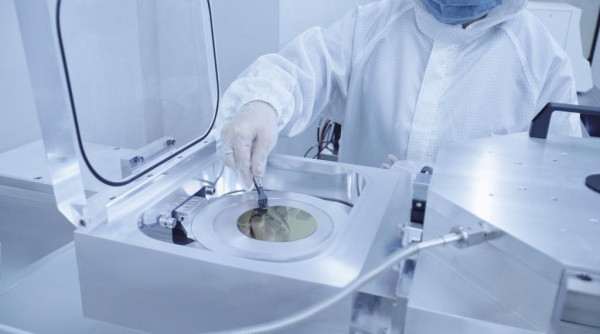
帮助高位截瘫患者稳定操控智能轮椅与机器狗我国侵入式脑机接口技术迎来新突破
Huan Qiu Shi Bao· 2025-12-17 12:55
Core Insights - The article discusses the successful completion of China's second invasive brain-computer interface (BCI) clinical trial, enabling a high-level paraplegic patient to control a smart wheelchair and robotic dog using brain signals [1][6][8]. Group 1: Clinical Trial Achievements - The second invasive BCI trial demonstrated the ability of a patient with high-level paraplegia to control devices in real-life scenarios, marking a significant advancement from previous trials focused on electronic device control [8]. - The patient, who suffered from spinal cord injury, underwent training that allowed him to control devices with minimal delay, achieving a control experience that felt natural and intuitive [8][9]. Group 2: Technological Innovations - The research team developed a high-compression, high-fidelity neural data compression technology, improving brain control performance by 15%-20% even in noisy environments [6][7]. - Innovations included "neural manifold alignment technology" to enhance stability in real-world environments and "online recalibration technology" for continuous system optimization during use [7][9]. Group 3: Future Developments - The team has announced an upgraded BCI system (WRS02) with enhanced capabilities, including an increase in channel count to 256, with the first clinical trial planned soon [9]. - Future applications of BCI technology are expected to expand into areas such as sensory restoration and precise control of neurological disorders within the next five years [12][13]. Group 4: Societal Impact - The research team is collaborating with local disability organizations to enable patients to participate in online data annotation work, transforming them from recipients of care to contributors to society [10][12]. - The integration of BCI technology with external smart devices is seen as crucial for enhancing patient quality of life and achieving broader societal benefits [12].
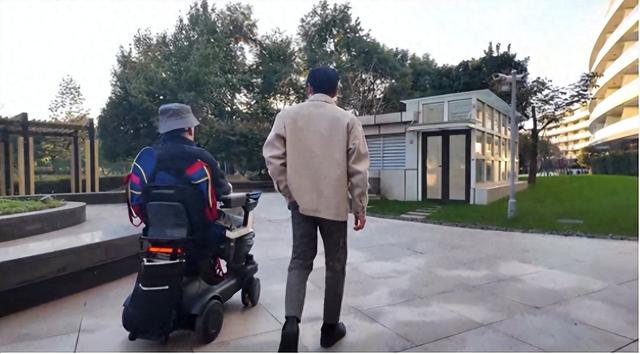
科学与健康|拓展患者现实生活!脑机接口临床试验新进展
Xin Hua She· 2025-12-17 12:46
这是脑智卓越中心微纳电子加工平台加工侵入式脑机接口柔性电极。(受访者供图) "我们希望技术真正走向临床,解决患者生活中的具体问题。"项目负责人、中国科学院脑科学与智能技 术卓越创新中心研究员赵郑拓说,此次试验,实现了从"二维交互"到"三维拓展"的突破。 为实现稳定控制,研究团队取得了系列技术突破。他们开发了高压缩比、高保真的神经数据压缩技术, 并创新性地融合了两种解码方式。这套混合解码模型即便在神经信号相对嘈杂的环境中,也能高效提取 有效信息,将脑控性能整体提升15%以上。 一位四肢瘫痪的患者凭意念操控智能轮椅在小区遛弯、指挥机器狗取回外卖……这是中国科学院科研团 队近期完成的脑机接口临床试验场景。这一幕,超越了传统康复的想象,在技术上将二维的屏幕光标控 制,带入了三维的物理世界交互。 12月17日,中国科学院脑科学与智能技术卓越创新中心在上海召开新闻发布会,介绍了团队侵入式脑机 接口临床试验最新进展。 脑机接口技术,旨在建立大脑与外部设备间的直接通信通道。此前,全球多个科研团队已展示过意念打 字、控制机械臂等成果。但如何让技术稳定融入患者日常生活,始终面临挑战。 2025年,在中国科学院脑科学与智能技术卓越 ...