铭记历史

Search documents
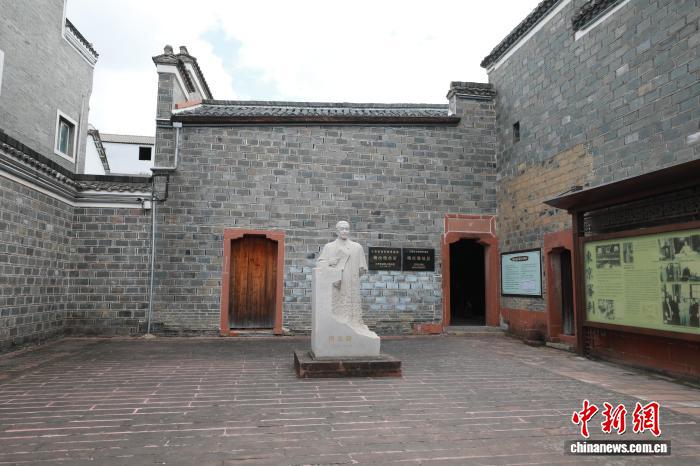
在梅汝璈故居回望东京审判:“断不使战争元凶逃脱法网!”
Zhong Guo Xin Wen Wang· 2025-08-14 02:04
Core Viewpoint - The article highlights the historical significance of Mei Ruoliao's role in the Tokyo Trials, emphasizing his determination to seek justice for the victims of Japanese aggression during World War II [1][2]. Group 1: Historical Context - The Tokyo Trials began in 1946, following Japan's unconditional surrender on August 15, 1945, and lasted over two years, with 818 court sessions and more than 1,200 pages of verdicts [1]. - Mei Ruoliao, a Chinese judge, was committed to ensuring that war criminals were held accountable, stating, "I will not let the war criminals escape the law" [1]. Group 2: Mei Ruoliao's Contributions - Mei Ruoliao argued for the death penalty for seven Japanese Class A war criminals, achieving a narrow vote of 6 to 5 in favor of execution [2]. - He also advocated for a separate chapter in the verdict to address the Nanjing Massacre, which was accepted by the court [2]. Group 3: Legacy and Education - Mei Ruoliao's descendants, particularly Mei Tingjun, continue to educate the public about this historical period, emphasizing the importance of remembering past sufferings to prevent future tragedies [4]. - Since its opening in 2013, Mei Ruoliao's former residence has welcomed over 100,000 visitors, reflecting a growing interest in this historical narrative [5].

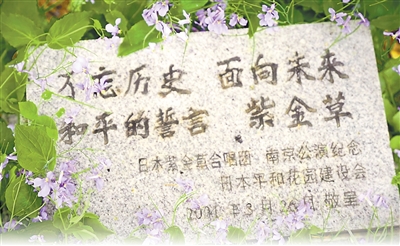
听,“紫金草”唱出的和平之声(铭记历史 开创未来)
Ren Min Ri Bao· 2025-08-12 22:29
Core Viewpoint - The article highlights the efforts of the Japanese Zijingcao Choir in promoting peace and remembering the history of the Nanjing Massacre through music and cultural exchange, emphasizing the importance of historical reflection and reconciliation between Japan and China [14][20][21]. Group 1: Historical Context - The Zijingcao flower, also known as the February orchid, symbolizes peace and hope, having bloomed amidst the devastation of the Nanjing Massacre [14][22]. - The Zijingcao Choir was established in 1998 to unite individuals who advocate for peace and oppose war, using music to convey historical narratives [16][17]. - The choir's name is derived from the Zijingcao flower, which was brought back to Japan by a Japanese individual as a symbol of remorse for the atrocities committed during the invasion [15][16]. Group 2: Cultural Activities - The choir has performed hundreds of concerts across Japan and internationally, including 13 performances in China and the United States, to raise awareness about the Nanjing Massacre [16][21]. - Recent performances include a concert titled "Remembering History, Cherishing Peace," showcasing the choir's commitment to educating audiences about the past [6][21]. - The choir members, primarily elderly, continue to perform despite health challenges, demonstrating their dedication to the message of peace [17][21]. Group 3: Personal Stories and Reflections - Members of the choir share personal stories related to the war, including experiences of loss and the impact of the war on their lives, reinforcing the emotional weight of their performances [18][19]. - The choir's former president, now 95, reflects on the importance of acknowledging the past and the need for sincere apologies to the victims of war [18][23]. - The choir's activities are supported by individuals who have dedicated their lives to promoting peace and educating future generations about the consequences of war [22][24].
中国驻加拿大使馆举办电影《南京照相馆》观影会
Xin Hua Wang· 2025-08-12 01:10
会上,各界人士被电影及图片展所展现的中华民族在绝境中坚韧不屈的精神深深感动,纷纷表达铭记历 史、缅怀先烈、珍爱和平、开创未来的决心和信心。 新华网渥太华8月11日电(记者林威)中国驻加拿大使馆近日举办电影《南京照相馆》观影会。加各界 逾200人出席,共同纪念中国人民抗日战争暨世界反法西斯战争胜利80周年。 中国驻加拿大大使王镝在观影会上强调,中国人民抗日战争是世界反法西斯战争东方主战场。中国人民 付出3500多万军民伤亡的巨大牺牲,为世界反法西斯战争胜利作出了巨大贡献,其中也得到了加拿大人 民的支持。希望两国共同怀念捍卫正义与和平的英雄,坚定推动中加关系健康稳定向前发展,携手维护 世界和平、促进共同繁荣。 渥太华居民乔治·塞邦尼迪斯在观影后说要让身边更多的加拿大人走进影院观看这部影片。"不仅仅是用 眼睛'看'电影,更重要是用心'感同身受',或者用一个更重要的词——'见证'这段可怕的历史。"他说。 ...
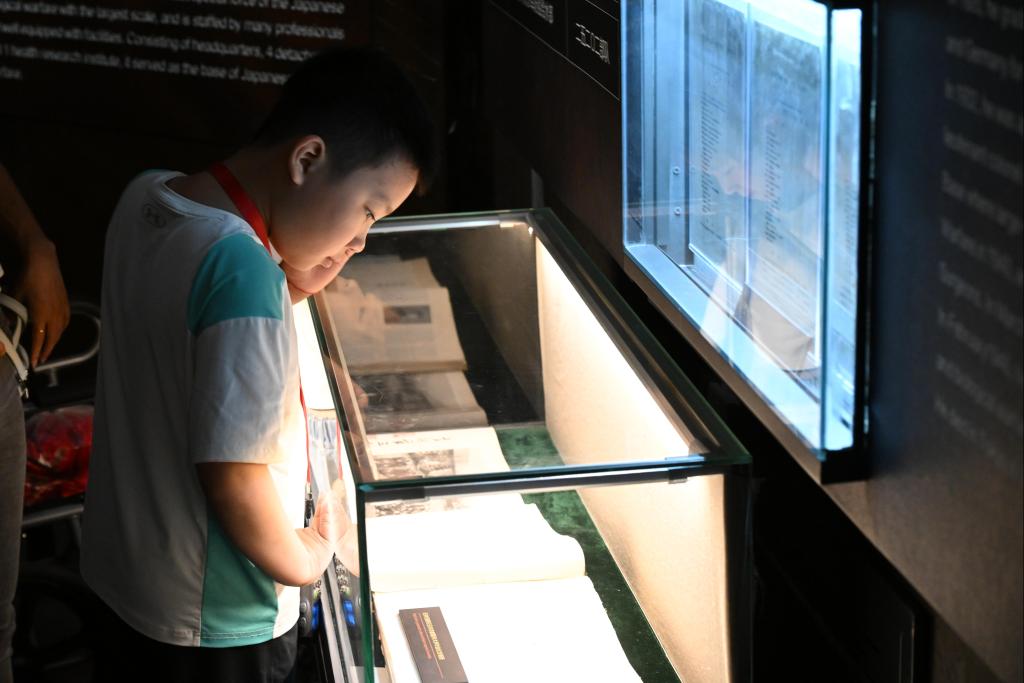
暑期研学:探寻“黑匣子”里的731真相
Xin Hua Wang· 2025-08-09 07:20
Core Viewpoint - The 731 Unit Evidence Exhibition Hall in Harbin attracts numerous visitors, highlighting the historical atrocities committed by the Japanese during the invasion of China, particularly focusing on biological warfare and human experimentation [1][2]. Group 1: Exhibition Details - The 731 Unit, known as the "Devil's Unit," was a base for conducting biological warfare and human experiments during the Japanese invasion of China [2]. - The exhibition hall, resembling an airplane "black box," has been established for nearly 10 years and is recognized as a national patriotic education demonstration base [2]. - A significant artifact on display is an electric incubator used for breeding plague bacteria, which serves as a concrete evidence of the unit's inhumane experiments [2]. Group 2: Visitor Experience - Visitors, including families and students, express shock and heaviness upon viewing the exhibits, which include surgical instruments and remnants of biological weapons [4][6]. - The hall has seen a surge in visitors during the summer, with daily attendance reaching up to 9,000, and an average of over 7,000 visitors per day this year [8]. - Educational groups, particularly children aged 6 to 14, are frequent visitors, emphasizing the importance of understanding historical events [8]. Group 3: Historical Context and Impact - The exhibition features testimonies from former members of the 731 Unit, detailing their involvement in human dissection and biological warfare, which deeply impacts visitors [6]. - The hall serves as a reminder of the atrocities committed, with over 3,000 victims from China, the Soviet Union, and Korea losing their lives due to the unit's actions [6]. - The exhibition aims to educate visitors about the past, fostering a sense of responsibility and awareness for future generations [12].
《南京照相馆》加拿大首映 观众深受触动
Yang Shi Xin Wen· 2025-08-09 02:30
Core Viewpoint - The film "Nanjing Photo Studio" serves as a significant medium for international audiences, particularly in Canada, to understand the brutal history of the Nanjing Massacre that occurred in December 1937 [1][2]. Group 1: Film Premiere and Audience Reaction - The film premiered on August 7 in major Canadian cities including Ottawa, Toronto, and Vancouver, with over 300 attendees in Vancouver, including representatives from the Chinese consulate and local Chinese communities [1]. - Audience members expressed deep emotional responses, with many in tears after the screening, highlighting the film's powerful portrayal of historical events [1]. - John Reynolds, a Toronto resident, felt shocked and guilty for not knowing about the Nanjing Massacre, emphasizing that Canadian history often overlooks this significant event and the sacrifices made by China during the war [2]. Group 2: Historical Significance and Future Screenings - The film is seen as a vital opportunity for Canadians and North Americans to learn about the Nanjing Massacre, which is often absent from educational materials [1][2]. - The Chinese Consulate in Vancouver stressed the importance of remembering history not to perpetuate hatred but to learn from it and promote peace, reflecting on the shared history of China and Canada during World War II [2]. - Additional screenings of "Nanjing Photo Studio" are scheduled in Saskatoon on August 10 and Calgary on August 11, with a wider release in major Canadian cities on August 15 [2].
《南京照相馆》北美首映引发强烈情感共鸣
Xin Hua Wang· 2025-08-08 01:40
Group 1 - The film "Nanjing Photo Studio" premiered in North America on August 6, 2023, in Alexandria, Virginia, evoking strong emotional responses from the audience [1] - Audience members expressed a desire for more people to see the film to ensure the memory of the Nanjing Massacre is preserved [1] - The film serves as a reminder of the atrocities committed by the Japanese army in Nanjing, with calls for it to be translated into multiple languages for wider awareness [1] Group 2 - Chinese Ambassador to the U.S. Xie Feng attended the premiere and emphasized the film's role in reflecting on the darkest corners of history and the importance of peace [2] - Xie Feng highlighted the historical cooperation between China and the U.S. during the Anti-Japanese War and the World Anti-Fascist War, advocating for a future of mutual respect and cooperation [2] - The ambassador stressed that remembering history is essential for progress and that both nations should work together to avoid conflict [2]
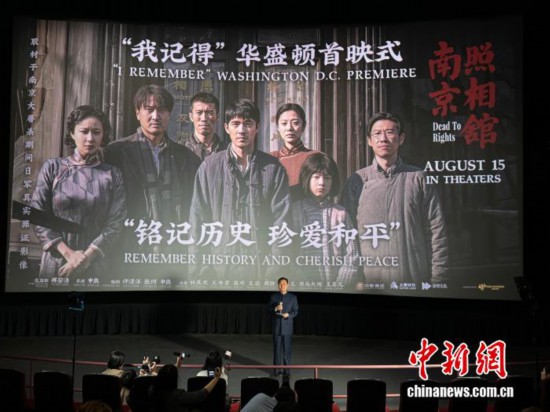
《南京照相馆》举行北美首映式 中国驻美大使谢锋出席
Zhong Guo Xin Wen Wang· 2025-08-08 01:12
这部电影取材于南京大屠杀期间日军真实罪证影像,聚焦于一家名为"吉祥照相馆"的避难所,讲述 了馆内的老百姓起初只想在大屠杀中保命,却意外冲印出证明日军屠城罪证照片的故事。该片自7月25 日在中国上映以来反响热烈。 谢锋在电影开场前致辞中说,《南京照相馆》跨越时空,映照出历史深处最黑暗的角落,也折射出 人性最耀眼的光辉,时刻提醒我们战争的残酷、和平的宝贵,提醒我们以史为鉴、开创未来。 中新社华盛顿8月7日电 (记者 沙晗汀)《南京照相馆》北美首映式当地时间6日晚在美国首都华盛顿 附近的弗吉尼亚州亚历山德里亚一家影院举行。中国驻美国大使谢锋应邀出席首映式,与华侨华人、各 界人士等一道观影。 谢锋说,全体中华儿女以顽强意志、英勇斗争和巨大牺牲赢得了抗日战争的伟大胜利,为世界反法 西斯战争胜利作出了彪炳史册的历史贡献。任何歪曲二战历史真相的图谋,14亿多中国人民都不会答 应;任何开历史倒车的行径,世界上爱好和平的人民都不会答应。 当地时间8月6日晚,《南京照相馆》北美首映式在美国首都华盛顿附近的弗吉尼亚州亚历山德里亚一家 影院举行。中国驻美国大使谢锋应邀出席首映式,与华侨华人、各界人士等一道观影。图为中国驻美国 大使谢 ...
“这段历史不应该被遗忘”
Ren Min Ri Bao· 2025-08-07 22:40
马库斯的母亲西尔维也表示:"被屠杀、被伤害的遭遇不应被忽视,这段历史不应该被遗忘。我们把照 片赠给中国,希望让更多的人看到真相。" 今年以来,马库斯和朋友走访了北京、上海、山东等地多座抗战纪念场馆,对于中国抗战历史有了进一 步了解。"这些参访,让我们能更系统地去理解这段历史。讲述这段历史,是为了更好地记住。"马库斯 说,希望通过捐赠这些照片,推动更多的西方人特别是年轻人了解这段历史。 (本报上海、巴黎8月7日电) 《 人民日报 》( 2025年08月08日 03 版) 当地时间8月4日下午,中国驻法国大使馆举行法国友人马库斯·德雷特斯向中方捐赠抗战历史照片交接 仪式。马库斯从中国驻法国大使馆公使陈栋手中接过了上海淞沪抗战纪念馆的捐赠证书、感谢信等文 件。感谢信中说:"这些照片真实记录了20世纪30—40年代中国百姓饱受日本侵略者摧残的残酷场景, 更揭示了日本侵华战争的历史真相。" "这不仅是我们家族的经历,更是一段沉重历史的见证,这段历史不应该被遗忘。"马库斯在捐赠仪式现 场说。 今年2月,马库斯将他的外祖父罗杰·皮埃尔·劳伦斯生前所珍藏的618张历史照片无偿捐赠给上海淞沪抗 战纪念馆。劳伦斯1914年出生于 ...
法国友人向中方捐赠抗战历史照片—— “这段历史不应该被遗忘”
Ren Min Ri Bao· 2025-08-07 22:37
"这不仅是我们家族的经历,更是一段沉重历史的见证,这段历史不应该被遗忘。"马库斯在捐赠仪式现 场说。 今年2月,马库斯将他的外祖父罗杰·皮埃尔·劳伦斯生前所珍藏的618张历史照片无偿捐赠给上海淞沪抗 战纪念馆。劳伦斯1914年出生于法国图卢兹,上世纪30年代来到上海,曾在法租界工作。2021年,马库 斯偶然发现了这些照片。经鉴定,这些老照片均为明胶银盐黑白相纸,洗印于20世纪30至50年代。照片 内容既有淞沪会战前上海民众的生活场景,更有战争爆发后的惨烈景象和日军暴行。 最初有朋友建议将这些照片捐赠给中国时,马库斯心情一度很复杂。"这是外祖父的遗物,承载着整个 家族的回忆。"马库斯坦言,照片中所记录的残酷岁月,也曾给他的家族带来伤痛。最终,马库斯和家 人做出决定,将这些珍贵历史照片带到中国,交给中国人民。马库斯说:"把这些照片捐赠给中国,能 让更多人了解真实的历史。外祖父当年在上海经历了那么多苦难,并费尽周折把照片带回法国、完好保 存下来,并不希望这段历史一直尘封、不为世人所知。" 当地时间8月4日下午,中国驻法国大使馆举行法国友人马库斯·德雷特斯向中方捐赠抗战历史照片交接 仪式。马库斯从中国驻法国大使馆公使 ...
这场观影团,为“不被遗忘”而来……
Yang Shi Xin Wen· 2025-08-06 14:20
Core Viewpoint - The film "Dongji Island" highlights the heroism of ordinary Chinese fishermen during World War II, showcasing their selfless act of rescuing British POWs from a sinking Japanese ship, while also addressing the distortion of historical facts by some narratives [3][4][5]. Group 1: Film Overview - "Dongji Island" is based on a true story from World War II, depicting the rescue of over 1,800 British POWs from the Japanese ship "Lisbon Maru" that was sunk near Zhoushan Islands in 1942 [3]. - The film emphasizes the moral courage and humanity of Chinese fishermen who risked their lives to save strangers in peril [4][20]. Group 2: Creative Intent and Historical Significance - The director, Guan Hu, stated that the film serves as a tribute to the 80th anniversary of China's victory in the War of Resistance against Japan and aims to correct historical misconceptions [4][5]. - The film is intended to remind audiences of the significant role played by Chinese people in the global anti-fascist struggle, with the story of Dongji Island representing just one aspect of this history [4]. Group 3: Audience Reactions - Viewers expressed deep emotional responses to the film, feeling a sense of awakening and pride in the heroism depicted, with many stating that it reflects the inherent bravery and kindness of the Chinese people [12][14][18]. - The film's portrayal of characters making choices between personal safety and collective duty resonated strongly with audiences, highlighting themes of sacrifice and moral integrity [16][18]. Group 4: Visual and Narrative Impact - The film's depiction of the maritime rescue scenes received high praise for its visual effects and storytelling, contributing to a greater appreciation of Chinese cinema's advancements [18]. - The emotional weight of the narrative, particularly the transformation of characters from self-preservation to self-sacrifice, left a lasting impression on viewers [16][22].