
反腐败斗争

Search documents
以更高标准更实举措推进全面从严治党——习近平总书记在二十届中央纪委五次全会上的重要讲话引起强烈反响
Yang Guang Wang· 2026-01-14 04:21
Group 1 - The core message of Xi Jinping's speech emphasizes the significant achievements in strict governance of the Party over the past year and outlines strategic deployments to further advance this governance to ensure the successful realization of the "14th Five-Year Plan" goals [1] - The importance of deepening the understanding of the "two establishments" and enhancing political awareness and confidence among Party members is highlighted, with a call for unwavering commitment to the Party's self-revolution [1][2] - The necessity for political supervision to ensure the implementation of the Party's major decisions and policies is stressed, particularly during the critical period of the "14th Five-Year Plan" [1][2] Group 2 - The role of disciplinary inspection and supervision is underscored, with a focus on strengthening political responsibility and historical mission among Party members to achieve the Party's central tasks [2] - Xi Jinping's emphasis on confining power within institutional frameworks is noted as a key task for strict governance of the Party, with a call for improved institutional regulations and execution [2][3] - The ongoing fight against corruption is described as a critical struggle that must maintain a high-pressure stance, with a focus on enhancing the effectiveness of anti-corruption measures [3]
新华社:以更高标准更实举措推进全面从严治党——一论学习贯彻习近平总书记在二十届中央纪委五次全会重要讲话精神
Xin Hua She· 2026-01-14 03:23
Core Viewpoint - The importance of strict governance of the Party is emphasized as essential for national strength, with a strategic deployment to advance comprehensive strict governance to ensure the achievement of the "14th Five-Year Plan" goals [1][3]. Group 1: Achievements in Party Governance - Significant achievements in strict governance of the Party have been recognized, with a historical and pioneering success in anti-corruption efforts since the 18th National Congress [2]. - In the first three quarters of 2025, national disciplinary inspection and supervision agencies initiated 789,000 cases, including 90 cases involving provincial and ministerial-level officials [2]. - From January to November, 840,000 cases of corruption and misconduct affecting the public were investigated, indicating a positive trend in Party and government conduct [2]. Group 2: Challenges and Strategic Importance - The "14th Five-Year Plan" period is critical for solidifying the foundation for socialist modernization, with the current year marking the beginning of this phase [3]. - The development environment is facing profound and complex changes, necessitating a strong Party leadership to effectively address various challenges and risks [3]. Group 3: Implementation and Future Directions - There is a call for higher standards and practical measures to ensure the implementation of major decisions made by the Party Central Committee [4]. - The need for a robust system to regulate power and enhance institutional execution is highlighted, aiming to ensure transparency in power operations [4]. - Continuous efforts in the anti-corruption campaign are essential, with a focus on maintaining a high-pressure stance and improving the effectiveness of anti-corruption measures [4]. Group 4: Role of Disciplinary Inspection - The role of disciplinary inspection agencies is crucial in the Party's self-revolution and strict governance, emphasizing the need for unity and purity within the Party [5]. - There is a commitment to enhancing the standardization and legal framework of disciplinary inspection work to improve the quality and effectiveness of supervision and enforcement [5]. - The ongoing journey of strict governance and self-revolution is underscored, with a call for unity around the Party's leadership to address unique challenges faced by large parties [5].
新华社评论员:以更高标准更实举措推进全面从严治党
Xin Hua Wang· 2026-01-14 02:45
Core Viewpoint - The article emphasizes the importance of strict party governance as a foundation for national strength, highlighting the significant achievements in the past year and the strategic deployment for further advancing strict party governance to ensure the success of the "14th Five-Year Plan" [1][2]. Group 1: Achievements in Party Governance - The past year has seen historic and pioneering achievements in strict party governance, with a fundamental turnaround in the lax management of the party [2]. - The Central Committee has made significant progress in promoting party conduct and anti-corruption efforts, with 789,000 cases filed by national disciplinary inspection agencies in the first three quarters of 2025, including 90 cases involving provincial and ministerial-level officials [2]. Group 2: Strategic Importance of Strict Governance - The "14th Five-Year Plan" period is crucial for solidifying the foundation for socialist modernization, and the current year marks the beginning of this period [3]. - The article stresses that effective party governance is directly linked to the strength of economic and social development, indicating that challenges must be met with a strong party leadership [3]. Group 3: Implementation and Future Directions - To advance strict party governance, there is a need for resolute implementation of major decisions made by the Central Committee, with a focus on practical actions and effective methods [4]. - The article calls for a continuous high-pressure stance on anti-corruption efforts, emphasizing the need for a comprehensive approach to prevent corruption at all levels [4]. Group 4: Role of Discipline Inspection - The discipline inspection agencies play a crucial role in the self-revolution of the party and must uphold the party's unity and purity while enhancing the effectiveness of supervision and enforcement [5]. - The article highlights the ongoing journey of strict party governance and the importance of maintaining focus on the unique challenges faced by large parties [5].
以更高标准更实举措推进全面从严治党——一论学习贯彻习近平总书记在二十届中央纪委五次全会重要讲话精神
Xin Hua Wang· 2026-01-14 01:23
Core Viewpoint - The article emphasizes the importance of strict party governance as a foundation for national strength, highlighting the significant achievements in the comprehensive and strict governance of the Party over the past year, and outlines strategic deployments for further advancements during the "14th Five-Year Plan" period [1][2][3]. Group 1: Achievements in Party Governance - The Party has made historic and pioneering achievements in strict governance since the 18th National Congress, effectively reversing the lax management situation [2]. - In the past year, significant progress has been made in party conduct and anti-corruption efforts, with 789,000 cases filed by national disciplinary inspection and supervision agencies, including 90 cases involving provincial and ministerial-level officials [2]. Group 2: Strategic Importance of Governance - The "14th Five-Year Plan" period is crucial for solidifying the foundation for socialist modernization, and this year marks the beginning of this phase [3]. - The article stresses that effective party governance is essential for robust economic and social development, and emphasizes the need for higher standards and practical measures in governance [3]. Group 3: Implementation and Future Directions - There is a call for all levels of party organizations and members to enhance their political responsibility and historical mission, ensuring that major decisions from the Party Central Committee are effectively implemented [4]. - The article advocates for a scientific and effective approach to institutionalize power, improve execution, and maintain a high-pressure stance against corruption [4][5]. - The importance of a disciplined and capable inspection and supervision force is highlighted, with a focus on maintaining the Party's unity and purity [5].
推进全面从严治党,总书记提出新要求
Yang Shi Xin Wen Ke Hu Duan· 2026-01-14 00:50
Group 1 - The core message emphasizes the need for stronger and more practical measures to advance the comprehensive and strict governance of the Party, ensuring the implementation of major decisions made by the Central Committee [5][8] - The importance of political supervision is highlighted as a crucial guarantee for the Party's political line and a necessary measure to maintain the authority and centralized leadership of the Central Committee [8][10] - The speech outlines the necessity of effectively confining power within institutional frameworks as a key task in the new era of strict Party governance [11][14] Group 2 - The ongoing anti-corruption struggle is described as a critical battle that cannot be lost, with the current situation remaining severe and complex [15][16] - The need to maintain a high-pressure stance against corruption is reiterated, with specific pathways for future anti-corruption efforts outlined [16][17] - The report mentions significant statistics from 2025, including 78.9 thousand cases filed and 67.7 thousand individuals punished by the disciplinary inspection and supervision agencies [17]

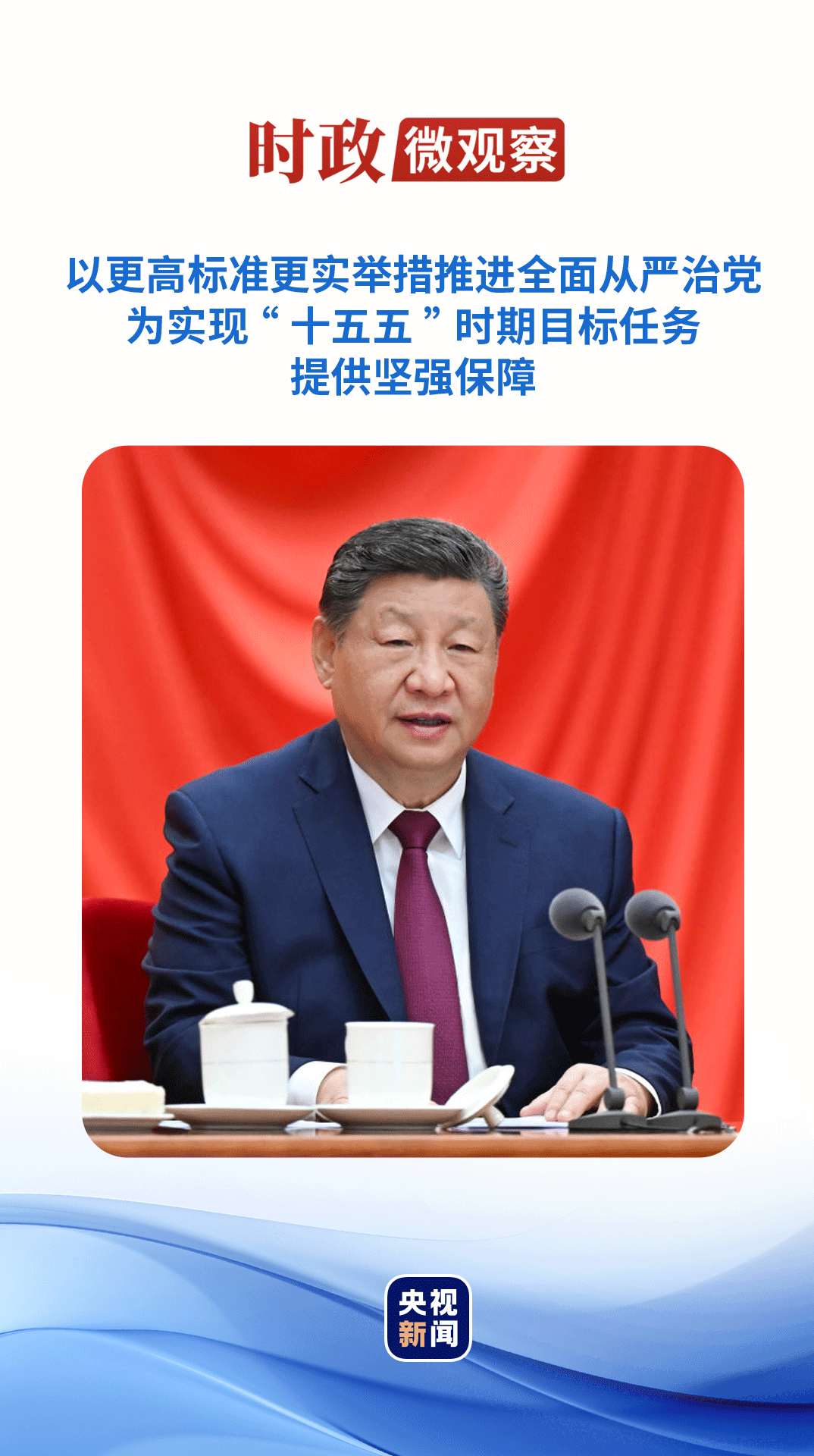
二十届中央纪委五次全会与会同志谈学习贯彻习近平总书记重要讲话精神
Xin Hua She· 2026-01-14 00:10
Group 1 - The core message emphasizes the significant achievements in strict governance of the Party over the past year and the strategic deployment for advancing this governance to ensure the successful start of the "14th Five-Year Plan" [3][4] - The importance of implementing the major decisions and deployments of the Party Central Committee is highlighted as a fundamental requirement for maintaining its authority and leadership [4][5] - Political supervision is identified as a crucial guarantee for the implementation of the Party Central Committee's major decisions, with a focus on enhancing the specificity, precision, and regularity of supervision [5][6] Group 2 - The necessity of confining power within institutional frameworks is underscored as a key task in the new era of strict governance of the Party [6][7] - The execution of regulations and the importance of strong supervision and discipline are emphasized to ensure that institutional rules are effectively enforced [7][8] - The ongoing complexity of the anti-corruption struggle is acknowledged, with a call for maintaining a high-pressure stance against corruption and focusing on areas with concentrated power and resources [8][9] Group 3 - The need for deepening the understanding of new types of corruption and enhancing the use of technology in disciplinary inspection work is stressed to improve the effectiveness of anti-corruption efforts [9] - The responsibility of disciplinary inspection agencies in promoting the Party's self-revolution and strict governance is highlighted, with a commitment to maintaining the Party's unity and purity [9]

让腐败分子没有藏身之地
Zhong Yang Ji Wei Guo Jia Jian Wei Wang Zhan· 2026-01-13 23:45
Group 1 - The importance of maintaining a high-pressure stance against corruption is emphasized, with a focus on eliminating corrupt elements and ensuring they have no place to hide [1] - The current situation of the anti-corruption struggle is described as severe and complex, with significant challenges remaining in eradicating the conditions that foster corruption [1] - The need for comprehensive case sourcing and focusing on key areas is highlighted, utilizing various methods such as supervision, reporting, and case investigations to expand sources of information [1] Group 2 - The establishment of a "room-group-local" joint case handling mechanism is identified as crucial for addressing major complex cases in the transportation sector, enhancing case handling quality and efficiency [2] - Continuous improvement of the joint case handling mechanism is planned, with an emphasis on collaboration with local supervisory bodies and optimizing multi-level coordination [2] - The integration of digital and intelligent supervision models is being promoted to enhance oversight in areas such as bidding, construction, and asset management [3] Group 3 - The focus on preventing corruption in higher education institutions is emphasized, shifting from post-event investigations to preemptive measures and real-time controls [4] - The need for a systematic approach to address corruption in key areas is highlighted, with efforts to analyze typical cases and identify underlying vulnerabilities in power operations and regulatory blind spots [4] - The integration of measures such as separation of evaluation and responsibility into bidding policies is aimed at closing institutional loopholes and promoting governance reforms [4]
把各方面监督贯通起来
Zhong Yang Ji Wei Guo Jia Jian Wei Wang Zhan· 2026-01-13 23:45
Group 1 - The core strategy of the anti-corruption campaign emphasizes the need for integrated governance and enhanced collaboration among various supervisory bodies to improve overall governance effectiveness [1][2] - The importance of party internal supervision as a guiding force for all types of supervision is highlighted, with a focus on strengthening the responsibilities of party committees and leadership [1][2] - The necessity for a comprehensive and efficient supervisory system that covers all levels and aspects of governance is stressed, aiming to transform institutional advantages into effective governance [3][4] Group 2 - The role of disciplinary inspection and supervision agencies is crucial in the strict governance of the party, focusing on their primary responsibilities and enhancing collaborative mechanisms [2][4] - Continuous efforts are being made to improve the quality and effectiveness of grassroots supervision, ensuring that various supervisory methods are integrated and operationalized [2][3] - The establishment of communication and coordination mechanisms among different supervisory departments is essential for addressing common and critical issues effectively [4]
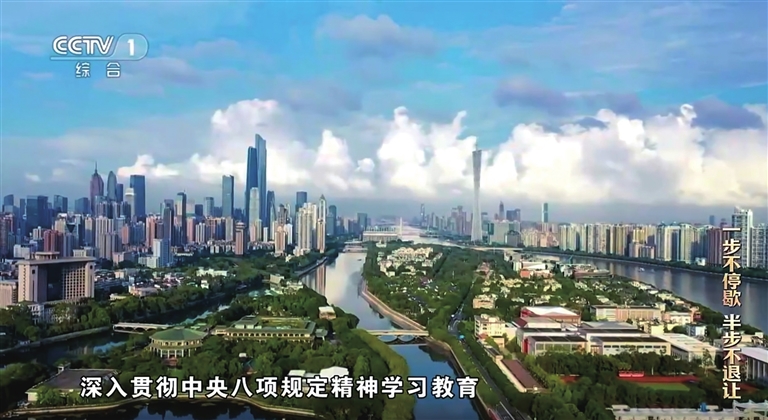
电视专题片《一步不停歇 半步不退让》热播反腐败是最彻底的自我革命
Zhong Yang Ji Wei Guo Jia Jian Wei Wang Zhan· 2026-01-13 23:45
Core Viewpoint - The documentary "Step Forward Without Hesitation, Step Back Without Reluctance" reflects the Chinese government's unwavering commitment to anti-corruption efforts, showcasing significant achievements in promoting party discipline and integrity by 2025 [5][6][9]. Group 1: Anti-Corruption Achievements - By 2025, the Central Commission for Discipline Inspection reported that 65 senior officials were investigated, highlighting the ongoing commitment to combating corruption at all levels [6][8]. - In 2025, over 840,000 cases of corruption and misconduct were addressed, resulting in the punishment of 536,000 individuals and the recovery of 66.62 billion yuan for the public [11][12]. Group 2: Case Studies and Examples - The documentary presents various cases of corruption, including high-profile officials like Tang Ranjian and grassroots-level misconduct, illustrating the pervasive nature of corruption across different levels of government [7][9]. - Specific cases, such as the misuse of pension funds and collusion between officials and businesspeople, demonstrate the intricate connections between corruption and poor governance [11][14]. Group 3: Strategies and Measures - The documentary emphasizes the need for a comprehensive approach to anti-corruption, integrating deterrence, institutional constraints, and ideological education to effectively combat corruption [13][15]. - The implementation of the "Eight Regulations" and ongoing reforms aim to strengthen the relationship between the party and the public, ensuring transparency and accountability in governance [10][12]. Group 4: Public Sentiment and Impact - Public feedback indicates a positive reception of anti-corruption measures, with citizens noting improvements in local governance and service delivery, reflecting a growing trust in government efforts [16][17]. - The documentary highlights the importance of maintaining a clean political environment to foster economic development and public welfare, reinforcing the connection between anti-corruption and societal well-being [19][20].
永远在路上部分与会同志接受集体采访侧记
Zhong Yang Ji Wei Guo Jia Jian Wei Wang Zhan· 2026-01-13 23:45
Group 1 - The core message emphasizes the significant achievements in strict party governance over the past year and outlines strategic deployments to further enhance these efforts during the critical period of socialist modernization [1] - The importance of understanding the decisive significance of the "two establishments" and enhancing the "four consciousnesses" is highlighted, along with the commitment to political responsibility in strict party governance [1] - The need for a high-pressure stance against corruption is reiterated, emphasizing that there must be no tolerance for corruption and that efforts must be made to eliminate the conditions that allow corruption to thrive [2] Group 2 - The essence of corruption is identified as the abuse of power, necessitating the regulation of power operations, particularly focusing on leadership roles and the enforcement of institutional authority [3] - The importance of integrating various departments to enhance the effectiveness of anti-corruption measures is stressed, promoting a collaborative approach to governance [2][3] - The necessity for continuous improvement in work styles and the promotion of a culture of integrity within the education system is emphasized, alongside the commitment to addressing issues of formalism and reducing burdens on grassroots levels [4]