
政权更迭

Search documents
突发!美军,发动袭击!
Zheng Quan Shi Bao· 2025-10-19 22:51
Core Points - The U.S. military conducted an attack on a drug-laden submarine, resulting in the death of two drug traffickers and the capture of two others [1][2][3] - This incident marks the first time there have been survivors in U.S. military actions against drug trafficking vessels since September [1][2] - The U.S. has increased military presence in the Caribbean, deploying warships and aircraft, under the pretext of combating drug trafficking [3][4][5] Military Actions - The U.S. has claimed to have sunk five drug trafficking vessels and killed 27 traffickers in the Caribbean since September [3][5] - Recent military deployments include B-52 bombers and a significant number of troops, with reports indicating around 10,000 U.S. soldiers and multiple naval assets in the region [4][5] - The U.S. has authorized the CIA to conduct secret operations in Venezuela, which has drawn condemnation from several Latin American countries [6] Venezuelan Response - Venezuela is on high alert, with Defense Minister Lopez stating the need for preparedness against potential U.S. military aggression [5] - The Venezuelan government has conducted military exercises and initiated plans to organize local militia forces to protect critical infrastructure [5] - Venezuelan President Maduro has called for citizens to join militia organizations, emphasizing national defense against perceived U.S. threats [5]
美方“缉毒”行动被批侵犯主权 委内瑞拉:对美防御就绪
Xin Hua She· 2025-10-19 05:36
Core Points - The U.S. military recently attacked a "drug submarine" in the Caribbean, resulting in the death of two individuals and the repatriation of two others to their home countries [1][2] - The operation has faced strong criticism from regional countries, with Colombia condemning the action as a violation of its sovereignty and Venezuela declaring its defense plans against U.S. threats are complete [1][3][4] Summary by Sections U.S. Military Action - President Trump announced the U.S. military's strike on a "drug submarine" in the Caribbean, claiming it was transporting illegal narcotics towards the U.S. [2] - The attack resulted in the death of two out of four individuals on board, with the survivors sent back to Ecuador and Colombia for prosecution [2] - This incident marks the first time survivors have been reported since the U.S. claimed to have targeted "drug boats" in the region in September [2] Colombia's Response - Colombian President Petro criticized the U.S. military actions as an infringement on Colombia's sovereignty and demanded explanations regarding the killing of a Colombian fisherman during the incident [3] - The fisherman, Alejandro Calanza, was reportedly not involved in drug trafficking, and there are claims that the attacked vessel was a fishing boat, not a drug-related craft [3] Venezuela's Defense Measures - Venezuelan President Maduro stated that the country's defense plans against U.S. threats have been completed, with all defense zones deployed as part of the "Independence 200 Plan" [4] - Maduro condemned U.S. military deployments in the Caribbean as a threat aimed at regime change and resource appropriation [5] U.S. Strategic Intentions - The U.S. has justified its military presence in the Caribbean as a drug enforcement measure, although reports indicate that Venezuela is not a major source of drugs entering the U.S. [7] - Analysts suggest that the U.S. aims to create chaos within Venezuela and intimidate other Latin American countries through its military pressure [7] - The military actions are viewed by some as a political maneuver by the Trump administration to solidify its image and gain political benefits [7]
突发!美国,发动袭击!
券商中国· 2025-10-19 01:55
Core Viewpoint - The article discusses the recent military actions taken by the United States against drug trafficking in the Caribbean, particularly targeting Venezuela, highlighting the strategic implications behind these actions and the regional responses to them [2][6][9]. Group 1: U.S. Military Actions - On October 18, President Trump announced that U.S. military forces destroyed a large submarine carrying drugs, marking the first incident with survivors since the U.S. began its operations against drug trafficking in the Caribbean in September [2][4]. - The U.S. has conducted at least six military actions against alleged drug trafficking vessels since September, resulting in the destruction of five "drug boats" and the deaths of 27 alleged traffickers [6][8]. - The U.S. has significantly increased its military presence in the Caribbean, deploying destroyers, F-35 fighter jets, a nuclear submarine, and approximately 6,500 troops in the region [6][8]. Group 2: Venezuela's Response - Venezuela has expressed strong opposition to U.S. military actions, with Defense Minister Lopez stating that the country must prepare for potential military aggression from the U.S. [2][8]. - The Venezuelan government has conducted military exercises to test the readiness of its armed forces and militia in response to U.S. threats [8][9]. - President Maduro has called on citizens to join militia organizations and initiated the "Independence 200 Plan" to coordinate local military and civilian efforts to protect critical infrastructure [9]. Group 3: Regional and International Reactions - Many Latin American countries have condemned U.S. actions, viewing them as violations of international law and an infringement on Venezuela's sovereignty [9]. - Brazil's ruling Workers' Party and Cuba's President Diaz-Canel have publicly criticized the U.S. for its military threats and support for the Venezuelan opposition [9]. - Analysts suggest that the U.S. is using the pretext of drug trafficking to exert military pressure on Venezuela, with the underlying goal of regime change [6][9].


空袭船只 炫耀武力 美委紧张关系继续升级
Yang Shi Xin Wen· 2025-10-17 09:04
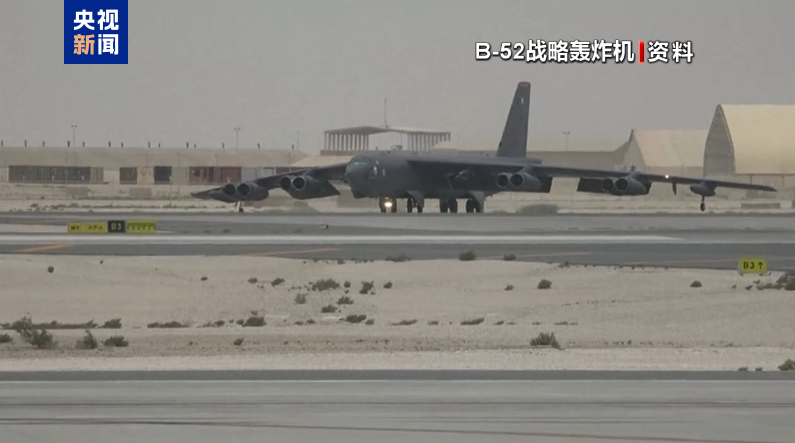
Core Viewpoint - The U.S. military has conducted airstrikes in the Caribbean targeting drug trafficking vessels, showcasing military strength near Venezuela's coast [1][2][4]. Military Actions - On the 15th, the U.S. deployed three B-52 bombers to fly near the Venezuelan coast for a show of force, approximately 150 miles (about 241 kilometers) north of Venezuela [4]. - The U.S. has gathered around 10,000 troops, eight warships, one nuclear submarine, and multiple fighter jets in the Caribbean region [7]. Government Statements - President Trump has authorized the CIA to conduct covert operations in Venezuela and is considering ground strikes against the country [7]. - Venezuelan officials have accused the U.S. of attempting regime change through military threats and have announced plans to seek legal action against the U.S. for its "threats and aggression" [8]. Drug Trafficking Claims - The U.S. government claims to have sunk five alleged drug trafficking vessels and killed 27 traffickers since September, despite reports indicating that Venezuela is not a major source of drugs entering the U.S. [8].
袭船、炫武 美委紧张关系继续升级
Xin Hua She· 2025-10-17 07:35
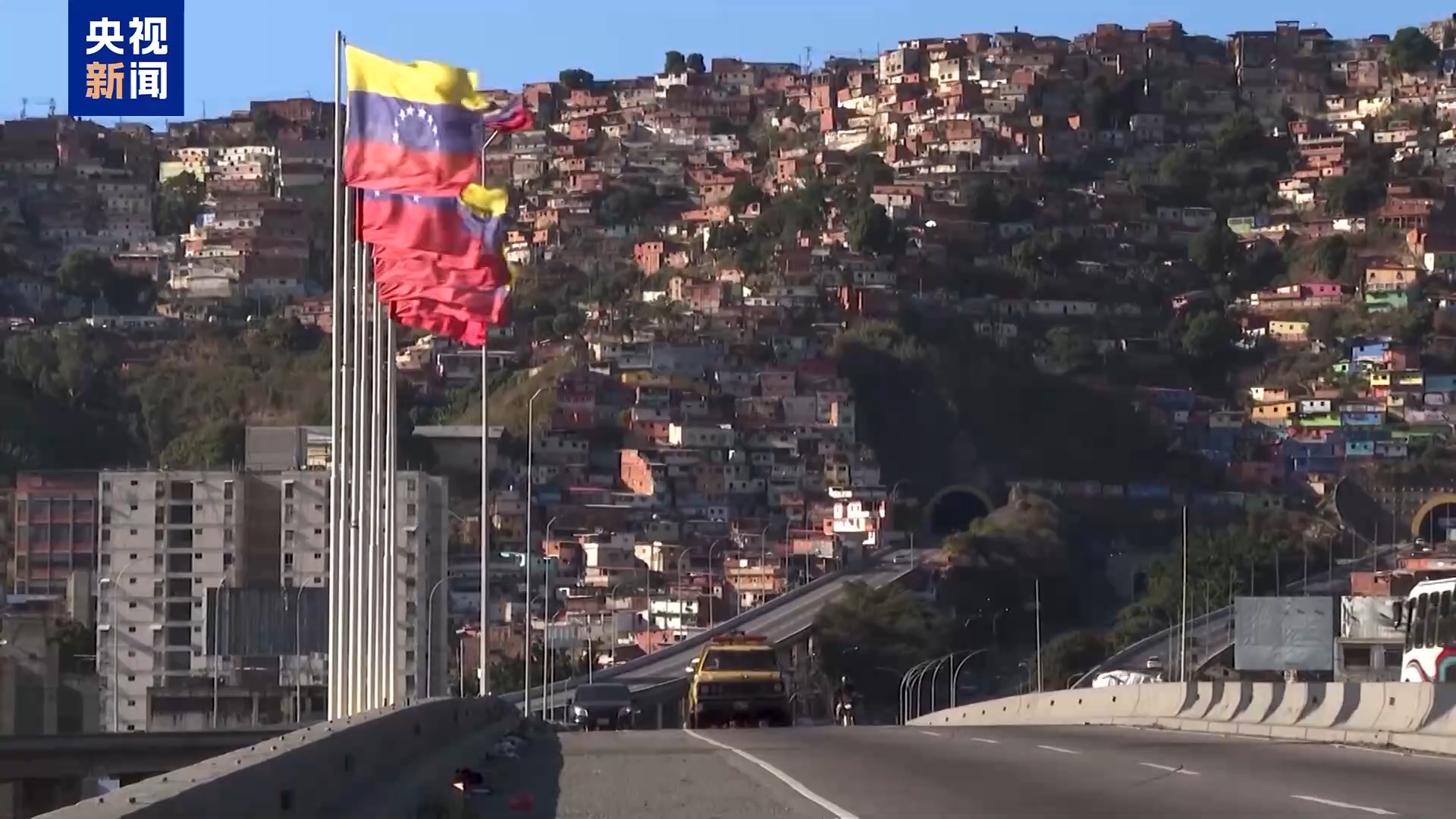
新华社华盛顿10月16日电(记者徐剑梅)据美国媒体16日报道,美军在加勒比海域再次空袭涉嫌贩 毒船只,多架轰炸机和直升机在委内瑞拉海岸附近飞行。 多家美媒16日援引匿名美国官员的话报道说,美军当天在加勒比海南部再次空袭一艘涉嫌贩毒船 只。报道未说明具体伤亡情况。特朗普政府尚未证实相关消息。 报道还说,美军15日出动3架B-52轰炸机在委内瑞拉海岸附近盘旋飞行,"进行武力展示"。瑞典24 小时飞行雷达网站追踪数据显示,轰炸机飞行区域距委内瑞拉以北约150英里(约241公里)。此外,美 国陆军特种作战航空部队的直升机近日也在委内瑞拉海岸附近训练演习。 据报道,特朗普政府目前已在加勒比海地区集结约1万名美军士兵、8艘军舰、1艘核动力潜艇和多 架战斗机。美国总统特朗普15日说,他已授权美国中央情报局在委内瑞拉开展秘密行动,并在考虑地面 打击委内瑞拉。 近期,美国以打击贩毒为由,在委内瑞拉附近加勒比海域部署多艘军舰。9月以来,特朗普政府宣 称在委内瑞拉附近公海击沉5艘所谓"运毒船"并打死27名"毒贩"。而美国缉毒署近年报告显示,委内瑞 拉并非流入美国毒品的主要来源地。 委内瑞拉政府多次指责美国意图通过军事威胁在委搞政权 ...
袭船、炫武 美委紧张关系继续升级
Xin Hua She· 2025-10-17 06:34
新华财经华盛顿10月17日电 据美国媒体16日报道,美军在加勒比海域再次空袭涉嫌贩毒船只,多架轰 炸机和直升机在委内瑞拉海岸附近飞行。 委内瑞拉政府多次指责美国意图通过军事威胁在委搞政权更迭,并在拉美进行军事扩张。 (文章来源:新华社) 多家美媒16日援引匿名美国官员的话报道说,美军当天在加勒比海南部再次空袭一艘涉嫌贩毒船只。报 道未说明具体伤亡情况。特朗普政府尚未证实相关消息。 报道还说,美军15日出动3架B-52轰炸机在委内瑞拉海岸附近盘旋飞行,"进行武力展示"。瑞典24小时 飞行雷达网站追踪数据显示,轰炸机飞行区域距委内瑞拉以北约150英里(约241公里)。此外,美国陆 军特种作战航空部队的直升机近日也在委内瑞拉海岸附近训练演习。 据报道,特朗普政府目前已在加勒比海地区集结约1万名美军士兵、8艘军舰、1艘核动力潜艇和多架战 斗机。美国总统特朗普15日说,他已授权美国中央情报局在委内瑞拉开展秘密行动,并在考虑地面打击 委内瑞拉。 近期,美国以打击贩毒为由,在委内瑞拉附近加勒比海域部署多艘军舰。9月以来,特朗普政府宣称在 委内瑞拉附近公海击沉5艘所谓"运毒船"并打死27名"毒贩"。而美国缉毒署近年报告显示, ...
突发!美军出动B-52轰炸机!
Zheng Quan Shi Bao Wang· 2025-10-17 02:18
Core Points - The deployment of three B-52 bombers by the U.S. military to the international airspace off the coast of Venezuela is part of ongoing pressure on the Venezuelan government led by President Maduro [1][2] - President Trump has authorized the CIA to conduct covert operations in Venezuela, which Maduro claims is an attempt to orchestrate a coup [2][3] Military Actions - On October 15, three B-52 bombers were deployed from Barksdale Air Force Base in Louisiana to the Caribbean Sea, approximately 150 miles (241 kilometers) from Venezuela [2] - The U.S. military has been conducting operations in the Caribbean under the pretext of combating drug trafficking, which has escalated tensions between the U.S. and Venezuela [2][3] - The U.S. Southern Command confirmed the deployment of two helicopters for live-fire exercises in the Caribbean, supporting operations against illegal drug trafficking [5] Diplomatic Responses - Venezuela's ambassador to the UN has formally requested an investigation into U.S. military actions, claiming they threaten regional peace and sovereignty [4] - Mexican President López Obrador has condemned U.S. interference in Latin America and emphasized the importance of respecting the self-determination of nations [4] Immigration Issues - Approximately 14,947 Venezuelan migrants have returned to Venezuela through a repatriation program, following an agreement with the U.S. government [6] - The U.S. Supreme Court recently ruled to allow the Trump administration to terminate temporary protected status for over 300,000 Venezuelan migrants, impacting their legal residency in the U.S. [6]
美宣布中情局在委内瑞拉开展“秘密行动” 委总统:这是策划政变
Yang Shi Xin Wen Ke Hu Duan· 2025-10-16 23:14
连日来,美国以"打击拉美贩毒集团"为由,在委内瑞拉附近海域开展军事行动,导致美委紧张关系持续升级。美国总统特朗普15日说,他已授权美国中央情 报局在委内瑞拉开展秘密行动。委内瑞拉总统马杜罗当天谴责说,美国中情局策划委内瑞拉政变。 特朗普称,委内瑞拉清空监狱,把犯人都送到美国,并向美国大量输送毒品。他已授权中情局在委内瑞拉开展秘密行动。此外,鉴于美方"已很好地控制海 上局势",他正考虑是否对委实施地面打击行动。 《纽约时报》称,这一授权将允许中情局在委内瑞拉及加勒比海地区开展"致命行动",以及配合美军更大规模的军事行动。 0:00 美国全国广播公司记者:议员们感到疑惑的是,政府如何确定船上是什么人,被打死的人又是谁?政府拥有什么情报,他们怎么能确定他们的说法,也就是 毒品正在运往美国。 委内瑞拉总统 马杜罗:对政权更迭说不,这让我们想起那些在阿富汗、伊拉克、利比亚等国的,失败的,持续的战争。对中情局策动的政变说不,中情局 制造的政变还要持续到什么时候? 拉丁美洲不想要,不需要,并且坚决拒绝。 美在加勒比地区行动被指缺乏透明度且非法 自9月以来,到本月14日,美国政府已宣称在委内瑞拉外海国际水域击沉5艘所谓"运毒 ...
美总统授权中情局在委秘密行动,马杜罗:美国正重蹈阿富汗、伊拉克等战争失败覆辙
Huan Qiu Shi Bao· 2025-10-16 23:03
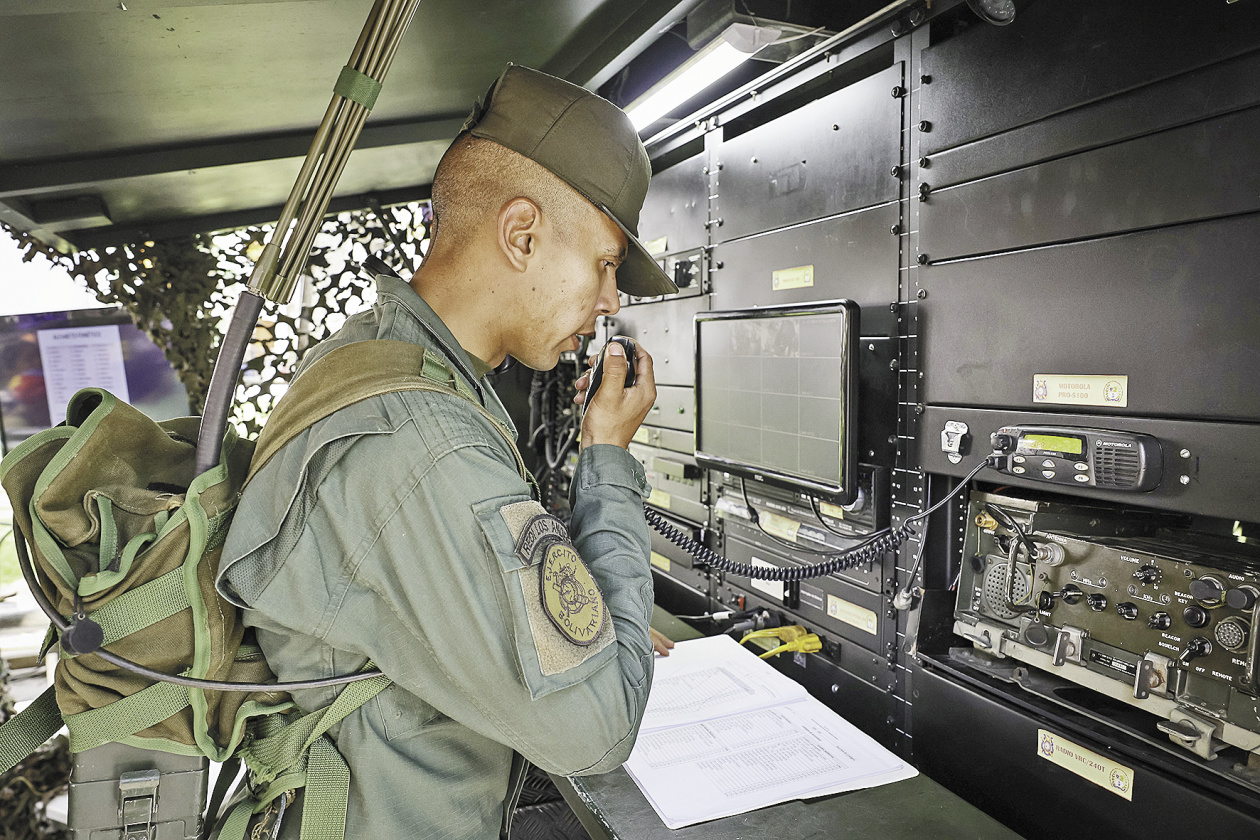
【环球时报驻美国特约记者 萧达 环球时报特约记者 王逸】当地时间15日,美国总统特朗普宣布,他已授权中央情报局(CIA)在委内瑞拉开展秘密行动。 《纽约时报》称,这一授权意味着允许中情局在委内瑞拉及加勒比海地区开展"致命行动",甚至可能配合美军实施更大规模的地面军事行动。9月以来,美 国政府在加勒比海部署大量军舰,并借口"打击毒品贩运"在委内瑞拉外海击沉5艘所谓委内瑞拉"贩毒船",打死27人。对于美国政府的举动,委内瑞拉总统 马杜罗当天晚些时候在电视讲话中回应称,这是"美国中情局企图策划政变",美国"正在重蹈阿富汗、伊拉克、利比亚等战争失败的覆辙"。 3 架 B-52 现身委近海空域 据美国有线电视新闻网(CNN)报道,特朗普15日在白宫表示,他已授权中情局在委内瑞拉开展秘密行动,还声称将进行"地面打击"。特朗普称此举主要是 为了"打击毒品贩运","我们有很多毒品是从委内瑞拉流入的"。他称,很多毒品通过海路进入,但美国已很好地控制了海路,美方正着眼于"陆路打击以阻 止它们"。 在白宫记者会上,对于他为何不按数十年来的常规做法命令海岸警卫队拦截贩毒船只,特朗普称,那样的做法"毫无作用"。有记者问道:"中情局会干 ...
委内瑞拉:特朗普涉中情局秘密行动声明严重违反国际法
Zhong Guo Xin Wen Wang· 2025-10-16 06:27
委内瑞拉:特朗普涉中情局秘密行动声明严重违反国际法 中新网10月16日电 据路透社等媒体报道,当地时间15日,委内瑞拉政府谴责美国总统特朗普授权美国 中央情报局对委内瑞拉开展秘密行动的声明,称其言论"严重违反国际法"。 据报道,委内瑞拉政府发表声明称,特朗普的言论严重违反国际法和《联合国宪章》,并指出美国的行 动旨在为"政权更迭"操作正名,其目的是掠夺委内瑞拉的石油资源。 报道称,委内瑞拉外长伊万·希尔在社交媒体Telegram上公布了委政府的声明。声明称,委内瑞拉常驻 联合国代表团将就此事向联合国安理会和秘书长提出申诉,要求美国政府承担责任。 此前报道,当地时间15日,美国总统特朗普说,他已授权美国中央情报局在委内瑞拉开展秘密行动。特 朗普还称,五角大楼正在考虑对委内瑞拉进行陆路打击,并表示美国已经很好地控制了海路。 近期,美国在加勒比海域部署多艘军舰。9月以来,特朗普政府已宣称在委内瑞拉外海国际水域击沉5艘 所谓"运毒船"并打死27名"毒贩"。委内瑞拉总统马杜罗多次指责美国意图通过军事威胁在委搞政权更 迭,并在拉美进行军事扩张。 来源:中国新闻网 编辑:万可义 广告等商务合作,请点击这里 本文为转载内容, ...