
缉毒

Search documents
打死毒枭“门乔”,墨西哥严防暴力活动升级
Huan Qiu Shi Bao· 2026-02-23 22:43
Group 1 - The death of Nemesio Oseguera Cervantes, known as "Mencho," marks a significant achievement for the Mexican government in its fight against drug trafficking, particularly against the Jalisco New Generation Cartel (CJNG) [1][2] - Following Oseguera's death, violent retaliation from drug gangs has erupted across at least eight states in Mexico, with reports of roadblocks and arson in tourist areas like Puerto Vallarta [2] - The CJNG, under Oseguera's leadership, has been characterized as one of the most dangerous criminal organizations, utilizing military-grade weapons and a systematic training program for assassins [3] Group 2 - Despite the symbolic importance of Oseguera's death in the drug war, experts suggest it is unlikely to significantly reduce the flow of drugs into the United States, as the profits from drug trafficking remain substantial [3] - The Mexican government is urged to have contingency plans in place to prevent the situation from escalating into nationwide violence following the recent upheaval [3]
美国对委内瑞拉动手,石油才是真正目标?
Xin Lang Cai Jing· 2026-01-04 01:24
Group 1 - The core viewpoint of the news is that the U.S. military has launched a large-scale attack on Venezuela, capturing President Maduro, while the Venezuelan oil production and refining operations remain unaffected [1][5][8] - The U.S. Federal Aviation Administration has prohibited commercial flights over Venezuela due to ongoing military activities [1][4] - Initial assessments indicate that the core facilities of Venezuela's state oil company are intact despite the military actions [5][6] Group 2 - The U.S. has justified its actions in Venezuela under the pretext of combating drug trafficking, but this rationale has been widely questioned [7][8] - According to the DEA's 2024 report, Venezuela is not a major source of drugs entering the U.S., and no evidence has been presented linking the military actions to drug trafficking [8] - Venezuela holds the world's largest proven oil reserves, estimated at approximately 304 billion barrels, primarily located in the Orinoco heavy oil belt, making it a strategic target for U.S. interests [8]
突发!美军发动袭击
中国基金报· 2026-01-01 01:23
Core Viewpoint - The U.S. military has intensified operations against drug trafficking and related organizations in the Caribbean and Eastern Pacific, citing national security concerns and the need to combat transnational crime [1][2]. Group 1: Military Operations - On December 30, 2025, the U.S. Southern Command reported kinetic strikes on three "drug trafficking boats" in international waters, resulting in the deaths of at least three individuals identified as "drug terrorists" [1]. - On December 29, 2025, a similar operation targeted a single boat in the Eastern Pacific, leading to the deaths of two male "drug terrorists" [2]. - The U.S. has deployed multiple naval vessels in the Caribbean near Venezuela under the "Southern Sword" military operation, which aims to exert pressure on the Venezuelan government [1]. Group 2: Sanctions and Economic Measures - On December 31, 2025, the U.S. Treasury Department's Office of Foreign Assets Control (OFAC) announced sanctions against four companies involved in the Venezuelan oil trade, freezing related assets including four oil tankers [3]. - Since December 10, 2025, the U.S. has conducted at least three interception operations against vessels linked to Venezuelan oil, claiming to seize crude oil onboard [3].


委内瑞拉谴责美国再次扣押油轮
Zhong Guo Xin Wen Wang· 2025-12-21 02:41
Core Viewpoint - The Venezuelan government condemned the United States for seizing a tanker transporting Venezuelan crude oil, labeling the act as "international piracy" and indicating potential legal actions against the U.S. in international forums [1]. Group 1: Government Response - The Venezuelan government issued a statement denouncing the U.S. military's actions in international waters and warned that such actions would not go unpunished [1]. - Venezuela plans to take "all appropriate actions," including filing complaints with the United Nations Security Council and other multilateral organizations [1]. Group 2: U.S. Actions - The U.S. intercepted a Panama-flagged tanker in international waters near Venezuela, which was not on the U.S. sanctions list [1]. - U.S. Secretary of Homeland Security confirmed the interception of the tanker, coinciding with President Trump's announcement of a blockade on all sanctioned tankers entering or leaving Venezuela [1]. Group 3: Military Deployment - The U.S. has deployed multiple naval vessels in the Caribbean Sea under the pretext of anti-drug operations since early September, targeting what it claims to be "drug trafficking vessels" [1]. - The U.S. government has not provided evidence to substantiate claims that the targeted vessels are involved in drug trafficking [1].
特朗普再次威胁将对加勒比海地区“毒贩”实施陆地打
Xin Hua Wang· 2025-12-03 00:45
Group 1 - The core viewpoint of the article is that President Trump announced the initiation of land strikes against drug traffickers in the Caribbean region, specifically targeting countries like Venezuela and Colombia [2][3] - Trump stated that the U.S. military has already prevented approximately 85% of maritime drug smuggling from Venezuela and plans to extend operations to land-based actions soon [2] - The U.S. has deployed multiple naval vessels, including the USS Gerald R. Ford, in the Caribbean Sea under the pretext of drug interdiction, which the Venezuelan government perceives as a military threat aimed at regime change [2] Group 2 - Since early September, the U.S. military has conducted 21 strikes against alleged drug trafficking vessels in the Caribbean and Eastern Pacific, resulting in 82 fatalities, although no evidence has been provided to substantiate these claims [3] - Reports indicate that after a missile strike on a drug vessel, U.S. forces executed a second strike on survivors, leading to additional casualties, which raises concerns about the military's operational directives [3]
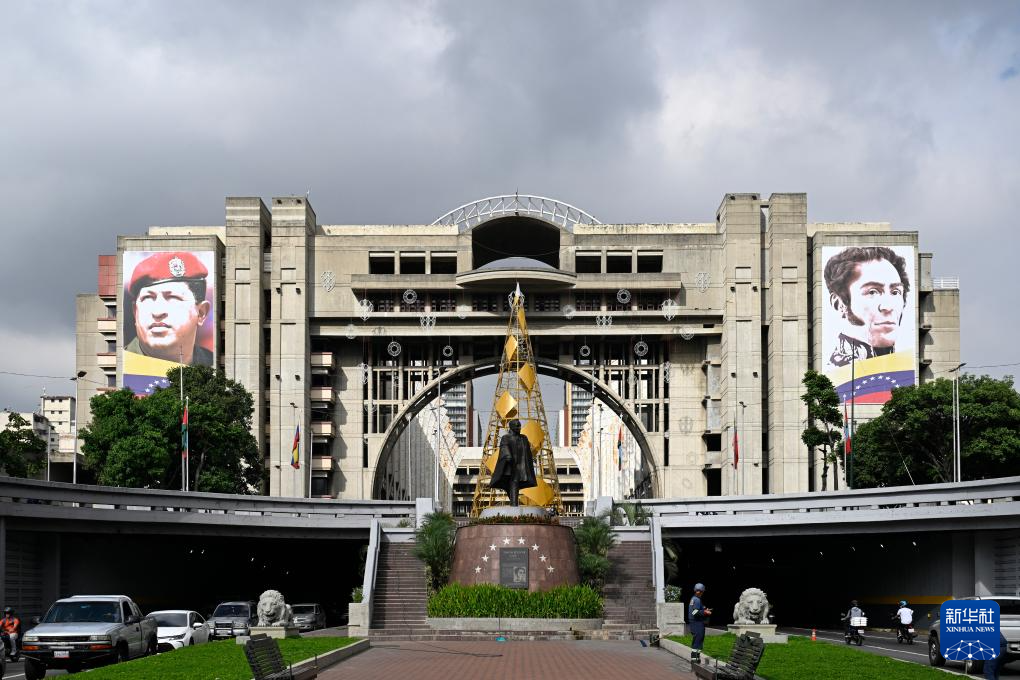
特朗普再次威胁将对加勒比海地区“毒贩”实施陆地打击
Xin Hua She· 2025-12-03 00:03
Core Viewpoint - The U.S. President Trump announced a new initiative to implement land strikes against drug traffickers in the Caribbean region, indicating a shift in strategy from maritime to land-based operations [1][2] Group 1: Military Actions - The U.S. military has deployed multiple naval vessels, including the USS Gerald R. Ford, in the Caribbean Sea under the pretext of drug interdiction [1] - Since early September, the U.S. military has conducted 21 strikes against alleged drug trafficking vessels in the Caribbean and Eastern Pacific, resulting in 82 fatalities [1] - Trump stated that land strikes are easier to execute and that the U.S. is aware of the trafficking routes [1] Group 2: Political Implications - The Venezuelan government perceives the U.S. military presence as a threat aimed at instigating regime change [1] - Trump mentioned that any country involved in drug smuggling towards the U.S. could face military action, specifically naming Venezuela and Colombia [1] Group 3: Controversial Tactics - Reports surfaced regarding a second strike on survivors of a drug trafficking vessel, which resulted in additional casualties, raising ethical concerns about military engagement rules [2] - The U.S. Defense Secretary reportedly issued a directive to eliminate all individuals on the targeted vessel, highlighting the aggressive nature of the operations [2]
美媒曝特朗普与马杜罗通电话 讨论两人在美会晤可能性
Xin Hua Wang· 2025-11-29 05:49
Core Points - The article discusses a recent phone call between U.S. President Trump and Venezuelan President Maduro, exploring the possibility of a meeting in the U.S. [1][2] - There are currently no specific plans for a meeting, and discussions are still in the planning stage [2][3] - Trump has indicated a shift from military action to direct negotiations with Maduro, marking a significant change in U.S. policy towards Venezuela [3] Group 1: U.S.-Venezuela Relations - Trump has expressed a willingness to engage in direct talks with Maduro, moving away from military intervention as the primary strategy [3] - The U.S. is expanding its anti-drug operations against Venezuelan drug trafficking groups, transitioning from naval to land-based actions [4][5] - Recent military deployments in the Caribbean represent the largest U.S. military presence in the region in decades, raising concerns about potential military action against Venezuela [5] Group 2: Military and Strategic Developments - The U.S. military has reportedly intercepted 85% of drug shipments from Venezuela via sea routes and plans to enhance land operations [4] - The Venezuelan government has accused the U.S. of using military threats to instigate regime change, while also emphasizing the need for military readiness against external threats [5]
“特朗普暂不打算动武”
第一财经· 2025-11-25 13:50
Core Viewpoint - The article discusses the escalating tensions between the United States and Venezuela, highlighting the potential for military action while also indicating a willingness for dialogue between President Trump and President Maduro [3][4][5]. Group 1: Military Actions and Strategies - The U.S. has recently sunk over 20 vessels allegedly involved in drug trafficking, resulting in over 80 deaths, and has increased its military presence around Venezuela, deploying advanced naval assets including the USS Ford aircraft carrier [5]. - Trump has authorized the CIA to conduct covert operations within Venezuela, with potential military actions including sabotage, cyber warfare, and psychological operations being considered [5]. - The U.S. has designated the Venezuelan "Sun Group" as a "foreign terrorist organization," claiming it is led by Maduro, which may provide a pretext for further military actions [7]. Group 2: Diplomatic Efforts - Reports indicate that Trump is planning to engage in direct dialogue with Maduro, although the specifics of the discussions remain unclear and are still in the planning stages [4]. - The U.S. military's recent activities in the Caribbean, including visits by military leaders, suggest a dual approach of military readiness alongside diplomatic overtures [7]. Group 3: Impact on Aviation and International Relations - The U.S. Federal Aviation Administration has warned airlines about the risks of flying in Venezuelan airspace due to increased military activities, leading to several airlines from Brazil, Colombia, Portugal, and Spain canceling flights to Venezuela [8]. - Venezuela has demanded that airlines that canceled flights resume operations within 48 hours or face restrictions on entering its airspace [9].
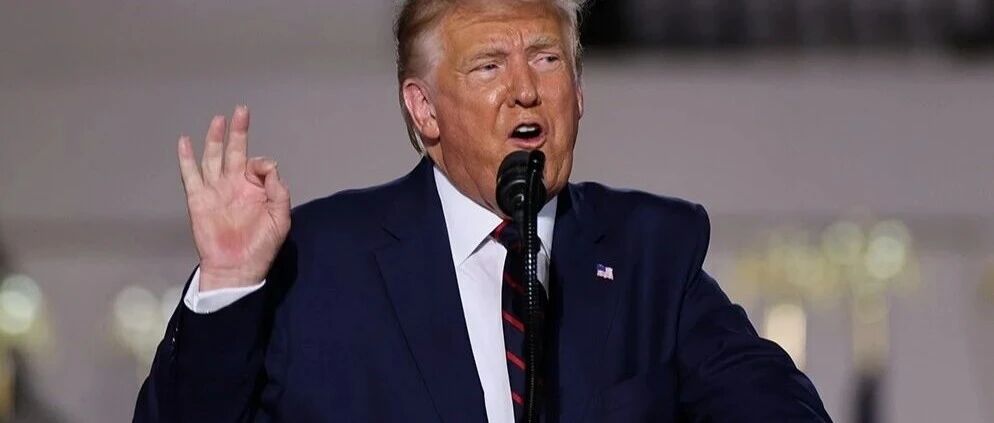
打还是不打?美媒曝特朗普打算和马杜罗直接谈
Xin Hua She· 2025-11-25 11:16
Group 1 - The core viewpoint of the articles revolves around the speculation of potential U.S. military action against Venezuela, with recent developments indicating a shift towards dialogue between President Trump and President Maduro [1][2][3] - The U.S. has designated a Venezuelan drug trafficking group as a "foreign terrorist organization," claiming it is led by Maduro, which may provide a pretext for further military action [3][2] - The U.S. military has increased its presence in the Caribbean, deploying advanced naval assets, including the aircraft carrier USS Ford, while simultaneously conducting operations against alleged drug trafficking vessels [2][3] Group 2 - The U.S. government has been applying pressure on Venezuela while signaling a willingness to engage in dialogue, indicating a potential shift in strategy [2][3] - The U.S. military's recent activities include the sinking of over 20 alleged drug trafficking vessels, resulting in significant casualties, and the ongoing military buildup in the region [2][3] - The Federal Aviation Administration (FAA) has warned airlines about the risks of flying in Venezuelan airspace due to increased military activity, leading to cancellations of flights by several international airlines [4][5]
突发!美军,发动袭击!
Zheng Quan Shi Bao· 2025-10-19 22:51
Core Points - The U.S. military conducted an attack on a drug-laden submarine, resulting in the death of two drug traffickers and the capture of two others [1][2][3] - This incident marks the first time there have been survivors in U.S. military actions against drug trafficking vessels since September [1][2] - The U.S. has increased military presence in the Caribbean, deploying warships and aircraft, under the pretext of combating drug trafficking [3][4][5] Military Actions - The U.S. has claimed to have sunk five drug trafficking vessels and killed 27 traffickers in the Caribbean since September [3][5] - Recent military deployments include B-52 bombers and a significant number of troops, with reports indicating around 10,000 U.S. soldiers and multiple naval assets in the region [4][5] - The U.S. has authorized the CIA to conduct secret operations in Venezuela, which has drawn condemnation from several Latin American countries [6] Venezuelan Response - Venezuela is on high alert, with Defense Minister Lopez stating the need for preparedness against potential U.S. military aggression [5] - The Venezuelan government has conducted military exercises and initiated plans to organize local militia forces to protect critical infrastructure [5] - Venezuelan President Maduro has called for citizens to join militia organizations, emphasizing national defense against perceived U.S. threats [5]