
二战历史

Search documents
山河壮歌|沉船泣血听惊涛 渔舟破浪映丹心
Yang Guang Wang· 2025-08-11 08:05
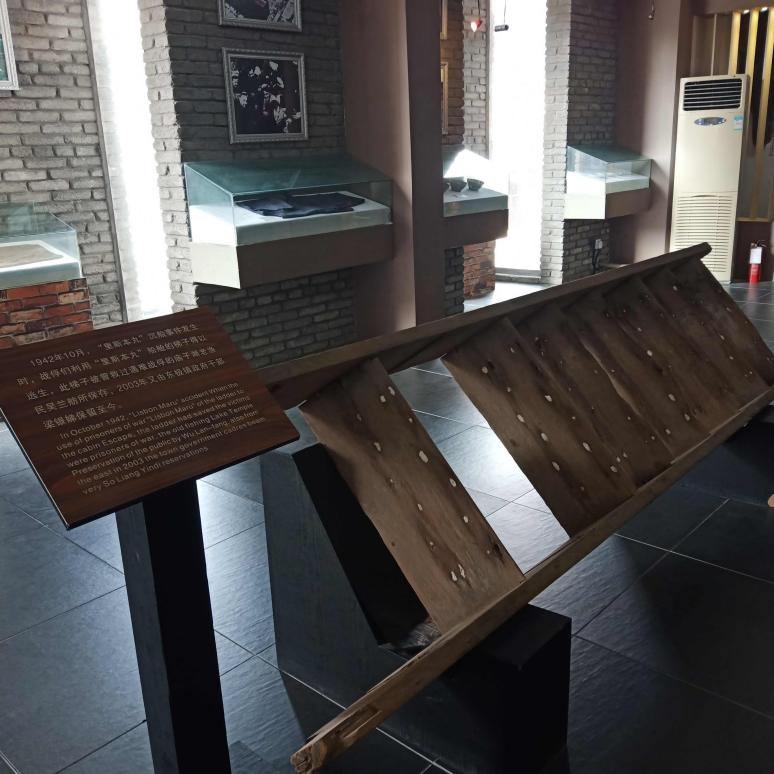
Core Viewpoint - The article recounts the historical event of the sinking of the "Lisbon Maru" during World War II and the subsequent rescue efforts by local fishermen, highlighting themes of bravery, compassion, and cross-cultural solidarity in the face of adversity [2][3][4][12]. Group 1: Historical Context - The "Lisbon Maru" was a Japanese cargo ship carrying over 1,800 British POWs when it was torpedoed by the American submarine "Bass" near Zhoushan, China, due to the Japanese failure to mark the ship as a POW transport [2]. - After the ship was hit, the Japanese military did not attempt to rescue the prisoners and instead sealed the hatches, leading to a desperate escape attempt by the POWs [2][4]. Group 2: Rescue Efforts - Local fishermen, upon witnessing the sinking ship, launched rescue operations using their small wooden boats, ultimately saving 384 British soldiers through 65 rescue missions [4][10]. - The fishermen faced significant danger as the Japanese soldiers continued to fire upon them during the rescue efforts, but their actions were crucial in preventing further loss of life [4][10]. Group 3: Community Response - The local community, despite being impoverished and lacking resources, provided food, clothing, and shelter to the rescued POWs, demonstrating remarkable generosity [8][10]. - The story of the fishermen's bravery and the subsequent rescue has been preserved and honored through the establishment of the "Lisbon Maru" Memorial Museum, which houses artifacts from the event, including a weathered wooden ladder used during the rescue [5][12]. Group 4: Legacy and Cultural Impact - The narrative of the "Lisbon Maru" and the fishermen's heroism has been captured in a documentary film, emphasizing the enduring impact of this historical event on both British and Chinese communities [15][16]. - The descendants of the fishermen now enjoy improved living conditions and have transformed their community into a tourist destination, reflecting a shift from historical trauma to a narrative of resilience and hope [16].

如何看近期《南京照相馆》《东极岛》等电影热映?国防部回应
Nan Fang Du Shi Bao· 2025-08-08 15:39
Core Viewpoint - The recent release of films reflecting World War II history, such as "Nanjing Photo Studio" and "Dongji Island," highlights the atrocities committed by Japanese militarism and emphasizes the importance of remembering historical lessons to prevent the repetition of past tragedies [3]. Group 1 - The films released depict significant historical events, including the Nanjing Massacre and the rescue of British prisoners of war by Chinese fishermen under Japanese gunfire [3]. - The spokesperson, Jiang Bin, asserts that any attempts to distort World War II history or glorify invasion wars will not succeed in the face of undeniable evidence [3]. - The increasing awareness of the brutal actions of Japanese militarism and the courageous resistance by the Chinese and global communities is being facilitated through various media, including films [3]. Group 2 - This year marks the 80th anniversary of the victory in the Chinese People's War of Resistance Against Japanese Aggression and the global anti-fascist war [3]. - The Chinese military aims to inherit and promote the spirit of the great anti-war struggle, enhancing its capabilities to safeguard national sovereignty, security, and development interests [3].

《南京照相馆》《东极岛》上映,国防部发声
第一财经· 2025-08-08 08:49
Core Viewpoint - The article emphasizes the importance of remembering the atrocities committed by Japanese militarism during World War II and the significance of the 80th anniversary of China's victory in the Anti-Japanese War and the World Anti-Fascist War [2]. Group 1 - The spokesperson from the Ministry of National Defense highlighted the release of several films reflecting World War II history, which help people understand the brutal actions of Japanese militarism and the heroic resistance of the Chinese and global populace [2]. - The article mentions that more international friends are voluntarily donating historical evidence that exposes the atrocities committed by the Japanese army during the invasion, which is crucial for public awareness [2]. - It stresses that any attempts to distort World War II history or glorify invasion wars will not succeed in the face of undeniable evidence [2]. Group 2 - The article notes that the blood lessons from history must not be forgotten, and the tragic events of the past should not be repeated [2]. - The Chinese military is committed to inheriting and promoting the great spirit of resistance against Japan, aiming to defend national sovereignty, security, and development interests with stronger capabilities and more reliable means [2].

《南京照相馆》《东极岛》上映,国防部发声
中国基金报· 2025-08-08 07:42
Core Viewpoint - The article emphasizes the importance of remembering the atrocities committed during World War II by Japanese militarism and the significance of the ongoing efforts to educate the public about these historical events through films and other media [4][5][6]. Group 1 - The recent release of films depicting the historical events of World War II, such as the Nanjing Massacre and the rescue of British POWs by Chinese fishermen, highlights the brutal actions of Japanese militarism and the heroic resistance of the Chinese and global community [4]. - There is a growing awareness among international friends who are donating historical evidence of Japanese war crimes to the public, reinforcing the narrative against any attempts to distort or beautify the history of aggression [4]. - The year marks the 80th anniversary of the victory in the Chinese People's War of Resistance Against Japanese Aggression and the global anti-fascist war, underscoring the need to remember the lessons of history to prevent similar tragedies from occurring [5]. Group 2 - The Chinese military is committed to inheriting and promoting the spirit of the great anti-Japanese resistance, aiming to enhance its capabilities and reliability in safeguarding national sovereignty, security, and development interests [6].

亚洲周边国家驻华外交官参访山西大同煤矿“万人坑”遗址纪念馆
Zhong Guo Xin Wen Wang· 2025-08-07 03:12
Core Viewpoint - On August 6, diplomats from 16 Asian countries visited the "Mass Grave" memorial site at the Datong Coal Mine in Shanxi Province, highlighting the historical atrocities committed during World War II when Japanese invaders implemented a brutal policy of "exchanging lives for coal" [2][3][5]. Summary by Relevant Sections - **Historical Context** - During World War II, the Japanese occupation of the Datong Coal Mine led to the deaths of numerous miners, who were disposed of in mass graves across the mining area, resulting in over 20 sites of skeletal remains known as "mass graves" [7][8][10]. - **Significant Site** - The "Mass Grave" site at the southern valley of the Coal Yu Kou is noted as one of the most well-preserved and largest mass grave sites in the region [12][14].
