
反法西斯战争

Search documents
拨开迷雾,重新认识澳门
Ren Min Ri Bao· 2025-12-18 00:43
Core Viewpoint - The article discusses the historical significance of Macau during World War II, highlighting its unique role in the anti-Japanese war despite not being directly occupied by Japanese forces. The narrative emphasizes the economic warfare that took place, showcasing the resilience and contributions of the local population in supporting the anti-fascist efforts [1][4]. Group 1: Historical Context - The article reveals that in early 1942, Japanese forces implemented a military blockade on Macau, leading to a famine that resulted in 16,608 reported deaths from starvation, with the actual number likely higher [1]. - It notes that Macau, with an area of only 13 square kilometers, was surrounded by enemy forces, raising questions about why Japan chose not to occupy it directly [1]. Group 2: Economic Warfare - The Japanese aimed to control Macau's financial and trade systems by forcing the Portuguese government to sign secret agreements that restricted trade, shipping, and customs [2]. - The article describes the efforts of local Chinese patriots and underground Communist Party members who worked to secure food supplies and protect the local currency, demonstrating a coordinated response to the economic challenges posed by the blockade [4]. Group 3: Contributions to the War Effort - The narrative highlights that the total amount of strategic materials transported by patriotic Chinese merchants from Hong Kong and Macau during the war was more than ten times that of the famous "Hump Route" used by the U.S. to supply China [4]. - It emphasizes the courage and ingenuity of the local population, who risked their lives to transport goods across the perilous waters, contributing significantly to the anti-fascist war efforts [4].


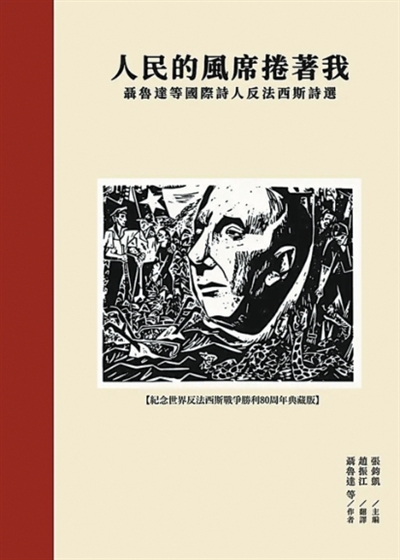
《人民的风席卷着我》——国际诗人反法西斯诗选
Ren Min Ri Bao· 2025-12-11 22:11
Core Viewpoint - The article discusses the publication of a poetry collection that commemorates the 80th anniversary of the victory in the Chinese People's Anti-Japanese War and the global anti-fascist struggle, highlighting the contributions of international poets during the Spanish Civil War [2][6]. Group 1: Historical Context - The Spanish Civil War began in July 1936, evolving into a struggle against the Franco fascist regime supported by Hitler, with approximately 35,000 international volunteers from 54 countries, including over 100 Chinese individuals, fighting alongside Spanish citizens [2][4]. - After the Spanish Civil War, some members of the international brigades went to China to assist in the fight against Japanese fascism, demonstrating international solidarity [2][6]. Group 2: Featured Poets - The poetry collection includes works from notable poets such as Pablo Neruda from Chile, Nicolás Guillén from Cuba, César Vallejo from Peru, Rafael Alberti from Spain, and Miguel Hernández, who all expressed their commitment to anti-fascism through their writings [3][4]. - Miguel Hernández, a significant figure, joined the Spanish Communist Party and fought on the front lines, ultimately dying in prison at a young age, leaving behind a legacy of powerful poetry [6]. Group 3: Themes and Impact - The poems in the collection reveal the harsh realities of war, condemn fascist atrocities, and celebrate patriotism and internationalism, reflecting the poets' deep concern for human suffering and destiny [3][5]. - The collection serves as a reminder of the historical struggles against fascism and the importance of remembering these events in the context of ongoing global conflicts [6].
弦歌不辍,精神薪传
Zhong Guo Qing Nian Bao· 2025-11-26 00:08
Core Viewpoint - The performance of the original music and dance epic "Southwest Associated University" commemorates the 80th anniversary of China's victory in the Anti-Japanese War and the World Anti-Fascist War, highlighting the spirit of resilience and dedication embodied by the university during a tumultuous historical period [1][6]. Group 1: Performance Structure and Themes - The performance consists of six acts, including a prologue and a finale, which collectively narrate the historical significance and emotional depth of the Southwest Associated University, emphasizing its motto of "resilience and excellence" [2][3]. - The acts depict key historical moments, such as the migration of students during the 1937 Marco Polo Bridge Incident and the university's contributions to the new China, showcasing the struggles and triumphs of its faculty and students [3][4]. Group 2: Audience and Impact - Audience members expressed deep emotional responses, with remarks highlighting the importance of the university's spirit and the desire for more performances to educate future generations about its legacy [4][5]. - The performance serves as a historical reflection and a call to contemporary youth to understand and carry forward the values of perseverance and dedication exemplified by the university's founders [6][7]. Group 3: Educational and Artistic Contributions - The production involved significant contributions from students and faculty over four years, emphasizing the educational value of engaging with historical narratives through performance art [4][5]. - The director and cast members focused on historical accuracy and emotional authenticity, ensuring that the portrayal of historical figures resonated with the audience and provided a deeper understanding of the university's legacy [6][7].

大兴安岭森林中的一颗钢钉(寻访)
Ren Min Ri Bao· 2025-10-19 23:03
Core Points - The article narrates the historical significance of a steel nail embedded in a larch tree in the Greater Khingan Mountains, symbolizing the invasion and oppression faced by the Ewenki hunters during the Japanese occupation [1][2][9] - It highlights the transformation of the landscape over 80 years, from a training camp for Japanese soldiers to a thriving natural ecosystem [1][9] Group 1: Historical Context - The steel nail serves as a witness to the atrocities committed by Japanese invaders against the Ewenki hunters, including forced labor and deprivation of resources [2][6] - The Japanese established a training camp in 1940, where Ewenki hunters were subjected to harsh conditions and indoctrination [2][6] - Many Ewenki hunters died due to starvation and disease during this period, with over 200 recorded deaths [2] Group 2: Resistance and Aftermath - The Ewenki hunters, despite being imprisoned, were aware of the anti-Japanese resistance and began plotting their escape [6][7] - A significant moment of rebellion occurred when a young hunter jumped into the river to escape, symbolizing the deep-seated desire for freedom [6][9] - Following a successful escape, the Ewenki hunters, led by Kun De Ivan, engaged in combat against the Japanese forces, resulting in significant casualties for the invaders [7][8] Group 3: Current Reflection - The area has since returned to a natural state, becoming a sanctuary for wildlife, with the steel nail and the remnants of the training camp serving as historical markers [9][10] - The narrative emphasizes the importance of remembering past events to inform future actions and prevent similar atrocities [10]
共同抗击侵略 坚定捍卫和平(铭记历史 开创未来)
Ren Min Ri Bao· 2025-09-14 22:03
Group 1 - The article commemorates the contributions of Chinese people during World War II, highlighting their support for the Allied forces and the fight against fascism [6][10] - It details the heroic actions of Chinese civilians who risked their lives to rescue American pilots during the Doolittle Raid, showcasing the spirit of international solidarity [10][12] - The narrative emphasizes the importance of these historical events in strengthening the friendship between China and the United States, as well as the enduring legacy of bravery and humanitarianism [10][12] Group 2 - The article recounts the experiences of Chinese naval cadets who participated in the Normandy landings, illustrating China's involvement in the Allied efforts during World War II [13][14] - It describes the training and roles of these cadets in various naval operations, contributing to the success of the Allied forces against the Axis powers [13][14] - The recognition of their contributions, such as the awarding of honors to individuals like Huang Tingxin, underscores the significance of their sacrifices and achievements in the context of global peace [14]
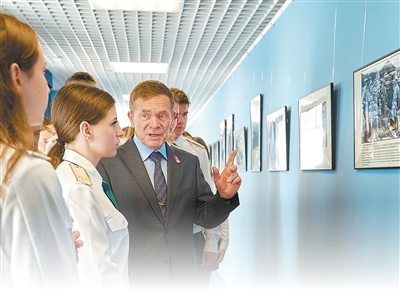
塞尔维亚举行活动纪念中国人民抗日战争暨世界反法西斯战争胜利80周年
Xin Hua She· 2025-09-10 13:15
Core Viewpoint - The event commemorating the 80th anniversary of the victory in the Chinese People's Anti-Japanese War and the World Anti-Fascist War highlights the historical sacrifices made by China and Serbia during World War II, emphasizing the importance of maintaining international justice and friendship between the two nations [1]. Group 1 - The commemoration event took place in Belgrade, Serbia, featuring a performance of the Chinese folk song "Jasmine Flower" by a Serbian girl [1]. - The event was organized by the Serbian Ministry of Labor, Employment, Veterans and Social Affairs, the Association of Veterans of the People's Liberation War, and the New Belgrade District Government [1]. - Over a hundred guests attended, including Chinese Ambassador to Serbia Li Ming and Serbian National Assembly Vice President Ragus [1]. Group 2 - Li Ming stated that both China and Serbia made significant sacrifices during World War II, forming a strong bond of friendship through their struggles against fascism [1]. - Ragus emphasized that the commemoration serves not only as a remembrance but also as a reminder to learn from history [1]. - The event included an exhibition showcasing images from the Chinese People's Anti-Japanese War and the NATO bombing of Yugoslavia in 1999, honoring the martyrs of the wars [1].
多国人士称赞中国抗战胜利纪念活动:传递和平 意义重大
Yang Shi Xin Wen Ke Hu Duan· 2025-09-07 07:42
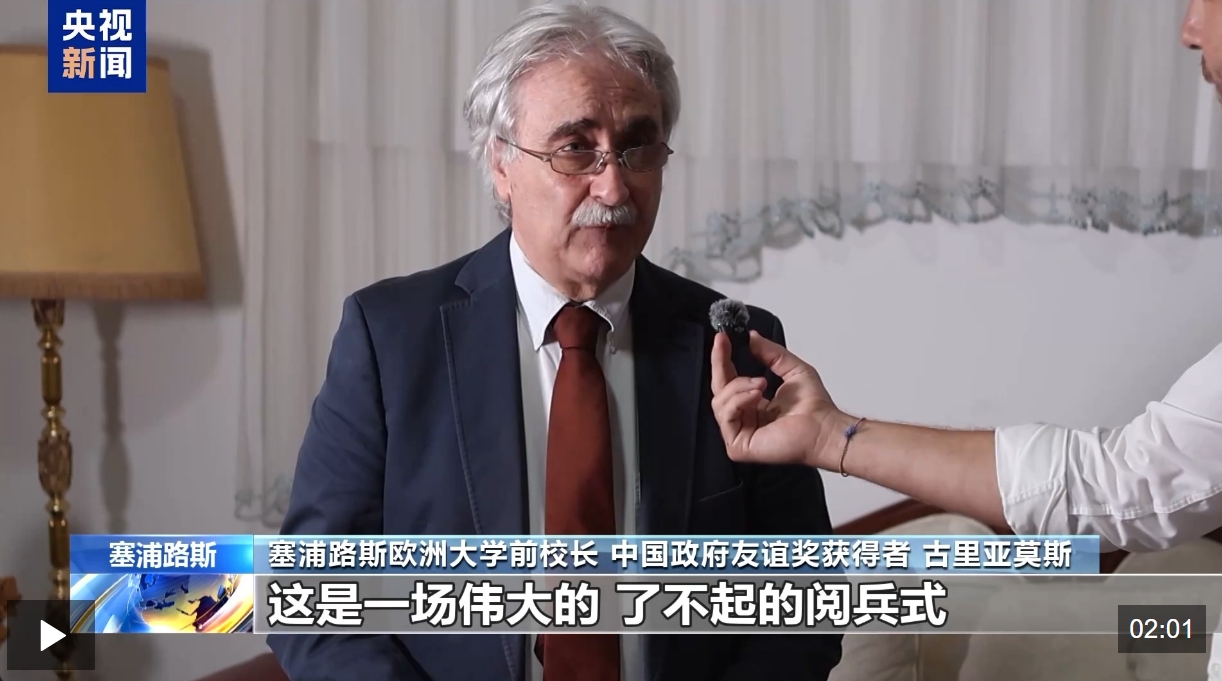
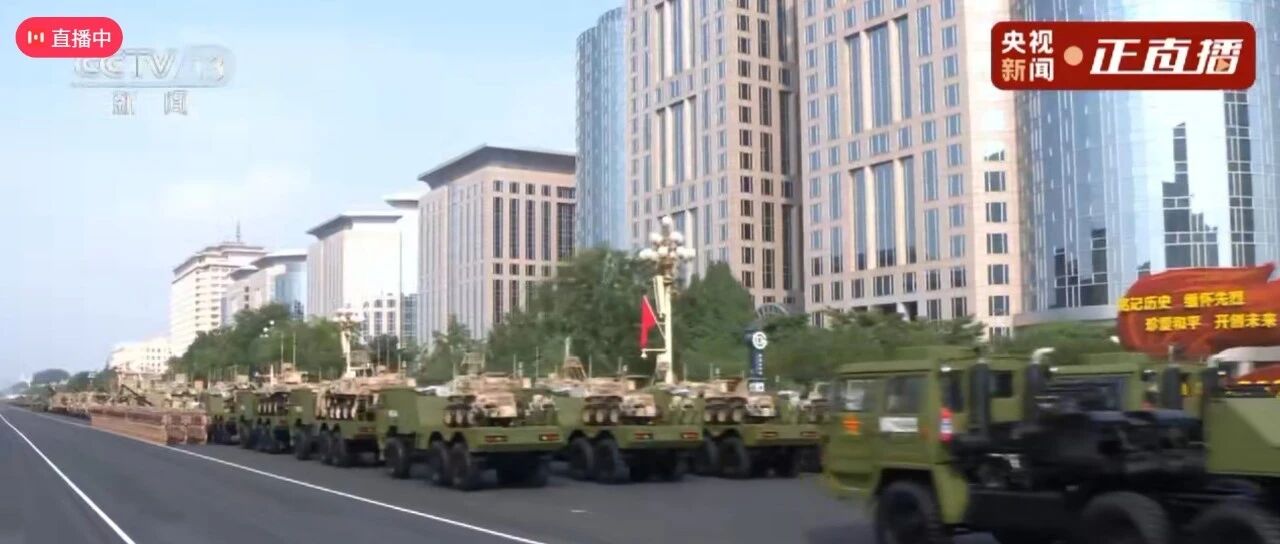
Core Points - The 80th anniversary of the victory in the Chinese People's Anti-Japanese War and the World Anti-Fascist War has garnered significant international attention, with many foreign individuals expressing the importance of President Xi Jinping's speech and the meaningfulness of the commemorative activities [2][3][4]. Group 1 - The event was described as a grand and remarkable military parade, conveying messages of peace, unity, and justice [2]. - President Xi's speech emphasized the importance of learning from history to avoid repeating past mistakes, urging all nations to strive for harmonious coexistence [3]. - The significance of the victory in the Anti-Fascist War was highlighted as crucial for both the German people and the Chinese, stressing the importance of maintaining peace and remembering history [4]. Group 2 - The military parade was noted for its impressive display and strong atmosphere, showcasing the patriotic spirit of the Chinese people and their unity with anti-fascist nations [5]. - There is a perception that Europeans sometimes view World War II from a Eurocentric perspective, lacking awareness of China's contributions, which could provide valuable insights [6]. - The display of technological strength during the parade, particularly in missile defense systems and aviation equipment, underscored the development level of China's defense technology industry [7].
纪念抗战胜利80周年丨胜利的歌声 正义的回响——纪念中国人民抗日战争暨世界反法西斯战争胜利80周年文艺晚会侧记
Xin Hua She· 2025-09-05 00:14
Core Viewpoint - The event commemorates the 80th anniversary of the victory in the Chinese People's War of Resistance Against Japanese Aggression and the World Anti-Fascist War, emphasizing the importance of remembering history and honoring the sacrifices made by heroes [1][12]. Group 1: Event Overview - The event took place on September 3 at the Great Hall of the People, attended by approximately 6,000 individuals, including national leaders and foreign guests [1]. - The evening began with a performance of "I Love You, China," featuring veterans and youth, symbolizing the connection between past sacrifices and present patriotism [1][2]. Group 2: Historical Significance - The event highlighted key historical moments, starting from the September 18 Incident in 1931, which marked the beginning of Japanese aggression in Northeast China [2]. - The performances included depictions of heroic figures from the Chinese Communist Party and the sacrifices made during the war, such as those of Yang Jingyu and Zhao Yiman [5][9]. Group 3: Artistic Expressions - Various artistic forms were utilized, including dance, poetry, and music, to convey the emotional weight of the anti-Japanese struggle and the resilience of the Chinese people [6][10]. - The performance "This Light" showcased the spirit of youth and the contributions of the Chinese Communist Party during the war, emphasizing the importance of collective effort [8][9]. Group 4: Legacy and Future - The event concluded with a message of hope and strength, reflecting on the achievements of modern China and the importance of continuing the legacy of resistance and unity [14][15]. - The final performances celebrated the progress of the nation, with themes of prosperity and collective dreams for the future [14][15].
阅兵为何放在9月3日这一天?
首席商业评论· 2025-09-03 01:37
Core Viewpoint - The significance of September 3rd as the anniversary of the victory in the Chinese People's War of Resistance Against Japanese Aggression and the World Anti-Fascist War is rooted in historical events, particularly Japan's formal surrender on September 2, 1945, which marked the end of World War II and the Chinese resistance [4][6][7]. Summary by Sections - The signing of Japan's unconditional surrender took place on September 2, 1945, on the USS Missouri, with Japanese Foreign Minister Shigemitsu and General Umezu representing Japan [4]. - The surrender document included obligations such as ceasing hostilities, releasing prisoners of war, and disarmament [6]. - Following the surrender, on September 3, 1945, the Chinese government declared this day as the "Victory Day of the War of Resistance Against Japan," establishing it as a significant historical date [7]. - The choice of September 3rd is intended to highlight China's victory in the Eastern theater of World War II and to commemorate historical memory, with military parades held in significant years [7]. - The 70th anniversary of the victory was marked by a grand military parade on September 3, 2015, emphasizing China's contributions during World War II and promoting a message of peace and anti-fascism [7].
赓续光荣传统 谱写友谊新篇(大使随笔·以史为鉴 共护和平)
Ren Min Ri Bao· 2025-09-03 00:48
Core Points - The year marks the 80th anniversary of the victory in the Chinese People's Anti-Japanese War and the World Anti-Fascist War, emphasizing the importance of adhering to a path of peaceful development [1] - The historical contributions of the Chinese and Serbian peoples in the anti-fascist struggle are highlighted, showcasing their sacrifices and the establishment of a strong international anti-fascist front [1][2] - The relationship between China and Serbia has been strengthened through shared historical experiences and strategic leadership, with plans for high-level visits and the establishment of a "community of shared future" [3] Summary by Sections - **Historical Context** - The victory in the anti-fascist wars serves as a reminder of the need for peace and development [1] - Both nations contributed significantly to the anti-fascist efforts, with China being the first to engage in the struggle [1][2] - **Bilateral Relations** - The establishment of diplomatic relations between China and Serbia in 1955 initiated a long-standing friendship [2] - Recent years have seen a high-level operation of China-Serbia relations, with upcoming state visits planned [3] - **Commemoration and Future Cooperation** - Both countries are commemorating the victories of the anti-fascist wars, reinforcing their historical ties and commitment to peace [3] - China expresses willingness to continue collaboration with Serbia to uphold the outcomes of World War II and maintain international order [4]