关键矿产联盟

Search documents
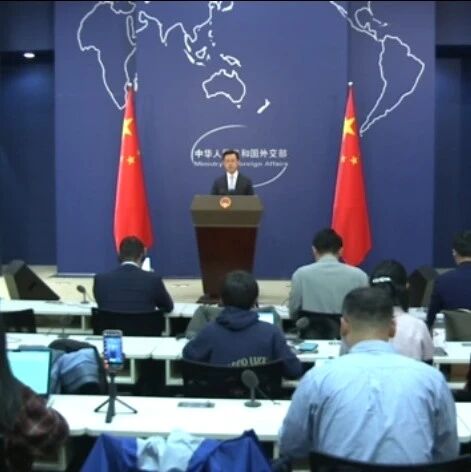
特朗普下令重启美国核试验,外交部回应
证券时报· 2025-10-30 09:07
Group 1 - The Chinese government emphasizes the importance of adhering to the Comprehensive Nuclear-Test-Ban Treaty and maintaining global strategic stability in response to U.S. nuclear testing remarks [2] - China expresses concern over the U.S. and South Korea's plans to build nuclear-powered submarines, urging both parties to fulfill their non-proliferation obligations and promote regional peace [2] - In response to the G7's proposed "critical minerals" alliance, China asserts that its export control measures align with international practices and calls for adherence to market economy principles to maintain global economic stability [3]

印度断供日本稀土,挥刀自保,战略矿产成新冷战前线
Sou Hu Cai Jing· 2025-06-15 04:19
Core Viewpoint - India has paused rare earth exports, primarily targeting Japan, as part of a strategic shift towards controlling processing and technology sovereignty rather than merely exporting resources [1][3][4]. Group 1: Strategic Shift - The Indian government has directed the Indian Rare Earths Limited (IREL) to halt exports to Japan, indicating a move from "export for money" to "processing control" [1][4]. - This decision reflects India's desire to replicate China's dominance in the rare earth supply chain, aiming for greater bargaining power by enhancing domestic processing capabilities [4][6]. Group 2: Geopolitical Context - The backdrop of this decision includes the escalating US-China tech war, which has redefined rare earths as strategic minerals, impacting production schedules for high-tech manufacturers in the US, Japan, and South Korea [3][6]. - India's action is seen as a geopolitical maneuver, aiming to rebalance resource distribution and assert its role in the global supply chain [4][7]. Group 3: Challenges and Implications - Despite the strategic intentions, India faces significant challenges in transitioning to a processing powerhouse, including inadequate industrial capacity, infrastructure, and talent [6][9]. - The halt in exports could strain Japan's supply chain, which has been trying to diversify its rare earth sources, potentially leading to increased reliance on China [6][9]. Group 4: Global Supply Chain Dynamics - India's decision introduces uncertainty into the global critical mineral diplomacy, as it was expected to be a key player in the US-led effort to reduce dependence on China [7][9]. - The situation may inadvertently benefit China, as Japan's dependence on Chinese rare earths could increase due to India's export pause [9].