关键矿产联盟

Search documents
特朗普一口气拉来55国,要用稀土跟中国扳手腕,怎料有内鬼
Sou Hu Cai Jing· 2026-02-07 14:20
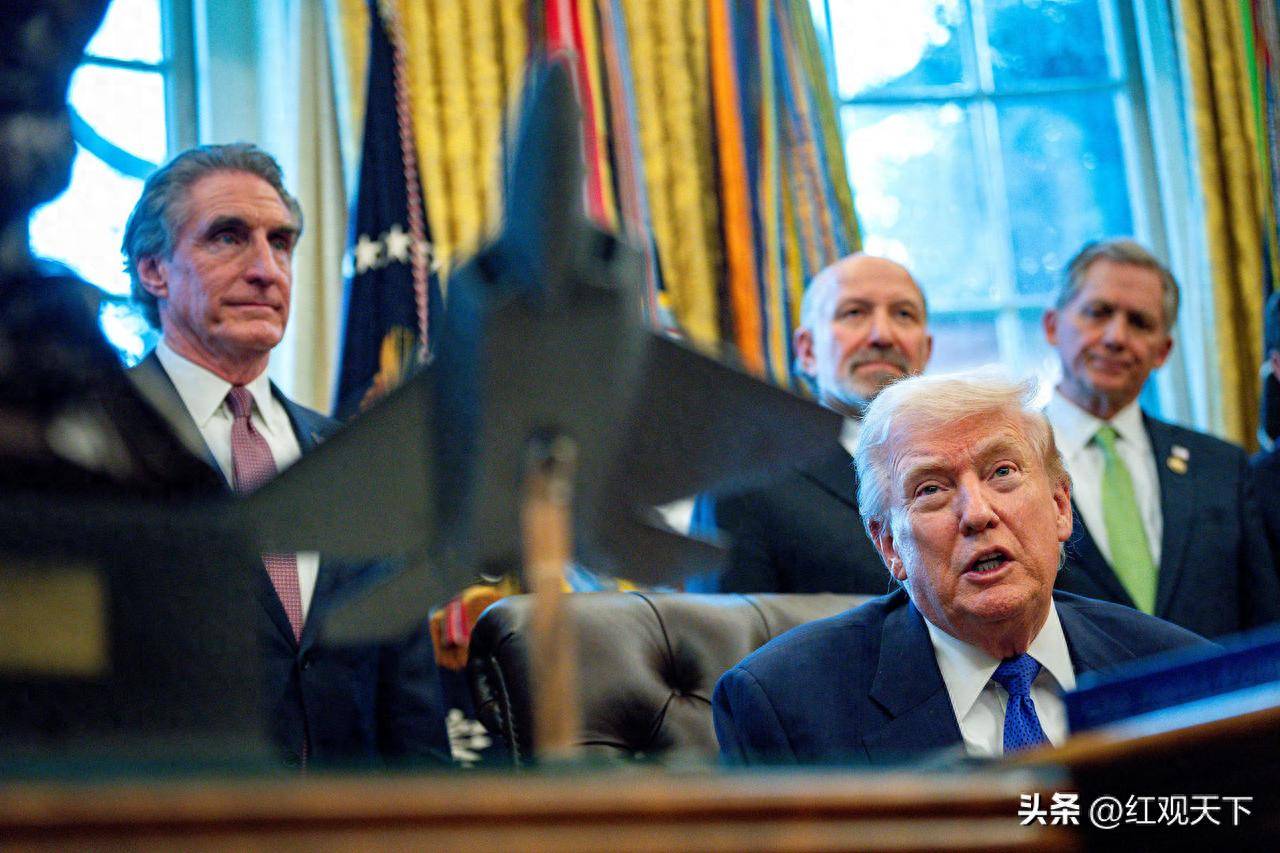
Group 1 - The core idea of the article revolves around the formation of a new alliance by the U.S. aimed at competing with China in the rare earth sector, which is complicated by internal conflicts within the alliance [1][3]. - On February 4, the U.S. White House convened a ministerial meeting with 55 countries to promote a so-called critical minerals alliance, which is portrayed as a means to ensure the security of mineral supply chains, but is seen as a façade for U.S. geopolitical maneuvering [3][5]. - The U.S. aims to reduce dependence on China by using critical minerals as a political tool, with plans to establish a minimum price for these minerals, indicating a shift from market-driven pricing to a system controlled by Western nations [5][6]. Group 2 - The U.S. has initiated a nearly $12 billion plan to support this alliance, with potential additional funding of $70 billion from Congress, highlighting the significant financial commitment to this geopolitical strategy [5][6]. - The effectiveness of the alliance is questioned due to the lack of advanced mineral refining technology, which is crucial for turning raw materials into usable products, posing a major barrier to achieving the alliance's goals [6][8]. - Despite the appearance of unity among the 55 countries, there are underlying fractures, particularly with South Korea, which publicly supports the alliance while simultaneously seeking to strengthen ties with China for its critical industries [8][10].

一周热榜精选:AI冲击波下硅谷蒸发万亿,美伊核谈判转战阿曼
Jin Shi Shu Ju· 2026-02-06 13:29
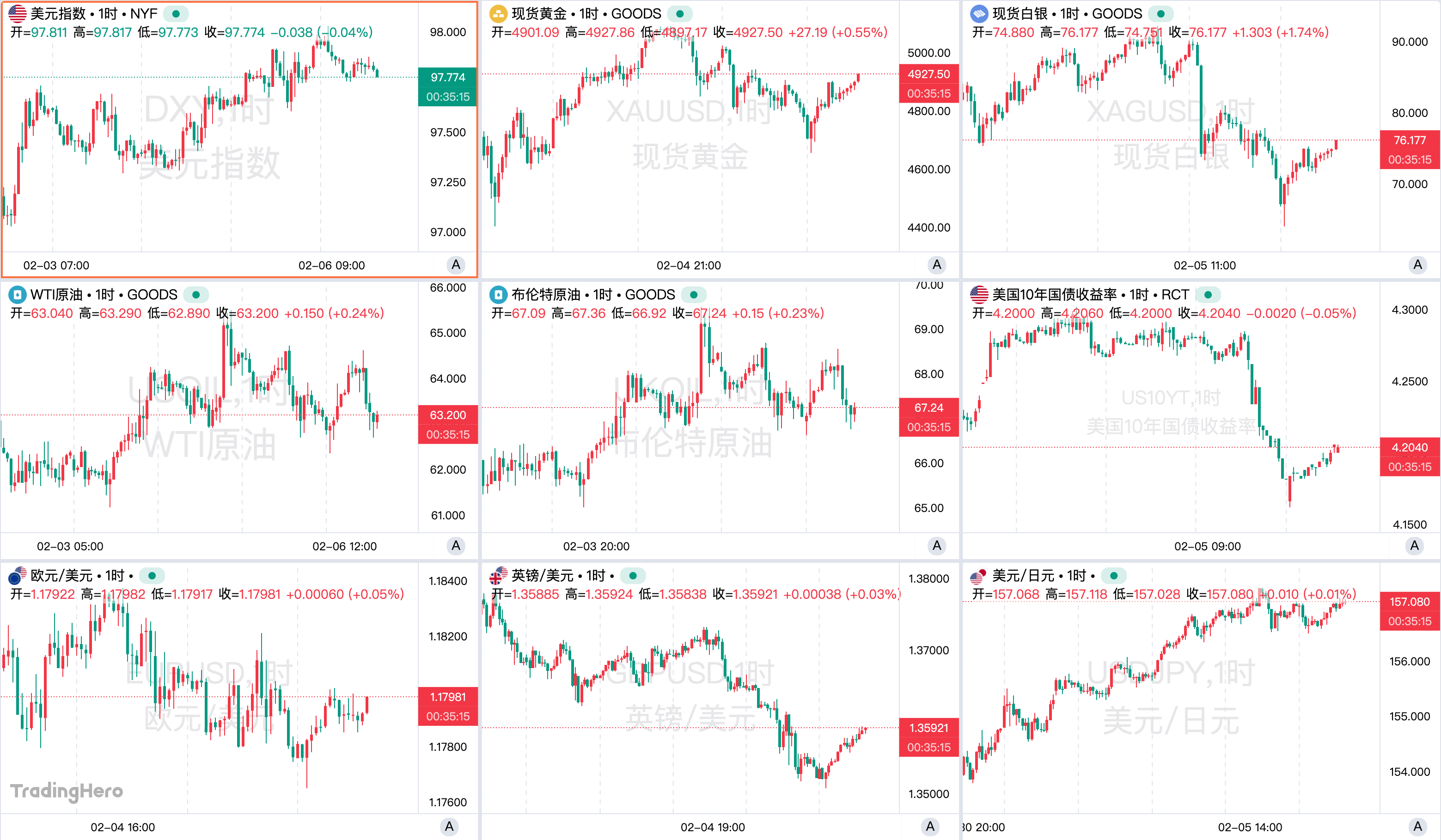
Market Overview - The US dollar index showed a strong fluctuation throughout the week, driven by expectations of potential Fed leadership changes and positive manufacturing data [1] - Precious metals experienced extreme volatility, with significant sell-offs followed by sharp rebounds, indicating ongoing structural selling pressure [1] - Non-US currencies saw the Japanese yen weaken due to interest rate differentials, while the Australian dollar remained strong supported by risk appetite and rate hikes [1] Oil Market - International oil prices trended weakly, influenced by easing US-Iran relations and geopolitical tensions, leading to a downward shift in oil price levels [2] - The tech sector in the US stock market faced significant declines, with the Nasdaq dropping approximately 4% and tech stocks losing over $1 trillion in market value [2] Investment Bank Insights - Goldman Sachs noted that Western capital flows dominated the gold market in January, with upward price risks anticipated [5] - Morgan Stanley highlighted that under strong central bank demand, gold prices could reach $6,300 per ounce by the end of 2026 [5] - The outlook for the gold bull market remains positive, although its eventual conclusion appears clearer [5] Major Events - The US non-farm payroll report and CPI data have been postponed due to a government shutdown, with employment indicators showing weak signals [6][7] - A significant increase in planned layoffs in January was reported, with a year-on-year rise of 118%, indicating a cooling labor market [7] US-Iran Nuclear Negotiations - US-Iran nuclear talks have resumed in Oman, focusing solely on nuclear issues, with both sides maintaining a non-direct dialogue [11][12] - The US government has issued security warnings for its citizens in Iran, urging immediate departure [13] US-India Trade Agreement - A significant trade agreement between the US and India was reached, reducing tariffs on Indian goods from 50% to 18% in exchange for India lowering trade barriers and adjusting energy procurement [14][15] - India plans to procure over $500 billion in US products, marking a substantial easing of trade tensions [15] Key Mineral Alliance - The US, EU, and Japan announced the formation of a critical mineral supply chain alliance, aiming to stabilize and secure the global supply chain [17] - The US plans to initiate a strategic critical mineral reserve project to support manufacturers [17] SpaceX Acquisition - SpaceX announced the acquisition of AI startup xAI, aiming to integrate AI with its space operations, potentially increasing its valuation to $1.25 trillion [18] - The long-term vision includes establishing a permanent base on the moon to manufacture satellites [19] Software Sector Concerns - A panic sell-off in the software sector has emerged due to fears that AI could disrupt traditional software business models, leading to significant market value losses [20] - Major tech executives have countered these fears, emphasizing the potential for AI to enhance rather than replace existing software tools [21] Central Bank Policy Divergence - The Reserve Bank of Australia raised interest rates by 25 basis points, while the Bank of England and European Central Bank opted to maintain their rates [22][23] - The ECB's decision reflects a stable economic growth outlook in the Eurozone, with inflation near target levels [23] AI Regulation in WeChat - WeChat has tightened regulations on AI product promotions, limiting the sharing of promotional links and codes, impacting the marketing strategies of major AI companies [24]
美国急拓资源版图,带50多家美企组团,盯上中亚
Xin Lang Cai Jing· 2026-02-06 03:30
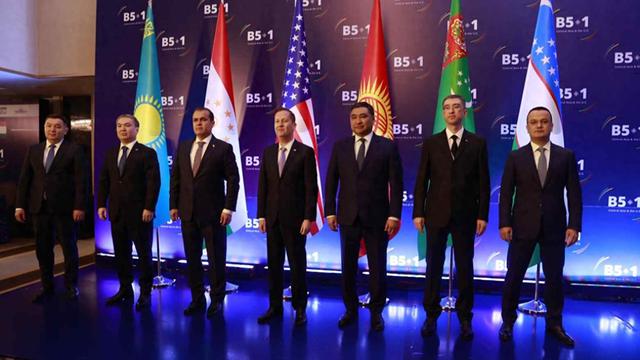
Group 1 - The U.S. is accelerating its focus on Central Asia as a key supplier of critical minerals amid intensifying global supply chain competition [1] - U.S. Special Envoy for South and Central Asia, Sergio Gor, announced plans to develop Central Asia into a major source of critical minerals at the B5+1 Business Forum in Bishkek, Kyrgyzstan [1] - The forum featured a large delegation of over 50 U.S. companies, marking one of the largest U.S. business delegations to the region [1] Group 2 - The U.S. government aims to establish partnerships in Central Asia to ensure mutual benefits, with critical minerals being a core agenda item [1] - The U.S. has already begun strategic initiatives, including the establishment of a 43-kilometer transit corridor between Azerbaijan and its exclave Nakhchivan, named the "Trump International Peace Prosperity Road" [2] - Connectivity is a key interest for the U.S. in the region, as it seeks to enhance relations with Central Asia [2] Group 3 - The U.S. requires diversified sources for critical mineral production, viewing Central Asia as a valuable partner [4] - Kazakhstan has expressed readiness to play a central role, being the world's largest uranium producer, supplying about 40% of global demand [4] - Kazakhstan's tungsten mining project, supported by U.S. funding, aims to reduce reliance on Chinese supplies, with the country holding approximately 20.7% of global tungsten reserves [5] Group 4 - Despite efforts to form a "critical minerals alliance," many participating countries at the recent U.S. conference showed reluctance to commit to agreements, indicating a cautious approach towards collaboration [5] - China's stance emphasizes the importance of maintaining stability and security in the global supply chain for critical minerals, advocating for constructive dialogue among nations [5]
双焦(JM&J):20260206申万期货品种策略日报-20260206
Shen Yin Wan Guo Qi Huo· 2026-02-06 01:43
Report Summary 1. Report Industry Investment Rating No information provided. 2. Core View - Yesterday night, the main contracts of coking coal and coke fluctuated. The total position of coking coal remained basically flat compared with the previous day. According to Steel Union data, the output of the five major steel products this week remained basically flat compared with the previous week, the total inventory increased significantly, and the increase was mainly contributed by rebar. As the Spring Festival approaches, the off - season characteristics are significant. The overall apparent demand dropped significantly, the molten iron output and the profitability rate of steel mills remained basically flat, and the incremental demand for coking coal and coke was limited. However, the recent disturbances in the import of Indonesian coal and the downstream's rigid - demand restocking before the festival can provide strong support for the market. In the future, focus on the trend of molten iron output, changes in downstream inventory, and the clearance volume of foreign coal [3]. 3. Key Data Summary Futures Market - **Price and Change**: - For coking coal, the previous day's closing prices for January, May, and September contracts were 1414.0, 1172.0, and 1248.0 respectively, with price changes of - 31.0, - 37.0, and - 33.5, and decline rates of - 2.15%, - 3.06%, and - 2.61% respectively. - For coke, the previous day's closing prices for January, May, and September contracts were 1888.0, 1738.0, and 1804.0 respectively, with price changes of - 25.0, - 32.0, and - 27.5, and decline rates of - 1.31%, - 1.81%, and - 1.50% respectively [3]. - **Trading Volume and Open Interest**: - For coking coal, the trading volumes for January, May, and September contracts were 2682, 1191972, and 59968 respectively, and the open interests were 6606, 490404, and 89122 respectively, with open - interest changes of - 367, - 28277, and 615 respectively. - For coke, the trading volumes for January, May, and September contracts were 36, 17978, and 743 respectively, and the open interests were 488, 36469, and 1728 respectively, with open - interest changes of 20, - 3251, and - 116 respectively [3]. - **Spread**: - For coking coal, the spreads of January - May, May - September, and September - January were 240, - 79.5, and - 160.5 respectively, with spread changes of 306, 2.5, and - 308.5 respectively. - For coke, the spreads of January - May, May - September, and September - January were 160.5, - 77.5, and - 83 respectively, with spread changes of 429.5, 2, and - 431.5 respectively [3]. Spot Market - **Prices and Changes**: The current prices of Mongolian No. 5 coking coal (port self - pick - up price), low - sulfur coking coal (Linfen ex - works price), low - sulfur coking coal (Taiyuan rail - side price), Tangshan Grade I coke (ex - works price), Jinzhong quasi - Grade I coke (ex - works price), and Rizhao Port quasi - Grade I coke (warehouse - out price) were 1230, 1570, 1491, 1855, 1330, and 1480 respectively. The price changes were 0, - 70, 0, 0, 0, and 0 respectively [3].
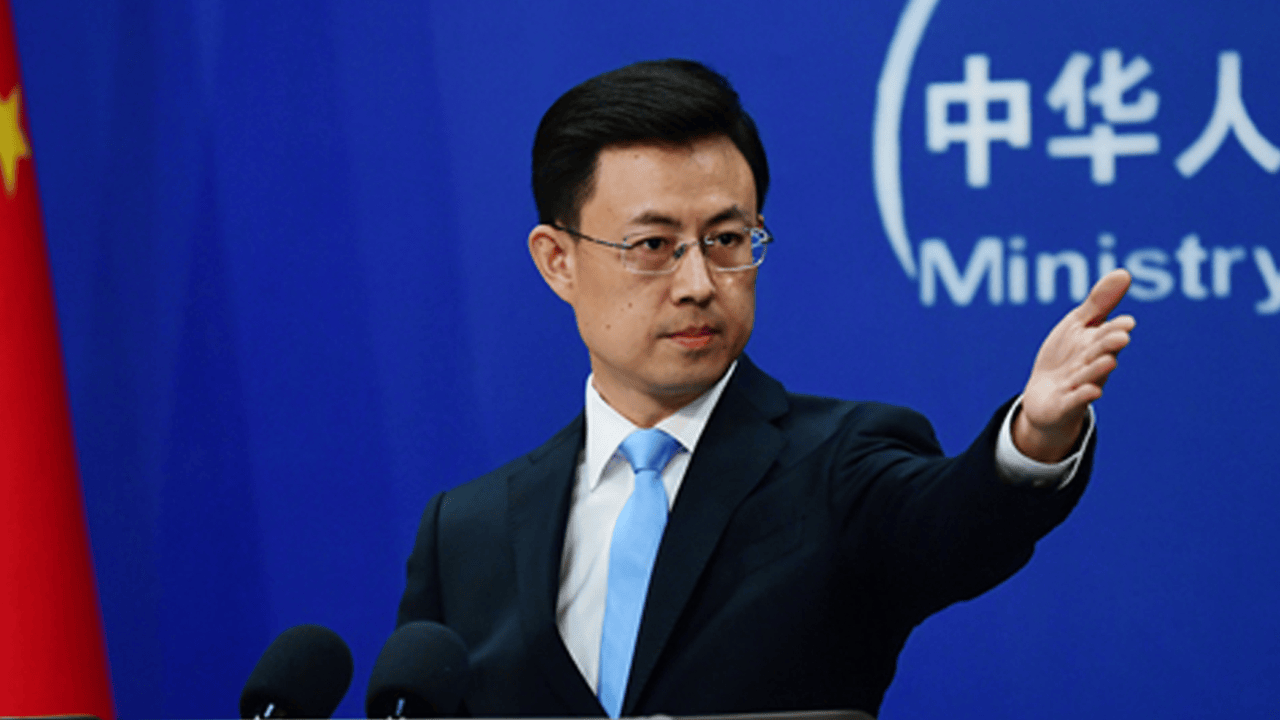
美正式组建关键矿产联盟,外交部:反对以小圈子的规则破坏国际经贸秩序
Xin Lang Cai Jing· 2026-02-05 07:44
Group 1 - The core viewpoint is that maintaining an open, inclusive, and equitable international trade environment aligns with the common interests of all countries [2][3] - All parties have a responsibility to contribute constructively to the stability and security of the global supply chain for critical minerals [2][3] - There is opposition to any country attempting to undermine international economic and trade order through exclusive rules [2][3]
美国拉盟友开关键矿产会议
Xin Lang Cai Jing· 2026-02-05 05:51
Group 1 - The core objective of the U.S. convening the inaugural Critical Minerals Ministerial Meeting is to strengthen global supply chains and reduce reliance on China for critical minerals, with participation from representatives of over 50 countries [1][2] - Despite the U.S. State Department's efforts to rally support, many attending countries are hesitant to commit to cooperation with the U.S. to establish an alternative supply chain bypassing China [1][2] - The recent diplomatic tensions arising from President Trump's comments regarding Greenland have negatively impacted the willingness of allies to engage in U.S.-led initiatives [2] Group 2 - The European Union is preparing to propose a partnership with the U.S. to establish a critical minerals relationship, including a memorandum of understanding to create a strategic partnership roadmap within three months [2] - The focus of the new proposal emphasizes not only mining but also the construction of market systems, pricing mechanisms, and trade cooperation based on standards, marking a shift from previous initiatives [3] - The inclusion of a clause emphasizing mutual respect for territorial integrity in the EU's proposal highlights the intertwining of mineral diplomacy with geopolitical considerations [3]
欲修复受损美欧关系?美国拉多国商讨“关键矿产联盟”
Huan Qiu Shi Bao· 2026-02-02 22:47
Core Viewpoint - The upcoming ministerial meeting on critical minerals in Washington is seen as a significant step to repair the damaged US-EU relations due to tariffs and other conflicts [1][2]. Group 1: Meeting Details - The first ministerial meeting on critical minerals will be held in Washington, hosted by US Secretary of State Rubio, aiming to strengthen the critical mineral supply chain with international partners [1]. - Officials from the US, EU, UK, Japan, Australia, New Zealand, and 55 other countries from Asia, Europe, Latin America, and Africa are expected to attend [2]. - The meeting will involve over 20 countries, with notable participation from resource-rich African nations like Kenya and Guinea [2]. Group 2: Strategic Implications - The meeting is viewed as an opportunity for the US to mend its relations with the EU, which have been strained under the new administration [2]. - The EU is likely to use this meeting to pressure the US into lifting new tariffs on steel and aluminum derivatives, which were first announced in August of last year [2]. - The frequent US actions in the critical minerals sector have raised alarms in the EU, prompting it to advance the establishment of its own "critical minerals center" [2]. Group 3: Concerns from Australia and Africa - Australia is particularly focused on the issue of minimum pricing for critical minerals and is urging the US to prioritize this topic during the meeting [3]. - The African Security Analysis Network emphasizes Africa's central role in the international mineral supply chain and suggests that the meeting could lead to a new phase in non-US relations [3]. - African nations face the challenge of converting US strategic demands for critical minerals into structural advantages, enhancing local value addition and industrial capacity for long-term development [3].
多国拟磋商建立关键矿产联盟
Guo Ji Jin Rong Bao· 2026-02-02 12:16
Group 1 - The upcoming ministerial meeting in Washington will involve officials from the US, EU, UK, Japan, Australia, and New Zealand discussing the establishment of a strategic alliance around critical minerals, with participation from Canada, India, South Korea, Mexico, and Argentina [1] - This summit is viewed as a significant step towards repairing transatlantic partnerships and is aimed at reducing reliance on China for critical minerals, particularly rare earth resources essential for modern manufacturing [1] - The US State Department emphasized the importance of strengthening cooperation on critical mineral supply chains for the US economy, national security, technological leadership, and building a resilient energy future [1] Group 2 - EU officials express a desire for a more stable cooperation framework with the US on strategic issues like critical minerals, moving away from past tensions over tariffs [2] - Australia has announced a strategic mineral reserve worth AUD 1.2 billion, focusing on key minerals susceptible to supply disruptions, including antimony and gallium [2] - The EU is expected to urge the US to eliminate recently introduced tariffs on global steel derivatives during the meeting, which could impact various products including aluminum doors and offshore wind turbines [2] Group 3 - The first steel derivatives tariff list was published last August, with a second list potentially covering up to 700 products still pending [3] - EU officials criticize the US for its ongoing threats of new tariffs based on various reasons, calling for an end to such practices [3]
稀土技术主导国中国,拒绝哈国借道输美请求,掌握主动权
Sou Hu Cai Jing· 2025-12-05 11:44
Core Viewpoint - The discovery of a rare earth mine in Kazakhstan with over 20 million tons of reserves has attracted significant investment from U.S. companies, but challenges remain due to China's dominance in processing and geopolitical factors [1][3][11]. Group 1: Investment and Geopolitical Context - In April, Kazakhstan confirmed a rare earth deposit, prompting U.S. companies to invest $110 million for potential collaboration [3][11]. - Kazakhstan's geographical limitations and the instability of traditional export routes due to the Russia-Ukraine conflict complicate its ability to sell rare earths to the U.S. [3][5]. - The U.S. aims to reduce reliance on China for critical minerals, with Kazakhstan's involvement seen as a strategic move in this direction [11][41]. Group 2: Processing Challenges - U.S. companies face significant hurdles in processing rare earths, as they require substantially more hydrochloric acid compared to Chinese operations, indicating a major efficiency gap [17][19]. - The U.S. currently produces only about 5% of the world's rare earths, with processing capabilities lagging behind China, which dominates the market [13][17]. - The technical barriers to refining rare earths are high, and the investment required to overcome these challenges is substantial, indicating a long-term issue rather than a short-term fix [11][21]. Group 3: Regulatory Landscape - China has implemented new regulations that require permits for products containing a minimum percentage of Chinese-origin rare earths, tightening control over the supply chain [25][27]. - The strategic maneuvering by China reflects a shift from broad management to more precise regulatory frameworks, impacting international trade dynamics [25][27]. - The U.S. is attempting to navigate these regulations while balancing its own domestic needs and international partnerships, particularly with Kazakhstan [29][33]. Group 4: Future Implications - The ongoing geopolitical struggle over rare earths is reshaping global supply chains, with significant implications for industries reliant on these materials, such as electric vehicles and high-tech manufacturing [41][45]. - Predictions indicate that continued decoupling between the U.S. and China in critical minerals could lead to increased production costs and delays in the transition to electric vehicles [45][49]. - The competition is evolving from resource acquisition to defining rules and standards, highlighting the importance of technological advancement in determining future market dynamics [49][51].
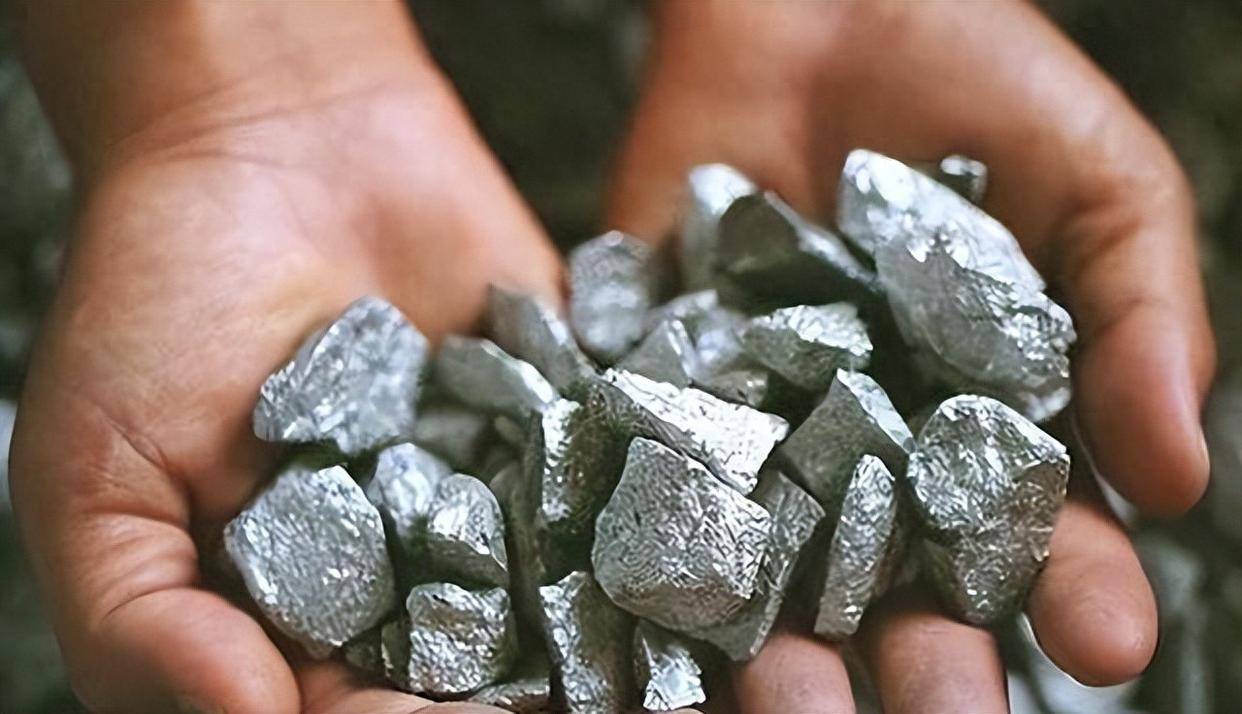
重磅!西方七国欲掀全球矿产市场牌桌,中国一句话点破真相,引国际社会广泛关注
Sou Hu Cai Jing· 2025-10-30 13:41
Group 1 - The core viewpoint emphasizes that the competition for critical minerals has evolved from traditional trade to a strategic battle over rules and regulations, with significant implications for national development rights [1][3]. - Critical minerals, such as lithium, cobalt, and rare earths, are essential for the digital age and are compared to "oil of the 21st century," highlighting their strategic value in the new energy era [3]. - China's comprehensive industrial chain in critical minerals, developed through years of technological accumulation and market expansion, contrasts with the G7's approach of forming exclusive alliances [3][6]. Group 2 - The G7's initiative to form a minerals alliance reflects a pragmatic attitude towards international rules, which may undermine market order and create a dual standard in global trade [5][6]. - China's advantage in the critical minerals sector is attributed to continuous innovation in extraction technology and environmental processes, rather than trade protectionism [6][8]. - The establishment of a global supply chain network by Chinese companies, from cobalt mines in the Democratic Republic of Congo to nickel mines in Indonesia, showcases a stark contrast to the G7's closed alliance model [8]. Group 3 - The potential negative impacts of the G7's minerals alliance include increased costs for global clean energy, disruption of existing supply chains, and risks of fragmentation in the international trade system [10]. - China's commitment to open cooperation in the face of geopolitical competition is underscored by its focus on maintaining legitimate rights while promoting collaborative efforts for mutual benefit [10][12]. - The future competition in the critical minerals sector will hinge on the ability to build inclusive and equitable global industrial chains, rather than forming exclusive clubs [12].