古法金

Search documents
两个多月9次新高!节日促销遇金价高位,这类饰品受宠
券商中国· 2025-03-08 23:28
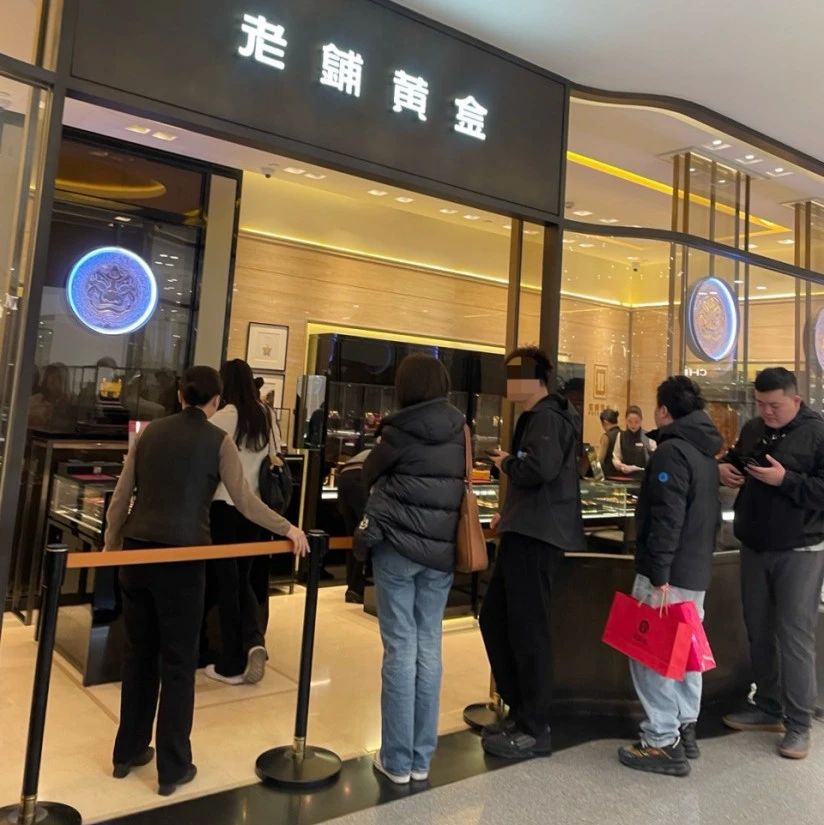
Core Viewpoint - The article discusses the impact of high gold prices on consumer behavior and the retail market for gold jewelry, particularly during the International Women's Day shopping period. It highlights a shift in consumer preferences towards "fixed-price" gold products due to high gold prices and weak demand for traditional gold jewelry [2][10]. Group 1: Consumer Behavior and Market Trends - On March 8, International Women's Day, shopping malls in Beijing experienced high foot traffic, but the enthusiasm for gold purchases has diminished compared to previous occasions like Valentine's Day [1][4]. - The demand for gold jewelry in China is projected to decrease by 24% year-on-year in 2024, as consumers are shifting towards more intricately designed "fixed-price" gold products due to high gold prices and weak consumption [2][10]. - Sales personnel noted that while there were still some customers purchasing gold items, the queues were significantly shorter than during peak shopping events, indicating a cooling off in consumer frenzy [4][7]. Group 2: Pricing and Promotions - Many gold retailers, including Lao Pu Gold, have implemented price increases ranging from 5% to 12% since late February, which has affected consumer purchasing behavior [6][10]. - Despite the lack of promotional activities for International Women's Day, some consumers still opted to purchase gold items, citing the quality and design as justifications for the higher prices [7][8]. - Retailers like Chow Tai Fook and Lao Feng Xiang offered various discounts for gold products, but overall foot traffic was lower than expected due to rising gold prices [8][9]. Group 3: Market Outlook - Analysts predict that gold prices will continue to rise in the long term, supported by ongoing central bank purchases and strong investment demand [10]. - The trend towards "fixed-price" gold products is expected to grow, as they often offer better design value and align with the preferences of younger consumers [10].

8个月13倍!超越腾讯成股价一哥!太疯狂了!
格隆汇APP· 2025-03-05 11:31
Core Viewpoint - The article discusses the remarkable rise of Laopu Gold, which has seen its stock price soar despite a general downturn in the gold jewelry market, highlighting its unique positioning and marketing strategy [2][3][10]. Group 1: Company Performance - Laopu Gold's stock price increased by 11.73% to 600 HKD, surpassing Tencent to become the highest-priced stock in the Hong Kong market [3]. - The stock has risen over 13 times since its IPO at 40.5 HKD, achieving a market capitalization exceeding 100 billion HKD [3]. - The company forecasts a net profit of 1.4 to 1.5 billion RMB for 2024, representing a year-on-year growth of 236% to 260% [10]. Group 2: Market Context - Despite rising gold prices, the overall demand for gold jewelry in China has declined, with a reported 24.69% drop in consumption volume to 532.02 tons in 2024 [15]. - Major competitors like Chow Tai Fook and Luk Fook have reported significant revenue declines, with Chow Tai Fook's revenue down 20.43% and net profit down 44.4% [17]. Group 3: Unique Positioning - Laopu Gold differentiates itself by offering high-priced products based on "ancient craftsmanship," with average prices exceeding 1,000 RMB per gram, positioning itself as the "Hermès of gold" [19][20]. - The company operates a luxury retail model, providing high-end customer service and amenities, which has contributed to its strong sales performance [21][22]. Group 4: Financial Metrics - Laopu Gold achieved nearly 200% net profit growth in the first half of the year, contrasting sharply with the declines seen by other brands [18]. - The company reported a gross margin consistently above 40%, significantly higher than competitors whose margins range from 20% to 30% [25][26]. Group 5: Challenges and Concerns - Laopu Gold's market share in the ancient gold segment is only 2%, with larger competitors capturing 46.1% of the market [45]. - The company relies heavily on outsourced production, with 41% of its output coming from external sources, raising concerns about quality and stability [48]. - Rising accounts receivable and inventory levels indicate potential future challenges, with accounts receivable increasing by 124.25% and inventory by 119% [53][55].