商业地产转型

Search documents
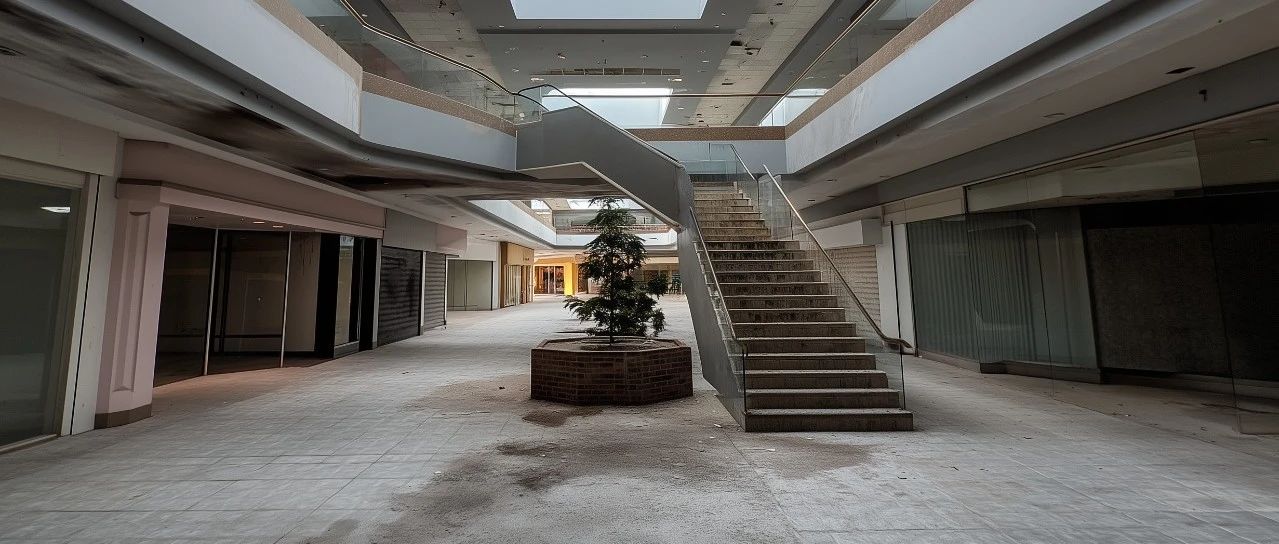
越来越多商场,开始被抛弃了
创业邦· 2025-06-17 10:18
Core Viewpoint - Shanghai is experiencing a commercial supply surplus, with an increasing number of shopping centers opening but not translating into higher consumer spending [10][9][6]. Group 1: Commercial Landscape in Shanghai - Shanghai has over 400 shopping centers, with one large shopping center for every 80,000 people, compared to Tokyo's one for every 200,000 [3][4]. - The per capita commercial area in Shanghai is second only to Dubai and is three times that of Tokyo [5]. - In 2023, approximately 60 new commercial projects are expected to open in Shanghai, totaling over 3 million square meters [6]. Group 2: Consumer Spending Trends - In Q1 2023, Shanghai's total retail sales of consumer goods decreased by 1.5% year-on-year, indicating a decline in consumer demand despite the increase in shopping centers [9]. - The retail sales of goods and catering revenue also saw negative growth, with catering revenue down by 3.4% [9]. Group 3: Commercial Space Challenges - Many shopping centers are becoming abandoned or underperforming, with notable closures in prime areas like Lujiazui [13][14]. - The rapid turnover and high elimination rate of shopping centers are evident, with some large malls like Aegean Sea Shopping Center facing significant vacancy rates [18][22]. - The outdoor commercial spaces in some centers have vacancy rates exceeding 90% [22][31]. Group 4: Market Dynamics and Trends - The market is witnessing a transformation where some shopping centers are being repurposed or sold off due to financial pressures on developers [106][130]. - Major players like Wanda and Vanke are actively selling off commercial assets to improve liquidity, with Wanda selling nearly 90 Wanda Plazas since 2017 [108][113][122]. - The trend indicates a shift from expansion to efficiency, with a focus on core assets and high-quality developments [139][146].

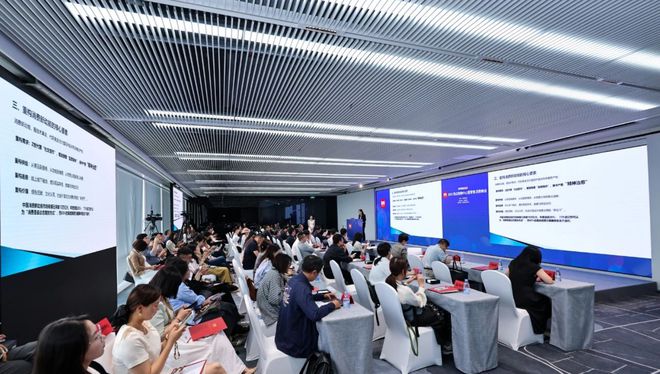
如何重构商业地产发展新路径?业界大咖这样支招
Nan Fang Du Shi Bao· 2025-05-17 14:08
Core Viewpoint - The transformation of commercial real estate should focus on shifting consumer needs from material satisfaction to experiential services, promoting a transition from traditional retail to immersive experiences [1][3]. Group 1: New Consumer Demands - Generation Z requires social interaction to drive consumption, while the elderly seek quality companionship, and the new middle class looks for spiritual healing [3]. - The core elements of reconstructing new consumption dynamics include transitioning from goods to services, from functionality to emotional connection, and from material possession to meaningful consumption [3]. Group 2: Commercial Real Estate Transformation - Suggestions for shopping centers include introducing themed districts, art exhibitions, and family entertainment to enhance consumer engagement [3]. - The design of commercial spaces should focus on scenarios like night economy districts and social spaces to extend consumer dwell time and increase purchase frequency [3]. Group 3: Operational Strategies - Commercial real estate should adopt refined operations, shifting from rent collection to service provision through digital management tools such as smart parking and membership systems to enhance user loyalty [4]. - Leading companies can achieve low-risk expansion through brand and management experience output, utilizing asset securitization and management delegation [4]. Group 4: Content and Innovation - The essence of commercial real estate is evolving from space providers to content providers, emphasizing innovation in business formats and content integration through technology and financial tools [6]. - Specific operational strategies should include comprehensive space remodeling, upgrading consumer experiences, and optimizing operations without disrupting existing environments [6][7]. Group 5: Competitive Landscape - The industry faces increasing competition from e-commerce, community businesses, and cross-industry rivals, leading to potential homogenization [7]. - Consumer demands are shifting towards integrated solutions that combine online ordering with offline experiences, necessitating optimization of commercial spaces and operational methods [7]. Group 6: Case Studies - The Yuexiu Group's experience with the Wuhan Yuexiu IFC highlights the importance of identifying target customer segments and tailoring merchant offerings accordingly, particularly focusing on night economy elements [7].