
地域文化

Search documents
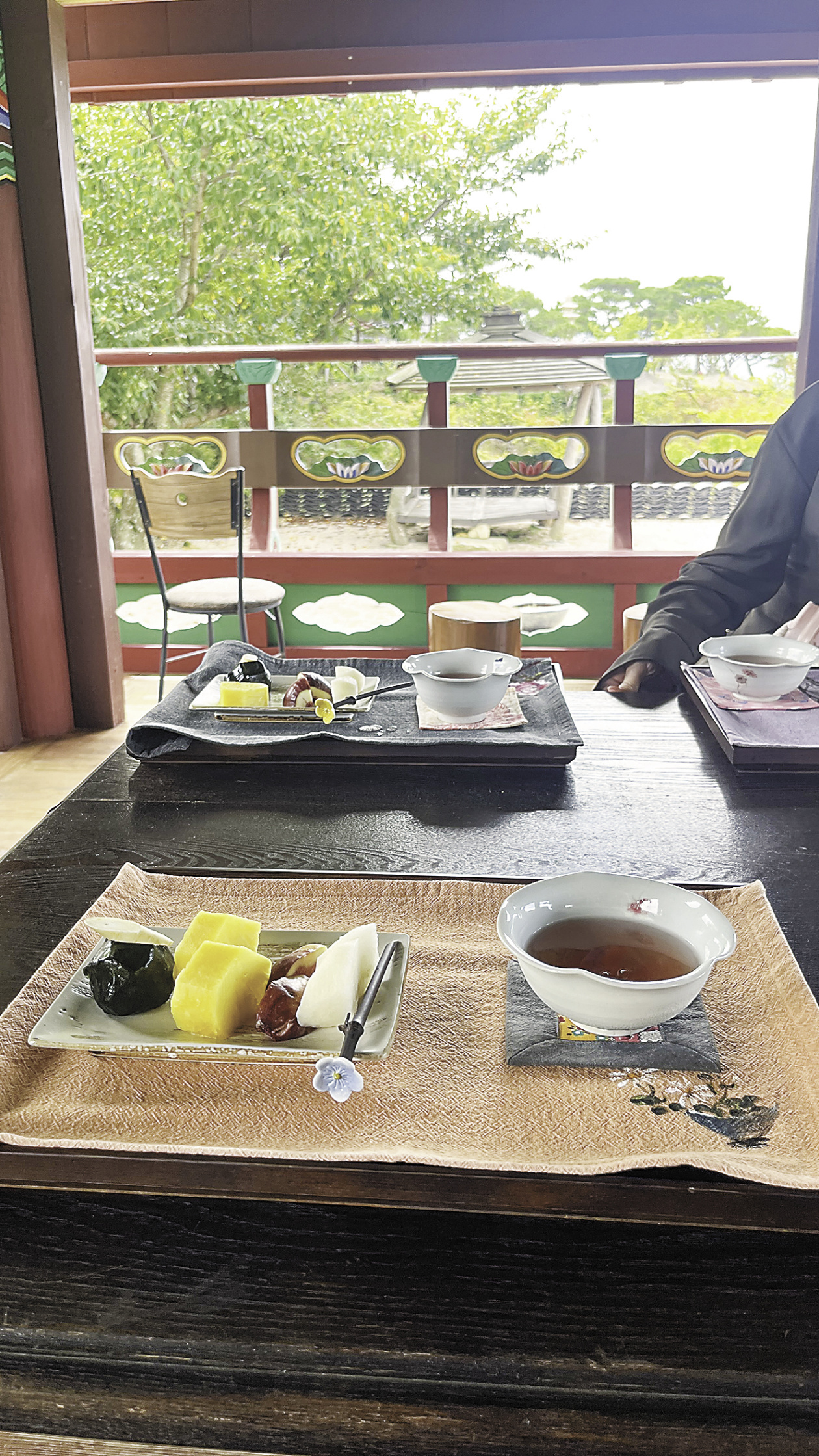
在庆州佛国寺品“茶中五味”
Huan Qiu Shi Bao· 2025-11-20 22:42
Core Points - Gyeongju, a small city in South Korea, will host the 2025 APEC Leaders' Informal Meeting, marking a significant moment for the city [1] - The city is home to the UNESCO World Heritage site, Bulguksa Temple, which dates back to the Silla Dynasty and reflects the region's rich cultural history [1] - The tradition of tea drinking in Korea, particularly the use of Omija tea, showcases the cultural exchange between China and Korea, emphasizing the medicinal and flavorful aspects of the beverage [4][6] Cultural Significance - Bulguksa Temple was built around 530 AD by King Beopheung of Silla to pray for national stability and the well-being of the people, highlighting its historical importance [1] - The local practice of serving Omija tea, known for its unique flavor profile, illustrates the deep-rooted cultural traditions in the region [4] - The culinary practices in Gyeongju, such as the preparation of simple yet skillfully made temple food, reflect the region's emphasis on harmony and natural ingredients [6] Historical Context - Gyeongju has a rich history, with significant archaeological findings from the Silla period, including stone sculptures and Buddhist art, preserved in local museums [4] - The cultural exchange between China and Korea is evident in the shared practices of tea and fermentation, showcasing a common lifestyle philosophy [6] - The historical significance of Gyeongju as a cultural hub is reinforced by its ancient temples and the ongoing preservation of its heritage [1][4]

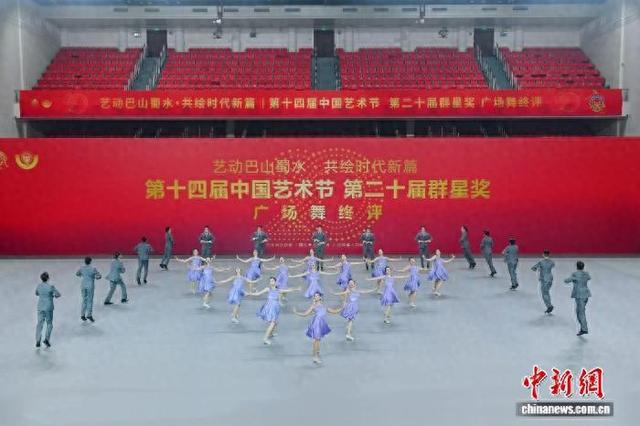
汇聚各地风土人情 第二十届群星奖广场舞终评在重庆启幕
Zhong Guo Xin Wen Wang· 2025-09-26 07:18
Core Viewpoint - The 20th "Star Award" square dance final was held in Chongqing, showcasing 34 outstanding square dance performances from across China, reflecting diverse regional cultures and artistic expressions [1][2]. Group 1: Cultural Representation - The event featured unique performances that highlighted regional characteristics, such as Shandong's "The River Runs to the Sea" showcasing Qilu spirit, and Hubei's "Carved Paper Cutting" bringing intangible cultural heritage to the stage [2][4]. - Performances like "Happiness Life is Sweet" from Chongqing integrated local folk music with national intangible cultural heritage, celebrating the region's cultural richness [4][6]. Group 2: Community Engagement - Square dance is a popular cultural art form with a strong grassroots presence, prevalent in urban and rural communities [6]. - The participating works from Chongqing deeply integrated local cultural symbols, reflecting the city's spirit and historical roots, and will later be performed in various districts to engage the public [6].
“驴火”很火
Jing Ji Ri Bao· 2025-08-16 21:48
Core Insights - The article highlights the cultural significance and culinary excellence of Baoding's donkey meat fire bun, a traditional dish that has become a symbol of local heritage and identity [1][5]. Group 1: Culinary Tradition - The donkey meat fire bun is a beloved local delicacy in Baoding, characterized by its crispy bun filled with tender donkey meat and served with soup [1][2]. - The dish has historical roots dating back to the Song Dynasty, where it originated from a celebratory meal involving donkey meat [4]. - The preparation involves meticulous techniques, including a lengthy cooking process that ensures the meat is tender and flavorful [6][3]. Group 2: Industry Development - Baoding has developed a complete industrial chain for donkey meat production, including breeding, processing, and restaurant services, with an annual output value of 150 million yuan [7]. - The region is home to three donkey meat production companies, 40 processing workshops, and 168 specialty restaurants, providing employment for over 3,000 people [7]. - Modern farming practices are being integrated with traditional methods to enhance the quality and safety of donkey meat, ensuring a stable supply of high-quality ingredients [6][7]. Group 3: Cultural Symbolism - The donkey meat fire bun has transcended its role as mere food, becoming a cultural symbol that evokes nostalgia and a sense of belonging for many locals [5]. - Creative adaptations of the dish, such as merchandise and innovative food pairings, are being developed to appeal to younger consumers and tourists [8][9]. - The dish is now recognized not only for its taste but also as a representation of Baoding's cultural identity, contributing to the city's tourism and local economy [9].
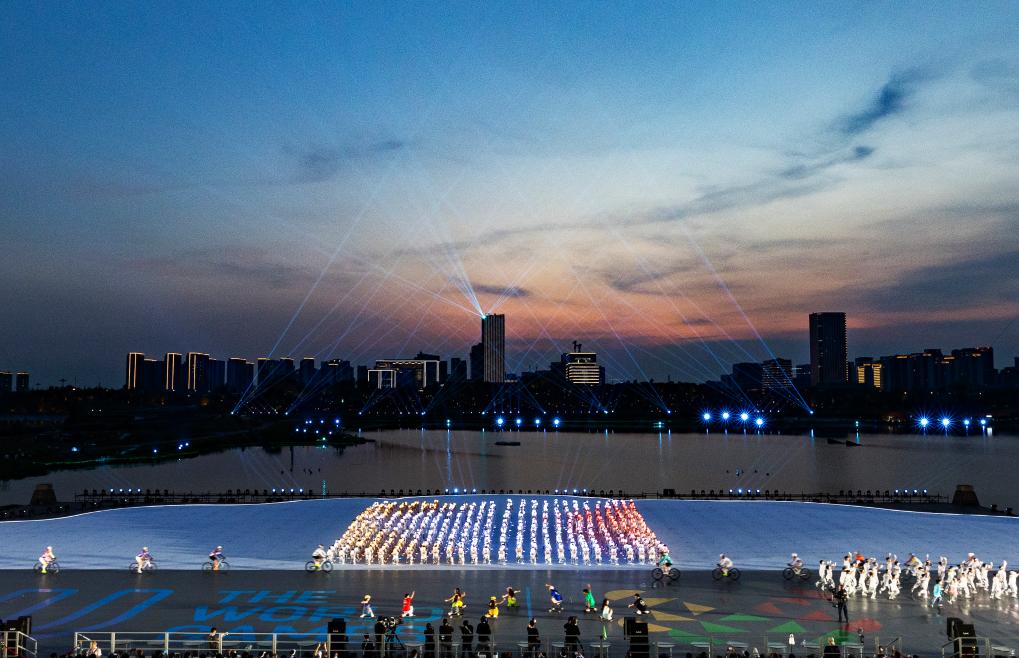
成都世运会 | 以湖岸为媒 展缤纷画卷——成都世运会开幕式亮点解读
Xin Hua Wang· 2025-08-07 23:45
Core Viewpoint - The opening ceremony of the Chengdu World Games showcased a unique blend of urban landscape and cultural heritage, emphasizing the city's ecological and inclusive spirit through various artistic performances and innovative stage design [1]. Group 1: Highlights of the Opening Ceremony - Highlight 1: The opening ceremony took place in an open lakeside setting, integrating the natural landscape with the event, symbolizing a welcoming atmosphere for global guests [2][3]. - Highlight 2: The digital roof of the audience area served as a large screen, displaying vibrant city scenes and athlete information, enhancing the visual experience [4][6]. - Highlight 3: Cultural elements were intricately woven into the design, featuring local symbols like the ginkgo leaf and hibiscus flower, showcasing Chengdu's rich heritage [7]. Group 2: Artistic Performances and Symbolism - Highlight 4: The fireworks display included the character "Chengdu" in seal script, reflecting the city's long history, while also incorporating the letter "W" for the World Games [10]. - Highlight 5: The artistic performances highlighted traditional Sichuan culture, including elements like the Sun God Bird and face-changing opera, representing the region's cultural richness [11]. - Highlight 6: The main torch was lit for the first time in World Games history, symbolizing the transmission of dreams and aspirations across the globe [13].
2025年亚洲举重锦标赛衢州江山启幕
Zhong Guo Xin Wen Wang· 2025-05-09 01:10
Group 1 - The 2025 Asian Weightlifting Championships have commenced in Jiangshan, Zhejiang, marking the first time this continental event is held in a county-level city in China, with athletes and officials from 26 Asian countries and regions participating [1][2] - The opening ceremony featured performances themed "Striving for Victory," "Dreams of Weightlifting," and "Asian Unity," showcasing the integration of sports spirit and local culture [1] - The International Weightlifting Federation President highlighted Asia's dominance in international weightlifting, with China being the strongest nation, having previously hosted a training camp for the Hangzhou Asian Games in Jiangshan [1] Group 2 - The Chinese weightlifting team, a traditional strength in competitive sports, has won 43 Olympic gold medals since the 1984 Olympics, with 20 athletes participating in this championship, including experienced champions and emerging talents [1] - Other strong teams from Uzbekistan and Kazakhstan are also competing, and this championship serves as a farewell event for the old weight categories before the Paris cycle [1] - Jiangshan has a rich sports culture and has hosted multiple national and international weightlifting events over the past decade, earning the reputation of a "blessed land" for the national weightlifting team [2]