多极化世界格局

Search documents
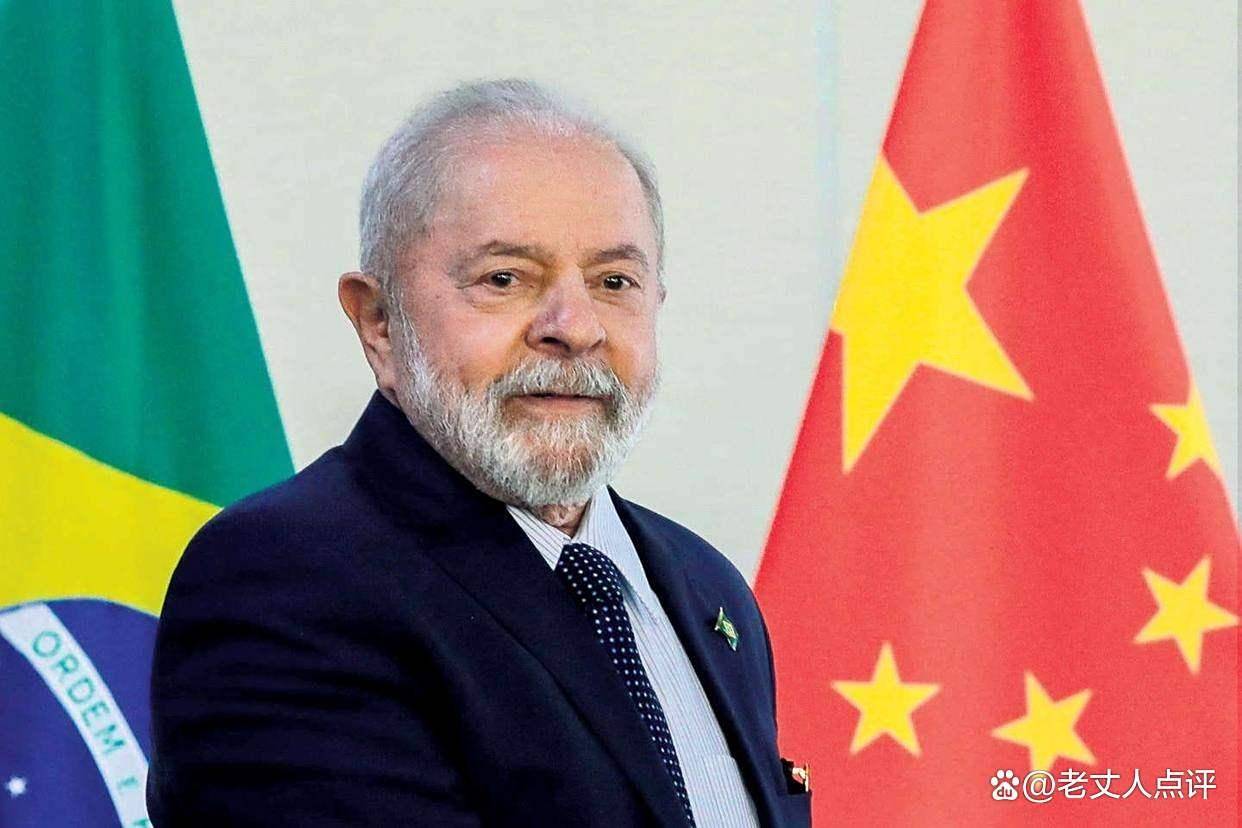
巴西打回美国关税函,称错误且有冒犯性,特朗普:不想和卢拉说话
Sou Hu Cai Jing· 2025-08-17 15:52
Core Viewpoint - Brazil has rejected a tariff threat from the United States, claiming the content is inaccurate and offensive, marking a significant pushback against U.S. trade policies [1][3] Group 1: U.S.-Brazil Trade Relations - The U.S. threatened to impose a 50% tariff on Brazilian goods, citing unfair trade practices, despite a cumulative trade surplus of $410 billion in favor of the U.S. over the past 15 years [3][5] - Brazil's President Lula responded strongly, asserting that no foreign entity can dictate terms to the Brazilian government [5][7] Group 2: Brazil's Economic Position - Lula emphasized that U.S.-Brazil trade constitutes only 1.7% of Brazil's GDP, indicating that Brazil can thrive without U.S. trade [7] - Brazil is a major exporter of agricultural and mineral products, with strong economic ties to China and support from BRICS nations, providing a robust economic foundation [7][11] Group 3: International Reactions and Implications - The U.S. tariff threat has led to a lawsuit from an American orange juice importer, highlighting the negative impact of such tariffs on U.S. businesses [9] - Brazil has filed a complaint with the WTO against the U.S. for its tariff actions, receiving support from 40 countries, including all 27 EU member states, indicating widespread discontent with U.S. unilateralism [9][11] Group 4: Shift in Global Trade Dynamics - The incident illustrates that U.S. tariff threats are no longer universally effective, as Brazil's rejection may encourage other nations to adopt a similar stance [11][13] - The event signifies a shift towards a multipolar world, where cooperation among developing nations is reshaping international relations and diminishing U.S. dominance [11][13]

特朗普捅马蜂窝,11国加入战局美国遭围攻,认定咱们是唯一赢家
Sou Hu Cai Jing· 2025-08-12 23:20
Core Argument - The article argues that Trump's tariff policy, while seemingly beneficial in the short term, ultimately sows the seeds of America's decline in global hegemony, leading to a loss of trust among allies and a strengthening of adversaries [1][4]. Group 1: Impact on Allies - Trump's tariff policy has resulted in a complete breakdown of trust among allies, with countries like the EU and Japan feeling betrayed and seeking more reliable partnerships, such as with China [10]. - The once steadfast allies are now distancing themselves from the U.S., which has led to a significant erosion of loyalty and trust [3][10]. - The actions taken by the Trump administration have pushed allies towards alternative alliances, marking a shift in global cooperation dynamics [10]. Group 2: Response from Adversaries - In response to U.S. trade policies, BRICS nations (Brazil, Russia, India, China, South Africa, and others) are uniting to form a counterforce against American hegemony, indicating a profound shift in the global power structure [3][5]. - Brazilian President Lula's strong stance against U.S. tariffs exemplifies the growing resistance among emerging markets, as they seek to challenge U.S. dominance [3][5]. Group 3: Historical Parallels - The article draws parallels between Trump's tariff policies and Argentina's protectionist measures under President Perón, which initially appeared successful but ultimately led to economic decline [12]. - Historical lessons suggest that isolationism and protectionism can accelerate decline, as seen in the case of Argentina, which serves as a cautionary tale for current U.S. policies [4][12].