实业救国

Search documents
淬冰砺骨照丹青 薪火续燃写赤诚
Zhong Guo Hua Gong Bao· 2025-08-29 02:54
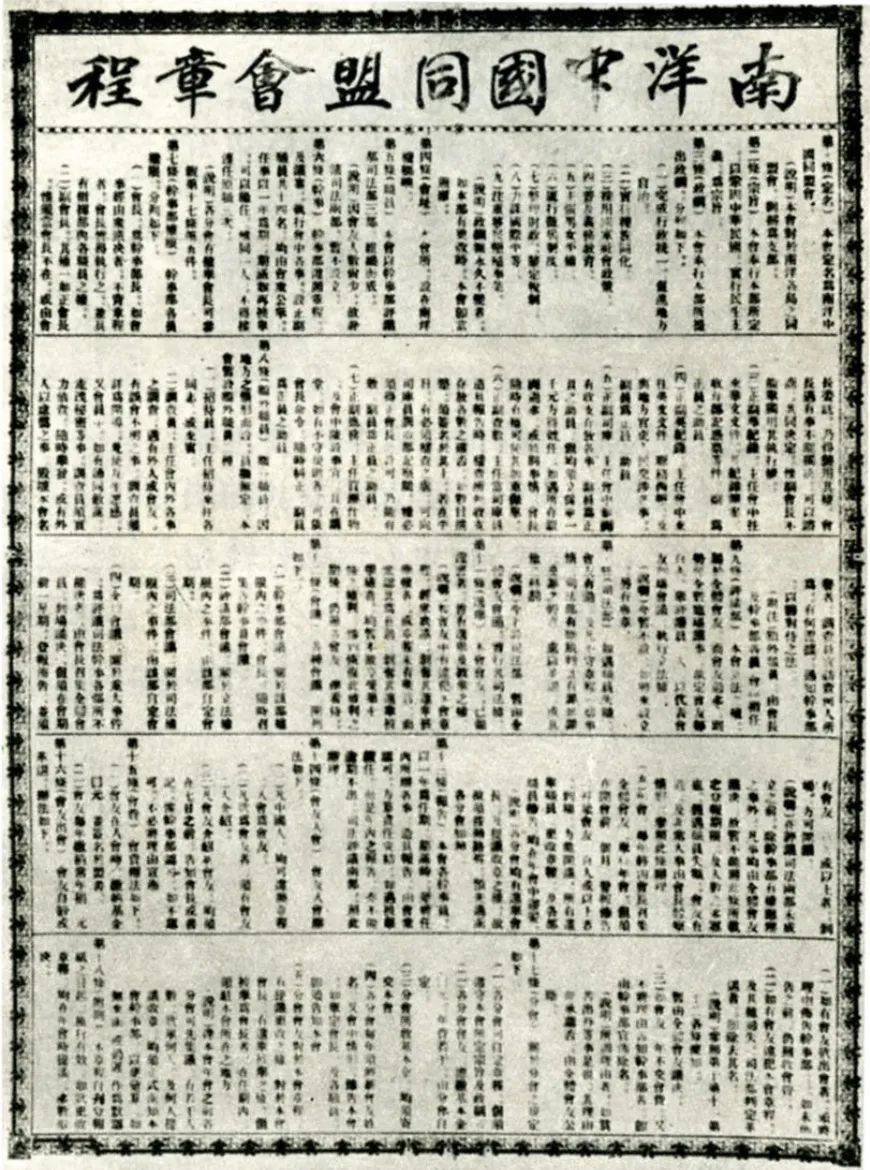
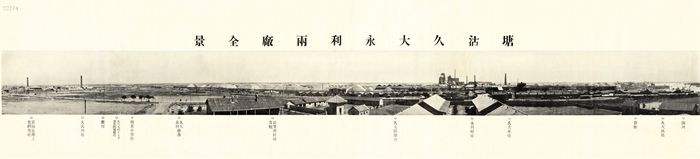
Core Viewpoint - The article highlights the historical significance and enduring spirit of the Yongli Alkali Plant, founded by patriotic Chinese industrialists, as a symbol of resilience and innovation in the face of adversity during China's modernization and wartime struggles [1][2][3]. Group 1: Historical Development - The Yongli Alkali Plant was established in 1914 and became the first in China and Asia to adopt the Solvay process for soda production, successfully producing high-quality soda in 1926 [2][3]. - During the Second Sino-Japanese War, the plant's founders refused collaboration with the Japanese occupiers, demonstrating their commitment to national integrity [2][3]. - The "Yongli Yellow" group relocated to Sichuan in 1937, establishing new facilities and continuing production to support the war effort [3]. Group 2: Innovation and Technology - In 1941, the team developed the "Hou's Alkali Method," allowing simultaneous production of soda and ammonium chloride, marking a significant advancement in the global alkali industry [7][8]. - The company has consistently focused on technological innovation, developing proprietary technologies for low-salt heavy soda production and large-scale automated equipment [8][12]. Group 3: Modern Achievements - Today, Yongli Chemical has a production capacity of 300,000 tons of synthetic ammonia, 500,000 tons of methanol, and other significant outputs, positioning itself among the top 500 companies in the petroleum and chemical sector [12]. - The company has embraced green energy projects, including carbon dioxide recovery and photovoltaic power generation, reflecting its commitment to sustainable development [12][17]. Group 4: Cultural Legacy - The Yongli Alkali Plant has become a red education base, symbolizing the integration of patriotic spirit and industrial development in China's history [13]. - The enduring entrepreneurial spirit and commitment to national service continue to inspire the company's mission and values today [14].

重走抗战路,一定要去一趟宝鸡!
Zhong Guo Xin Wen Wang· 2025-08-05 07:59
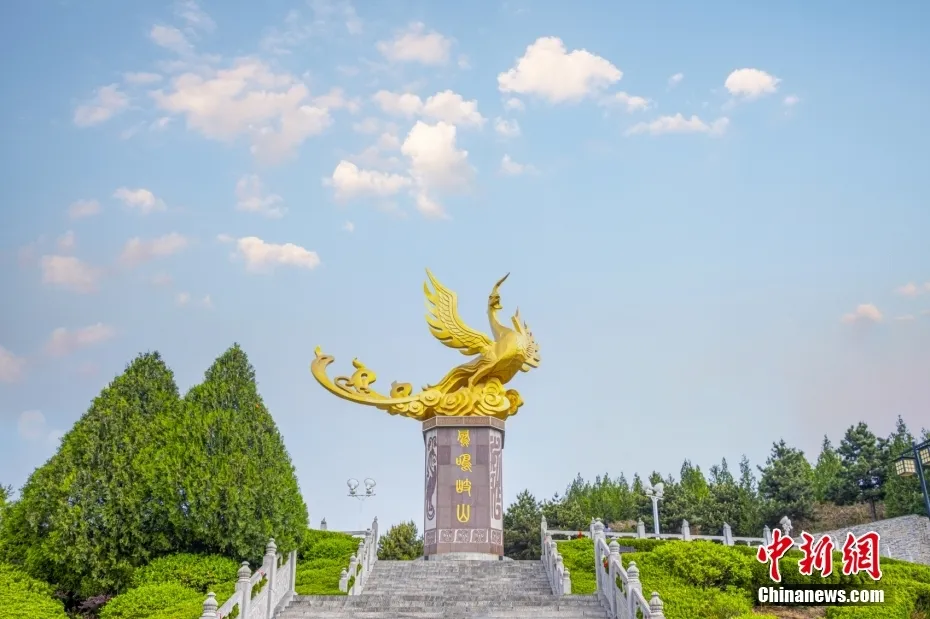
Group 1 - Baoji, known as the birthplace of Zhou and Qin civilization, has a rich history in bronze production and is home to significant historical artifacts like the Stone Drum [2][4] - The city has a resilient spirit, nurturing generations of hardworking people, and has been a vital industrial hub, especially during the Anti-Japanese War [4][7] - During the war, many patriotic industrial enterprises relocated to Baoji, establishing factories that supported the front lines and contributed to a significant industrial narrative of "saving the nation through industry" [7][9] Group 2 - The Changleyuan Anti-Japanese Industrial Site in Baoji contains four historical relics, including the largest "cave factory" from the war period, showcasing the region's industrial heritage [9][11] - In 1938, as Japanese forces advanced, 15 enterprises, including the Shinxin Spinning Factory, relocated to Baoji, forming the "Qinbao Ten-Mile Industrial Zone," which accounted for 20.56% of national industrial enterprises at that time [11][20] - The cave factory produced 432,000 pieces of cotton cloth and 64,000 tons of cotton yarn, significantly supporting the war effort [20][22] Group 3 - The relocation of industries to Baoji brought advanced management concepts and production equipment, which helped the local economy grow [22][24] - By 1951, the Shinxin Spinning Factory contributed to the development of the Northwest's industrial landscape by sending managers and technicians to various factories [24][26] - Today, Baoji has transformed into a major industrial city, particularly in the automotive and titanium materials sectors, with a projected automotive industry output value of 60 billion yuan in 2024 [29][35] Group 4 - Baoji is recognized as "China's Titanium Valley," hosting over 600 titanium enterprises, and its titanium industry ranks first globally, with products used in various high-tech fields [37][38] - The city is actively developing emerging industries and has become a significant production base for mid-to-high-end CNC machine tools, emphasizing green development and environmental protection [38][40] - The Changleyuan Anti-Japanese Industrial Site stands as a testament to the resilience and innovative spirit of the Chinese people, symbolizing the enduring industrial legacy of Baoji [42]


光绪朝最后十三位状元,都去哪了?
Hu Xiu· 2025-05-26 23:08
Group 1 - The year marked the establishment of the Chinese Revolutionary Alliance in Tokyo by Chinese students studying in Japan, with a focus on the principles of "expelling the Tartars, restoring China, establishing a republic, and equalizing land rights" [1] - The end of the Russo-Japanese War saw Japan's victory, which raised hopes within the Qing government for constitutional reform as a means of survival [2] - The abolition of the imperial examination system, which had lasted for 1300 years, was officially announced by the Qing court, marking the end of an era in Chinese governance [3] Group 2 - The last group of top scholars from the imperial examination system, known as "Zhuangyuan," faced significant challenges during a period of modernization and transformation in China [4][5] - Notable figures among the last Zhuangyuan included Cao Hongxun, who transitioned from a scholar to a provincial governor, and was involved in early oil exploration in Shaanxi [6][9] - Huang Siyong, another prominent Zhuangyuan, advocated for industrial development and attempted to establish a railway system, reflecting the shift towards practical governance and economic reform [15][17] Group 3 - Zhang Jian, a well-known Zhuangyuan, founded textile factories and promoted a new model of public-private partnership in industrial ventures, which was a significant step in modernizing China's economy [19][20] - The collaboration between Zhang Jian and Huang Siyong in the Ministry of Commerce led to the establishment of early industrial regulations and frameworks, fostering the growth of national capital [23][24] - The efforts of these Zhuangyuan in promoting industrialization were met with both praise and challenges, as they navigated the complexities of a changing political landscape [25][26] Group 4 - The end of the imperial examination system left many scholars in a dilemma, torn between traditional Confucian values and the need to embrace new knowledge and practices [27][28] - The experiences of Zhuangyuan during this transitional period highlighted the broader societal struggles in adapting to modernization, with some choosing to uphold traditional roles while others sought reform [41][42]