
巴勒斯坦建国

Search documents
安理会通过涉加沙决议,哈马斯和以色列各怀不满
Jin Shi Shu Ju· 2025-11-18 01:32
Core Points - The UN Security Council approved a resolution drafted by the US, endorsing President Trump's plan to end the Gaza conflict and authorizing the deployment of international stabilization forces [1][2] - The resolution is seen as legitimizing a transitional governance body and aims to facilitate the reconstruction and economic recovery of Gaza [1] - Hamas has stated it will not disarm and views its actions against Israel as legitimate resistance, potentially leading to conflict with the authorized international forces [1] Group 1 - The resolution includes Trump's "20-point plan" as an attachment, which is seen as a potential pathway for Palestinian self-determination [2] - The resolution aims to break Hamas's control and ensure Gaza's prosperity and security [2] - Russia and China abstained from voting, allowing the resolution to pass [2] Group 2 - The resolution mentions the possibility of Palestinian statehood contingent on reforms by the Palestinian Authority and progress in Gaza's reconstruction [3] - The US will promote dialogue between Israel and the Palestinians to reach a consensus on a peaceful coexistence [3] - Israeli Prime Minister Netanyahu reiterated opposition to the establishment of a Palestinian state under pressure from right-wing members of his government [3]
以色列与哈马斯均不满美国提出的加沙提案
Huan Qiu Shi Bao· 2025-11-17 22:36
Core Points - The UN Security Council is set to vote on a resolution regarding the Gaza Strip, supported by the US and several Islamic countries, which includes a "20-point plan" for a ceasefire and the establishment of a transitional governance body and international forces in Gaza [1] - There are significant disagreements between the US and Israel regarding the plan, particularly concerning the disarmament of Hamas and the establishment of a Palestinian state [1] - Hamas has publicly rejected the proposed resolution, viewing it as an infringement on Palestinian sovereignty and a biased governance scheme favoring Israel [2] Group 1 - The resolution aims to authorize the establishment of a transitional governance body and international stability forces in Gaza [1] - The Israeli government, led by Prime Minister Netanyahu, opposes the establishment of a Palestinian state and insists on the disarmament of Hamas [1] - Hamas has condemned the resolution, asserting it undermines stability in Gaza and infringes on Palestinian rights [2] Group 2 - The US is considering abandoning the demand for Hamas's disarmament in favor of focusing on Gaza's reconstruction, which has caused dissatisfaction among Israeli officials [1] - Netanyahu's administration has consistently maintained its stance against the creation of a Palestinian state in any territory west of the Jordan River [1] - The main obstacle to advancing the peace plan and achieving diplomatic breakthroughs is identified as Netanyahu's position [2]
巴各派别警告美加沙提案危险性 以总理再表态反对巴建国
Zhong Guo Xin Wen Wang· 2025-11-17 06:16
Core Viewpoint - Hamas issued a memorandum warning against the dangers of a U.S. proposal regarding Gaza, which they believe favors Israel and undermines Palestinian sovereignty [1][2] Group 1: U.S. Proposal and Reactions - The memorandum from Palestinian factions criticizes the U.S. proposal for attempting to impose international governance on Gaza, which includes establishing an international security force and transferring management to a supranational entity [1] - Hamas spokesperson stated that the U.S. proposal does not contribute to stability in Gaza and would replace Israeli occupation with another form of control [2] Group 2: Israeli Position - Israeli Prime Minister Netanyahu reiterated opposition to the establishment of a Palestinian state and emphasized the need for the demilitarization of Gaza and disarmament of Hamas [3] - Israeli Defense Minister Katz mentioned that operations to destroy tunnels in Gaza are progressing well, and the anticipated international security force will be responsible for disarming Hamas [3] Group 3: Palestinian Governance and Rights - The memorandum asserts that any humanitarian aid must be implemented through Palestinian institutions under international supervision to respect Palestinian sovereignty and avoid politicization [1] - It opposes any clauses that would involve disarming Gaza or infringe upon the rights of the Palestinian people to resist, stating that discussions on disarmament should be internal matters linked to ending Israeli occupation and establishing a Palestinian state [1]
以媒:安理会加沙问题表决在即 美以分歧明显
Xin Hua She· 2025-11-17 02:26
Core Points - Israeli Prime Minister Netanyahu reiterated opposition to the establishment of a Palestinian state, emphasizing the need for the disarmament of Hamas [1] - The UN Security Council is set to vote on a resolution regarding Gaza, with significant differences between the US and Israel on key points [1] - The resolution draft, supported by the US and several Islamic countries, seeks to authorize the establishment of a transitional authority and international oversight in Gaza [1][2] Group 1 - Netanyahu stated that Israel opposes the establishment of a Palestinian state on any land west of the Jordan River, maintaining a consistent stance [1] - The resolution draft includes a potential for Palestinian statehood if the Palestinian National Authority undergoes reforms, which has faced opposition from Israeli right-wing politicians [1] - The US is considering abandoning the demand for Hamas disarmament and shifting focus towards the reconstruction of Gaza due to difficulties in persuading other nations to participate in an international stabilization force [2] Group 2 - Since the ceasefire agreement took effect on October 10, Israel has repeatedly launched attacks citing Hamas's violations, while delaying humanitarian aid to Gaza [2] - The timeline for entering the second phase of ceasefire negotiations between Israel and Hamas remains uncertain [2]
美媒爆:以色列不反对美政府向沙特出售F-35战斗机,但要以实现沙以关系正常化为条件
Huan Qiu Wang· 2025-11-16 07:47
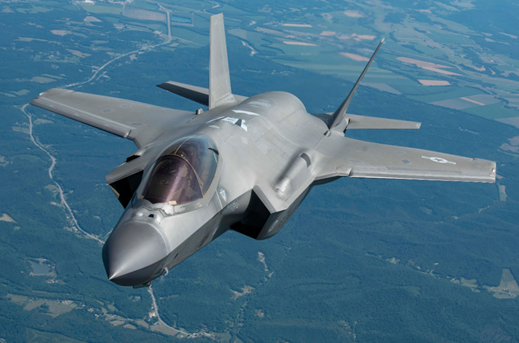
Core Points - The article discusses the potential arms deal between the United States and Saudi Arabia, which includes the sale of F-35 stealth fighter jets, contingent on the normalization of relations between Saudi Arabia and Israel [1][3][4] - Israeli officials have indicated that they do not oppose the sale of F-35s to Saudi Arabia, provided it is part of a broader regional security cooperation framework [3] - The upcoming meeting between President Trump and Saudi Crown Prince Mohammed bin Salman is expected to address this issue, although significant differences remain between Saudi Arabia and Israel regarding the Palestinian statehood issue [4] Group 1 - The U.S. is considering a request from Saudi Arabia to purchase up to 48 F-35 fighter jets, which would represent a significant shift in U.S. policy regarding arms sales in the Middle East [4] - Israeli officials have communicated to the Trump administration that any sale of F-35s to Saudi Arabia should be linked to diplomatic progress, particularly concerning the Palestinian statehood roadmap [3] - The geographical proximity of Saudi Arabia to Israel raises concerns for Israeli officials, who may demand restrictions on the deployment of F-35s within Saudi Arabia [3] Group 2 - The normalization of relations between Saudi Arabia and Israel is seen as a critical geopolitical development in the Middle East, with Trump expressing hope for swift progress [4] - Saudi Arabia has maintained its position that a credible and irreversible path to Palestinian statehood must be established before discussing normalization with Israel [4] - The potential arms deal and the normalization of relations could significantly impact the regional balance of power and U.S. commitments to maintaining Israel's military advantage in the region [4]

沙特王储将访美 提前“校准”立场
Xin Hua She· 2025-11-10 09:16
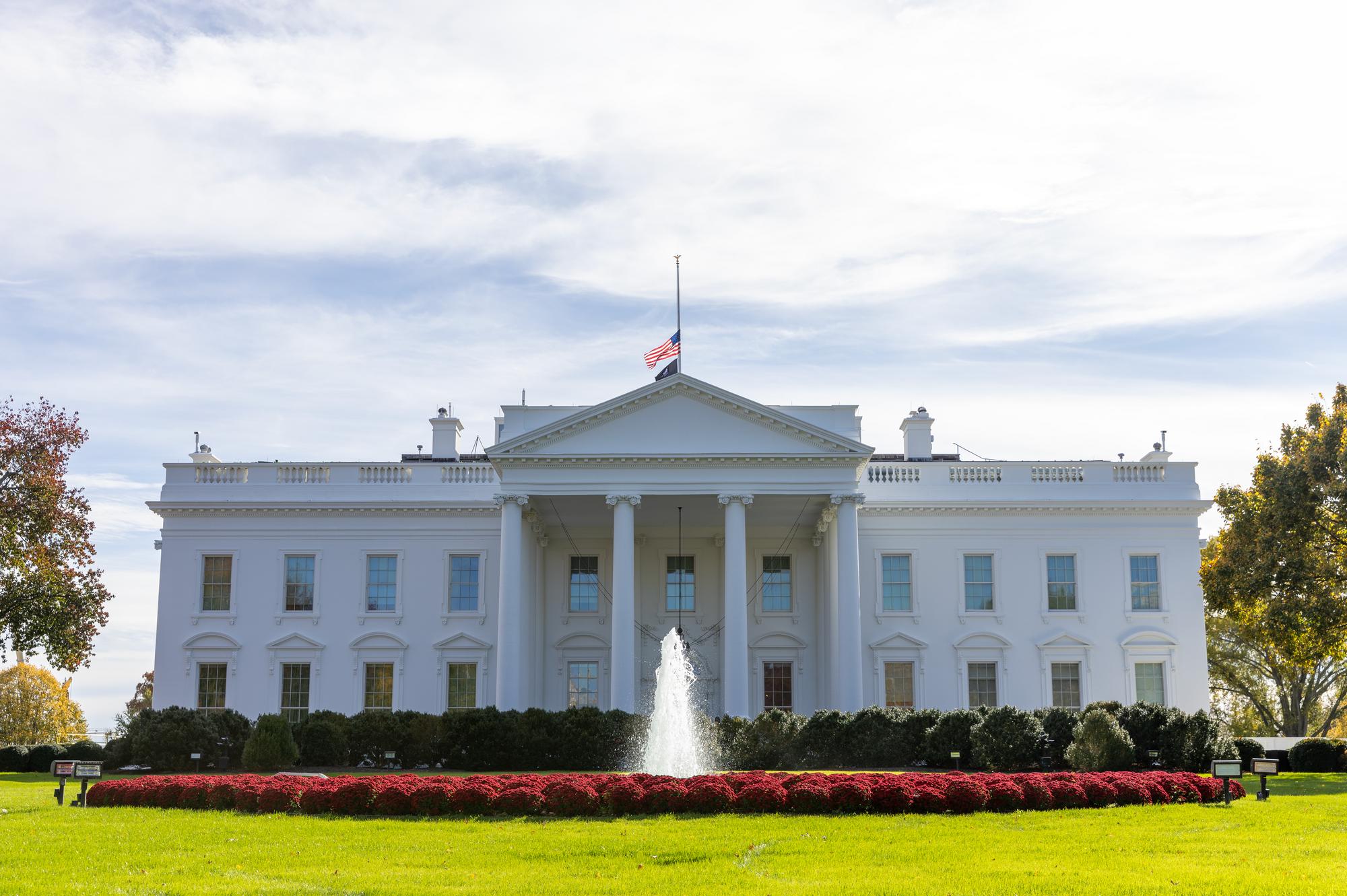
Core Points - Saudi Crown Prince Mohammed is scheduled to visit the U.S. on November 18, with expectations to meet President Trump, who hopes for normalization of relations between Saudi Arabia and Israel [1] - Saudi Arabia maintains its stance that normalization with Israel is contingent upon establishing a credible path for Palestinian statehood, indicating no immediate intention to normalize relations [1][2] - The U.S. is considering a defense cooperation agreement with Saudi Arabia, which may be linked to the normalization of relations with Israel, but Saudi Arabia insists on addressing Palestinian statehood first [2] Group 1 - Saudi Arabia's position on normalization with Israel remains unchanged, emphasizing the need for a Palestinian statehood roadmap before any discussions [1][2] - The U.S. administration is contemplating a significant arms sale to Saudi Arabia, including a request for up to 48 F-35 fighter jets, which would represent a major shift in U.S. policy regarding military sales in the region [2][3] - The outcome of the upcoming meeting between Saudi and U.S. leaders is expected to focus on defense cooperation, although the potential agreement may be limited in scope due to the ongoing Palestinian issue [2]
沙特王储将访美 提前“校准”立场
Xin Hua She· 2025-11-10 08:58
Group 1 - Saudi Crown Prince Mohammed is scheduled to visit the US on November 18, with expectations to meet President Trump, who hopes for quick normalization of relations between Saudi Arabia and Israel [1] - Saudi Arabia maintains its stance that normalization with Israel is contingent upon establishing a credible path for Palestinian statehood, indicating no immediate intention to normalize relations [2][2] - The US is considering a defense cooperation agreement with Saudi Arabia, which may be linked to the normalization of relations with Israel, potentially resulting in a "scaled-down" defense cooperation agreement [4][4] Group 2 - The US government is contemplating Saudi Arabia's request to purchase up to 48 F-35 fighter jets, which would represent a significant shift in US policy regarding military sales in the Middle East [4] - Currently, only Israel has the "special treatment" of being able to purchase F-35s in the region, highlighting the strategic implications of any potential sale to Saudi Arabia [4]
沙特王储再访美,会跟特朗普擦出什么火花
Qi Lu Wan Bao· 2025-10-27 14:06
Core Insights - Saudi Crown Prince Mohammed is expected to visit the U.S. in mid-November, marking his first visit in seven years, amidst a significantly changed geopolitical landscape between Saudi Arabia and the U.S. [1] - The recent ceasefire agreement in Gaza may allow for the resumption of normalization talks between Saudi Arabia and Israel, although the situation remains fragile and the broader Palestinian issue complicates relations [1][2] - The U.S.-Saudi relationship has been strained since the murder of journalist Jamal Khashoggi in 2018, which led to criticism from the U.S. Congress and a halt in arms sales [3] Geopolitical Context - The geopolitical environment in the Middle East has evolved since the Crown Prince's last visit, with improved relations between Qatar and Saudi Arabia, and a reconciliation between Saudi Arabia and Iran facilitated by China [3][4] - Ongoing conflicts in Yemen, Syria, and Lebanon, along with Israel's military actions, continue to pose risks to regional stability [3][4] - Recent Israeli airstrikes on Hamas targets in Qatar have prompted strong reactions from Arab nations, leading to calls for a reassessment of diplomatic and economic ties with Israel [4] U.S.-Saudi Relations - During Trump's presidency, efforts were made to normalize relations between Arab states and Israel, with Saudi Arabia being a key player, although it has maintained a cautious stance [2] - The Biden administration attempted to foster U.S.-Saudi relations through defense cooperation and nuclear energy plans, but these efforts were interrupted by the recent Gaza conflict [2][5] - The perception of U.S. reliability as an ally has diminished in Saudi Arabia, leading to a diversification of its foreign relations, including closer ties with Russia [5]
美媒:签署协议担保加沙停火后,特朗普避谈巴勒斯坦建国问题
Huan Qiu Wang· 2025-10-14 04:21
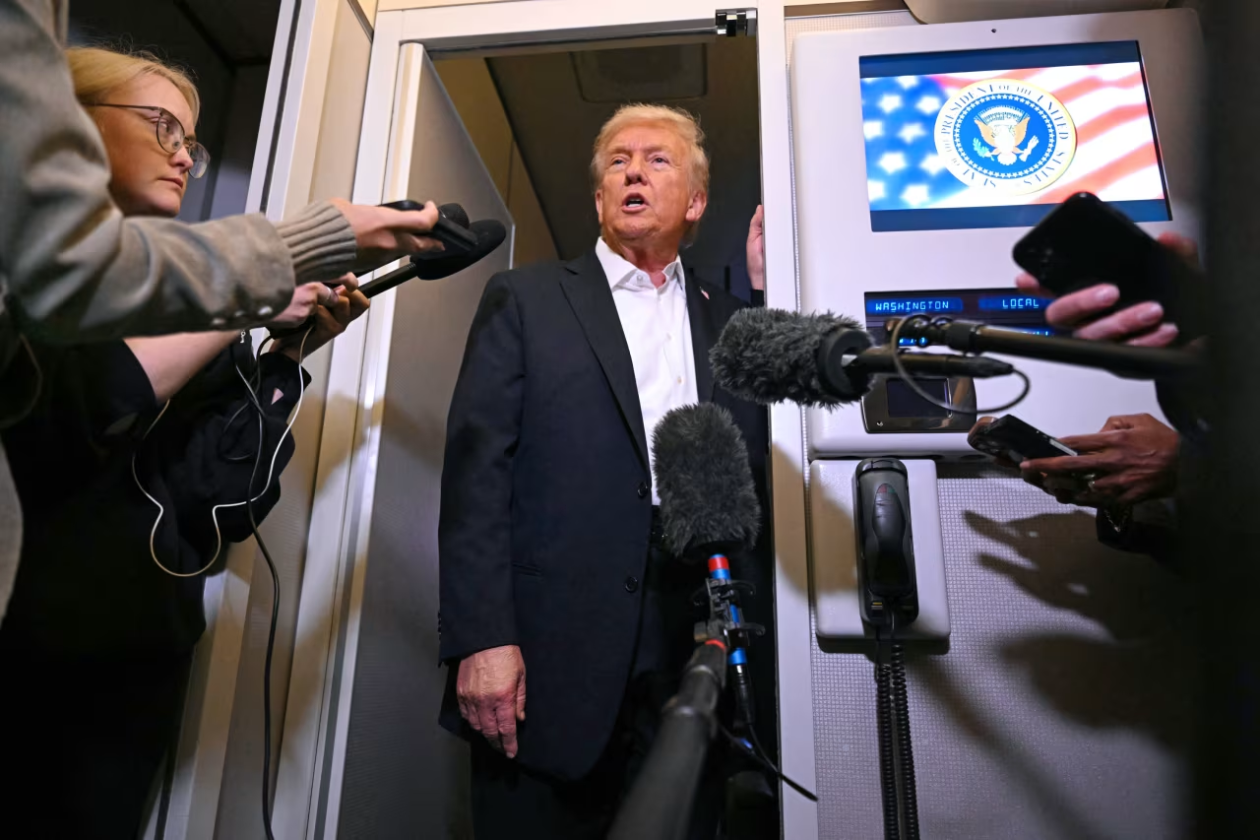
【环球网报道 记者 索炎琦】据美国有线电视新闻网(CNN)报道,在当地时间13日于埃及签署文件为加沙地带停火协议提供担保后,美国总统特朗普同日 晚些时候在回程飞机上避谈巴勒斯坦建国问题,拒绝直接回答是否支持承认巴勒斯坦国。 报道称,特朗普在从中东返回的总统专机"空军一号"上对记者称,"我不是在谈论单一国家或两国,我们在谈论的是重建加沙。" "很多人喜欢'一国方案'。有些人喜欢'两国方案'。让我们再看看。"特朗普称,并表示他尚未对相关话题发表评论。 CNN提到,在特朗普作出上述表态的几周前,他曾批评国际社会对巴勒斯坦建国的支持日益增多。此外,特朗普上月在联合国大会发表讲话时,将"两国方 案"称为对巴勒斯坦伊斯兰抵抗运动(哈马斯)的"奖励"。 10月13日晚,多个国家和国际组织领导人在埃及红海海滨城市沙姆沙伊赫举行峰会,聚焦加沙地带停火第一阶段。在该峰会上,埃及、美国、土耳其和卡塔 尔领导人签署一份文件,为加沙地带停火协议提供担保。与此同时,根据加沙停火第一阶段协议,以色列与哈马斯13日交换被扣押人员。 根据埃及总统府发表的声明,这场峰会强调,国际社会必须合作,提供一切必要手段,确保停火协议条款得到落实并保持其连 ...
加沙迈向停火,但还有问题未解答
Xin Jing Bao· 2025-10-11 08:13
Core Viewpoint - A ceasefire agreement between Israel and Hamas has been reached, marking the beginning of a process to end hostilities in Gaza, with significant implications for both parties and the region [1][2][4]. Group 1: Ceasefire Agreement Details - The ceasefire agreement was officially approved by the Israeli government on October 9, 2023, and took effect on October 10, 2023, requiring the Israeli Defense Forces to withdraw to a designated line within 24 hours [1]. - The agreement includes the release of 20 hostages held by Hamas and the return of deceased hostages' bodies in exchange for Israel releasing over 2,000 Palestinian prisoners [1][5]. - Humanitarian aid, including food and medical supplies, will be allowed into Gaza, providing relief to civilians affected by the ongoing conflict [1]. Group 2: Negotiation Dynamics - The negotiations leading to the ceasefire involved multiple parties, including the U.S., Egypt, Qatar, and Turkey, with discussions focusing on ceasefire terms, hostage exchanges, and military withdrawal [2][3]. - The U.S. played a crucial role in facilitating the agreement, with significant pressure applied on Israel to reach a resolution [3][4]. - The negotiations faced challenges, including ongoing military actions by Israel, which complicated discussions and raised concerns about the potential for renewed conflict [3]. Group 3: Implications for Future Relations - The ceasefire agreement is seen as a critical step towards addressing broader issues, including the future governance of Gaza and the potential for a two-state solution [7][10]. - The U.S. plans to deploy 200 military personnel to oversee the ceasefire's implementation and assist with humanitarian efforts, indicating a commitment to stabilizing the region [6]. - However, significant uncertainties remain regarding the finalization of prisoner lists and the internal political dynamics within Israel, which could impact the agreement's sustainability [6][9].