
核电站重启

Search documents
明年1月20日重启
中国能源报· 2025-12-24 11:03
Core Viewpoint - Japan's largest nuclear power plant, the Kashiwazaki-Kariwa Nuclear Power Plant, is set to restart its Unit 6 reactor on January 20, 2024, marking the first nuclear unit to resume operations under Tokyo Electric Power Company since the Fukushima disaster in 2011 [3]. Group 1 - The restart of Unit 6 at the Kashiwazaki-Kariwa Nuclear Power Plant is a significant milestone for Tokyo Electric Power Company, as it is the first nuclear reactor to be restarted after the Fukushima Daiichi nuclear disaster [3]. - The plant, located in Niigata Prefecture, has a total installed capacity of approximately 8.212 million kilowatts, making it the largest nuclear power station in Japan [3]. - Following the 2011 earthquake and tsunami, all nuclear reactors in Japan were shut down, and the Kashiwazaki-Kariwa plant was closed in 2012 [3].

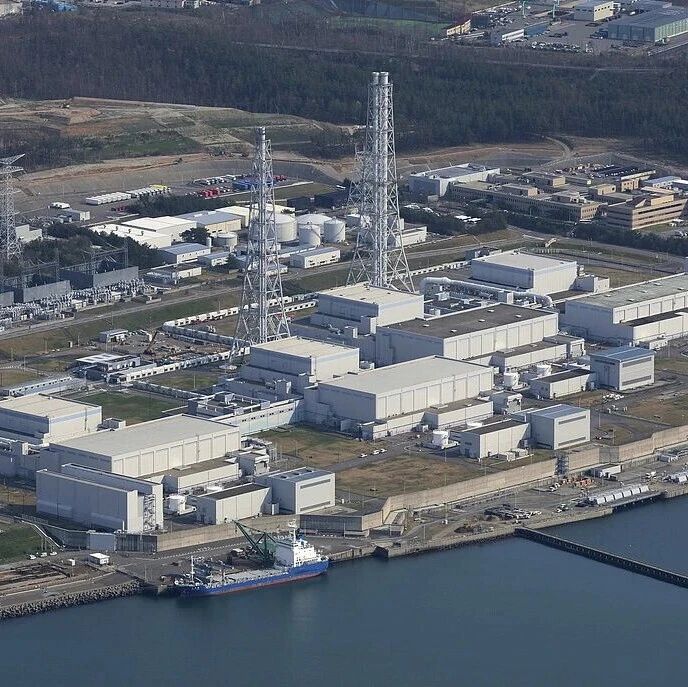
日本最大核电站将于明年1月20日重启
Yang Shi Xin Wen· 2025-12-24 06:39
Core Viewpoint - Tokyo Electric Power Company (TEPCO) plans to restart the No. 6 reactor at the Kashiwazaki-Kariwa Nuclear Power Plant on January 20, 2024, marking the first nuclear reactor to resume operations under TEPCO since the Fukushima disaster in 2011 [3]. Group 1 - TEPCO submitted a "pre-use confirmation" application to the Nuclear Regulation Authority of Japan for the No. 6 reactor, which is the final step before equipment checks [3]. - The Kashiwazaki-Kariwa Nuclear Power Plant, located in Niigata Prefecture, has a total installed capacity of approximately 8.212 million kilowatts, making it the largest nuclear power plant in Japan [3]. - Following the Fukushima disaster, all nuclear reactors in Japan were temporarily shut down, with the Kashiwazaki-Kariwa plant being closed in 2012 [3].
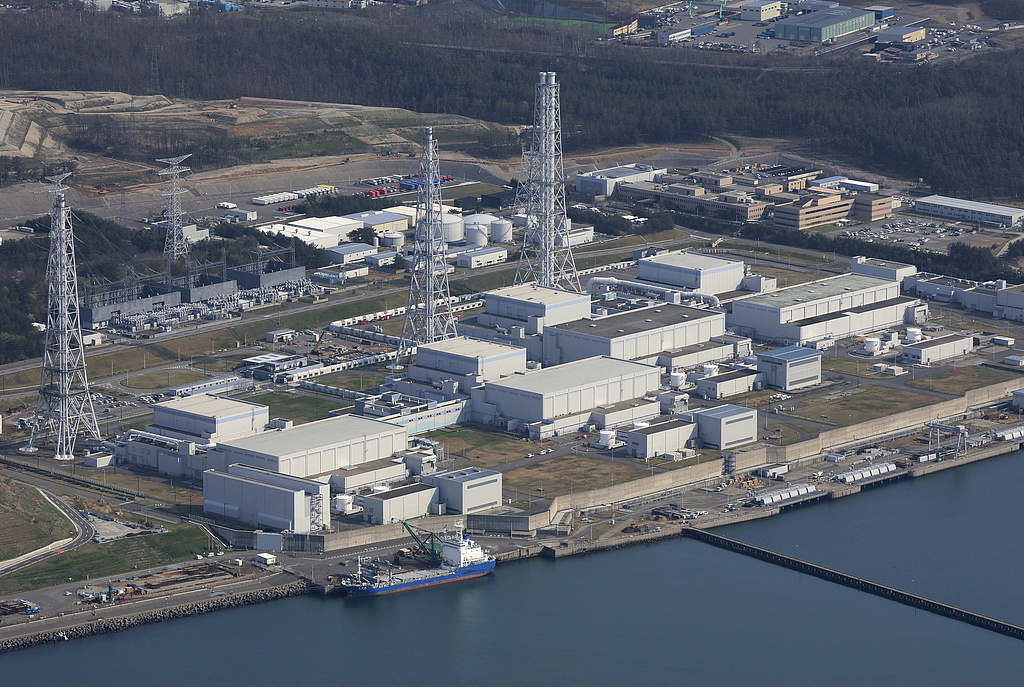
日本重启核电站 引发当地大量民众反对
Yang Shi Xin Wen Ke Hu Duan· 2025-12-24 03:10
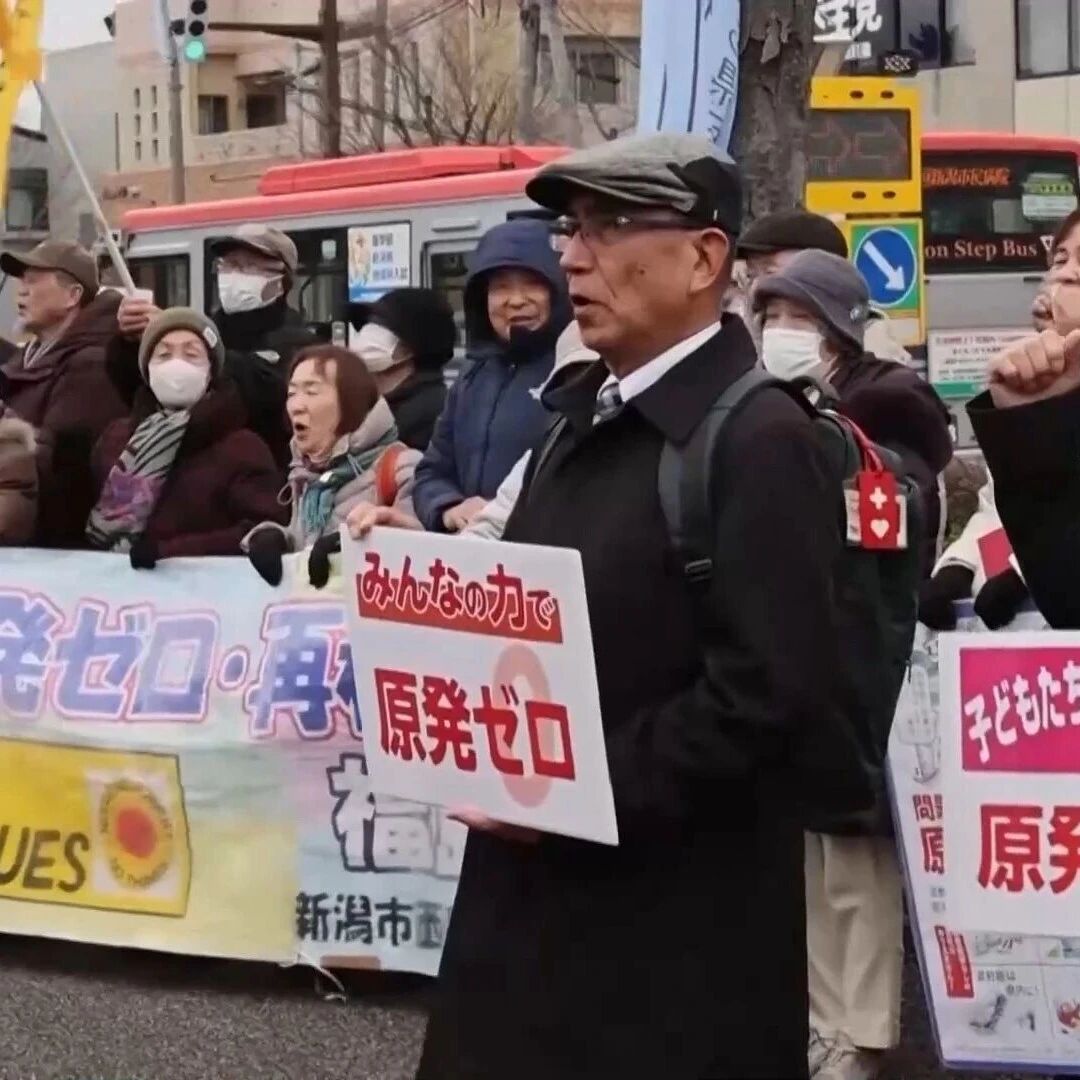
Core Viewpoint - The Niigata Prefectural Assembly approved a supplementary budget to restart the Kashiwazaki-Kariwa Nuclear Power Plant, Japan's largest nuclear facility, despite significant public opposition [1] Group 1: Public Opposition - The assembly meeting was marked by protests from local residents, who expressed their anger and concerns about the decision to restart the nuclear plant [1] - Many protesters held signs stating that the decision should be made by local residents and reminded others not to forget the lessons from the Fukushima disaster [1] - A survey conducted in October revealed that approximately 60% of residents believe the conditions for restarting the plant are not yet met, and about 70% feel uneasy about the plant's operator, Tokyo Electric Power Company [1] Group 2: Background of the Nuclear Plant - The Kashiwazaki-Kariwa Nuclear Power Plant, located in Niigata Prefecture, has a total installed capacity of approximately 8.212 million kilowatts, making it the largest nuclear power plant in Japan [1] - The plant was shut down in 2012 following the Fukushima Daiichi nuclear disaster triggered by the Great East Japan Earthquake on March 11, 2011, which led to a nationwide halt of nuclear reactors [1]
日本重启核电站,当地民众反对!
中国能源报· 2025-12-23 13:05
Core Viewpoint - Japan's largest nuclear power plant, Kashiwazaki-Kariwa, is set to restart, facing significant local opposition due to safety concerns stemming from the Fukushima disaster [1][3]. Group 1: Local Opposition - The Niigata Prefectural Assembly approved a supplementary budget for the restart, which led to protests from local residents who expressed their fears and concerns about nuclear safety [1]. - Many residents gathered outside the Niigata government office, holding signs demanding local residents should decide on the restart and reminding others not to forget the lessons from Fukushima [1]. Group 2: Public Sentiment - A survey conducted in October revealed that approximately 60% of residents believe the conditions for restarting the plant are not yet met, and about 70% feel uneasy about the plant's operator, Tokyo Electric Power Company [3]. - Survivors of the Fukushima disaster expressed their fears about the potential risks of another nuclear accident, emphasizing that the threat of radioactive contamination remains as long as the plant is operational [1]. Group 3: Plant Specifications - The Kashiwazaki-Kariwa nuclear power plant, located in Niigata Prefecture, has a total installed capacity of approximately 8.212 million kilowatts, making it the largest nuclear power plant in Japan [3]. - The plant was shut down in 2012 following the Fukushima disaster, which was triggered by the Great East Japan Earthquake on March 11, 2011 [3].
福岛第一核电站又排7833吨核污染水,含放射性氚2.4万亿贝克勒尔!日本最大核电站因地震关闭13年后将重启,当地民众炸锅
Mei Ri Jing Ji Xin Wen· 2025-12-23 10:56
Core Viewpoint - Tokyo Electric Power Company has completed the 17th discharge of nuclear contaminated water from the Fukushima Daiichi Nuclear Power Plant, amid strong opposition from the international community and local residents [4][5]. Group 1: Nuclear Water Discharge - The 17th discharge of nuclear contaminated water began on December 4 and was temporarily halted due to an earthquake on December 8, resuming on December 9. A total of 7,833 tons of contaminated water were discharged, containing approximately 24 trillion becquerels (Bq) of radioactive tritium [4]. - Cumulatively, the total amount of discharged nuclear contaminated water has reached approximately 133,000 tons [4]. - Tokyo Electric Power Company plans to discharge nuclear contaminated water seven times in the fiscal year 2025, with a total planned discharge of about 54,600 tons, concluding with the last discharge in March 2026 [4]. Group 2: Local Opposition and Nuclear Plant Restart - The Niigata Prefectural Assembly approved a supplementary budget to restart the Kashiwazaki-Kariwa Nuclear Power Plant, Japan's largest nuclear power station, which has sparked significant local opposition [4][5]. - During the assembly discussions, many residents expressed their discontent, emphasizing that decisions regarding the nuclear plant's restart should be made by local residents, and recalling the lessons from the Fukushima disaster [5]. - A survey conducted in October revealed that approximately 60% of residents believe the conditions for restarting the plant are not yet met, and about 70% feel uneasy about the operations of Tokyo Electric Power Company [7].

数百名日本民众举行集会 反对日本最大核电站重启
Xin Jing Bao· 2025-12-23 07:16
Core Viewpoint - The article highlights public opposition to the restart of Japan's largest nuclear power plant, the Kashiwazaki-Kariwa Nuclear Power Plant, following a vote by the Niigata Prefectural Assembly to approve a supplementary budget for its restart [1] Group 1: Public Sentiment - Hundreds of Japanese citizens gathered outside the Niigata Prefectural Assembly to protest against the nuclear power plant's restart, emphasizing that residents should have the decision-making power regarding such actions [1] - Protesters raised slogans such as "Do not forget the lessons of Fukushima," indicating a strong public memory of the 2011 Fukushima Daiichi nuclear disaster [1] - During the assembly vote, attendees expressed their opposition vocally, leading to moments of chaos as security personnel attempted to maintain order [1] Group 2: Legislative Action - The Niigata Prefectural Assembly approved a supplementary budget that facilitates the restart of the Kashiwazaki-Kariwa Nuclear Power Plant, marking a significant step in Japan's nuclear energy policy post-Fukushima [1] - This decision comes after all nuclear reactors in Japan were shut down following the Fukushima disaster, highlighting a shift in the country's approach to nuclear energy [1]
当地人持续抗议!曾因福岛核事故关闭的日本最大核电站将重启
Nan Fang Du Shi Bao· 2025-12-23 04:02
Core Viewpoint - The Niigata Prefectural Assembly has approved a supplementary budget to fund the restart of Tokyo Electric Power Company's (TEPCO) Kashiwazaki-Kariwa Nuclear Power Plant, marking a significant step towards its reopening after multiple accidents and public protests against the decision [1][2]. Group 1: Restart Plans and Approvals - TEPCO plans to restart the Kashiwazaki-Kariwa Nuclear Power Plant's Unit 6 on January 20, 2026, and will apply for necessary inspections from the Nuclear Regulation Authority [1]. - The Niigata Prefectural Assembly passed the supplementary budget with a majority vote, which is essential for the Japanese government to make a decision regarding the restart [1]. - The local government has completed the necessary local consent procedures for the restart of the nuclear power plant [1]. Group 2: Public Opposition and Protests - Following the announcement of the restart, local citizen groups protested outside the Niigata Prefectural Government building, calling for a national referendum to gauge public opinion [2]. - On November 25, over 1,000 participants formed a human chain around the government and assembly buildings to express their opposition to the plant's reopening [2]. Group 3: Safety Concerns and Regulatory Issues - The Kashiwazaki-Kariwa Nuclear Power Plant, with a total capacity of approximately 8.212 million kilowatts, has been shut down since the Fukushima disaster in 2011 and has faced multiple management issues [3]. - The Nuclear Regulation Authority had previously issued a de facto operating ban due to serious management deficiencies, including the failure of intrusion detection systems [3][4]. - TEPCO has committed to enhancing security measures, including installing intrusion detection systems and hiring additional security personnel, but the Nuclear Regulation Authority has deemed these efforts insufficient [4].
日本将重启最大核电站 当地大量民众反对
Jing Ji Guan Cha Wang· 2025-12-23 02:11
Core Viewpoint - The Niigata Prefectural Assembly approved a supplementary budget to restart the Kashiwazaki-Kariwa Nuclear Power Plant, Japan's largest nuclear facility, despite significant public opposition [1] Group 1: Legislative Actions - The Niigata Prefectural Assembly's decision to restart the nuclear power plant was made during a session that saw intense public protests [1] - The assembly's approval included discussions and voting on related resolutions, indicating a formal legislative process was followed [1] Group 2: Public Reaction - There was a strong backlash from local residents, with many expressing their dissent vocally during the assembly meeting [1] - Protesters gathered outside the Niigata government office, holding signs that emphasized local decision-making rights regarding the nuclear plant's operation [1] - The protests included slogans reminding attendees of the Fukushima disaster, highlighting public concern over nuclear safety [1]
日本将重启最大核电站 引发当地民众反对
Xin Hua She· 2025-12-22 23:03
Core Viewpoint - The Niigata Prefectural Assembly approved a supplementary budget to restart the Kashiwazaki-Kariwa Nuclear Power Plant, Japan's largest nuclear facility, despite significant public opposition [1]. Group 1: Public Opposition - Approximately 300 residents attended the assembly meeting to protest the restart of the nuclear plant, expressing their discontent with slogans questioning the decision-making process [1]. - A survey conducted in October revealed that about 60% of local residents believe the conditions for restarting the plant are not yet met, and around 70% feel uneasy about the plant's operator, Tokyo Electric Power Company [1]. - A female resident in her 70s expressed her inability to accept the decision made against strong public opposition, questioning the governor's judgment [1]. Group 2: Political Actions - Niigata Governor Hideyo Hanakazu agreed to restart Units 6 and 7 of the Kashiwazaki-Kariwa Nuclear Power Plant on November 21 and sought a confidence vote from the prefectural assembly regarding his position [1]. - The assembly's approval on December 22 included a supplementary budget for the restart and a resolution expressing confidence in Governor Hanakazu [1]. - Local media reported that the necessary local consent procedures for restarting the nuclear plant have effectively been completed [1].
日媒:日本将重启该国最大核电站,当地人不安
Huan Qiu Shi Bao· 2025-12-22 23:02
Core Viewpoint - The Niigata Prefectural Assembly has approved a supplementary budget to restart the Kashiwazaki-Kariwa Nuclear Power Plant, with the governor expected to communicate this to the Japanese government by December 23 [1] Group 1: Company Information - Tokyo Electric Power Company is considering restarting the Kashiwazaki-Kariwa Nuclear Power Plant's Unit 6 as early as January 20 [1] - The Kashiwazaki-Kariwa Nuclear Power Plant, located in Niigata Prefecture, has a total installed capacity of approximately 8.212 million kilowatts, making it the largest nuclear power plant in Japan [1] Group 2: Industry Context - The restart of the Kashiwazaki-Kariwa Nuclear Power Plant has sparked widespread attention and controversy in Japan [1] - There is a prevailing distrust towards Tokyo Electric Power Company and the Japanese government among local residents, despite some support for the restart due to potential economic benefits [1] - Concerns remain among residents about the safety of the nuclear plant, with calls for continued oversight to prevent accidents [1]