癌症预防

Search documents
一上午检查11人,全部确诊癌症晚期!医生痛心:不少人活不过5年,天再冷也不要做这事
Xin Lang Cai Jing· 2025-12-21 08:22
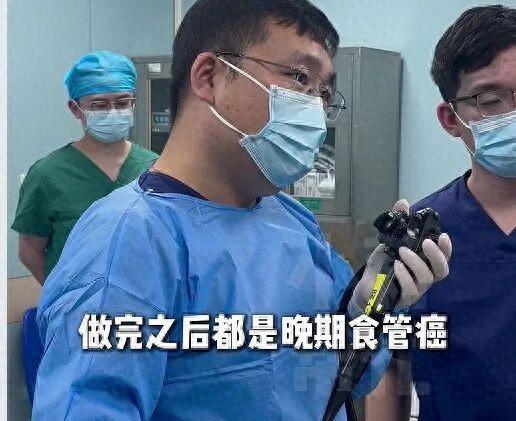
Core Viewpoint - A shocking incident occurred in a tumor hospital in Zhengzhou, Henan, where all 11 patients examined in one morning were diagnosed with late-stage esophageal cancer, highlighting the alarming prevalence of this disease in the region [1][3]. Group 1: Esophageal Cancer Diagnosis and Statistics - The late-stage diagnosis of esophageal cancer in 11 patients indicates that 7 to 8 of them may not survive beyond five years, which is a significant concern for healthcare professionals [3]. - Esophageal cancer is one of the top ten cancers globally, with its occurrence closely linked to poor dietary habits [5]. Group 2: Risk Factors and Lifestyle Habits - Research indicates that individuals who habitually consume hot and quickly eaten food have nearly four times the risk of developing esophageal squamous cell carcinoma compared to those who eat at moderate temperatures and chew their food thoroughly [6]. - Consuming excessively salty foods and pickled vegetables, which contain nitrites, also increases the risk of esophageal cancer [8]. - Rapid eating habits can lead to esophageal injuries, and insufficient chewing may cause damage to the esophageal mucosa, further elevating cancer risk [9]. Group 3: High-Risk Groups and Symptoms - The risk of esophageal cancer significantly increases after the age of 40, making this demographic particularly vulnerable [11]. - Emotional distress, such as chronic anger or anxiety, can cause chronic damage to the esophagus, thereby increasing cancer risk [12]. - Early warning signs of esophageal cancer include a sensation of a foreign body in the esophagus, difficulty swallowing, and chest pain, which may be mistaken for other conditions [13][14]. Group 4: Importance of Early Detection - Early detection of esophageal cancer can lead to better treatment outcomes, yet many patients only seek medical attention after experiencing significant swallowing difficulties, often indicating advanced stages of the disease [17].

减重也抗癌!司美格鲁肽竟可有效降低10种患癌风险
GLP1减重宝典· 2025-12-10 14:14
Core Insights - There is a significant association between obesity and the incidence of various cancers, with at least 12 types of cancer directly related to obesity, including colorectal, liver, gallbladder, pancreatic, breast, uterine, ovarian, kidney, thyroid cancers, multiple myeloma, gastric cardia cancer, and esophageal adenocarcinoma [2][4]. Group 1: Cancer and Obesity - Obesity is considered a causative factor for several cancers, and the incidence of these cancers is increasing alongside rising obesity rates [4]. - The rise in obesity-related cancers is particularly notable among younger populations, highlighting the need for improved public health policies and lifestyle changes [4]. Group 2: Mechanisms Linking Obesity and Cancer - Chronic inflammation caused by obesity is linked to the occurrence and progression of cancer [5]. - Metabolic disorders resulting from obesity, such as insulin resistance and changes in sex hormone levels, may promote tumor cell growth and development [6]. - Obesity alters the tumor microenvironment, affecting interactions between tumor cells and immune cells, which can facilitate tumor growth [7]. - Obesity may suppress the quantity and activity of important immune cells, such as CD8+ T cells, thereby inhibiting anti-tumor immune surveillance [8]. - Changes in gut microbiota in obese patients are closely associated with breast tumor growth and poor prognosis, playing a crucial role in obesity-induced cancer development [8]. Group 3: GLP-1 and Cancer Risk - Recent research published in JAMA Network Open indicates that GLP-1 therapy significantly reduces the risk of 10 obesity-related cancers among 1.6 million type 2 diabetes patients who had no prior history of certain cancers [9]. - The specific cancers with reduced risk include gallbladder cancer (65% reduction), meningioma (63%), pancreatic cancer (59%), hepatocellular carcinoma (53%), ovarian cancer (48%), colorectal cancer (46%), multiple myeloma (41%), esophageal cancer (40%), endometrial cancer (26%), and kidney cancer (24%) [11]. - The study suggests that GLP-1 drugs may have potential benefits in cancer prevention for high-risk populations, warranting further research into the cancer-preventive effects of new-generation drugs [11]. Group 4: Weight Loss Data - In the PIONEER PLUS phase 3 study, oral semaglutide was shown to lead to an average weight loss of 9.2 kg (9.54%) and 7.0 kg (7.26%) for 50 mg and 25 mg doses, respectively, over 68 weeks [12]. - The latest OASIS 1 study reported an average weight loss of 18.34 kg (17.4%) in patients taking the 50 mg dose of oral semaglutide, indicating an improvement in weight loss outcomes [13].
这种癌症早期症状不明显 出现这几个信号要警惕
Yang Shi Xin Wen· 2025-10-13 22:22
Group 1 - Pancreatic cancer is known as a "silent killer" due to its high malignancy and often asymptomatic early stages, leading to late-stage diagnosis [8][9] - The five-year survival rate for pancreatic cancer is less than 10%, significantly lower than that of breast and lung cancers, which contributes to its reputation as the "king of cancers" [8] Group 2 - The pancreas functions as a "multi-functional factory," playing a crucial role in digestion and blood sugar regulation [4][6] - It secretes pancreatic juice containing various digestive enzymes that break down proteins, carbohydrates, and fats for easier absorption in the intestines [5] - Pancreatic islet cells secrete insulin and glucagon, which help maintain blood sugar balance [6] Group 3 - Risk factors for pancreatic cancer include uncontrollable factors such as age (over 55 years) and family history, which can increase the risk by 3-5 times [10][11] - Controllable high-risk factors include smoking, excessive alcohol consumption, obesity, chronic pancreatitis, and diabetes, with smoking increasing the risk by 2-3 times [14][27] Group 4 - Early detection through regular check-ups is recommended for high-risk groups, including those over 40 years old or with a family history of pancreatic cancer [15][16] - Lifestyle changes such as quitting smoking, limiting alcohol intake, maintaining a healthy weight, and following a balanced diet can significantly reduce the risk of pancreatic cancer [17][18][19][20] Group 5 - Common misconceptions about pancreatic cancer include the belief that a lack of family history negates the need for screening and that it is incurable once diagnosed [23][24] - Regular screenings and a healthy lifestyle are essential for prevention and early detection of pancreatic cancer [25]

减重也抗癌!司美格鲁肽竟可有效降低10种患癌风险
GLP1减重宝典· 2025-09-07 09:49
Core Viewpoint - There is a significant correlation between obesity and the incidence of various cancers, with obesity being a contributing factor to at least 12 types of cancer, including colorectal, liver, and breast cancer [4][6]. Group 1: Relationship Between Obesity and Cancer - The rise in obesity rates is associated with an increase in the incidence of obesity-related cancers, particularly among younger populations, highlighting the need for improved public health policies and lifestyle changes [6]. - Mechanisms linking obesity to cancer risk include chronic inflammation, metabolic disorders, changes in the tumor microenvironment, immune function suppression, and alterations in gut microbiota [7][8][9][10]. Group 2: GLP-1 and Cancer Risk Reduction - Recent research published in JAMA Network Open indicates that GLP-1 therapy significantly reduces the risk of 10 obesity-related cancers among type 2 diabetes patients, compared to insulin treatment [11]. - Specific reductions in cancer risk include gallbladder cancer (65%), meningioma (63%), pancreatic cancer (59%), and liver cancer (53%), among others, suggesting potential benefits of GLP-1 drugs in cancer prevention for high-risk populations [13]. Group 3: Weight Loss Data from GLP-1 Treatments - In the PIONEER PLUS study, participants treated with oral semaglutide lost an average of 9.2 kg (9.54%) and 7.0 kg (7.26%) over 68 weeks, depending on the dosage [14]. - The latest OASIS 1 study reported an average weight loss of 18.34 kg (17.4%) in patients treated with 50 mg of oral semaglutide, indicating enhanced weight loss efficacy [15].
Lucid Diagnostics (LUCD) 2025 Conference Transcript
2025-09-05 13:35
Summary of Lucid Diagnostics (LUCD) Conference Call Company Overview - **Company**: Lucid Diagnostics Inc. - **Industry**: Cancer prevention and diagnostics - **Product**: EsoGuard® molecular diagnostic test for detecting esophageal precancer non-invasively in office settings [1][4] Key Points and Arguments 1. **Medicare Coverage Progress**: - Lucid Diagnostics is in the late stages of securing Medicare coverage for the EsoGuard® test, having worked closely with the Multi-X group for several years [4][5] - A recent multi-jurisdictional Contractor Advisory Committee meeting provided clinical context to the evidence submitted, which included multiple studies on clinical validity and utility [5][6] 2. **Clinical Validity and Utility**: - The test has a negative predictive value of 99% and a positive predictive value that enhances patient compliance for endoscopy [6][7] - Patients with a positive EsoGuard test have double the compliance rate for endoscopy, leading to a nearly threefold increase in diagnostic yield [7][8] 3. **Impact of Esophageal Cancer**: - Esophageal cancer is highlighted as a significant health issue, with a high mortality rate, emphasizing the need for effective early detection [9][10] 4. **Next Steps for Coverage**: - The next milestone is the publication of a draft Local Coverage Determination (LCD), which indicates a positive direction towards coverage [19][20] - Following the draft, there will be a 45-day comment period before finalization [23] 5. **Commercialization Strategy**: - Lucid Diagnostics plans to target Medicare patients more aggressively, as historically only 10-15% of their patients were Medicare beneficiaries [24][25] - The company is also engaging with commercial payers and has begun securing contracts with regional plans [26][27] 6. **Sales Force and Operational Efficiency**: - The company intends to maintain a cautious approach with its existing sales force while ensuring operational efficiency [29] - The Medicare payment rate is set at $1,938, with a cost of goods at $1,200, providing a favorable margin for the business [30] 7. **Patient Awareness and Education**: - Lucid Diagnostics is focused on educating patients about the link between heartburn and esophageal cancer, which is crucial for driving test adoption [34][36] - The company has plans for direct-to-consumer marketing once broader coverage is achieved [35] 8. **Future Research and Development**: - Ongoing clinical studies, including a significant NIH study, aim to expand market opportunities for the EsoGuard test [39] - The company is exploring potential markets in Europe, particularly the UK, where there is growing awareness of esophageal cancer [41] 9. **Key Catalysts for Next Year**: - Securing Medicare coverage and increasing the proportion of Medicare patients to align with the target population [42] Additional Important Content - The meeting included discussions with leading medical experts, emphasizing the importance of clinical context in diagnostics [6][18] - Anecdotal evidence from physicians highlighted the effectiveness of the EsoGuard test in identifying precancerous conditions, showcasing its potential life-saving impact [10][11]

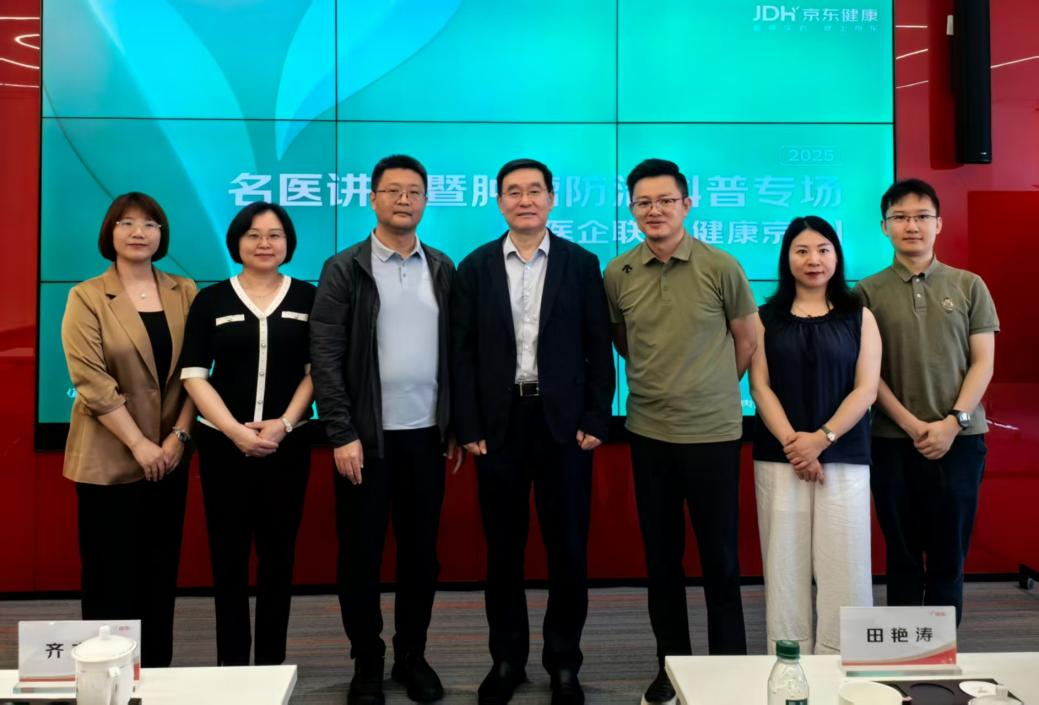
提升员工健康素养 京东携手知名专家田艳涛、齐立强打造职场健康课堂
Yang Guang Wang· 2025-07-22 09:39
Core Viewpoint - The event organized by the China Physician Association and the China Anti-Cancer Association, in collaboration with JD Health, aimed to enhance disease prevention awareness and self-health management among employees through a science popularization health consultation activity focused on gastric and breast cancer [1][5]. Group 1: Event Overview - The event featured renowned experts, Professor Tian Yantao and Professor Qi Liqiang, who provided insights into the prevention and management of gastric and breast cancer [1][4]. - The activity included health consultations and lectures, emphasizing the importance of early detection and lifestyle changes in cancer prevention [4][5]. Group 2: Expert Contributions - Professor Tian Yantao, a leading figure in gastric cancer prevention, shared common bad habits that could lead to gastrointestinal tumors and provided a "five-heart" prevention strategy [3][4]. - Professor Qi Liqiang focused on breast cancer, introducing self-examination methods and the significance of regular professional screenings, recommending specific checks based on age [4][5]. Group 3: Future Initiatives - JD Health plans to continue similar activities, integrating top medical resources and digital tools to reach employees and their families effectively, promoting a win-win scenario for individual health and societal burden reduction [5].

哪些饮食习惯“助长”食管癌?17条防癌知识点值得收藏
Yang Shi Xin Wen· 2025-06-02 07:39
Group 1 - Smoking increases the risk of lung cancer due to harmful substances like tar and nicotine damaging lung cells, leading to gene mutations. The more one smokes and the longer the duration, the higher the risk of lung cancer. Quitting smoking can significantly reduce the probability of developing the disease [1] - Eating late-night snacks and staying up late increases the risk of stomach cancer by disrupting the biological clock and affecting the repair of the gastrointestinal mucosa. This can lead to endocrine and immune system disorders, and high stress levels can further lower immunity, increasing the risk of stomach cancer [3] - Fatty liver is a new risk factor for liver cancer, associated with obesity and diabetes. Long-term fat infiltration in liver cells can cause chronic inflammation and fibrosis, with the incidence of liver cancer rising as obesity rates increase. Weight control and metabolic regulation are crucial [4] Group 2 - Excessive or insufficient iodine intake affects thyroid health. Overconsumption of iodine (e.g., from seaweed) is linked to an increased risk of thyroid papillary cancer, while severe iodine deficiency can lead to thyroid dysfunction and increase the risk of follicular cancer. Adequate iodine intake through iodized salt is generally safe [5] - A high-fat, low-fiber diet is associated with an increased risk of colorectal cancer. High-fat diets stimulate the production of bile acids and other metabolites that can damage intestinal epithelial cells, while low-fiber diets reduce stool bulk and prolong the retention time of carcinogens in the intestines [7] - Colorectal cancer is a preventable and treatable chronic disease, with its development typically requiring a long time due to cumulative genetic damage from various pathogenic factors. There is a significant intervention window for prevention [8][9] Group 3 - Quitting smoking can prevent pancreatic cancer, as harmful substances in tobacco directly damage the pancreas, significantly increasing the risk of cancer. The earlier one quits, the more pronounced the protective effect [10] - Consuming fresh fruits and vegetables can lower the risk of throat cancer. Deep-colored vegetables like broccoli and carrots are rich in vitamins A, C, and E, which can neutralize free radicals and repair DNA damage. Daily intake of over 400 grams of various fruits and vegetables can significantly reduce the risk of throat cancer [12] - Two dietary habits contribute to esophageal cancer: consuming hot foods (over 65°C) that repeatedly damage the esophageal mucosa and eating pickled, smoked, or moldy foods that contain strong carcinogens like nitrosamines [13] Group 4 - Regular gynecological check-ups can detect ovarian abnormalities. Pelvic examinations can help identify changes in the ovaries, and combining tumor markers and ultrasound can enhance detection. High-risk individuals should start annual screenings from ages 30-35 [15] - Early vaccination against HPV is recommended to prevent cervical cancer. The vaccine is most effective when administered to girls aged 9-14 who have not yet engaged in sexual activity, with recommendations for women aged 15-26 who are HPV-free [16] - Lycopene found in tomatoes has a significant preventive effect against prostate cancer by inhibiting cancer cell division and promoting cancer cell self-destruction [17] Group 5 - Recurrent gallstones are closely related to gallbladder cancer. Patients with chronic cholecystitis, thickened gallbladder walls, or polyps larger than 1 cm are advised to undergo gallbladder removal surgery to reduce cancer risk [19] - Repeated injuries can trigger melanoma, particularly in the extremities. Continuous trauma or inflammation may stimulate skin cell carcinogenesis, suggesting that individuals in high-risk occupations should use protective gear [20] - Symptoms like headaches, vomiting, and unsteady gait may indicate neurological tumors, necessitating immediate medical attention to avoid disease progression [21] - Bone tumors are most prevalent among individuals aged 20-40, particularly in the ends of long bones. Persistent pain or swelling in these areas should be taken seriously as potential early signs of tumors [23] - Wearing sunglasses can prevent eye tumors, as UV exposure is a risk factor for various eye cancers. It is recommended to wear UV400 sunglasses in reflective environments to reduce damage [24]