
盗窃罪

Search documents
“富太太”的圈钱局 涉六罪一审被判有期徒刑十七年
Xin Lang Cai Jing· 2026-01-02 06:06
Core Viewpoint - The case involves a fraudulent scheme led by Yao, who created a false persona as a wealthy individual to deceive financial institutions and individuals into providing loans totaling over 169 million yuan, resulting in significant financial losses for the banks involved [1][8]. Group 1: Fraudulent Activities - Yao, along with accomplices, registered shell companies and used the identities of victims to secure loans from financial institutions, amounting to over 169 million yuan [1][8]. - The fraudulent activities included loan fraud, contract fraud, theft, money laundering, credit card fraud, and forgery of company seals [1][9]. - Yao's operations led to financial institutions suffering losses exceeding 130 million yuan due to overdue loans [8]. Group 2: Legal Proceedings - The Suzhou Municipal Prosecutor's Office initiated legal proceedings against Yao and her accomplices, resulting in Yao receiving a 17-year prison sentence and a fine of 625,000 yuan [1][14]. - Other accomplices received varying sentences, with Li and Zhang sentenced to 30 months and 22 months respectively, while Tan received a 27-month sentence [1][14]. - The case was escalated to the prosecutor's office for further investigation into money laundering activities linked to the fraudulent loans [11][14]. Group 3: Background and Motivation - Yao, who previously operated a failing garment factory, adopted a false identity as a wealthy individual to borrow money from friends and financial institutions [7][8]. - She fabricated a story about her husband being a wealthy heir to a well-known group, which helped her gain trust and manipulate others into participating in her schemes [7][8]. - The fraudulent activities were driven by Yao's desire to maintain a lavish lifestyle and to create an illusion of wealth [7][9].

员工利用公司系统漏洞盗走2360万
Xin Lang Cai Jing· 2025-12-28 16:22
Core Viewpoint - A significant theft case involving a construction materials company in Henan Province, where an employee exploited a system vulnerability to steal over 23.6 million yuan, has been reported. The employee, along with accomplices, manipulated the sales system to return funds to their accounts, leading to severe legal consequences for all involved [1]. Group 1 - The employee with "super administrator" access discovered a vulnerability in the sales system that allowed for the cancellation of completed transactions, resulting in refunds to the purchasing party's prepaid account [1]. - A total of 8,635 records were deleted, enabling the theft of approximately 23.6 million yuan, which was subsequently divided among the conspirators [1]. - The case was reported to law enforcement after the company noticed the deletion of purchasing data, leading to the arrest of the involved parties [1]. Group 2 - The court ruled that the actions of the conspirators constituted theft due to the illegal intent to possess others' property, resulting in varying sentences from life imprisonment to 7 years and 6 months for the main perpetrators [1]. - Additional individuals who assisted in the escape and asset transfer of one of the main conspirators received sentences ranging from 2 to 8 years for their involvement in the crimes [1].
卖号后再找回,贪小便宜犯了法
Xin Lang Cai Jing· 2025-12-19 23:34
Core Viewpoint - The article highlights a case of account trading fraud in the online gaming industry, where an individual exploited the system to profit from selling and reclaiming a game account multiple times, ultimately leading to legal consequences [1]. Group 1: Incident Overview - An individual named Zhou from Hubei Jianxi sold a high-level gaming account on a second-hand trading platform and later reclaimed it through an appeal process, resulting in significant financial gain [1]. - Zhou sold the same account three times, accumulating nearly 5,000 yuan in profits before the buyers realized they had been defrauded and sought refunds from the platform [1]. Group 2: Legal Proceedings - The case was transferred to the Jianxi County Procuratorate for review and prosecution in April 2025 after the police were unable to recover the funds from Zhou [1]. - Zhou confessed to the crime, compensated the victims, and received their understanding, which influenced the legal outcome [1]. - The procuratorate determined that Zhou's actions constituted theft due to the intent to illegally possess others' property, but his minor criminal circumstances and cooperation led to a decision of non-prosecution and administrative penalties [1].
男子凌晨拿走景区功德箱善款5000多元,被判刑!
2 1 Shi Ji Jing Ji Bao Dao· 2025-12-08 03:55
案发后,被告人杨某某主动向公安机关退赃人民币120元。另查明,案发后,上述被盗现金已发还被害 单位。 广州市南沙区人民法院一审判决:被告人杨某某犯盗窃罪,判处拘役四个月,并处罚金人民币二千元。 该判决已生效。 法院提醒,功德箱里的钱并非无主之物,以非法占有为目的私自将这些善款财物转移、窃取,属于盗窃 行为,将被追究法律责任。 (原标题:男子凌晨拿走景区功德箱善款5000多元,被判刑!) 据广州日报报道,佛寺庙宇中功德箱里的钱是香客捐赠的善款,不曾想却有人打起了这些善款的主意, 最终落入法网。近日,涉案被告人因犯盗窃罪被法院追究刑事责任。 2024年2月某日凌晨,被告人杨某某来到广州某景区,盗窃景区内一处民间信仰场所功德箱内善款现金 人民币5681.4元,得手后将其中的120元用于个人消费。不久后,被告人杨某某被公安机关抓获归案, 公安机关从被告人杨某某处缴获涉案盗窃的现金人民币5561.4元。 ...
住客半个月不让打扫房间,大连一民宿老板开门查看惊住了……已报警
Huan Qiu Wang· 2025-09-16 05:38
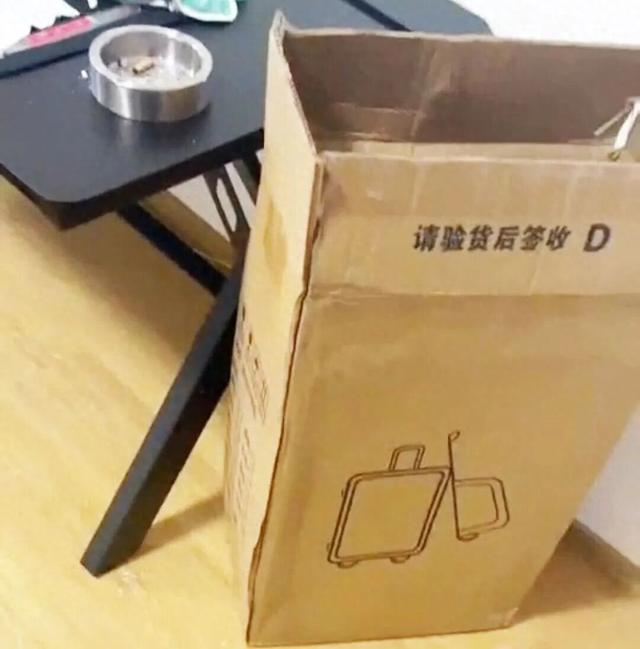
Incident Overview - A guest at an esports-themed homestay in Dalian Development Zone stole all gaming equipment after failing to pay rent for several days, with the total value of the equipment amounting to 27,000 yuan [6][9]. Guest Behavior - The guest initially checked in on July 24, claiming to stay for a week but later requested to extend the stay for a month, promising to pay rent every few days [2]. - The guest began delaying payments from August 14, citing various excuses such as a "frozen bank card" [2]. Suspicious Actions - The guest refused housekeeping services on August 17, claiming his girlfriend was resting in the room, while still sending videos to the host to show he was present [3]. - On August 30, the host discovered that the hallway surveillance camera had been tampered with, raising suspicions [4]. Theft Discovery - Upon entering the guest's room on August 31, the host found all gaming equipment missing, with only an empty box for a 28-inch suitcase left behind [4][6]. Guest's Justification - When contacted, the guest claimed he intended to "borrow" the equipment to "test run" an esports homestay he wanted to open in his hometown, stating he took everything to avoid refusal [7][8]. Legal Actions - The host reported the incident to the police, and the guest showed no fear of legal consequences, suggesting that a legal process would be acceptable [9]. - A lawyer indicated that the guest's actions constituted theft, as the total value of the stolen items met the threshold for criminal prosecution [10].
百余名货车司机利用磅差倒卖货物,是“外快”还是犯罪?
Xin Jing Bao· 2025-09-15 02:03
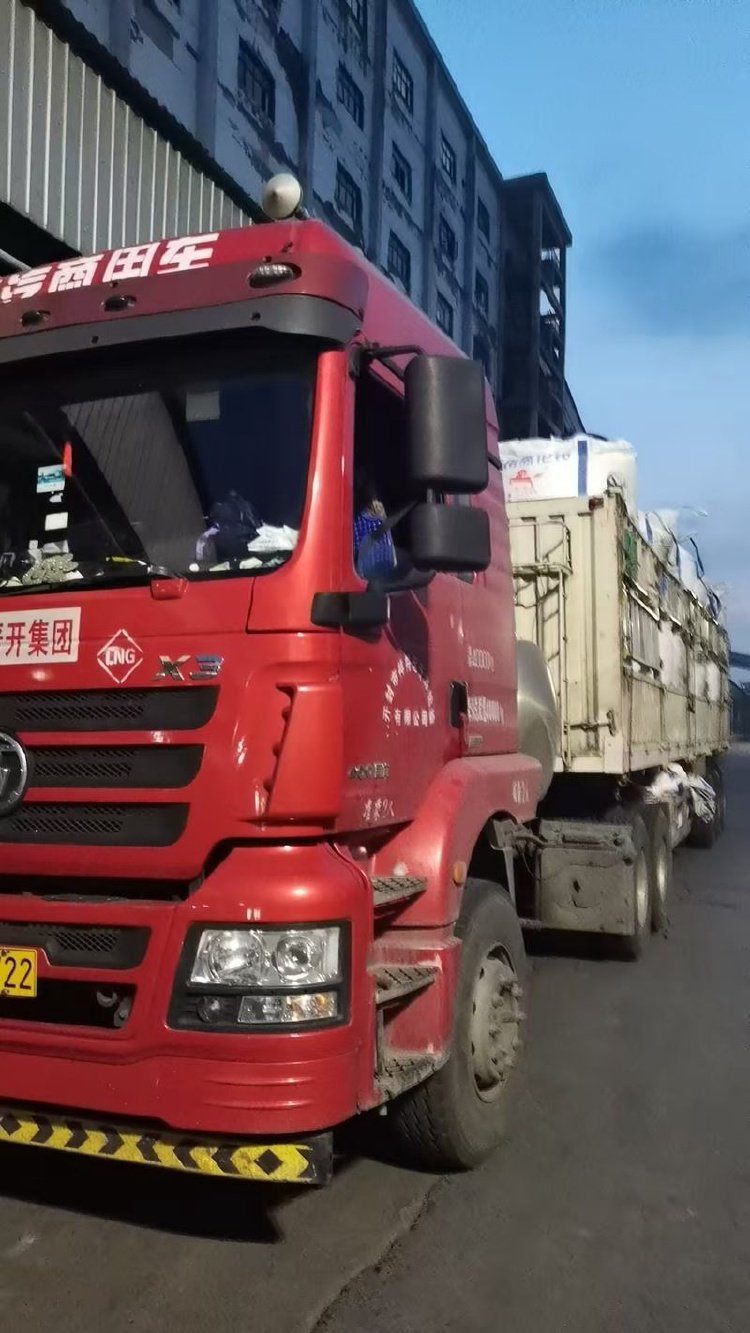
Core Viewpoint - The case involving over a hundred truck drivers accused of theft of fertilizer from a single company highlights the complexities of ownership and loss in the transportation industry, raising questions about the legality of their actions and the definition of theft in this context [1][4][12]. Summary by Sections Case Background - The case involves 137 truck drivers accused of stealing fertilizer from Jin Kai Company, with evidence including direct transactions and confessions from some drivers [5][6]. - The drivers allegedly sold excess fertilizer, which was often considered "gifts" due to weight discrepancies during weighing processes [4][7]. Legal and Industry Context - The legal definition of theft requires a victim, leading to disputes over the ownership of the sold fertilizer [12][13]. - The transportation industry often operates under informal rules, where drivers may sell excess goods, a practice that is widespread but rarely prosecuted [8][11]. Evidence and Charges - Evidence includes transaction records and confessions, but many drivers deny any wrongdoing, claiming their actions were common practice [5][8]. - The police initially identified theft amounts ranging from thousands to tens of thousands, later revised to a few thousand or less due to the nature of the transactions [8][9]. Industry Practices - The practice of selling excess goods is described as a "hidden rule" within the trucking industry, with many drivers acknowledging its prevalence [9][11]. - Drivers often face penalties for short deliveries, leading to a culture where selling excess goods becomes a coping mechanism for financial losses [11][15]. Legal Opinions - Legal scholars are divided on whether the drivers' actions constitute theft, with some arguing that the excess goods were effectively the property of the buyers, while others maintain that the drivers illegally appropriated company property [12][15]. - The case has drawn attention to the need for clearer definitions of ownership and loss in the context of transportation contracts [13][16].
百余名货车司机利用磅差倒卖货物 是“外快”还是犯罪?
Xin Jing Bao· 2025-09-15 00:15
Core Viewpoint - The case involving over a hundred truck drivers accused of stealing fertilizer from a single company has been ongoing for three years, with legal ambiguities surrounding the ownership of the sold goods and the definition of theft in this context [1][2][16]. Group 1: Case Background - The case began in May 2022 when several truck drivers were caught selling bags of fertilizer from their loads, leading to the arrest of over 130 drivers [4][3]. - Evidence against the drivers includes direct admissions of selling stolen goods, transaction records, and the capture of individuals selling the stolen fertilizer [1][4]. - The police initially identified a significant amount of theft, but the estimated value of the stolen goods has since decreased from tens of thousands to amounts below 30,000 yuan [1][9]. Group 2: Industry Practices - In the freight industry, it is common for sellers to provide extra goods to ensure buyers receive sufficient quantities, which the drivers have exploited by selling these "bonus" items [5][6]. - The practice of manipulating weight measurements using techniques to create discrepancies is widespread among truck drivers, with some drivers openly discussing these methods in industry groups [9][10]. - The drivers involved in the case argue that their actions are a common industry practice and do not constitute theft, as no party has suffered a loss [6][12]. Group 3: Legal Ambiguities - A central legal question is the ownership of the fertilizer sold by the drivers, with conflicting opinions on whether the goods belonged to the company or the buyers at the time of sale [16][17]. - Legal experts are divided on whether the drivers' actions constitute theft, with some arguing that the excess goods should be considered a loss accepted by the company, while others maintain that the company retains ownership [18][17]. - The ongoing legal proceedings have resulted in some drivers being convicted, while many others remain in limbo as the case continues to unfold [14][16].