
信用卡诈骗

Search documents
“富太太”的圈钱局 涉六罪一审被判有期徒刑十七年
Xin Lang Cai Jing· 2026-01-02 06:06
Core Viewpoint - The case involves a fraudulent scheme led by Yao, who created a false persona as a wealthy individual to deceive financial institutions and individuals into providing loans totaling over 169 million yuan, resulting in significant financial losses for the banks involved [1][8]. Group 1: Fraudulent Activities - Yao, along with accomplices, registered shell companies and used the identities of victims to secure loans from financial institutions, amounting to over 169 million yuan [1][8]. - The fraudulent activities included loan fraud, contract fraud, theft, money laundering, credit card fraud, and forgery of company seals [1][9]. - Yao's operations led to financial institutions suffering losses exceeding 130 million yuan due to overdue loans [8]. Group 2: Legal Proceedings - The Suzhou Municipal Prosecutor's Office initiated legal proceedings against Yao and her accomplices, resulting in Yao receiving a 17-year prison sentence and a fine of 625,000 yuan [1][14]. - Other accomplices received varying sentences, with Li and Zhang sentenced to 30 months and 22 months respectively, while Tan received a 27-month sentence [1][14]. - The case was escalated to the prosecutor's office for further investigation into money laundering activities linked to the fraudulent loans [11][14]. Group 3: Background and Motivation - Yao, who previously operated a failing garment factory, adopted a false identity as a wealthy individual to borrow money from friends and financial institutions [7][8]. - She fabricated a story about her husband being a wealthy heir to a well-known group, which helped her gain trust and manipulate others into participating in her schemes [7][8]. - The fraudulent activities were driven by Yao's desire to maintain a lavish lifestyle and to create an illusion of wealth [7][9].

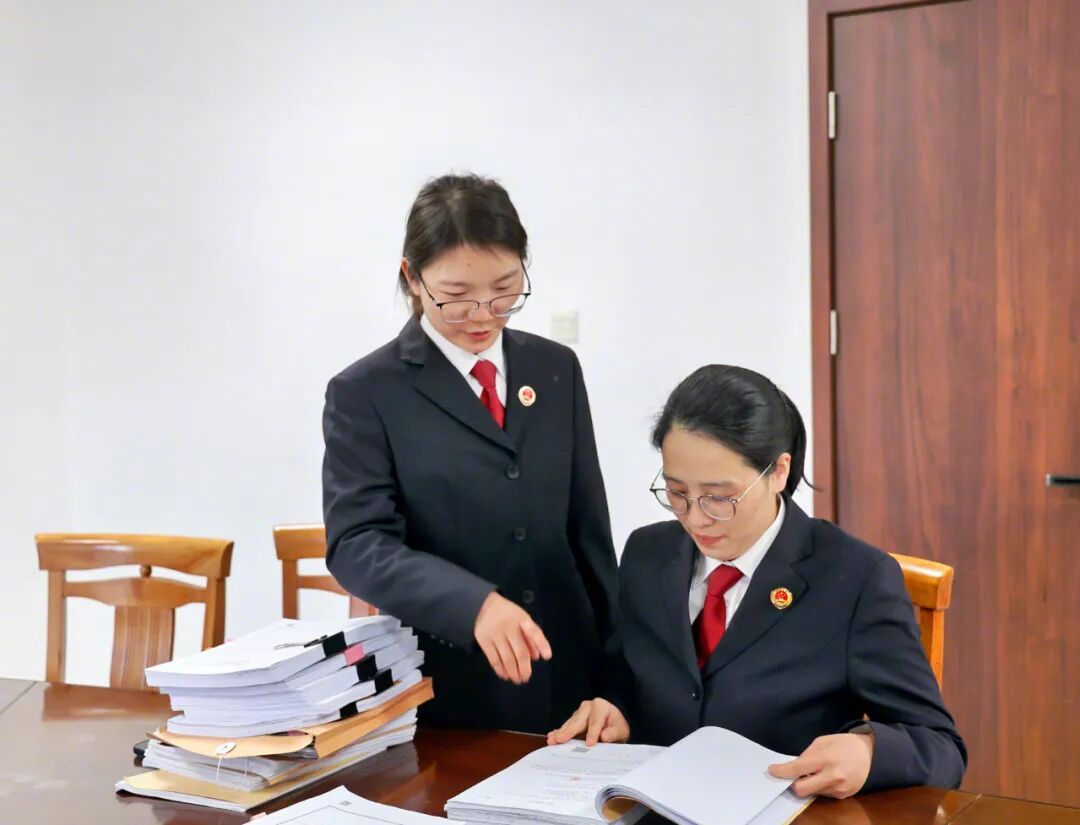
“白富美”竟是老赖!“80后”女子假冒富豪妻子骗贷1690余万元,涉六罪一审获刑17年
Xin Lang Cai Jing· 2026-01-02 05:02
Group 1 - The case involves a fraudulent scheme led by Yao, who created a false persona as a wealthy individual to deceive financial institutions into granting loans totaling over 169 million yuan [1][6][9] - Yao, along with accomplices, used a shell company and manipulated individuals into becoming nominal legal representatives to secure loans without any legitimate business operations [2][5][6] - The investigation revealed that Yao had a history of financial troubles, including being listed as a dishonest debtor, and had previously operated a failing garment factory [5][6] Group 2 - The fraudulent activities included obtaining loans from banks and other financial institutions, resulting in significant losses for these institutions, estimated at over 130 million yuan [6][9] - Yao's operations involved a complex scheme of money laundering, where funds were withdrawn and transferred to various accounts for personal use and to pay off initial loans [8][9] - The case has prompted authorities to investigate and address governance issues related to shell companies, leading to recommendations for administrative actions to clean up illegal market entities [10]
千万骗贷案宣判:包装“一条龙”,职业背债人就是这样成为工具
Bei Ke Cai Jing· 2025-09-15 14:14
Core Viewpoint - The article highlights a significant case of loan and credit card fraud involving a group led by an individual named Ning, who exploited vulnerable individuals labeled as "professional debtors" to commit financial crimes, resulting in substantial financial losses and legal consequences for those involved [1][5]. Summary by Sections Case Overview - The case involves Ning and accomplices who targeted individuals without repayment ability and lacking housing purchase qualifications, packaging them as "debtors" to facilitate fraudulent loan applications [2]. - The total amount defrauded through loans reached over 7.38 million yuan, while credit card fraud involved over 5.75 million yuan, leading to a combined fraud amount exceeding 10 million yuan [3][4][5]. Legal Consequences - Ning was sentenced to 16 years in prison and fined a total of 800,000 yuan for his roles in loan and credit card fraud [5]. - Other accomplices received varying sentences ranging from 3 to 11.5 years, along with fines [6]. Risks for Debtors - Individuals labeled as "professional debtors" face severe risks, including high debt burdens, damaged personal credit, and potential legal repercussions for failing to repay loans [7]. - Debtors involved in fraudulent activities, such as falsifying documents to obtain funds, may be charged with serious crimes, including fraud and money laundering [8].
金融“黑灰产”首批典型案例公布,包装“职业背债人”骗贷案在列
Bei Jing Shang Bao· 2025-09-15 09:59
Core Viewpoint - The financial regulatory authorities and the police in China are intensifying efforts to combat illegal financial activities, particularly focusing on loan and credit card fraud schemes involving illegal loan intermediaries [1][2]. Group 1: Case Details - A case involving Ning and others was highlighted, where they engaged in loan fraud and credit card fraud by creating "professional debtors" and falsifying documents to secure loans [1]. - From July 2019 to May 2020, the defendants defrauded a total of over 7.38 million yuan through fraudulent loans and credit card applications, with 5.75 million yuan in principal still outstanding at the time of the incident [1][2]. Group 2: Legal Consequences - In March 2025, the court sentenced Ning to 16 years in prison and imposed fines totaling 800,000 yuan for loan and credit card fraud [2]. - Other defendants received varying sentences ranging from 3 to 11.5 years, along with fines, indicating a structured approach to sentencing based on the severity of involvement in the crimes [2]. Group 3: Industry Impact - The rise of illegal loan intermediaries has led to significant economic losses and has disrupted the financial management order in the country, posing a threat to national financial security [2]. - The criminal activities are characterized by a systematic approach, with intermediaries playing a crucial role in orchestrating fraud, which has serious social implications and necessitates legal action [2][3]. Group 4: Handling of Offenders - The authorities emphasize a tiered approach to handling offenders based on their level of involvement, advocating for harsher penalties for key players while considering leniency for those with lesser roles who cooperate with investigations [3].