
盗窃罪

Search documents
以案释法 | 三人用练功钞调包赃款,“黑吃黑”涉两罪获刑
Xin Lang Cai Jing· 2026-02-28 02:45
Core Viewpoint - The case involves three individuals who knowingly assisted in cashing out criminal proceeds from a scam, ultimately leading to their conviction for concealing and stealing criminal gains [1][3][4]. Group 1: Case Details - The case was handled by the Luohu District Prosecutor's Office, resulting in prison sentences ranging from eight months to one year and four months for the three defendants [1][4]. - Wu, introduced by a former inmate, began using his bank account to help a scam group collect and cash out funds, earning profits from the illicit activities [2][3]. - After receiving an initial scam payment of 49,800 yuan, Wu devised a plan to switch real cash with counterfeit money during a cash withdrawal [2]. Group 2: Criminal Actions - Wu, along with his accomplices, planned to exchange 20,000 yuan of real cash with counterfeit money during a bank transaction, demonstrating intent to commit fraud [2][3]. - The actions of Wu and his accomplices were discovered during the investigation of the scam funds, leading to charges of concealing criminal proceeds and theft [3]. - The court found that both Wu and his accomplices knowingly assisted in the cashing out of criminal proceeds, constituting a crime [3][4].
男子商场通风管藏9小时偷1885克黄金 被判十年六个月
Xin Lang Cai Jing· 2026-02-28 02:44
Group 1 - The case involves a defendant, Lin, who stole gold jewelry and other items worth over 1.4 million yuan from a jewelry store in a shopping mall after hiding in the ventilation duct for nearly 9 hours [1] - Lin had prior knowledge of the mall's structure due to his involvement in a fire safety renovation project, which facilitated his planning and execution of the theft [1] - The court sentenced Lin to 10 years and 6 months in prison and imposed a fine of 60,000 yuan, while also ordering him to continue compensating the victims for their remaining economic losses [1] Group 2 - The stolen items included 1885.421 grams of gold jewelry and six jade bracelets, which were later partially sold by Lin [1] - The police quickly established a special task force and utilized surveillance footage to track Lin's movements, leading to his arrest just 9 hours after the crime [1] - The court recognized Lin's voluntary confession and remorse, which contributed to the sentencing decision [1]
藏商场通风道内近9小时,男子凌晨偷走近2公斤黄金、6个玉镯……
Xin Lang Cai Jing· 2026-02-28 02:43
Core Viewpoint - The case highlights a significant security vulnerability in retail environments, particularly regarding the handling of valuable items after business hours, which can lead to substantial thefts [1][4]. Group 1: Incident Summary - The defendant, Lin, executed a meticulously planned theft in a jewelry store, stealing valuables worth over 1.4 million yuan (approximately 140,000 USD) [1]. - Lin had prior knowledge of the store's operations due to his involvement in a fire safety renovation project, which facilitated his criminal activities [1]. - The theft involved Lin hiding in the ventilation system for nearly 9 hours before executing the crime [1]. Group 2: Law Enforcement Response - The police quickly established a special task force and utilized surveillance footage to track Lin, leading to his arrest within 9 hours of the crime [2]. - The stolen items were recovered and returned to the victims, and Lin compensated the victims for their primary economic losses [2]. Group 3: Legal Outcome - The court found Lin guilty of theft, sentencing him to 10 years and 6 months in prison, along with a fine of 60,000 yuan (approximately 6,000 USD) [2]. - The court emphasized Lin's illegal intent and the significant amount involved in the theft, which constituted a serious crime [2]. Group 4: Security Recommendations - Retailers are advised to implement strict security measures, including daily inventory checks of valuable items and secure storage in compliant safes after hours [5]. - Comprehensive surveillance systems should be installed to cover all areas, including hidden spots like ceilings and ventilation ducts, ensuring 24-hour monitoring [5]. - Regular safety inspections should be conducted to identify and reinforce vulnerable areas that could be exploited by criminals [5][6].
女子在台球室见人掉落现金不提醒,反而据为己有,涉嫌盗窃被刑拘,律师解读“捡走”为何涉嫌“盗窃罪”
Xin Lang Cai Jing· 2026-02-07 14:37
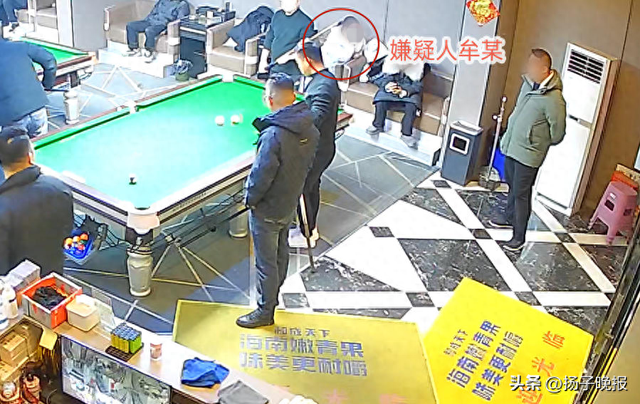
Core Viewpoint - A woman in Sichuan, China, was detained for theft after taking 1,600 yuan that fell from another person's pocket without notifying him, highlighting legal interpretations of theft and ownership control [1][3][10] Summary by Sections Incident Details - The incident occurred on January 25, when a woman named Miao accompanied her husband to a billiard hall. While her husband was playing, a man named Mr. Wang accidentally dropped a stack of cash, which Miao observed but did not inform him about [3][5] - Miao waited for a few minutes, then secretly wrapped the cash in her coat and took it to the restroom, hiding it in her bag [5][6] Legal Analysis - Legal experts assert that Miao's actions constitute theft, as she intended to illegally possess someone else's property. The cash had not left the owner's control, as it was still within Wang's sight [7][9] - The definition of theft under criminal law includes the secret appropriation of property with the intent to permanently deprive the owner of it. Miao's actions met all the criteria for theft, including the necessary intent and the act of secretly taking the money [8][10] Ownership Control - The cash was not considered lost or abandoned, as it remained within Wang's control while he was nearby. Miao's actions of covering the cash and moving it to her bag demonstrated a clear intention to establish new, illegal control over the money [9][10] - Legal interpretations emphasize that property still within the owner's reasonable control, even if not physically held, cannot be taken without consent, as it constitutes theft [9][10]

无人便利店被盗,一对蒙面男女偷走6000元香烟!警方通报:犯罪嫌疑人李某彬等人在广东、湖南两省流窜作案
Xin Lang Cai Jing· 2026-02-01 06:56
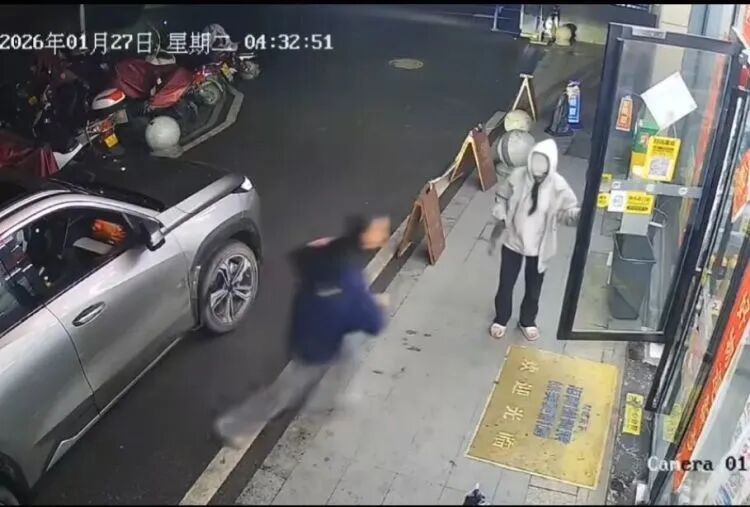
Core Viewpoint - The incident involving a robbery at an unmanned convenience store in Yongzhou, Hunan, raises questions about whether the act constitutes theft or robbery, with legal experts suggesting it aligns more with theft due to the absence of violence or coercion [1][5]. Group 1: Incident Details - On January 27, a couple wearing masks stole cigarettes worth approximately 6,000 yuan from an unmanned convenience store in Yongzhou [1][3]. - The suspects, identified as Li and Huang, were apprehended the following day in Huizhou, Guangdong, after police tracked their movements [3]. Group 2: Legal Analysis - Legal expert Zhao Liangshan stated that the suspects' actions fit the criteria for theft, as they used a calm approach to take the goods without any violent or coercive behavior [6]. - The act of wearing masks was deemed a method of evasion rather than coercion, which is a key element distinguishing theft from robbery [6]. - According to Article 264 of the Criminal Law, theft is characterized by the secret acquisition of property without violence, while robbery involves the use of force or intimidation [6].
偷走女友10只名牌包包,留下假货掩人耳目,辩称因怀疑对方不忠而报复
Xin Lang Cai Jing· 2026-01-31 09:10
Core Viewpoint - A significant theft involving luxury bags valued over 200,000 yuan occurred, with the perpetrator being the boyfriend of the victim, who replaced genuine items with counterfeit ones [1][5]. Group 1: Incident Overview - The victim, Ms. Dong, reported the disappearance of four luxury bags and discovered that six genuine bags had been replaced with fakes, totaling an estimated value of over 200,000 yuan [1]. - The crime scene showed no signs of forced entry, leading police to suspect an acquaintance was involved, particularly focusing on Ms. Dong's boyfriend, who had access to the home [3]. Group 2: Investigation and Arrest - Evidence indicated that the boyfriend, Mr. Feng, had visited a second-hand luxury goods store shortly before the theft, raising suspicions against him [5]. - After gathering sufficient evidence, police arrested Mr. Feng on December 19, where he confessed to stealing over 100,000 yuan worth of luxury bags and replacing them with six counterfeit bags to cover his tracks [5][8]. Group 3: Legal Consequences - Mr. Feng's actions, driven by feelings of betrayal, constituted a criminal offense, and he has been formally arrested on charges of theft, with the prosecution approved by the judicial authorities [8].

一张串供纸条让盗窃犯刑期多两年
Xin Lang Cai Jing· 2026-01-27 00:11
Group 1 - The case involves two individuals, Li and Luo, who were charged with theft after stealing items worth over 50,000 yuan, including gold jewelry and a laptop, from residential areas [1][2] - Li attempted to conspire with Luo to provide false testimony by passing a note while in custody, indicating a premeditated effort to evade responsibility [2] - The court accepted the prosecution's evidence, including the note, leading to Li being sentenced to five years in prison and a fine of 6,000 yuan, while Luo received a three-year sentence and a fine of 4,000 yuan [2] Group 2 - The investigation revealed that Li and Luo acted as accomplices in the theft, with Li denying involvement in one of the incidents despite evidence against him [1] - The prosecution's case was strengthened by the discovery of the note, which corroborated existing evidence and demonstrated Li's intent to manipulate the situation [2] - The case highlights the legal consequences of conspiracy and the judicial system's response to attempts to obstruct justice [2]
男子病逝后账户离奇转出50万元?上海警方侦破一起盗窃案
Zhong Guo Xin Wen Wang· 2026-01-26 06:52
Group 1 - A man passed away, and after his death, 500,000 yuan was mysteriously transferred from his bank account, leading to a police investigation into a theft case [1] - The police discovered that the majority of the transactions occurred within two days after the man's death, including a transfer of 200,000 yuan on the day of his passing and another transfer of 290,000 yuan the following day [1] - The suspect, identified as the deceased man's caregiver, was found to have been aware of the payment password and had been taking care of him for four years before the incident [2] Group 2 - The caregiver, after transferring the funds, also stole several pieces of jade from the deceased's residences and attempted to delete transaction records to conceal her actions [2] - As the deceased did not leave a will, his estate will be inherited by his mother, as he had no children and his spouse had also passed away [2] - The caregiver has been criminally detained by the police for theft, and the case is currently under further investigation [3]
二十多名货车司机在运输途中盗取棉花,一个月疯狂作案56车次、每车偷3至6吨,价值260多万
Xin Lang Cai Jing· 2026-01-25 06:54
Group 1 - A major cross-province cotton theft case involved 46 defendants who collectively stole cotton worth over 2.6 million yuan, committing 56 thefts within a month [1] - The criminal gang, led by a former long-distance truck driver, exploited regulatory loopholes in the freight transport process, focusing on the lack of thorough checks by textile companies [1] - The gang operated from a rented cold storage facility in Shaanxi, using specialized tools and recruiting over 20 truck drivers to assist in the thefts [1] Group 2 - The court found that the defendants had committed theft with the intent of illegal possession, resulting in sentences ranging from one year and three months to ten years and ten months for the main perpetrators [2] - A total of 24 truck drivers involved in the scheme received sentences of one year and five months to six months of detention, with some receiving probation [2] - Additional defendants responsible for repackaging and concealing stolen goods were sentenced to two to three years in prison, also with some receiving probation [2][3]
深夜潜入快递点“拿”走自己下单的快递,一男子被批捕
Xin Lang Cai Jing· 2026-01-05 06:22
Core Viewpoint - The case highlights the legal implications of the "rent-to-own" shopping model, emphasizing that consumers do not gain ownership of goods until all contractual obligations are fulfilled, and any attempt to unlawfully take possession of goods constitutes theft [1][2]. Group 1: Legal Framework and Implications - The accused, Chen, utilized a "rent-to-own" model to acquire a mobile phone, paying only a deposit of 100 yuan, which does not confer ownership until full payment is made [1][2]. - Chen's actions of taking the phone without paying the rental fee and subsequently stealing it demonstrate a clear intent to unlawfully possess someone else's property [2]. - The mobile phone's value was assessed at 7500 yuan, qualifying the theft as "large amount" under criminal law, leading to formal charges against Chen [2]. Group 2: Consumer Awareness and Legal Consequences - The case serves as a reminder for consumers to understand the distinction between placing an order and owning the item, particularly in new consumption models [2]. - Legal authorities stress that the rapid growth of e-commerce and rental models does not exempt consumers from legal responsibilities, and any exploitation of loopholes will result in legal repercussions [2].