
老年助餐服务

Search documents
浓浓烟火气 温暖老人心(暖闻热评)
Ren Min Ri Bao· 2025-10-27 22:25
Core Viewpoint - The article highlights the importance of providing affordable and accessible meal services for the elderly, particularly in rural areas, as a means to address the challenges posed by an aging population and to foster a supportive community environment [1][2][3][4]. Group 1: Elderly Meal Services - Various service models such as "senior dining halls," "community kitchens," and "elderly meal tables" are rapidly being adopted in urban areas to cater to the needs of the aging population [2]. - In rural areas, the aging issue is compounded by factors like left-behind elderly and population hollowing, necessitating the development of meal services that are convenient and comforting for seniors [2][3]. - The initiative in Liyuwan Village serves as a successful example of how to implement meal services that are both affordable and considerate of the elderly's needs [1][2]. Group 2: Policy and Community Involvement - The central government has emphasized the need to utilize social resources and develop elderly meal services tailored to local conditions [3]. - Collaborative models, such as public-private partnerships, are being explored to enhance the sustainability and reach of these services, with some businesses contributing a portion of their profits to community welfare [3]. - The elderly meal service is characterized by its inclusivity, market viability, and public welfare aspects, requiring a collective effort from various sectors to improve the quality of life for the elderly [3][4]. Group 3: Demographic Trends - By the end of 2024, the elderly population in China is projected to reach 310 million, accounting for 22% of the total population, highlighting the urgent need for tailored services to meet diverse and individualized needs [4]. - Addressing the everyday challenges faced by the elderly, such as basic living needs, is crucial for effectively managing the implications of an aging society [4].
粤东西北老人占全省60%,只享32%长者饭堂?广东直面养老两大难题
Nan Fang Nong Cun Bao· 2025-10-10 06:33
Core Insights - The report highlights two major challenges in elderly care services in Guangdong, specifically in meal assistance and workforce development [5][22]. Group 1: Elderly Meal Assistance Services - The elderly population aged 60 and above in Guangdong is 17.89 million, accounting for 17.46% of the total population, and is expected to exceed 20% by 2030 [3][4]. - The elderly population in the eastern and northern regions of Guangdong accounts for 60% of the total elderly population, but the number of senior meal service centers (long-term meal halls) in these areas only represents 32% of the total [6][7]. - Since 2025, nearly 100 senior meal halls have ceased operations due to low meal volumes, insufficient funding, and poor management, indicating a need for transformation and consolidation [8][9]. - There are issues with the quality of operations in some meal halls, including poor site selection and inadequate safety protocols [10]. Group 2: Workforce Development in Elderly Care - There is a significant imbalance in the supply and demand for elderly care personnel, with a high turnover rate and low professional recognition among caregivers [12][13]. - The province has over 1 million elderly individuals with disabilities, leading to a substantial shortfall in the required number of caregivers based on national standards [14][15]. - The training system for caregivers is inadequate, with a low certification rate of only 13% among caregivers [18][21]. - The report outlines plans to enhance the training and support for caregivers, including collaboration with educational institutions and the implementation of incentive policies [28][30].


省十四届人大常委会第二十次会议闭幕 刘宁主持并讲话
He Nan Ri Bao· 2025-09-29 10:50
Group 1 - The Henan Provincial People's Congress passed several important regulations, including the Social Governance Regulation and the Food Security Guarantee Regulation, emphasizing the need for effective implementation and public awareness [1] - The meeting highlighted the importance of food security as a national priority, focusing on enhancing grain production, storage, and circulation, while also improving the competitiveness of agricultural products [1] - Legal aid work was discussed, with a focus on improving access for vulnerable groups to ensure social justice and fairness [1] Group 2 - The meeting reviewed drafts of new regulations, including the Elderly Meal Service Regulation and the Private Economy Promotion Regulation, urging relevant parties to refine these drafts based on feedback [2] - Reports on various issues, including the elderly meal service, anti-corruption efforts, and the handling of petitions, were presented, with a call for the provincial government to address the recommendations [2] - The meeting also addressed the handling of representatives' suggestions and emphasized the importance of political responsibility in addressing these issues [2]
【汉中】一碗热饭温暖万千家
Shan Xi Ri Bao· 2025-09-25 23:06
Core Insights - The article highlights the "Elderly Meal Assistance Good Neighbor Action" initiative in Hanzhong City, which addresses the challenges faced by elderly individuals in rural areas regarding meal preparation and companionship [2][4] - The program encourages community involvement, with neighbors providing meals and companionship to elderly residents, thereby fostering a sense of community and reducing loneliness among seniors [2][3] Group 1: Elderly Meal Assistance Program - The program has seen significant participation, with 94 "good neighbors" delivering over 3,000 meals in 2024, supported by a total subsidy of 47,000 yuan [2] - The initiative emphasizes that while elderly individuals may have sufficient food supplies, they often lack companionship during meals, which the program aims to address [2] Group 2: Community Engagement and Support - In urban areas, meal assistance points have been established, offering affordable meals for seniors, with a special discount system in place for different age groups [3] - The program includes additional services such as free health checks and companionship, enhancing the overall well-being of elderly participants [4] Group 3: Customization and Accessibility - The meal assistance service has adapted to meet the specific dietary needs of elderly individuals, providing customized meals for those with health conditions [4] - The initiative aims to ensure that elderly residents have easy access to nutritious meals and supportive services, thereby improving their quality of life [4]
总编有约·“两高四着力”调研行丨托起群众“稳稳的幸福”
He Nan Ri Bao· 2025-07-27 23:29
Core Points - The article emphasizes the importance of improving the well-being of the elderly population in China, which is projected to reach 310 million by the end of 2024, accounting for 22% of the total population [1] - The local government is actively developing elderly meal assistance services and enhancing rural pension service capabilities as part of key livelihood projects for 2024 and 2025 [1] Group 1: Elderly Meal Assistance Services - The "Yayuan Shiguang" cafeteria in Qibin District, Hebi City, has become popular among elderly residents, providing affordable and nutritious meals, with prices set at 6 yuan for seniors over 75 and 8 yuan for those aged 65 to 74 [2] - The cafeteria operates from 9 AM to 10 PM and offers various dining options, including online and offline ordering, as well as special meal delivery services [2][3] - The community has successfully implemented a partnership model involving the community, operators, and suppliers to enhance service delivery and create job opportunities [3] Group 2: Regional Elderly Care Centers - The transformation of traditional elderly care homes into regional elderly service centers is underway, with 786 out of 1000 targeted centers already converted by mid-2023 [10] - These centers provide a range of services, including full-day care, meal assistance, and medical support, with a focus on improving living conditions and care quality for the elderly [9][8] - The government is also addressing the challenges of rural elderly care by expanding services to include meal delivery, bathing assistance, and medical care [9] Group 3: Overall Progress in Elderly Services - By the end of 2024, the province aims to establish 8,367 elderly meal assistance locations, exceeding the annual target, and plans to build 1,000 standardized rural service stations [10] - The province has reported significant progress in various livelihood projects, including vocational training and safety improvements in schools, contributing to the overall enhancement of community well-being [11][12]
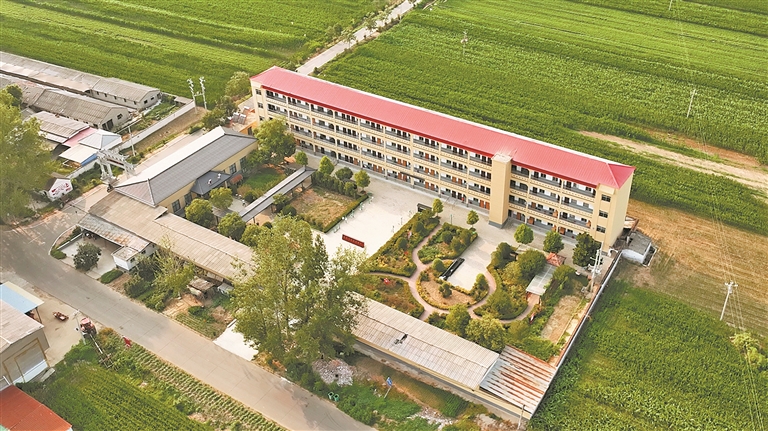
总编有约·“两高四着力”大家谈丨激活养老服务“一池春水”
He Nan Ri Bao· 2025-07-27 23:29
Core Viewpoint - The article discusses the importance of enhancing elderly care services in Henan Province, particularly in the city of Luohe, to improve the quality of life for senior citizens, especially those living alone or in rural areas [1][3]. Group 1: Elderly Care Services Development - Approximately 90% of elderly individuals in China prefer home-based care, facing challenges such as meal preparation and access to nutritious food [1]. - Luohe has a resident population of 2.343 million, with 568,000 individuals aged 60 and above, representing 24.24% of the population, highlighting the increasing aging and empty-nest trends [1][2]. - Luohe has established 197 elderly meal assistance locations, including 60 elderly canteens and 104 meal points, providing various subsidies for seniors based on age [2]. Group 2: Policy and Structural Improvements - Luohe is transitioning rural elderly care facilities into regional service centers, addressing previous issues of small, scattered, and poorly managed facilities [3][4]. - The city has implemented a reward mechanism, providing 200,000 yuan to each successfully transformed elderly care facility, encouraging funding through donations and social investments [3][4]. Group 3: Management and Service Standards - Luohe promotes a standardized management model for elderly care institutions, ensuring clear responsibilities and professional operation [4][5]. - The city has transformed 33 out of 50 rural elderly care facilities into regional service centers, housing nearly 400 elderly individuals, with a goal to complete the transformation by the end of 2029 [5].
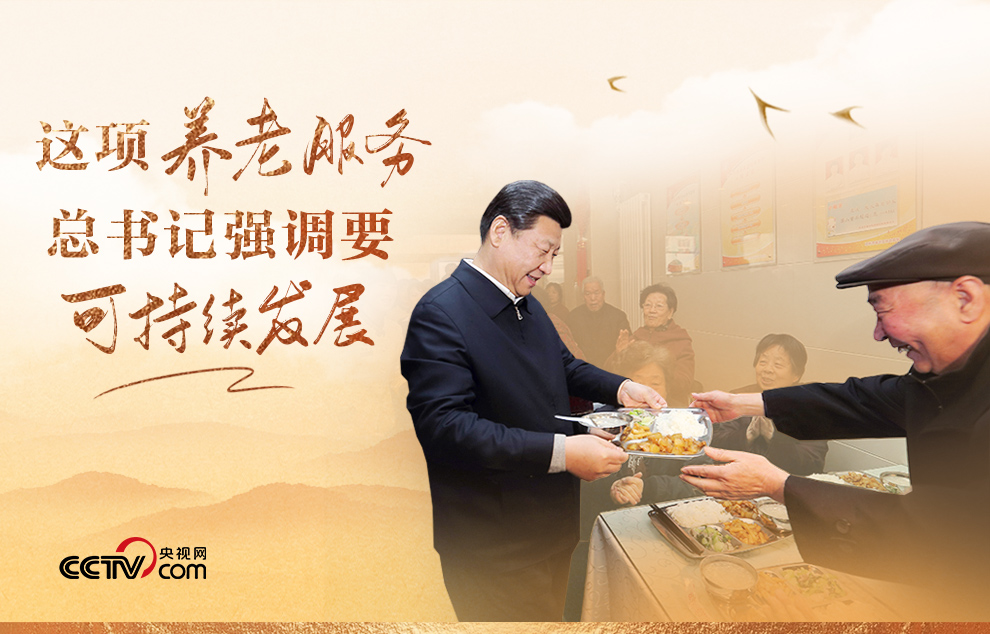
改革为人民|这项养老服务,总书记强调要可持续发展
Yang Shi Wang· 2025-07-21 06:18
Core Insights - The elderly meal assistance service is one of the most demanded elderly care services in China today [2] - President Xi Jinping has emphasized the need for sustainable development of elderly meal assistance services during the National People's Congress [3] Group 1: Government Initiatives - The Chinese government has initiated various policies to support the development of elderly meal assistance services, including a joint action plan from 11 departments and a central government allocation of 300 million yuan to support these services [9] - The government aims to create a comprehensive elderly meal assistance service network that is accessible in both urban and rural areas [9] Group 2: Service Expansion - In recent years, the number of elderly meal assistance points has surged, with Henan province establishing 3,100 elderly canteens and over 3,000 assistance points, while Guangdong serves over 32.54 million elderly people annually [10] - The community meal service model has diversified, with various approaches like "central kitchen + community canteen + assistance points" emerging in cities like Hangzhou [10] Group 3: Community Engagement - President Xi has visited numerous community meal services, highlighting the importance of affordability and sustainability in these services [11] - The community canteen in Chongqing has successfully attracted younger individuals to assist elderly patrons, achieving a "micro-profit sustainable" model [14]
一碗“热乎饭” 吃出“幸福味”——河南省加快推进老年助餐服务工作掠影
He Nan Ri Bao· 2025-06-25 23:19
Core Viewpoint - The article highlights the ongoing efforts in the province to enhance elderly meal assistance services, emphasizing the importance of these services for improving the well-being of senior citizens while addressing challenges related to sustainability and operational pressures [1][7]. Group 1: Elderly Meal Assistance Services - The province has been accelerating the development of high-quality basic elderly care services, with meal assistance being a key focus area [1]. - The number of elderly meal assistance points has been increasing, and service quality has significantly improved [1]. - Challenges such as operational pressures and sustainability of meal assistance services are becoming more apparent [1]. Group 2: Innovative Operational Models - The integration of resources in the Northeast Fusion Governance Area has led to the establishment of a centralized kitchen model, allowing for better food safety and quality control [3]. - The meal assistance service employs a "public + market-oriented" operational model, combining government subsidies and personal contributions to ensure sustainability [2][4]. - A tiered pricing model for meal services has been implemented, with different rates based on age, ensuring affordability for elderly residents [4]. Group 3: Community Engagement and Support - Volunteer initiatives, such as the "Clever Kitchen Ladies" service team, have been established to provide home delivery meals to elderly individuals with mobility issues [4]. - The community has also introduced health education and wellness activities alongside meal services, enhancing the overall support for elderly residents [3]. - The "Old-Young Co-Care + Meal Assistance" model has been developed, promoting intergenerational interaction and support within the community [6]. Group 4: Government and Legislative Support - The provincial government is actively conducting research and oversight on elderly meal assistance services, aiming to address existing challenges and improve service delivery [7]. - Legislative bodies are focusing on enhancing the effectiveness of meal assistance programs through coordinated efforts at various administrative levels [7].
老年食堂 暖意浓浓饭菜香(暖相册)
Ren Min Ri Bao· 2025-06-11 22:11
Core Insights - Wangtan Town in Shaoxing City has established a network of elderly dining services to support its aging population, which constitutes 84% of its residents [3] Group 1: Elderly Dining Services - In 2024, Wangtan Town will open 6 elderly dining halls and 19 meal assistance points, creating a "central kitchen + distribution point" service network [3] - The daily meal assistance reaches 1,000 servings, achieving full coverage across 25 villages and communities in the town [3] - The farthest delivery distance from the central kitchen is approximately 18 kilometers, taking about 30 minutes by vehicle [3] Group 2: Meal Pricing and Subsidies - The meal standard for elderly assistance is set at 8 yuan per meal, which includes one meat dish, one vegetable dish, soup, and rice [3] - A new policy implemented in April 2024 ensures that elderly individuals aged 80 and above do not have to pay for their meals [3]

跨上电瓶车,为社区老人送餐
Ren Min Ri Bao· 2025-04-27 22:11
Core Viewpoint - The article highlights the development of community meal services for the elderly in Shanghai's Putuo District, emphasizing the collaboration between the government, private enterprises, and social organizations to enhance the quality and accessibility of these services [1][2]. Group 1: Community Meal Services - Putuo District has the highest proportion of elderly population among Shanghai's central districts, with 384,600 registered elderly residents, accounting for over 40% of the district's population by the end of 2024 [1]. - The district has established 115 community elderly meal service locations, with a daily meal capacity of 21,000 servings, covering all 10 sub-districts [1]. - Many elderly meal service locations adopt a public-private partnership model, involving catering institutions in their operations and utilizing various resources to expand meal service offerings [1]. Group 2: Digital Integration and Service Improvement - A "Senior Meal" app allows elderly individuals or their relatives to order meals from nearby community kitchens, streamlining the ordering process [2]. - The digital platform provides real-time data on meal service performance, enabling community kitchens to improve their offerings based on popularity and demand [2]. - The operational model combines government subsidies, corporate discounts, and charitable contributions to create a sustainable ecosystem for elderly meal services, ensuring that more elderly individuals can benefit from these services [2].