自身免疫疾病

Search documents
Cell:王俊团队等开发新型LAG-3/TCR双抗,治疗T细胞驱动的自身免疫病
生物世界· 2025-07-01 04:04
Core Viewpoint - The article discusses a novel therapeutic approach targeting pathogenic T cells in autoimmune diseases, focusing on the mechanism of LAG-3 and T Cell Receptor (TCR) interaction, which offers a new strategy for treatment [4][10]. Group 1: Mechanism of Action - Autoimmune diseases are caused by overactive immune responses leading to tissue damage, with T cells playing a crucial role in diseases like type 1 diabetes and rheumatoid arthritis [2][3]. - LAG-3, an inhibitory immune checkpoint receptor, is regulated by its classical ligand MHC-II, and its activation is dependent on the spatial proximity to TCR, which is essential for effective suppression of CD4+ T cells [4][5][7]. - The study reveals that LAG-3's optimal function requires not just interaction with MHC-II but also the formation of a spatial proximity with TCR, which is a key molecular mechanism for T cell inhibition [7][8]. Group 2: Therapeutic Development - The research team developed a bispecific T cell silencer (BiTS) that targets the interaction between LAG-3 and TCR, allowing for selective modulation of pathogenic T cells while preserving beneficial T cell functions [5][10]. - This innovative approach has shown significant therapeutic effects in various animal models of autoimmune diseases, indicating its potential for treating conditions like refractory multiple sclerosis and rheumatoid arthritis [5][10]. - The study provides a unique opportunity for precise intervention in T cell-driven autoimmune diseases, addressing the current lack of safe and effective therapies [10].


周杰伦病情让自身免疫类药物受关注 和美药业能否借势闯关港股?核心产品还未上市,竞品集采已降价超93%
Mei Ri Jing Ji Xin Wen· 2025-06-25 12:43
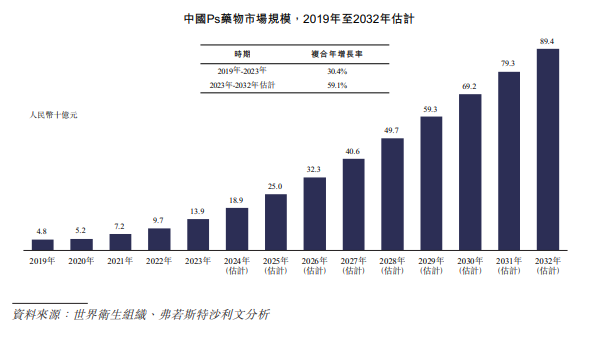
Core Viewpoint - The rising public awareness of autoimmune diseases, particularly ankylosing spondylitis, has led to increased interest in the pharmaceutical company Ganzhou Hemei Pharmaceutical Co., Ltd. as it seeks to go public with its core drug Mufemilast targeting psoriasis and ankylosing spondylitis [1][6]. Company Overview - Ganzhou Hemei Pharmaceutical is preparing for an IPO under the Hong Kong Stock Exchange's 18A biotechnology rules, focusing on high investment and potential returns typical of biopharmaceutical companies [2]. - The company has not yet generated revenue and relies heavily on government subsidies and continuous financing to sustain operations [2][11]. Product Pipeline - The company has seven clinical-stage small molecule candidates aimed at addressing unmet medical needs in autoimmune diseases and oncology [2]. - Mufemilast is a dual-action PDE4 inhibitor that has entered the NDA priority review process, targeting multiple indications including psoriasis and ankylosing spondylitis [2][3]. Market Potential - The market for psoriasis drugs in China has seen rapid growth, with a compound annual growth rate (CAGR) of 30.4% from 2019 to 2023, reaching a market size of 13.9 billion yuan in 2023, projected to soar to 89.4 billion yuan by 2032 [3]. - The autoimmune disease drug market in China has expanded from $2.5 billion in 2019 to $4 billion in 2023, with expectations to reach $26.3 billion by 2032, reflecting a CAGR of 23.3% [6]. Competitive Landscape - The competitive environment for Mufemilast is intense, with existing competitors having undergone significant price reductions due to national procurement policies, with price drops exceeding 93% for some products [5]. - There are currently five approved small molecule targeted therapies for psoriasis in China, with 37 more in clinical development, indicating a crowded market for Mufemilast [5][8]. Financial Status - The company reported significant losses of 156 million yuan in 2023 and 123 million yuan in 2024, with minimal other income [11]. - The company has undergone multiple rounds of financing since 2021, raising over 500 million yuan to support its operations, with a post-investment valuation of 3.9 billion yuan [11]. Leadership - The founder and chairman, Zhang Hesheng, has over 20 years of experience in biopharmaceuticals and holds a significant voting power in the company [12].
Cell子刊:CAR-T细胞疗法又攻克一种自身免疫疾病
生物世界· 2025-05-06 00:00
Core Viewpoint - The article discusses the promising application of CD19 CAR-T cell therapy in treating MDA5+ dermatomyositis with rapidly progressive interstitial lung disease (RPILD), highlighting its effectiveness and safety in a pediatric patient [2][3][7]. Group 1: Disease Overview - Dermatomyositis (DM) is an autoimmune disease primarily affecting the skin and muscles, with MDA5+ DM being a severe subtype associated with high mortality due to rapidly progressive interstitial lung disease [2]. - MDA5+ DM-RPILD is considered one of the most challenging conditions in the medical field, with no curative therapies currently available [2]. Group 2: Research Findings - The study reports the first use of second-generation CD19 CAR-T cell therapy in a child with severe MDA5+ DM-RPILD, demonstrating both efficacy and safety [5][7]. - Prior to CAR-T cell injection, conventional treatment stabilized the patient's condition, and CAR-T cell expansion indicated the presence of CD19+ B lymphocytes in deep tissues [6]. - Over 11 months, the patient showed gradual improvement in lung function, skin, motor, respiratory, and neurological functions without the use of immunosuppressants [6][7][9]. Group 3: Implications - The results suggest that CD19 CAR-T cell therapy may provide a new treatment avenue for complex autoimmune diseases that are resistant to traditional immunosuppressive therapies [2][9].

三次“左手倒右手”后,三生国健靠减负重回业绩巅峰
Hua Xia Shi Bao· 2025-03-28 06:31
Core Viewpoint - Sanofi's strategic shift towards focusing on the autoimmune sector has led to significant revenue and profit growth, despite challenges in the competitive landscape and pricing pressures from centralized procurement policies [1][4][7]. Financial Performance - In 2024, Sanofi achieved revenue of 1.194 billion yuan, a year-on-year increase of 17.70%, and a net profit attributable to shareholders of 705 million yuan, up 139.15% [1]. - The company reported a non-recurring net profit of 246 million yuan, reflecting an 18.99% increase year-on-year [1]. - Cash flow from operating activities showed a net inflow of 281 million yuan, a decrease of 32.48% compared to the previous year [2]. Product Portfolio and Market Position - Sanofi currently has three therapeutic antibody drugs on the market, with Yisaipu being the core product, alongside Jianipai and Saiputing [3]. - The market share of Yisaipu has declined from 40.14% in 2016 to 27.00% in 2022 due to increased competition [3]. - The company has faced pricing pressures due to the expansion of centralized procurement policies, with Yisaipu's average price decreasing as it entered over 20 provincial procurement programs in 2024 [3][4]. Strategic Focus and Business Model - Sanofi has divested its oncology pipeline to concentrate on the autoimmune sector, which is seen as a strategic move to enhance its core competencies and improve financial performance [5][6][7]. - The company has signed multiple agreements to transfer oncology and ophthalmology projects to its affiliate, Shenyang Sanofi, to reduce R&D costs and focus on autoimmune drug development [6][7]. - The autoimmune disease market is projected to reach $6.1 billion by 2025, with a compound annual growth rate (CAGR) of over 20% [9]. Industry Trends and Opportunities - The autoimmune disease market is characterized by a growing patient population and a significant unmet clinical need, with only about 30 treatment options currently available globally [8][9]. - The market for biological agents in autoimmune diseases is expected to grow from 12 billion dollars in 2022 to 138 billion dollars by 2030, indicating a robust opportunity for innovation and development in this sector [9].