餐饮数字化转型

Search documents
客如云收银系统,服务商的财富密码?
Sou Hu Cai Jing· 2025-05-28 02:33
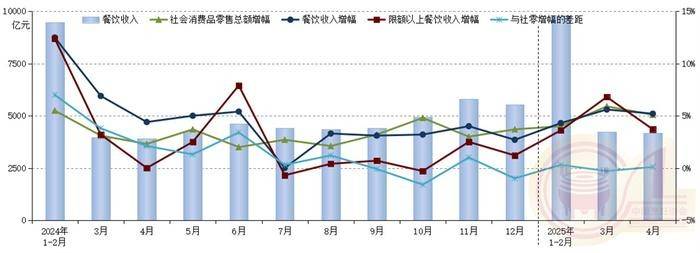
Core Insights - The digital transformation in the restaurant industry is accelerating, with a reported revenue of 1.82 trillion yuan in the first four months of 2025, reflecting a year-on-year growth of 4.8% [1][3] - There is a significant demand for digital tools among restaurant owners due to inefficiencies in traditional cash register systems and marketing challenges, presenting a lucrative opportunity for service providers like KERUYUN [1][3] Group 1: KERUYUN's Competitive Advantages - KERUYUN has established itself as a leading player in the restaurant SaaS market, covering various dining formats and lowering the barriers for merchants to adopt digital solutions [3] - The company offers a comprehensive solution that addresses the entire lifecycle of restaurant operations, from ordering and payment to marketing and customer retention [3] - KERUYUN provides a full-service support system, including 24/7 customer service and localized engineering support, ensuring a seamless experience for new service providers [3][10] Group 2: Revenue Model and Incentives - KERUYUN has designed a sustainable revenue structure for its service providers, which includes hardware and software margins, annual fees, payment sharing, and company incentives [6] - The successful completion of the "Annual Service Provider Incentive Program" in May 2025 rewarded top-performing service providers with luxury cars, highlighting the company's commitment to shared success [6][8] Group 3: Resource Empowerment and Growth Opportunities - KERUYUN regularly provides service providers with high-intent customer leads and accompanies them on visits to help them quickly build a quality client base [10] - The company offers systematic growth pathways for service providers, including digital marketing courses and immersive experiences to enhance team management skills [11] - KERUYUN's rapid software and hardware updates keep its offerings at the forefront of the industry, enabling service providers to leverage new features and resources effectively [12]

餐饮行业继续探底:价格战与成本绞杀下的生存困局
Sou Hu Cai Jing· 2025-05-02 12:38
Core Viewpoint - The restaurant industry is facing unprecedented challenges, with mixed results from recently released annual reports of listed companies, indicating a complex and divided market landscape [2][3]. Group 1: Company Performance - Yum China achieved a revenue of $11.3 billion (approximately 80 billion RMB) in 2024, a year-on-year increase of 3%, with a net profit of $911 million (approximately 6.5 billion RMB), up 10.2% [4][5]. - Haidilao reported a revenue of 42.755 billion RMB in 2024, a 3.14% increase, and a net profit of 4.708 billion RMB, up 4.65% [4][5]. - Baba Food's revenue for 2024 was 1.671 billion RMB, with a year-on-year growth of 2.53%, and a net profit of 277 million RMB, up 29.42% [4][5]. - In contrast, Jiumaojiu's revenue was 6.074 billion RMB, a 1.5% increase, but its net profit plummeted by 87.69% to 55.807 million RMB [6][9]. - Ajisen (China) reported a revenue of 1.717 billion RMB, a decrease of 5.4%, resulting in a loss of 20.224 million RMB [7][9]. - Guangzhou Restaurant's revenue was 5.124 billion RMB, a 4.55% increase, but its net profit fell by 10.29% to 494 million RMB [8][9]. - Tai Hing Group's revenue grew by 2.5% to approximately 3.292 billion HKD (about 2.9 billion RMB), but its net profit dropped by 33.1% to 62.749 million HKD (about 55 million RMB) [8][9]. Group 2: Industry Challenges - The macroeconomic environment is challenging, with slow economic growth affecting consumer spending in the restaurant sector, leading to more cautious and price-sensitive dining choices [11]. - The oversupply of restaurants, with over 9 million establishments in China, has resulted in a market decline of 30%-35% in the first half of 2024, forcing many new openings to engage in price wars [13]. - Consumer demand is evolving, with a greater emphasis on health, quality, and dining experience, pushing traditional restaurants to adapt or risk losing market share [15]. - Rising costs in raw materials, labor, and rent are squeezing profit margins, leading to closures of smaller establishments unable to cope with these pressures [16]. Group 3: Future Trends - The industry is expected to see accelerated consolidation, with stronger brands gaining market share while weaker players are eliminated, leading to a higher market concentration [18]. - Digital transformation is becoming essential for restaurants to enhance customer engagement and operational efficiency, with those embracing technology likely to gain a competitive edge [21]. - Diversification and innovation in menu offerings and service models are crucial for attracting consumers and standing out in a crowded market [22]. - Affordable and high-value dining options are anticipated to dominate the market as consumers become more budget-conscious [23].

从“政策红包”到“创新实招" 政企媒协共商民营餐饮高质量发展路径
Bei Jing Shang Bao· 2025-04-09 14:45
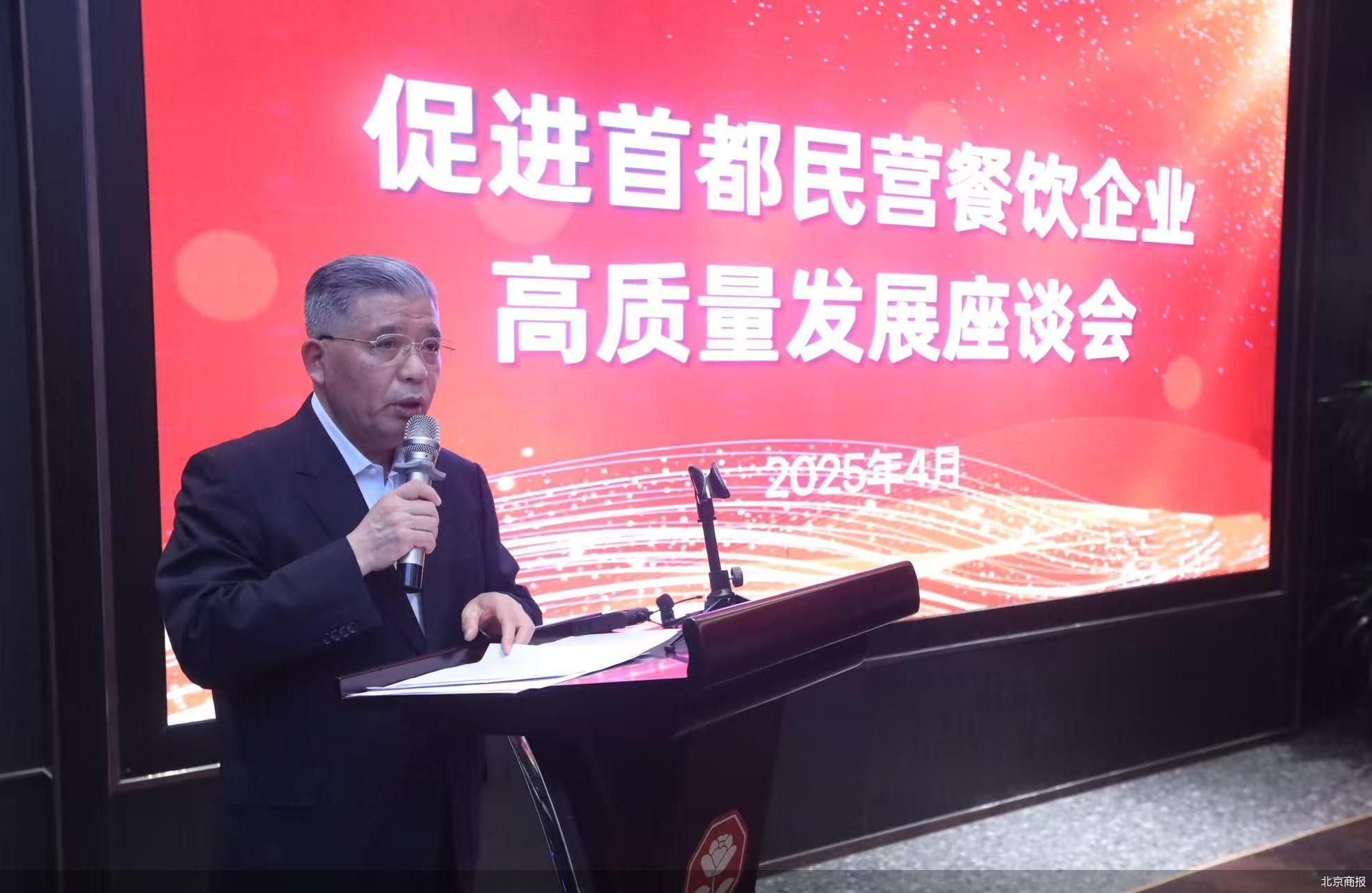
Group 1 - The private catering industry in Beijing plays a crucial role in supporting the capital's "Four Centers" construction and high-quality development of the catering sector [1] - A recent seminar focused on promoting high-quality development among private catering enterprises in Beijing, attended by representatives from around 50 medium and large private catering companies [1] - The industry faces various challenges and must accelerate transformation, explore new customer acquisition channels, seek better price-quality ratios, and find larger market growth opportunities [1] Group 2 - The president of the Beijing Cooking Association emphasized the importance of high-quality development in the catering industry for both economic and political significance [3] - Key areas for promoting high-quality development include adhering to government regulations, embracing innovation and adaptability, and enhancing brand value [3] - The majority of Beijing's catering industry consists of private enterprises, with a significant number being small and medium-sized [3] Group 3 - The founder of Wangshun Pavilion highlighted the need for market adaptability and innovation in response to industry changes, emphasizing a shift from single product focus to cultural experiences [7] - Wangshun Pavilion's recent upgrades led to a projected 30% increase in revenue and customer flow for its renovated store [7] - The company initiated a green restaurant creation plan to reduce costs and improve efficiency, achieving a revenue increase of 300,000 yuan in January [7] Group 4 - The founder of Jiahe Yipin stressed the importance of quality over price competition, advocating for operational efficiency through digital management to enhance product quality [11] - The rise of small store models is attributed to increasing rental and labor costs, alongside growing demand for takeout among younger consumers [11] - Companies should accurately identify their positioning and layout based on consumer needs to achieve sustainable development [11] Group 5 - The head of Cuihua Lou suggested creating a special section for time-honored brands on delivery platforms to enhance service and meet consumer needs [14] - The company is actively embracing digital transformation and innovative retail models to expand sales channels and improve brand recognition [14] - There is a call for increased support for inheritors of intangible cultural heritage to promote culinary skills and enhance their social status [14] Group 6 - The manager of Yaoji Fried Liver discussed the integration of traditional cuisine with cultural tourism to attract younger consumers [22] - The brand has expanded its product offerings significantly while maintaining the authenticity of traditional flavors [23] - Young consumers now represent a substantial portion of the customer base, with 70% of daily visitors being young adults [23] Group 7 - The founder of Meizhou Dongpo highlighted the importance of digital operations in enhancing efficiency and ensuring food safety [25] - The company has been recognized for its breakfast offerings, with significant sales figures indicating a successful product strategy [25] - Meizhou Dongpo continues to innovate its menu to cater to diverse dining scenarios [25] Group 8 - The general manager of Mabeier emphasized the importance of product quality and supply chain management in the competitive hot pot market [29] - The establishment of a large-scale meat production base has strengthened the brand's market position and supported industry growth [29] - Mabeier plans to leverage its cultural heritage to enhance brand visibility and appeal to younger consumers [30] Group 9 - The assistant manager of Yunhai Yao discussed the integration of cultural elements into their dishes to enhance consumer engagement [35] - The company is focused on health and nutrition trends, aiming to create a unique cultural dining experience [35] - Digitalization and sustainability are key priorities for Yunhai Yao's future development strategy [35]