抗日战争

Search documents
新四军成立时,四大支队的司令分别是谁,后来被授予什么军衔?
Sou Hu Cai Jing· 2025-05-08 12:06
Core Viewpoint - The New Fourth Army, despite its relatively weaker overall strength compared to the Eighth Route Army, demonstrated significant bravery and resilience during the Anti-Japanese War, producing many outstanding leaders and contributions to the war effort [1]. Group 1: Formation and Structure - The New Fourth Army was officially established on December 25, 1937, in Hankou, Hubei, and was composed of the Red Army and guerrilla forces from eight southern provinces [1]. - Initial leadership included Ye Ting as the commander, Xiang Ying as the deputy commander, Zhang Yunyi as the chief of staff, and Yuan Guoping as the political department director, with four main detachments forming its core [1]. Group 2: Detachment Strengths - The First Detachment, led by Chen Yi, started with over 1,000 troops and grew to 2,300, facing severe equipment shortages [3]. - The Second Detachment, commanded by Zhang Dingcheng, had around 1,800 troops and similar equipment challenges, primarily drawing personnel from areas where Zhang had previously operated [3]. - The Third Detachment, under Zhang Yunyi, had approximately 2,100 troops with better equipment, achieving a near one-to-one ratio of weapons to soldiers [5]. - The Fourth Detachment, led by Gao Jingtian, was the largest with over 3,100 troops and superior equipment, primarily formed from the Red 28th Army [5]. Group 3: Post-War Developments and Honors - Chen Yi became the acting commander of the New Fourth Army after key leaders were incapacitated and was later awarded the rank of Marshal in 1955 for his contributions [7]. - Fu Qiutao, the deputy commander of the First Detachment, participated in major battles during the Liberation War and was awarded the rank of General in 1955 [9]. - Zhang Dingcheng, the commander of the Second Detachment, held significant positions post-war but did not participate in the 1955 rank awarding [11]. - Cu Yu, the deputy commander of the Second Detachment, was recognized as a prominent military leader and awarded the rank of General in 1955 [11]. - Zhang Yunyi, the commander of the Third Detachment, was also awarded the rank of General in 1955 for his contributions [13]. - Gao Jingtian, the commander of the Fourth Detachment, passed away in 1939 and did not receive honors posthumously in 1955 [15]. Group 4: Overall Impact - Despite being outnumbered and less equipped than the Eighth Route Army, the New Fourth Army's leaders achieved remarkable feats under challenging conditions, leaving a lasting legacy in Chinese military history [15].

胡发坚是新四军的高级将领,他牺牲的有点意外
Sou Hu Cai Jing· 2025-05-07 04:15
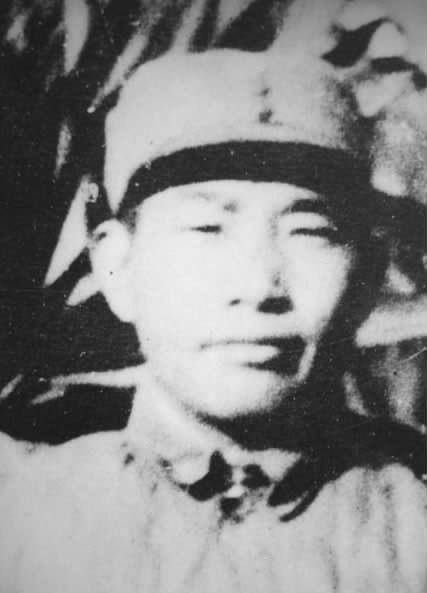
新四军中共正面战场上的一支部队,由原来留在南方八省的游击队组成的。1937年10月12日新四军成立 纪念日。新四军第一支队是新四军初期的四支主力队之一,由陈毅任司令员,傅秋涛任副司令员,胡发 坚任参谋长,刘炎任政治部主任。1939年11月7日,8月,第1支队和第2支队机构合并,成立新四军江南 指挥部。第一支队作为新四军最初的主力支队之一,其初期的领导人陈毅后来被授予元帅军衔,傅秋涛 被授予上将军衔,而胡发坚参谋长和刘炎先后牺牲,其中参谋长胡发坚牺牲却是一个意外。 1939年1月,受命赴任江南人民抗日义勇军第三路副司令员,主持全面工作。他领导这支部队在武进、 无锡一带开辟抗日游击新区,直接指挥坂上附近的西王村战斗,极大地振奋了苏南人民的抗日信心。他 创办随营学校,招收爱国知识青年参加学习,培训了大批敌后抗日骨干分子。他还主动开展战区群众的 宣传组织工作,逐步扩大抗日进步力量,为新四军东进创造了有利条件。 正在新四军忙着抗日建立抗日根据的时候却引起来了地方武装的不满,武进县洛阳一带,大刀会头目侯 人雄在当地敲诈勒索,鱼肉乡里,民愤极大。新四军派人去做工作,他们都蛮横无理,拒不接受新四军 的帮助教育和好言相劝,并扬 ...
心相近丨“永远不会忘记”——中俄友谊故事世代流传
Xin Hua She· 2025-05-05 08:49
Core Viewpoint - The article emphasizes the enduring friendship between China and Russia, highlighted through historical narratives of mutual support during the anti-Japanese war and the sacrifices made by Soviet pilots like Grigory Akimovich Kurishenko [2][5][6]. Group 1: Historical Contributions - Grigory Kurishenko, a Soviet air force captain, played a significant role in assisting China during the anti-Japanese war, showcasing the deep bond between the two nations [3][4]. - Kurishenko's efforts included not only direct combat against Japanese forces but also training Chinese pilots, demonstrating a commitment to shared goals [3][4]. - The local Chinese community honored Kurishenko after his death, reflecting the gratitude and respect for his sacrifices [4]. Group 2: Legacy and Remembrance - The legacy of Soviet soldiers in China is preserved through memorials and personal stories, ensuring that their contributions are not forgotten [5][8]. - The article highlights the importance of commemorating these historical ties, with events and activities aimed at educating younger generations about the friendship between China and Russia [9]. - The ongoing efforts to maintain this friendship are seen as vital for the future of Sino-Russian relations, with both nations recognizing their shared history [6][9].
我们都是收信人(重读抗战家书)
Ren Min Ri Bao· 2025-04-29 22:31
正是故乡张广才岭山花烂漫的时节。春风如信使,把故乡的呼唤送到我的耳畔。无论如何该回去看一看 了,吃一吃家乡的土菜,和乡亲们一起唠唠嗑。但是,此行顶顶重要的,是到赵一曼烈士的纪念碑前献 上一簇春花。 九一八事变后,赵一曼受党组织的委派,前往东北地区组织发动抗日斗争,她曾任东北人民革命军(后 与其他抗日武装整合为东北抗日联军)第三军二团政委,并先后任满洲总工会秘书、组织部部长、中共 滨江省珠河县中心县委特派员、铁北区委书记。在东北大地,赵一曼领导的抗日队伍爬冰卧雪,风餐露 宿,为"逐日寇,复东北"艰难地浴血奋战。最后,这位战功赫赫的抗联战士,为中华民族的解放、人民 的幸福,献出了自己年轻的生命。 赵一曼曾任珠河县中心县委特派员,珠河县即我家乡、今天的黑龙江尚志市。几十年来,赵一曼的英雄 事迹一直在尚志,在张广才岭、蚂蚁河畔流传。在与日寇抗争的岁月里,我家乡的父老乡亲已然把满口 纯正东北嗑儿的赵一曼,视为土生土长的乡亲,看作是自己的亲闺女、大姐、老妹儿了。在抗联队伍 中,战士们则亲切地称她"瘦李""李姐"(赵一曼原名李坤泰,又名李一超)"我们的女政委"。这是一位 让日寇恨之入骨又闻风丧胆的女英雄。 记得学生时代,我 ...
新四军成立之初10个团的团长在1955年都被授予什么军衔?
Sou Hu Cai Jing· 2025-04-23 10:59
Core Viewpoint - The article discusses the formation and leadership of the New Fourth Army during the Anti-Japanese War, highlighting the military ranks awarded to its commanders in 1955, with a focus on their contributions and fates during and after the war [1]. Group 1: Commanders and Their Contributions - The New Fourth Army was composed of four brigades and ten regiments, led by notable military leaders [1]. - Commander Fu Qiutao of the 1st Regiment played a significant role in establishing the anti-Japanese base in southern Jiangsu and was awarded the rank of General in 1955 [2][4]. - Commander Zhang Zhengkun of the 2nd Regiment was known for his bravery and leadership during the Anti-Japanese War but was ultimately captured and killed in action [5][7]. - Commander Huang Huoxing of the 3rd Regiment was involved in various military roles and was awarded the rank of Lieutenant General in 1955 [8][10]. - Commander Lu Sheng of the 4th Regiment also received the rank of Lieutenant General in 1955 after serving in multiple leadership positions [12]. - Commander Rao Shoukang of the 5th Regiment was recognized for his contributions and awarded the rank of Lieutenant General in 1955 [13][15]. - Commander Ye Fei of the 6th Regiment was awarded the rank of General in 1955 and had a distinguished military career [16][18]. Group 2: Fates of the Commanders - Commander Yang Kezhi of the 7th Regiment defected to enemy forces and was executed in 1942 [19]. - Commander Zhou Junming of the 8th Regiment did not receive a military rank due to various issues and later served in the Ministry of Water Resources [20][22]. - Commander Gu Shiduo of the 9th Regiment was killed in action at a young age during a battle against Japanese forces [23]. - Commander Zhan Huayu of the Handgun Regiment was awarded the rank of Major General in 1955 and had a notable military career [24][26]. Summary of Military Ranks Awarded - Among the ten initial commanders, two were awarded the rank of General (Fu Qiutao and Ye Fei), three received the rank of Lieutenant General (Huang Huoxing, Lu Sheng, Rao Shoukang), one was awarded the rank of Major General (Zhan Huayu), and one (Zhou Junming) did not receive a rank [1].