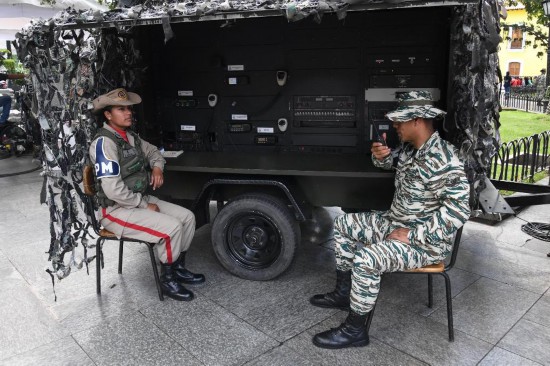
门罗主义

Search documents
专栏丨美国最大航母战斗群剿毒,谁信?
Xin Hua She· 2025-11-13 00:54
Group 1 - The deployment of the USS Gerald R. Ford aircraft carrier in the Caribbean, under the pretext of combating drug trafficking, raises questions about the underlying geopolitical motives of the U.S. government [1][2] - Historical context shows that the U.S. has a long history of military interventions in Latin America, with nearly 400 interventions globally since 1776, 34% of which targeted Latin America and the Caribbean [2] - The USS Ford's presence is perceived as a demonstration of U.S. military power, signaling that the U.S. can still enforce its will in its "backyard" [2][3] Group 2 - The U.S. military buildup in the Caribbean is viewed as a significant threat to peace and stability in the Western Hemisphere, suggesting that non-compliant regimes may face military consequences [3] - The narrative of "fighting drugs" is seen as a facade for U.S. interventionism, with the real intent being the protection of U.S. interests and hegemony in the region [2][3] - The changing dynamics in Latin America, characterized by greater sovereignty and diverse development, challenge the effectiveness of traditional U.S. interventionist strategies [3]
特朗普下令:发动袭击!
Zheng Quan Shi Bao· 2025-11-11 09:06
Core Points - The U.S. military conducted airstrikes against two vessels suspected of drug trafficking in the Eastern Pacific, resulting in six deaths, under the directive of President Trump [1][2] - The actions are perceived as an extension of the "war on drugs," but analysts suggest they are primarily aimed at exerting pressure on the Venezuelan government [1][3] - Since September 2, U.S. military actions in the Caribbean and Eastern Pacific have reportedly resulted in at least 75 deaths, raising concerns about legality and human rights violations [2][6] Military Deployment - The Pentagon has initiated its largest military deployment in the Caribbean in over 30 years, including the deployment of the USS Gerald R. Ford aircraft carrier strike group [3] - Trump has authorized the CIA to conduct covert operations in Venezuela, indicating a potential escalation in U.S. military involvement in the region [3] International Reactions - French President Macron emphasized the importance of respecting national sovereignty while addressing drug trafficking, subtly criticizing U.S. military actions [4] - Cuban Foreign Minister Rodriguez condemned U.S. military actions as extrajudicial killings, claiming they violate international law and threaten regional stability [5] - Major media outlets in the U.S. and Latin America have expressed skepticism about the U.S. motives, suggesting that the real goal is to overthrow the Venezuelan government [6]
特朗普下令:发动袭击!
证券时报· 2025-11-11 08:59
Core Viewpoint - The article discusses the recent military actions taken by the U.S. against alleged drug trafficking vessels in the Eastern Pacific, highlighting the underlying political motivations aimed at pressuring the Venezuelan government rather than solely focusing on drug trafficking [1][5][10]. Summary by Sections Military Actions - On November 9, the U.S. military sank two vessels in the Eastern Pacific, resulting in six deaths, under the directive of President Trump [3][4]. - Since September 2, U.S. military actions in the Caribbean and Eastern Pacific have reportedly resulted in at least 75 deaths [4]. Political Implications - Analysts suggest that the U.S. claims of combating drug trafficking serve as a facade for exerting maximum pressure on the Venezuelan regime [5][10]. - The U.S. military presence in the Caribbean is described as the largest in over 30 years, with the deployment of the USS Gerald R. Ford aircraft carrier strike group [4]. International Reactions - The actions have drawn criticism from various international bodies, including the United Nations, which stated that the U.S. airstrikes violate international humanitarian law [4][8]. - French President Macron emphasized the importance of respecting national sovereignty while addressing drug trafficking, implicitly criticizing U.S. actions [6][7]. Media Commentary - U.S. media outlets have pointed out that the military operations are more about regime change in Venezuela than about drug enforcement [10]. - The article notes that the U.S. approach reflects a historical pattern of intervention in Latin America, reminiscent of the Monroe Doctrine [10].

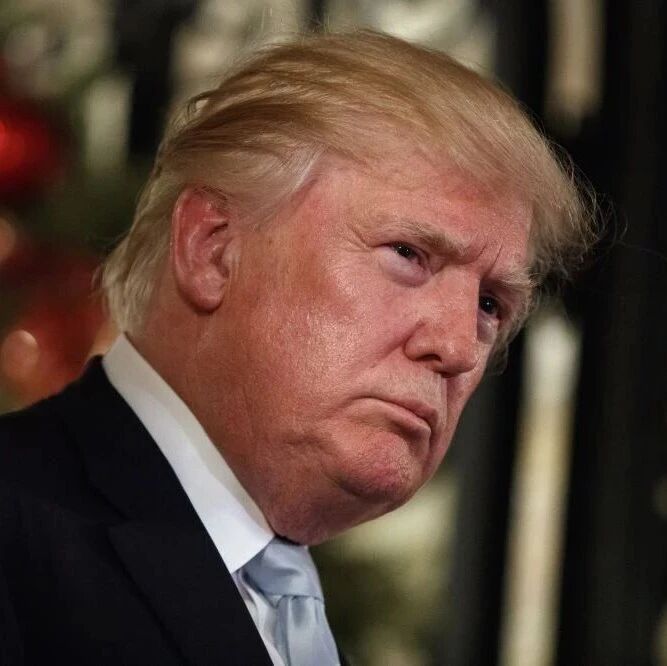
突发!特朗普下令:发动袭击!
券商中国· 2025-11-11 05:50
Core Viewpoint - The recent military actions by the U.S. against alleged drug trafficking vessels in the Eastern Pacific are perceived as a strategic move to exert pressure on the Venezuelan government rather than solely a campaign against drug trafficking [1][4][6]. Summary by Sections Military Actions - On November 9, the U.S. military sank two vessels suspected of drug trafficking, resulting in six deaths. This operation was conducted under the directive of President Trump [3][4]. - Since September 2, U.S. military actions in the Caribbean and Eastern Pacific have reportedly resulted in at least 75 deaths [3]. International Reactions - The United Nations has criticized the U.S. actions, stating they may violate international humanitarian law, as the individuals on the attacked vessels did not pose an immediate threat [3][5]. - French President Macron emphasized the importance of respecting national sovereignty while addressing drug trafficking, implicitly criticizing U.S. military actions [5]. Strategic Implications - Analysts suggest that the U.S. military presence in the Caribbean is not just about combating drug trafficking but is aimed at destabilizing the Venezuelan regime [4][6]. - The U.S. has deployed its largest military presence in the region in over 30 years, indicating a significant escalation in military strategy [4]. Historical Context - The current U.S. approach towards Venezuela is seen as a continuation of the Monroe Doctrine, reflecting a long-standing U.S. policy of intervention in Latin America [6].
记者观察:美国“出兵”拉美的四大疑问
Xin Hua Wang· 2025-11-03 08:15
Core Viewpoint - The U.S. government has significantly escalated its military presence in the Caribbean under the pretext of combating drug trafficking, raising concerns about the legality and intentions behind these actions [1][2][3] Group 1: Military Actions and Implications - Since September, the U.S. military has reportedly sunk 16 "drug boats" in international waters, resulting in at least 64 deaths [1] - The Pentagon's deployment of a carrier strike group to the Caribbean is seen as a strong signal of an escalation in military operations, potentially extending from international waters to ground targets [1] - There are growing doubts regarding the legality of these military actions, with bipartisan concerns in Congress about compliance with both domestic and international law [2][3] Group 2: Legality and International Response - Critics argue that the U.S. has not provided sufficient evidence to justify the military actions, leading to accusations of extrajudicial killings [2][3] - An independent expert group from the UN Human Rights Council condemned the U.S. actions as violations of international law, emphasizing the lack of legal basis for using lethal force in international waters [2][3] Group 3: Strategic Objectives and Regional Impact - The U.S. claims to be waging a war against "drug terrorism," but analysts question the coherence of this characterization and its alignment with actual drug trafficking patterns [6][7] - The military approach is seen as a significant shift in U.S. drug policy, with concerns that it may not effectively deter drug trafficking organizations [7] - The financial burden of maintaining military operations in the Caribbean is substantial, with daily costs estimated at around $7 million [7] Group 4: Broader Geopolitical Context - Reports suggest that the U.S. military buildup may be aimed at pressuring Venezuelan President Maduro to step down, with concerns about a potential invasion [10][11] - The U.S. is perceived to be reasserting its influence in Latin America, reminiscent of the Monroe Doctrine, with a focus on military deterrence and economic pressure [13][14] - Recent diplomatic tensions with Colombia highlight the potential for backlash against U.S. military actions in the region [11][14]
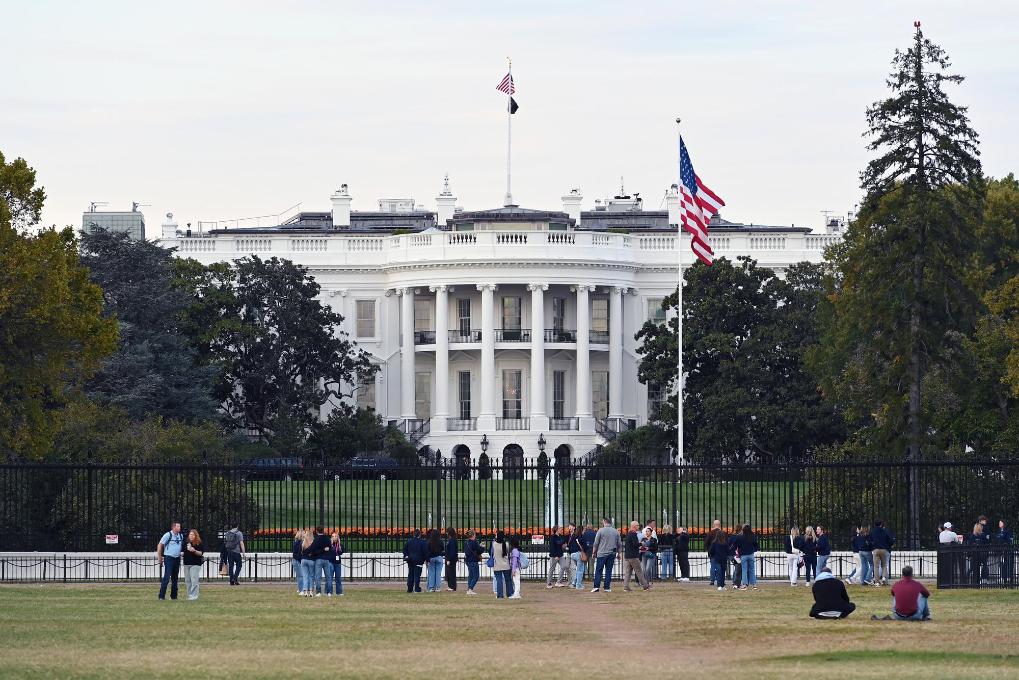
列国鉴丨记者观察:美国“出兵”拉美的四大疑问
Xin Hua Wang· 2025-11-03 05:49
Core Points - The U.S. government has claimed to have sunk 16 "drug trafficking boats" in the Caribbean and East Pacific since September, resulting in at least 64 deaths [1] - The military deployment in the Caribbean is described as the largest in 30 years, with President Trump authorizing CIA operations in Venezuela [1] - There are growing concerns and skepticism regarding the true intentions behind these military actions [1] Legal Concerns - Questions have arisen about the legality of these military actions under both U.S. domestic law and international law, as Congress has not formally authorized military action [2][3] - Critics, including members of Congress, have expressed concerns over the lack of transparency and evidence regarding the targets of these military operations [2][3] - An independent expert group from the UN Human Rights Council condemned the U.S. actions as violations of international law, equating them to extrajudicial killings [3] Drug Trafficking Justification - Trump's assertion of a "war on drug terrorism" has been met with skepticism, as the motivations for drug trafficking do not align with traditional definitions of terrorism [4] - The focus of U.S. military actions appears misaligned with actual drug trafficking routes, as most cocaine is trafficked through the Pacific rather than from Venezuela [4] - The effectiveness and sustainability of military actions against drug trafficking are questioned, with high operational costs and potential negative impacts on covert operations [4][5] Potential Invasion of Venezuela - Reports suggest that the U.S. military buildup may be aimed at pressuring Venezuelan President Maduro to step down, with concerns about a possible ground invasion [6][7] - Analysts believe that while the current military presence could conduct strikes, it is insufficient for a full-scale invasion [7] - The U.S. aims to leverage military threats to influence Venezuelan elites, rather than seeking a direct invasion [7][8] Shift in U.S. Foreign Policy - There is a noticeable shift in U.S. foreign policy focus towards the Western Hemisphere, with a revival of the Monroe Doctrine [9] - The Pentagon is expected to prioritize homeland and Western Hemisphere defense in its upcoming defense strategy [9] - Recent agreements, such as a $20 billion currency swap with Argentina, reflect a return to economic Monroeism, emphasizing U.S. influence in Latin America [9] Regional Reactions - The U.S. military actions may provoke strong backlash in Latin America, given the historical sensitivity to U.S. interventions [10] - Colombian President Petro criticized U.S. actions as "murder," highlighting the deteriorating relations between Colombia and the U.S. under the current administration [10]
拉美观察丨美国对委极限施压“破坏地区和平”
Yang Shi Xin Wen· 2025-11-02 10:08
Core Viewpoint - The United States has intensified its pressure on Venezuela under the guise of combating drug trafficking, raising concerns about regional stability and the revival of "Monroe Doctrine" principles in Latin America [1][5][15]. Military Actions and Criticism - The U.S. military has conducted numerous attacks on vessels allegedly involved in drug trafficking, resulting in at least 57 deaths, yet no concrete evidence has been provided to substantiate these claims [2][3]. - Analysts criticize these actions as a misuse of force and a violation of international law, arguing that the U.S. is prioritizing regime change in Venezuela over legitimate drug enforcement [3][5]. - The military operations are seen as a means to intimidate other Latin American countries, undermining regional sovereignty and stability [3][7]. Venezuela's Response - In response to U.S. pressure, the Venezuelan government has ramped up its defense initiatives, conducting military exercises and emphasizing a "total defense" strategy [9][10]. - Venezuela has also sought to leverage international platforms to denounce U.S. actions as violations of international law and sovereignty [11][16]. International Reactions - Several Latin American countries, including Brazil, Cuba, and Colombia, have expressed concerns over U.S. military actions, viewing them as destabilizing and lacking legitimacy [7][12]. - International media and analysts have highlighted the historical context of U.S. interventions in Latin America, suggesting that current actions may lead to disastrous consequences for both the U.S. and the region [14][15].
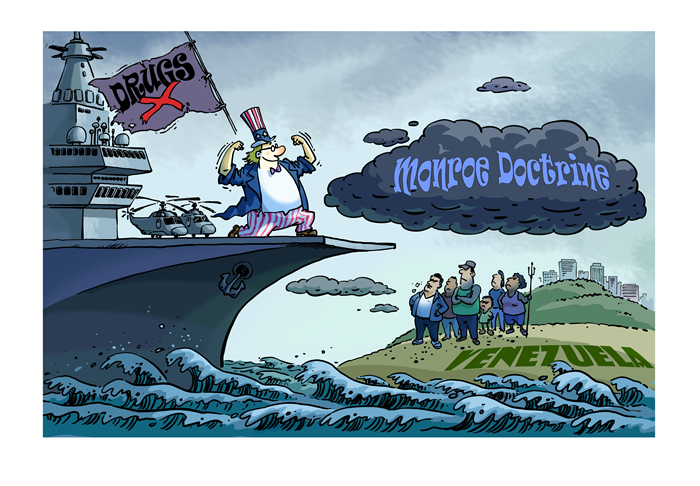
漫评美施压委内瑞拉:“秀肌肉”
人民网-国际频道 原创稿· 2025-10-24 03:28
Core Viewpoint - The United States has deployed multiple warships in the Caribbean under the pretext of combating drug trafficking, specifically targeting alleged "drug boats" off the coast of Venezuela, despite reports indicating that Venezuela is not a major source of drugs entering the U.S. [2] Group 1: U.S. Military Actions - The U.S. has taken military actions in international waters off the coast of Venezuela, claiming to combat drug trafficking [2] - The U.S. Drug Enforcement Administration's recent reports contradict the narrative that Venezuela is a primary source of drugs for the U.S. [2] Group 2: Reactions from Venezuela and Experts - Venezuela's Foreign Minister has accused the U.S. of creating a "phantom enemy" to justify its military actions, suggesting that these actions are a guise for violence in the Caribbean [2] - Several United Nations experts have labeled the U.S. actions as extremely dangerous, significantly impacting peace and security in the Caribbean region [2] Group 3: Historical Context - The article highlights the long-standing influence of the Monroe Doctrine in Latin America, where the U.S. views the region as its "backyard" and intervenes through military actions and economic sanctions [2]
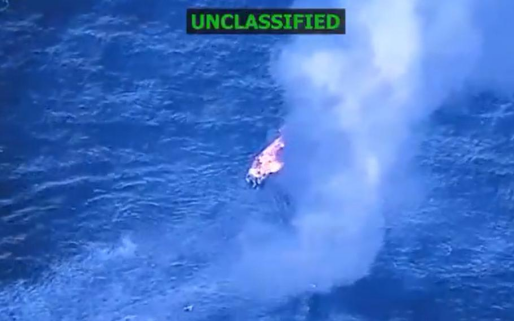
美政府打击“贩毒船”扩至太平洋,赫格塞思将涉嫌贩毒人员称为西半球的“基地组织”
Huan Qiu Shi Bao· 2025-10-23 22:52
Core Points - The U.S. military has expanded its anti-drug operations from the Caribbean to the Pacific, marking a significant shift in its strategy against drug trafficking [1][2] - The recent military actions have resulted in the deaths of at least 37 individuals since September, with the latest attacks occurring in South America [1] - U.S. Secretary of Defense Mark Esper has compared drug trafficking organizations to terrorist groups, emphasizing the ongoing military campaign against them [1][3] Summary by Sections Military Actions - The U.S. military conducted attacks on drug trafficking vessels in the Pacific, resulting in five deaths on the latest operation [1] - Since September, there have been nine similar attacks, with a total of at least 37 fatalities [1] - The operations are said to be based on intelligence provided by the CIA, although specific details about the targets remain classified [2] Political Context - Tensions between the U.S. and Colombia have escalated, with President Trump threatening to cut aid and impose tariffs on Colombia [2] - Colombian President Petro is leveraging the conflict with the U.S. to position himself as a representative against U.S. influence in Latin America [3] - The U.S. has faced criticism from various Latin American leaders for its interventionist policies, which are seen as a revival of "American imperialism" [3] Regional Security - Venezuela has responded to U.S. threats by deploying over 5,000 anti-aircraft missiles across strategic locations [4][5] - The situation reflects broader geopolitical tensions in the region, with implications for U.S. foreign policy and military strategy in Latin America [3][4]

厄瓜多尔释放美方所炸“运毒潜艇”幸存者:他不是毒贩
Xin Hua Wang· 2025-10-22 00:49
美国近期借"扫毒"之名频繁在拉丁美洲和加勒比地区"动武",引发委内瑞拉、哥伦比亚等多国抗议。 新华社北京10月21日电 一名厄瓜多尔政府官员20日说,一艘日前在加勒比海域遭美军打击的"运毒潜 艇"上的厄瓜多尔籍幸存者获释,原因是没有证据显示此人是毒贩。 另据路透社当天援引厄瓜多尔总检察长办公室的消息报道,图菲尼奥18日抵达厄瓜多尔后,缉毒人员向 检方通报了情况,未提交任何涉及他在厄瓜多尔境内涉嫌犯罪的文件。 美国总统特朗普18日在社交平台"真实社交"上发文称,美军日前在加勒比海域打击了一艘"运毒潜艇", 艇上4人中的2人死亡,2名幸存者分别被送回原籍国厄瓜多尔和哥伦比亚受审。帖文附带的一段30秒视 频显示,美军对浮在海面航行的潜艇实施打击,潜艇爆炸、冒烟,随后沉没。 按特朗普的说法,这艘"运毒潜艇"正沿一条贩毒路线驶向美国,美国情报部门确认艇上主要载有非法麻 醉品。然而,特朗普并未提供任何证据。 10月17日,5万多古巴民众聚集在首都哈瓦那总统大道的西蒙·玻利瓦尔雕像前,抗议美国军事威胁委内 瑞拉,表达对委内瑞拉人民和政府的坚定支持。新华社发(华金·埃尔南德斯摄) 引发众怒 10月4日,在委内瑞拉首都加拉加斯 ...