
中华民族伟大复兴

Search documents
澳门各界:纪念大会凝聚爱国的磅礴力量
Yang Shi Xin Wen Ke Hu Duan· 2025-09-03 12:54
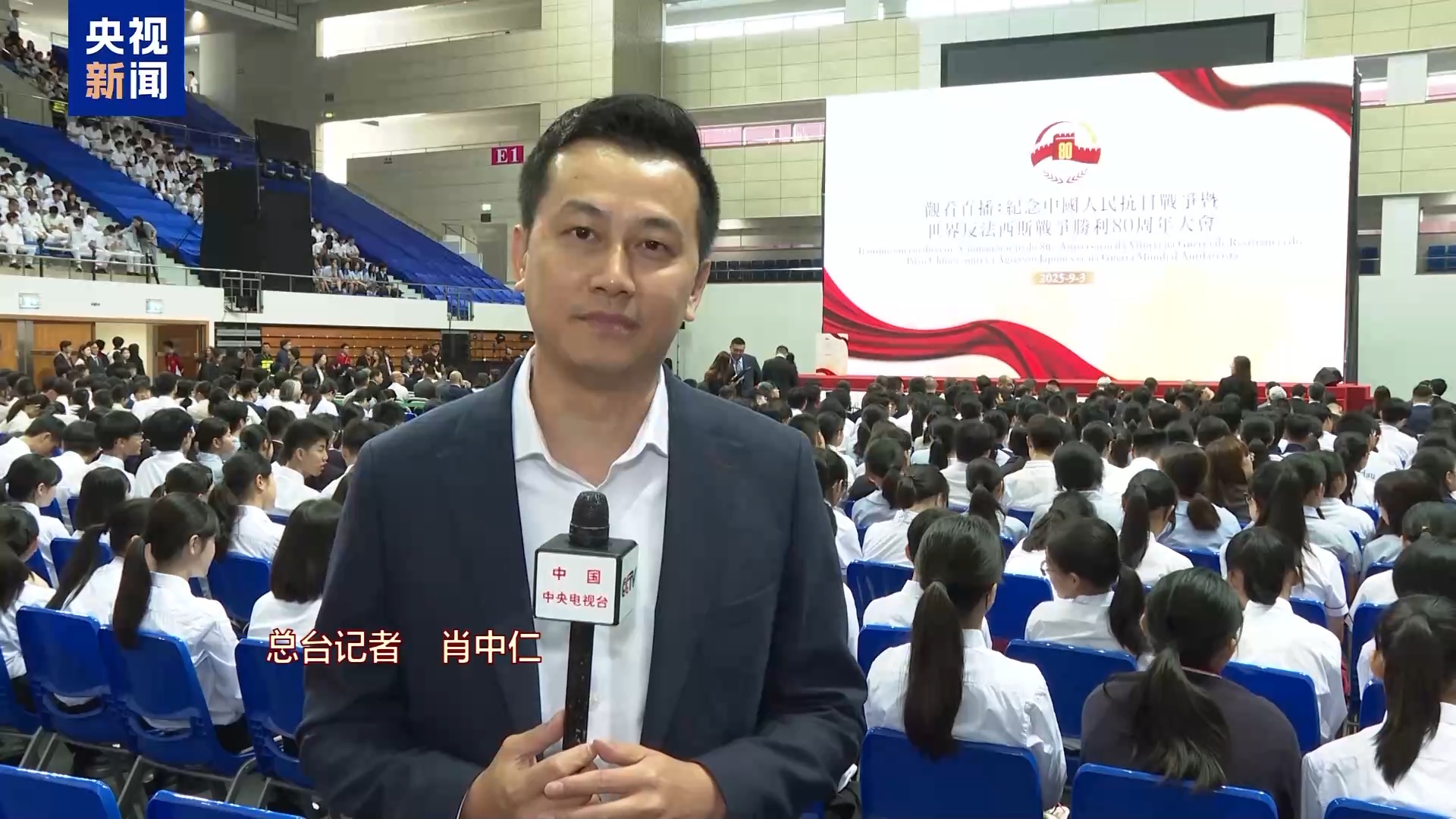
3日上午,澳门特区政府、澳门中联办以及社会团体、学校等社会各界纷纷组织集体收看纪念大会的现场直播,聆听习近平主席的重要讲话并观看纪念活 动,感受新时代国防和军队建设的发展成就,共享祖国繁荣富强的伟大荣光。 总台记者 肖中仁:这里是澳门理工大学的体育馆,来自特区政府、社会各界及青年学生代表等3000多人齐聚一堂,与祖国人民一同铭记历史,缅怀先烈, 传承和弘扬伟大抗战精神。 9月3日,澳门社会各界高度关注纪念中国人民抗日战争暨世界反法西斯战争胜利80周年大会盛况,通过线上、线下等多种方式同步观看现场直播,共同铭记 历史、缅怀先烈。澳门各界人士表示,纪念大会凝聚起了爱国的磅礴力量,未来将弘扬以爱国主义为核心的伟大民族精神,为实现中华民族伟大复兴贡献澳 门力量。 ...

学习快评|中华民族伟大复兴势不可挡
Xin Hua She· 2025-09-03 09:02
Core Viewpoint - The article emphasizes the unstoppable momentum of the great rejuvenation of the Chinese nation, as articulated by General Secretary Xi Jinping during the commemoration of the 80th anniversary of the victory in the Chinese People's War of Resistance Against Japanese Aggression and the World Anti-Fascist War [1] Group 1 - The victory in the Anti-Japanese War marked the beginning of a new historical journey for China, transitioning from suffering to glory and from decline to rejuvenation [1] - Over the past 80 years, through relentless efforts, the Chinese nation has achieved significant progress, moving from standing up, becoming prosperous, to becoming strong [1] - The modern Chinese development model presents a bright and promising future, showcasing the advantages of the socialist system with Chinese characteristics [1] Group 2 - The military parade on Victory Day symbolizes the strength and determination of the Chinese people, reflecting their unstoppable progress towards their dreams [1] - The historical memory of the Anti-Japanese War remains vivid, and the current era is characterized by a strong forward momentum [1] - With Xi Jinping's leadership and the guidance of Xi Jinping's Thought on Socialism with Chinese Characteristics for a New Era, the nation is poised to overcome challenges and advance the historical mission of national rejuvenation [1]
学习快评|中华民族伟大复兴势不可挡
Xin Hua She· 2025-09-03 02:42
Core Viewpoint - The article emphasizes the unstoppable momentum of the great rejuvenation of the Chinese nation, as articulated by General Secretary Xi Jinping during the commemoration of the 80th anniversary of the victory in the Chinese People's War of Resistance Against Japanese Aggression and the World Anti-Fascist War [1] Group 1 - The victory in the Anti-Japanese War marked the beginning of a new historical journey for China, transitioning from suffering to glory and from decline to rejuvenation [1] - Over the past 80 years, through relentless efforts, the Chinese nation has achieved significant progress, evolving from standing up to becoming prosperous and strong [1] - The modern Chinese development model presents a bright and promising future, showcasing the advantages of the socialist system with Chinese characteristics [1] Group 2 - The military parade on Victory Day symbolizes the strength and determination of the Chinese people, reflecting their unstoppable progress towards their dreams [1] - The historical memory of the Anti-Japanese War remains vivid, and the current era is characterized by a strong forward momentum [1] - With Xi Jinping's leadership and the guidance of Xi Jinping's Thought on Socialism with Chinese Characteristics for a New Era, the nation is poised to overcome challenges and advance the historical mission of national rejuvenation [1]
习近平总书记重要讲话,金句来了!
第一财经· 2025-09-03 02:13
习近平在纪念中国人民抗日战争 暨世界反法西斯战争胜利80周年大会上的讲话 习近平在纪念中国人民抗日战争 暨世界反法西斯战争胜利80周年大会上的讲话 34 T Vil 短标先 凯信业 ATS 习近平在纪念中国人民抗日战争 暨世界反法西斯战争胜利80周年大会上的讲话 以铜锌铁骨战强敌 以血肉之躯筑长城 新华市 新华社 习近平在纪念中国人民抗日战争 暨世界反法西斯战争胜利80周年大会上的讲话 中国人民坚定站在历 站在人类负 中国人民以巨大 的民族牺牲,為極救 人英文明、保卫世界 和平作出了重大贡献。 ·国人民抗巨队 版海斯战争胜利80后在 凯尔右级 习近平在纪念中国人民抗日战争 暨世界反法西斯战争胜利80周年大会上的讲话 推护共同安全。 消到战争根源, 系社历史悲剧重演! 中国人民开回家庭 铭记历史 珍爱和平 缅怀先烈 开创未来 部15元 习近平在纪念中国人民抗日战争 暨世界反法西斯战争胜利80周年大会上的讲话 為国家生存而战 為民族复兴而战 # for # S 7 137 史色确一边。 明进步一边,坚持走和平 发展道路,与各国人民携 手构建人类命运共同体。 凯华和 习近平在纪念中国人民抗日战争 暨世界反法西斯战争 ...
九三胜利日,习近平总书记重要讲话金句来了!
中国基金报· 2025-09-03 02:05
短怀先烈 80 习近平在纪念中国人民抗日战争 暨世界反法西斯战争胜利80周年大会上的讲话 32 T LID 前15点 80 习近平在纪念中国人民抗日战争 暨世界反法西斯战争胜利80周年大会上的讲话 中国人民以巨大 的民族牺牲,為極救 人类文明、保卫世界 和平作出了重大贡献。 The And States FLOSTWARDER 新华社 80 习近平在纪念中国人民抗日战争 暨世界反法西斯战争胜利80周年大会上的讲话 以铮铮铁骨战强敌 以血肉之躯筑长城 制造型 习近平在纪念中国人民抗日战争 暨世界反法西斯战争胜利80周年大会上的讲话 维护共同安全。 清拜战争根源, 系社历史悲剧重演! 铭记历史 发意和平 q 不会是 开创未来 mar Sommon hommer and and month Somme of Formal 新华版 习近平在纪念中国人民抗日战争 暨世界反法西斯战争胜利80周年大会上的讲话 為国家生存而战 為民族复兴而战 為人类四头面战 习近平在纪念中国人民抗日战争 暨世界反法西斯战争胜利80周年大会上的讲话 习近平在纪念中国人民抗日战争 暨世界反法西斯战争胜利80周年大会上的讲话 全军将士要忠实履行 ...
(现场实录)习近平:在纪念中国人民抗日战争暨世界反法西斯战争胜利80周年大会上的讲话
Xin Hua She· 2025-09-03 01:52
Core Points - The speech commemorates the 80th anniversary of the victory in the Chinese People's War of Resistance Against Japanese Aggression and the World Anti-Fascist War, emphasizing the importance of remembering history and cherishing peace [2][3] - The Chinese people made significant sacrifices during the war, contributing to the preservation of human civilization and world peace, highlighting the interconnectedness of human destiny [2][3] - The Chinese military is portrayed as a reliable force, committed to maintaining national sovereignty and supporting the great rejuvenation of the Chinese nation [3] Group 1 - The speech acknowledges the contributions of veterans, patriotic individuals, and foreign allies in the fight against aggression, expressing gratitude and respect [2] - It emphasizes the historical significance of the Chinese People's War of Resistance as a crucial part of the global anti-fascist struggle, marking the first complete victory against foreign invasion in modern times [2] - The call for nations to treat each other equally and peacefully to prevent the recurrence of historical tragedies is highlighted [2] Group 2 - The speech asserts that the Chinese nation is resilient and self-reliant, having fought against evil and darkness for survival and national rejuvenation [2][3] - It stresses the current global choices between peace and war, dialogue and confrontation, and the importance of building a community with a shared future for humanity [2][3] - The commitment to uphold the spirit of the anti-Japanese war and advance the cause of socialism with Chinese characteristics is reiterated, aiming for national strength and rejuvenation [3]
九三胜利日,习近平总书记重要讲话金句来了!
证券时报· 2025-09-03 01:41
80 习近平在纪念中国人民抗日战争 暨世界反法西斯战争胜利80周年大会上的讲话 33 短标先烈 新华社 习近平在纪念中国人民抗日战争 暨世界反法西斯战争胜利80周年大会上的讲话 以销锌铁骨战强敌 以血肉之躯筑卡城 前15点 习近平在纪念中国人民抗日战争 暨世界反法西斯战争胜利80周年大会上的讲话 中国人民以巨大 的民族牺牲,為極救 人卖文明、保卫世界 和平作出了重大贡献。 童紀念中国 人民 抗 巨 型 20 所以 18 0 F F 新华社 习近平在纪念中国人民抗日战争 暨世界反法西斯战争胜利80周年大会上的讲话 推护共同安全。 清拜战争根源, 不让历史悲剧重演! 铭记历史 逐漸平 咖不会刻 开创素 凯信如 习近平在纪念中国人民抗日战争 暨世界反法西斯战争胜利80周年大会上的讲话 為国家生存而战 為民族复兴而战 為人集四火而战 习近平在纪念中国人民抗日战争 暨世界反法西斯战争胜利80周年大会上的讲话 . 119 11 1945-2025 凯信亚 80 习近平在纪念中国人民抗日战争 暨世界反法西斯战争胜利80周年大会上的讲话 中国人民解放军 始终是党和人民完全 可以信赖的英雄军队 新华丽 习近平在纪念中国人民抗日 ...
80年,穿越历史的伟大启示之四 | 在新时代继承和弘扬伟大抗战精神
Zhong Yang Ji Wei Guo Jia Jian Wei Wang Zhan· 2025-09-03 01:33
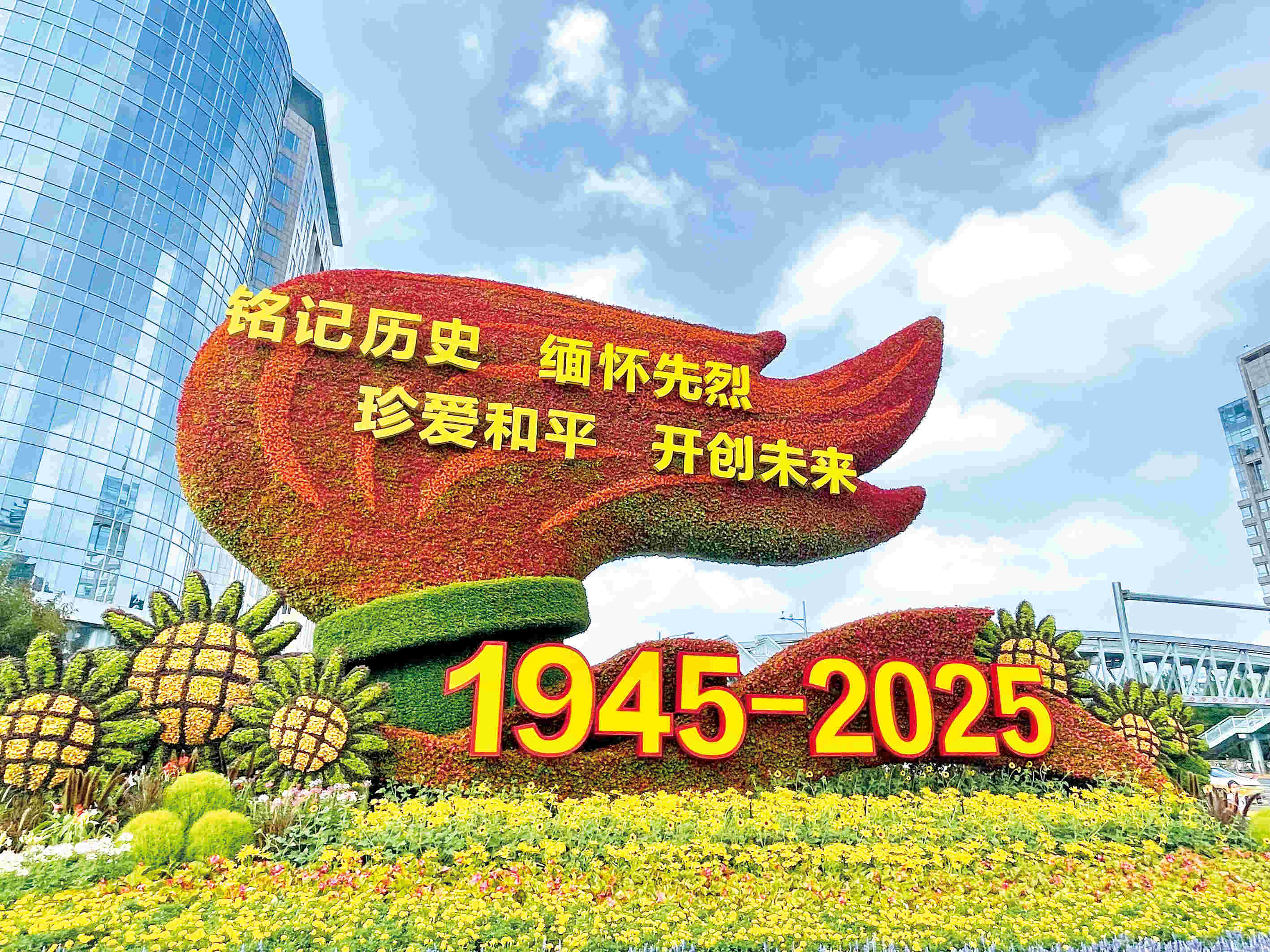
中央纪委国家监委网站 李灵娜 图为纪念中国人民抗日战争暨世界反法西斯战争胜利80周年主题花坛。 8月27日,湖北省襄阳市襄城区开展"从抗战史诗到少年担当"主题教育活动,组织学生们走进襄阳革命烈士纪念馆,聆听抗战英雄的故事。图为宣讲员向学 生们讲述抗战英雄罗忠毅的故事。 图片来源:视觉中国 铁血铸山河,浩气贯苍穹。 80年前,中国人民经过14年不屈不挠的浴血奋战,打败了穷凶极恶的日本军国主义侵略者,取得了中国人民抗日战争的伟大胜利,铸就了世界反法西斯战争 东方主战场的壮丽丰碑。 面对国家和民族生死存亡,中国人民以铮铮铁骨战强敌、以血肉之躯筑长城、以前仆后继赴国难,谱写了惊天地、泣鬼神的雄壮史诗。 天下兴亡、匹夫有责的爱国情怀—— 九一八事变后,中国人民就在白山黑水间奋起抵抗,成为中国人民抗日战争的起点,同时揭开了世界反法西斯战争的序幕。 80年后,抗战硝烟已经散去,但伟大抗战精神历久弥新。习近平总书记指出,中国人民在抗日战争的壮阔进程中孕育出伟大抗战精神,向世界展示了天下兴 亡、匹夫有责的爱国情怀,视死如归、宁死不屈的民族气节,不畏强暴、血战到底的英雄气概,百折不挠、坚忍不拔的必胜信念。 今日之中国,在中国共产 ...
习近平:中华民族伟大复兴势不可挡!人类和平与发展的崇高事业必将胜利!
Yang Shi Xin Wen Ke Hu Duan· 2025-09-03 01:24
习近平表示,历史承载过去,也启迪未来。新时代新征程,全国各族人民要在中国共产党坚强领导下, 坚持马克思列宁主义、毛泽东思想、邓小平理论、"三个代表"重要思想、科学发展观,全面贯彻新时代 中国特色社会主义思想,坚定不移走中国特色社会主义道路,传承和弘扬伟大抗战精神,踔厉奋发、勇 毅前行,为以中国式现代化全面推进强国建设、民族复兴伟业而团结奋斗! 9月3日上午,纪念中国人民抗日战争暨世界反法西斯战争胜利80周年大会在北京天安门广场隆重举行。 中共中央总书记、国家主席、中央军委主席习近平发表重要讲话。 中华民族伟大复兴势不可挡!人类和平与发展的崇高事业必将胜利! ...
X @外汇交易员
外汇交易员· 2025-09-03 01:17
Strategic Objectives - The military aims to accelerate the development of a world-class army [1] - The military is committed to resolutely safeguarding national sovereignty, unity, and territorial integrity [1] - The military seeks to provide strategic support for the great rejuvenation of the Chinese nation [1] - The military aims to contribute more to world peace and development [1] National Outlook - The great rejuvenation of the Chinese nation is an inevitable trend [1] - The noble cause of human peace and development will surely be victorious [1]