中小学春秋假

Search documents
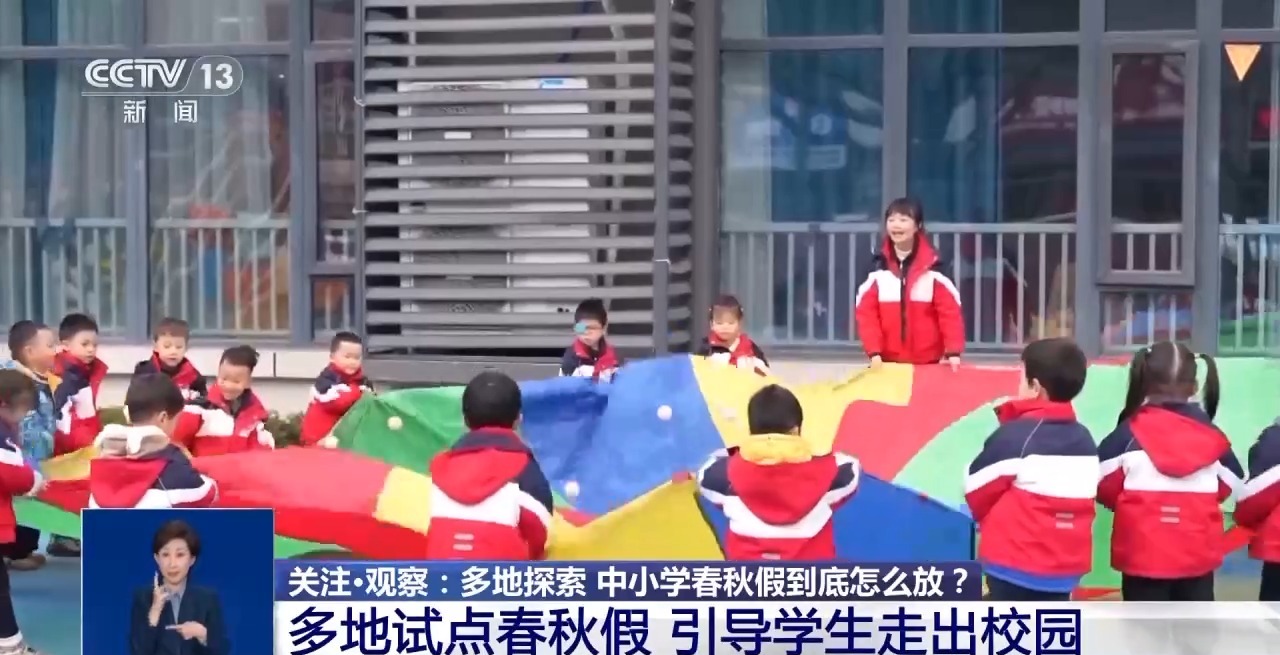
多地探索 中小学春秋假到底怎么放?
Yang Shi Xin Wen· 2025-10-28 22:25
Core Viewpoint - The implementation of spring and autumn breaks in various regions aims to enhance students' overall development by allowing them to engage in outdoor activities and social experiences, while also addressing academic pressure [4][9][33]. Group 1: Implementation of Spring and Autumn Breaks - Multiple regions, including Hubei Enshi, Guangdong Foshan, and Sichuan Yibin, have begun exploring the implementation of spring and autumn breaks for students [4][6]. - Hubei Enshi has officially started its autumn break, lasting 5 days from October 27 to October 31, creating a 9-day continuous holiday by connecting weekends [2][3]. - The autumn break is designed to encourage students to participate in activities such as autumn harvest labor and ecological protection, with no homework assigned during this period [3][4]. Group 2: Educational Objectives - The primary goal of the autumn break is to promote students' connection with nature and enhance their comprehensive qualities [3][6]. - The breaks are part of a broader initiative to implement the "double reduction" policy, which aims to alleviate academic pressure on students [6][34]. Group 3: Parental Concerns and Support Measures - Some parents express concerns about the potential impact of additional breaks on their children's academic performance and the challenges of childcare during these periods [12][14]. - In response, regions like Sichuan have introduced free childcare services during breaks, focusing on sports, arts, and interest development to alleviate parental worries [14][16]. - Foshan schools offer various participation models during breaks, including organized outdoor activities, family outings, and on-campus care services for students [16][18]. Group 4: Historical Context and Future Outlook - The concept of spring and autumn breaks has historical roots in rural education, but it has largely disappeared until recent years when calls for staggered school holidays have increased [9][34]. - Zhejiang province has been a pioneer in implementing spring and autumn breaks for over 20 years, continuously refining the system based on local needs [21][24]. - Experts suggest that the successful implementation of spring and autumn breaks requires collaboration among schools, families, and communities to ensure quality activities during these periods [39].

中小学春秋假来了,各地怎么放?
Xin Lang Cai Jing· 2025-10-23 04:25
Core Points - The introduction of "spring and autumn breaks" for primary and secondary school students is aimed at optimizing holiday structures and boosting consumer spending [2][5][12] - The implementation of these breaks is expected to enhance travel opportunities during off-peak seasons, potentially redistributing tourist traffic and improving overall satisfaction [6][8] Group 1: Policy and Implementation - The Ministry of Commerce and other departments have encouraged local governments to explore the establishment of spring and autumn breaks while maintaining the total number of school days [2][5] - The concept of spring and autumn breaks is not new, having been proposed in the 2013 National Tourism and Leisure Outline [2][5] - By 2025, more regions are expected to adopt these breaks, often aligning them with existing public holidays [2][5] Group 2: Economic Impact - The introduction of spring and autumn breaks could contribute an estimated 0.4% to 0.6% increase in retail sales in the short term, potentially rising to 1% to 1.66% in the long term [6][12] - The 2024 National Day holiday saw 826 million tourists, with a satisfaction score of only 78 out of 100, indicating room for improvement in the tourism experience [6][12] Group 3: Public Support and Challenges - A survey indicated that 71.3% of respondents support the implementation of spring breaks, but there are concerns about the need for parental paid leave and proper scheduling by schools [8][11] - Some regions have already begun addressing childcare issues during breaks by providing free supervision services for students [11][12] Group 4: Future Outlook - The establishment of spring and autumn breaks may serve as a catalyst for broader improvements in holiday benefits across society [12]
谢谢你,珍,再见 | Knock Knock 世界
声动活泼· 2025-10-18 09:59
Group 1: Podcast Updates - The podcast "Knock Knock World" has released its 81st episode, discussing the ongoing Israel-Palestine conflict and the recent hostage exchange during the ceasefire on October 13 [1] - The second topic covered is the Ministry of Commerce's initiative for "Spring and Autumn Breaks" in primary and secondary schools, which raises some counterintuitive questions [1] - The final segment pays tribute to naturalist Jane Goodall, who passed away on October 1, highlighting her lifelong dedication to her work as a social activist [2] Group 2: Historical Context of War and Peace - The aftermath of World War I saw over 10 million military and millions of civilian deaths, leading governments to realize that mere paper agreements were insufficient for maintaining peace [5] - The League of Nations, established after World War I, failed to prevent World War II, prompting the creation of the United Nations Security Council (UNSC) to ensure international peace and security [6][9] - The UNSC has the unique authority to take coercive measures, including military action, to enforce its resolutions, learning from the failures of the League of Nations [7] Group 3: Education and Holidays - The concept of school holidays, including Spring and Autumn Breaks, is deeply intertwined with broader social, cultural, and economic contexts [10] - The introduction of the "Golden Week" in China in 1999 aimed to boost tourism and domestic economic development [12] - The recent proposal for Spring and Autumn Breaks aims to stimulate domestic service consumption, although it has faced opposition [13][14] Group 4: Tribute to Jane Goodall - Jane Goodall is remembered for her extraordinary legacy, having dedicated over 300 days a year to spreading her message globally [14] - Her research methodology involved long-term immersion in the habitat of chimpanzees, fostering trust and understanding, contrasting with traditional short-term studies [15] - Goodall's advocacy for the protection of chimpanzees and their habitats highlights the ongoing challenges posed by deforestation and human encroachment [17]

春秋假,不是“多放几天假”这么简单
Xin Hua Wang· 2025-10-15 04:18
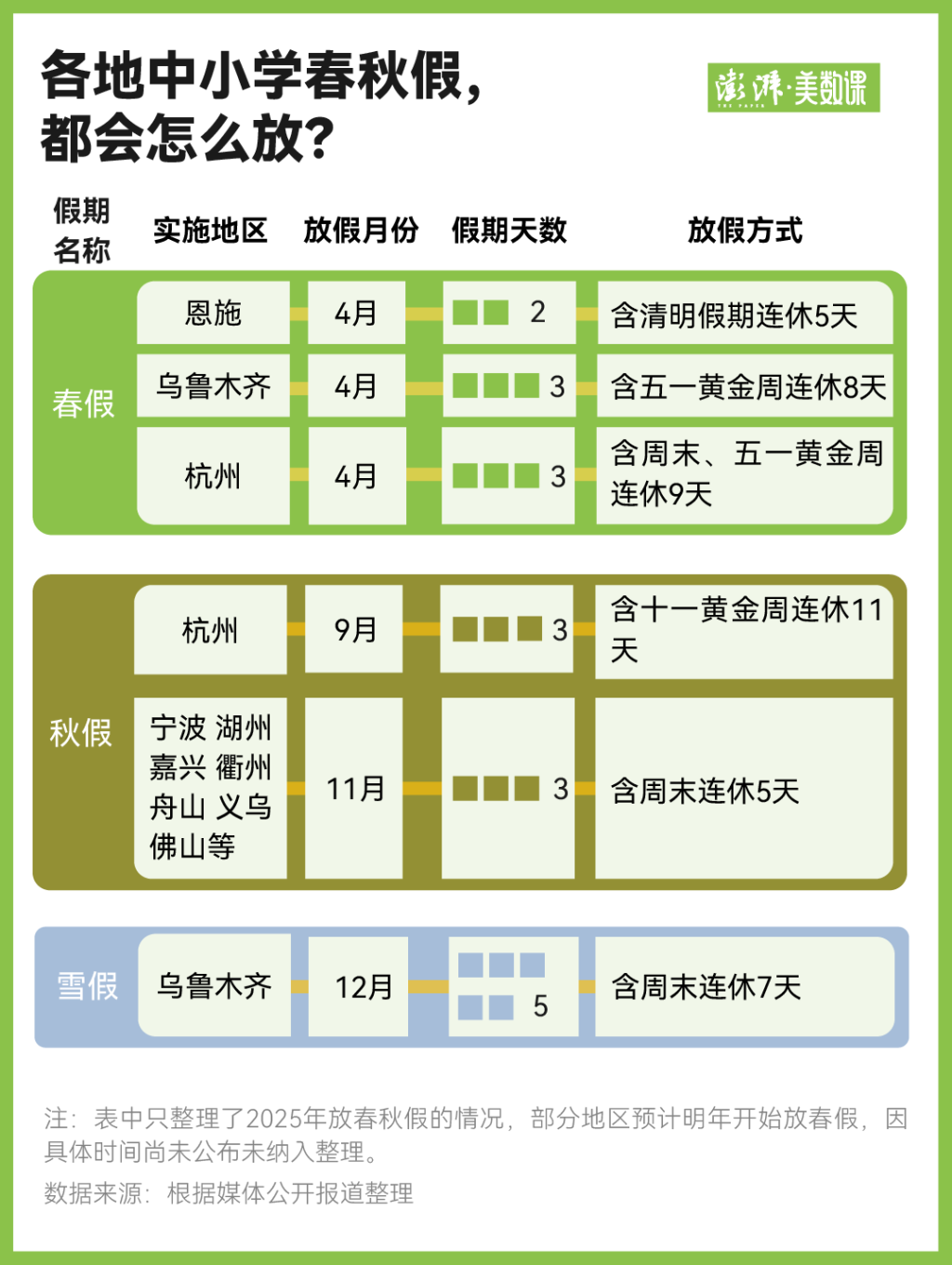
新华网北京10月15日电 题:春秋假,不是"多放几天假"这么简单 新华网记者 汪亚 俞菀 近日,浙江全省推行"中小学春秋假"引发热议。有人期待带娃错峰出游,也有人发愁"娃放假、我上 班"的看护难题。春秋假怎么放?为何推行?又该如何落地? 什么是春秋假? 春秋假是指在春季和秋季学期中,为中小学生增设有别于寒暑假的短假期。 早在上世纪,农村中小学就有"农忙假",让孩子帮家里春种秋收。2004年,浙江省杭州市率先实施春秋 假,成为全国最早探索的城市之一。今年以来,中央多部门发文鼓励"有条件的地方探索设置春秋假", 多地随之推进。 浙江省教育厅基教处处长李斌表示,春秋假推行遵循"因地制宜、弹性安排"原则,不搞"一刀切"。各地 方案各有亮点,以浙江省为例: 有了寒暑假,为何还要春秋假? 一给孩子"松口气"。 "孩子连续上课易疲劳,效率反而低。"浙江省杭州市西湖小学教育集团总校长张冠军认为,将学年拆分 为"四季假期",契合教育规律,能让孩子走出课堂,在自然与社会中实践所学。杭州春蕾中学教师陈丹 怡举例:"语文新闻单元设有采访作业,春秋假里孩子能真实走进社会,比课堂模拟收获更多。" 二给亲子"腾时间"。 "放春秋假的时候不 ...
热点追踪丨春秋假,不是“多放几天假”这么简单
Xin Hua Wang· 2025-10-15 02:12
新华网北京10月15日电 题:春秋假,不是"多放几天假"这么简单 新华网记者 汪亚 俞菀 近日,浙江全省推行"中小学春秋假"引发热议。有人期待带娃错峰出游,也有人发愁"娃放假、我上 班"的看护难题。春秋假怎么放?为何推行?又该如何落地? 什么是春秋假? 春秋假是指在春季和秋季学期中,为中小学生增设有别于寒暑假的短假期。 早在上世纪,农村中小学就有"农忙假",让孩子帮家里春种秋收。2004年,浙江省杭州市率先实施春秋 假,成为全国最早探索的城市之一。今年以来,中央多部门发文鼓励"有条件的地方探索设置春秋假", 多地随之推进。 浙江省教育厅基教处处长李斌表示,春秋假推行遵循"因地制宜、弹性安排"原则,不搞"一刀切"。各地 方案各有亮点,以浙江省为例: 宁波推行春秋假各3天,春假衔接"五一",秋假在11月12日至14日,轻松凑出"小长假"; 嘉兴南湖区推行秋假3天(11月12日至14日),连周末形成5天假期; 丽水推行春假2至3天衔接"五一",秋假3天定于11月,初三年级不安排春假; 金华多地推行秋假集中于11月中下旬,与周末相连,方便家庭错峰出行、参与实践活动…… 浙江省杭州市教育局党组成员、总督学孔永国强调,春 ...
中小学春秋假,浙江全省推行!
Yang Shi Xin Wen Ke Hu Duan· 2025-10-11 02:18
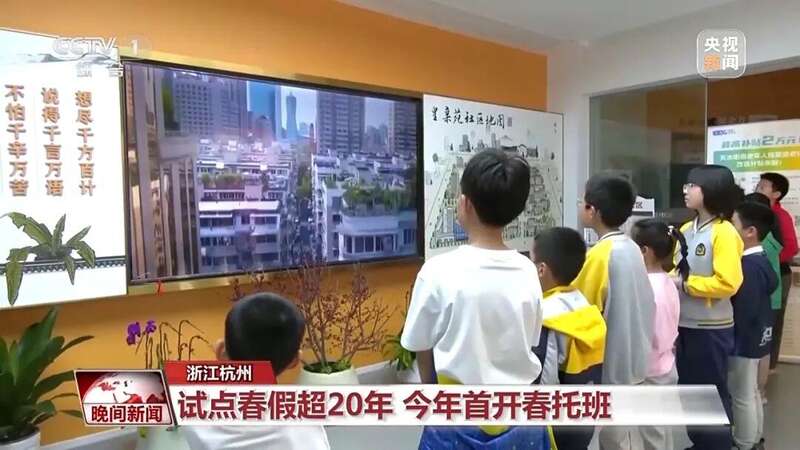
杭州市蒋筑英学校的春托班,接收了60多位学生。春托班还专门请来校外科技辅导员,教孩子做"电子绘本",一 节课就可以创作出几张作品,春假四天时间,每个同学可以创作一个自己的AI绘本。 截至10月9日,浙江11个地级市全部发布推行中小学春秋假制度的相关文件,标志着浙江成为全国首个在全省推行 中小学春秋假制度的省份。 今年9月,商务部等9部门印发《关于扩大服务消费的若干政策措施》,其中关于中小学春秋假的表述,引发广泛 关注,全国多地也在探索实施中小学春秋假。 浙江全省明确中小学都有春秋假 春秋假是指在春季和秋季学期中,为中小学生增设有别于寒暑假的短假期。 杭州自2004年起,在每年4月底实施中小学春假试点。近年来,杭州春假的时间一般在5月前后,秋假的时间则是 10月前后,并于今年首次推出春假托管服务,为家长不能陪伴的孩子组织各种活动。 今年9月开学初,浙江的教育部门、部分学校已在学期日历上标明了秋假日期。 浙江省教育厅基教处处长李斌告诉记者,浙江中小学春秋假不仅有十余个部门联合保障推行,且尊重区域差异和 学段差异,由各市、县(市、区)结合区域实际,因地制宜、弹性安排方案。 以秋假为例,绝大多数地市都安排在了11月的 ...
中小学春秋假,要来了!
Yang Shi Xin Wen Ke Hu Duan· 2025-09-21 10:20
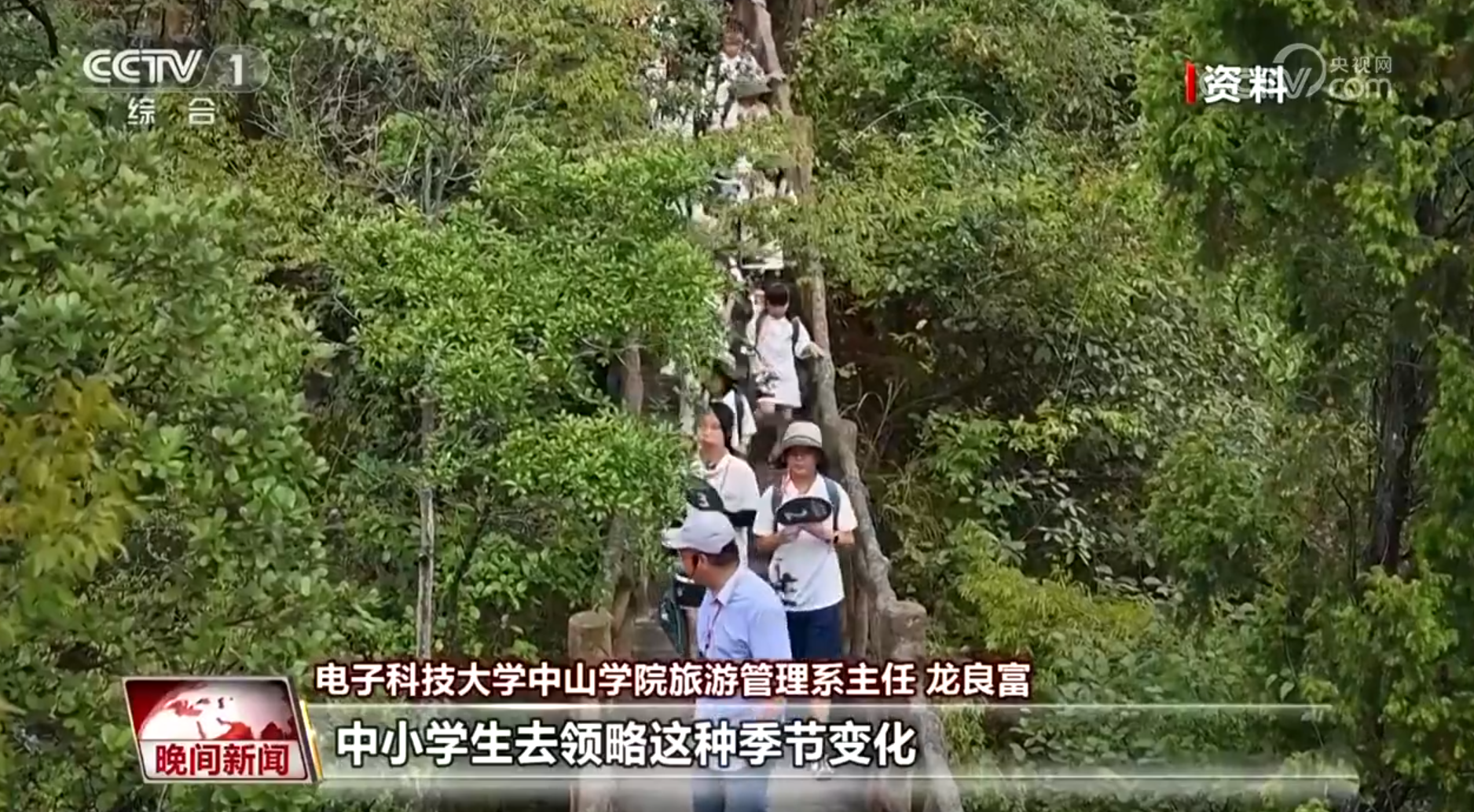
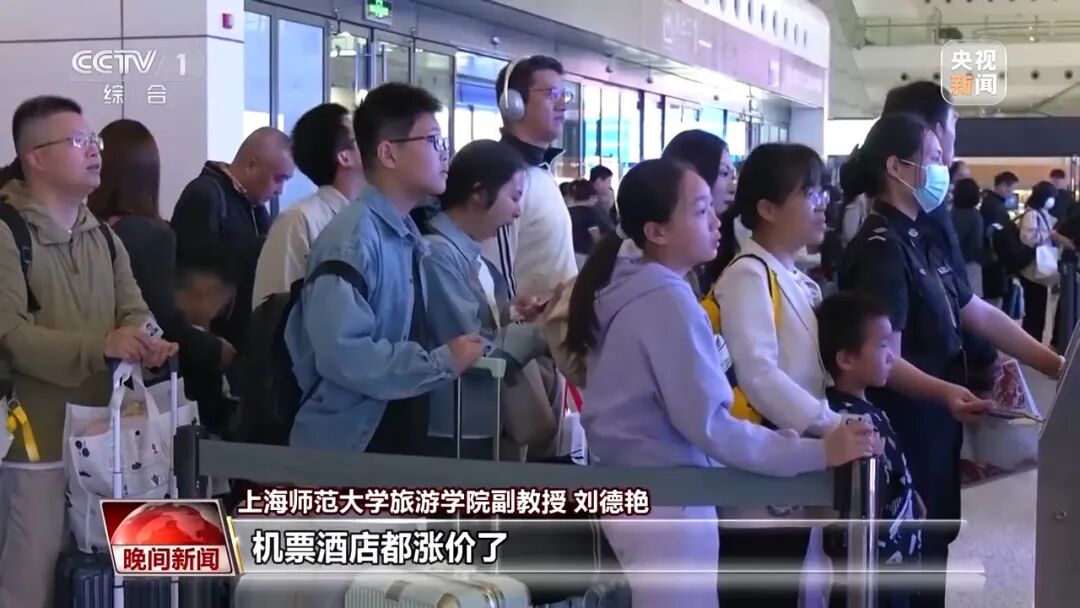
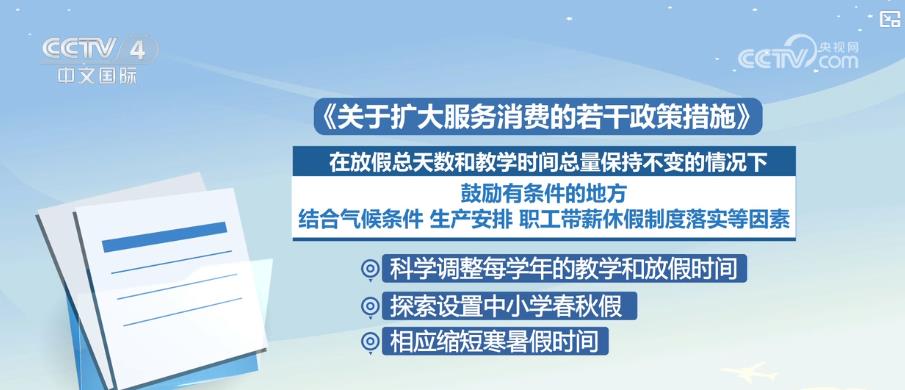
近日,商务部等9部门印发《关于扩大服务消费的若干政策措施》,其中关于中小学春秋假的表述,引发社会关注。春秋假真的要来了吗?家长与学生的 休假时间又该如何平衡呢? 1 多部门印发文件 探索设置中小学春秋假 《关于扩大服务消费的若干政策措施》提到:"在放假总天数和教学时间总量保持不变的情况下,鼓励有条件的地方结合气候条件、生产安排、职工带薪 休假制度落实等因素,科学调整每学年的教学和放假时间,探索设置中小学春秋假,相应缩短寒暑假时间,增加旅游出行等服务消费时间。" 就在今年3月,多部门印发的《提振消费专项行动方案》也明确提到:"鼓励有条件的地方结合实际探索设置中小学春秋假。" 上海师范大学旅游学院副教授刘德艳:我们目前的旅游市场格局,就是旺季太旺,淡季太淡。而游客想要错峰出行,无奈也是无暇出游。特别对于学生党 来讲,在寒暑假这个旺季出游,到处人满为患,机票酒店都涨价了。 电子科技大学中山学院旅游管理系主任龙良富:这么短的春天里面,我们怎么去感知,这就要求更好地去安排。中小学生去领略这种季节变化,其实也是 一个非常好的学习过程。 2 中小学春秋假未广泛推行 "卡点"在哪? 目前,中小学春秋假没能在多数地区广泛推行, ...
中小学春秋假要来了!这些“卡点”有待解决
Xin Hua She· 2025-09-21 07:03
Group 1 - The core viewpoint of the articles revolves around the exploration of implementing spring and autumn breaks in primary and secondary schools, as proposed by the Ministry of Commerce and other departments, aiming to adjust the academic calendar while maintaining the total number of school days and teaching hours [1][2] - The initiative is part of broader efforts to stimulate service consumption and address the current tourism market's seasonal imbalance, where peak travel times are overcrowded and expensive [1][2] - Experts highlight that the implementation of spring and autumn breaks faces challenges, including academic pressure and logistical issues for families and schools [2][6] Group 2 - Zhejiang Hangzhou has been piloting spring breaks since 2004 and has recently introduced spring care classes to support working parents, with over 60 students participating in activities during the break [3][4] - In Hubei Lichuan, the spring break is aligned with the Qingming Festival, allowing families to travel and participate in community activities, addressing parental concerns about student supervision during the break [5][6] - Various regions, including Jiangsu and Sichuan, are currently researching the implementation of spring and autumn breaks, indicating a growing interest and potential for broader adoption [6]
优化假期安排,激发消费活力!多地积极探索中小学春秋假
Yang Shi Wang· 2025-09-21 02:30
Core Viewpoint - The Chinese Ministry of Commerce and nine other departments have issued policies to expand service consumption, which includes the exploration of spring and autumn breaks for primary and secondary schools, raising questions about the balance of vacation time for students and parents [1][3]. Group 1: Policy Measures - The policy encourages local governments to scientifically adjust the academic calendar, including the potential introduction of spring and autumn breaks, while maintaining the total number of school days and vacation days [3]. - The initiative aligns with a previous action plan aimed at boosting consumption, which also suggested exploring spring and autumn breaks in suitable regions [3]. Group 2: Current Implementation and Challenges - Currently, spring and autumn breaks have not been widely implemented across most regions, with experts and parents citing various practical issues that need to be addressed [4]. - In Hangzhou, Zhejiang Province, a pilot program for spring and autumn breaks has been in place since 2004, and this year marks the introduction of spring break childcare services for parents [5][7]. - In LiChuan, Hubei Province, the city has announced plans to align spring breaks with the Qingming Festival by 2025, indicating a move towards integrating these breaks into the academic calendar [11].
春秋假真的要来了吗?来看各地结合实际的探索
Yang Shi Wang· 2025-09-20 19:08
Core Viewpoint - The recent policy measures issued by the Ministry of Commerce and other departments aim to explore the implementation of spring and autumn breaks in primary and secondary schools, while maintaining the total number of school days and teaching hours unchanged [1] Group 1: Policy Measures - The policy encourages local governments to scientifically adjust the academic calendar, considering factors such as climate, production arrangements, and paid leave systems, to explore the establishment of spring and autumn breaks [1] - The initiative aligns with previous actions aimed at boosting consumption, which also suggested exploring spring and autumn breaks in schools [1] Group 2: Challenges in Implementation - The lack of widespread implementation of spring and autumn breaks is attributed to concerns over academic pressure and logistical challenges for parents and schools [3] - Experts highlight that the tight academic schedule and the complexities involved in coordinating breaks with parental work schedules are significant barriers [3] Group 3: Pilot Programs - Hangzhou has been piloting spring breaks since 2004 and recently introduced spring care programs to support working parents [5] - In LiChuan, Hubei, spring breaks are aligned with the Qingming Festival, providing families with opportunities for outings and community activities [6] - Various regions, including Jiangsu and Sichuan, are currently researching the implementation of spring and autumn breaks, indicating a growing interest in this initiative [8]