反法西斯战争

Search documents
暴风雨中的微笑(创作者谈)
Ren Min Ri Bao· 2025-07-03 22:08
Group 1 - The article discusses the influence of Soviet literature on Chinese writers, particularly during the early 20th century and after the establishment of New China, highlighting its lasting impact on the development of Chinese revolutionary and contemporary literature [8][9][10] - It emphasizes the significance of various literary works, such as "Youth Forever" by Wang Meng, in connecting the narratives of the Chinese revolution and contemporary literary growth, showcasing the diverse styles and themes that emerged from this period [8][9] - The narrative explores the historical context of underground struggles during a tumultuous era, aiming to authentically depict the social environment, ideological currents, and the realities faced by underground workers, rather than merely fitting into the spy novel genre [10][11] Group 2 - The article reflects on the rich narrative tradition of genre novels, including spy fiction, and their evolution from ancient military and political themes to more complex modern narratives, providing insights into human nature and societal dynamics [12][13] - It highlights the emotional and psychological impacts of war on individuals, drawing connections between various cultural narratives that address the universal tragedies of conflict, such as "The Diary of Anne Frank" and "Schindler's List," which resonate with readers across different backgrounds [13][14] - The discussion underscores the importance of literature in revealing the hidden complexities of human experiences during war, fostering empathy and reflection on injustice and suffering [13][14]

意寓坚韧与希望的交响曲
Ren Min Ri Bao· 2025-05-25 22:00
Core Viewpoint - The 80th anniversary of the victory in the World Anti-Fascist War in 2025 is marked by the resurgence of Shostakovich's "Seventh Symphony," which symbolizes resilience and the human spirit against the backdrop of war [1][4]. Group 1: Historical Context - The "Seventh Symphony," also known as the "Leningrad Symphony," was composed during the siege of Leningrad by Nazi Germany, reflecting the suffering and endurance of the city [1][2]. - Dmitri Shostakovich, at the age of 35, was not only a composer but also a soldier involved in the defense efforts, which influenced his creation of this monumental work [2]. Group 2: Musical Significance - The symphony consists of four movements, each conveying profound musical meanings, from the depiction of peaceful life to the harsh realities of war [3]. - The first movement presents a serene life through simple melodies, which then transitions into an "invasion theme" that evokes deep sorrow and loss [3]. - The second movement employs a sarcastic tone to illustrate the distortion of human dignity caused by war, utilizing contrasting musical elements [3]. - The third movement serves as a lament, expressing the deep pain and struggles of individuals affected by war, highlighted by poignant string and woodwind solos [3]. - The final movement culminates in a grand display of heroism, showcasing the triumph of the human spirit through dramatic musical techniques [3]. Group 3: Contemporary Relevance - The revival of the "Seventh Symphony" by various orchestras worldwide serves not only to honor history but also to remind future generations of the importance of freedom and peace over violence and fear [4].
【史海回眸】被称“东方佐尔格”,阎宝航为苏联卫国战争提供重要情报
Huan Qiu Shi Bao· 2025-05-15 22:56
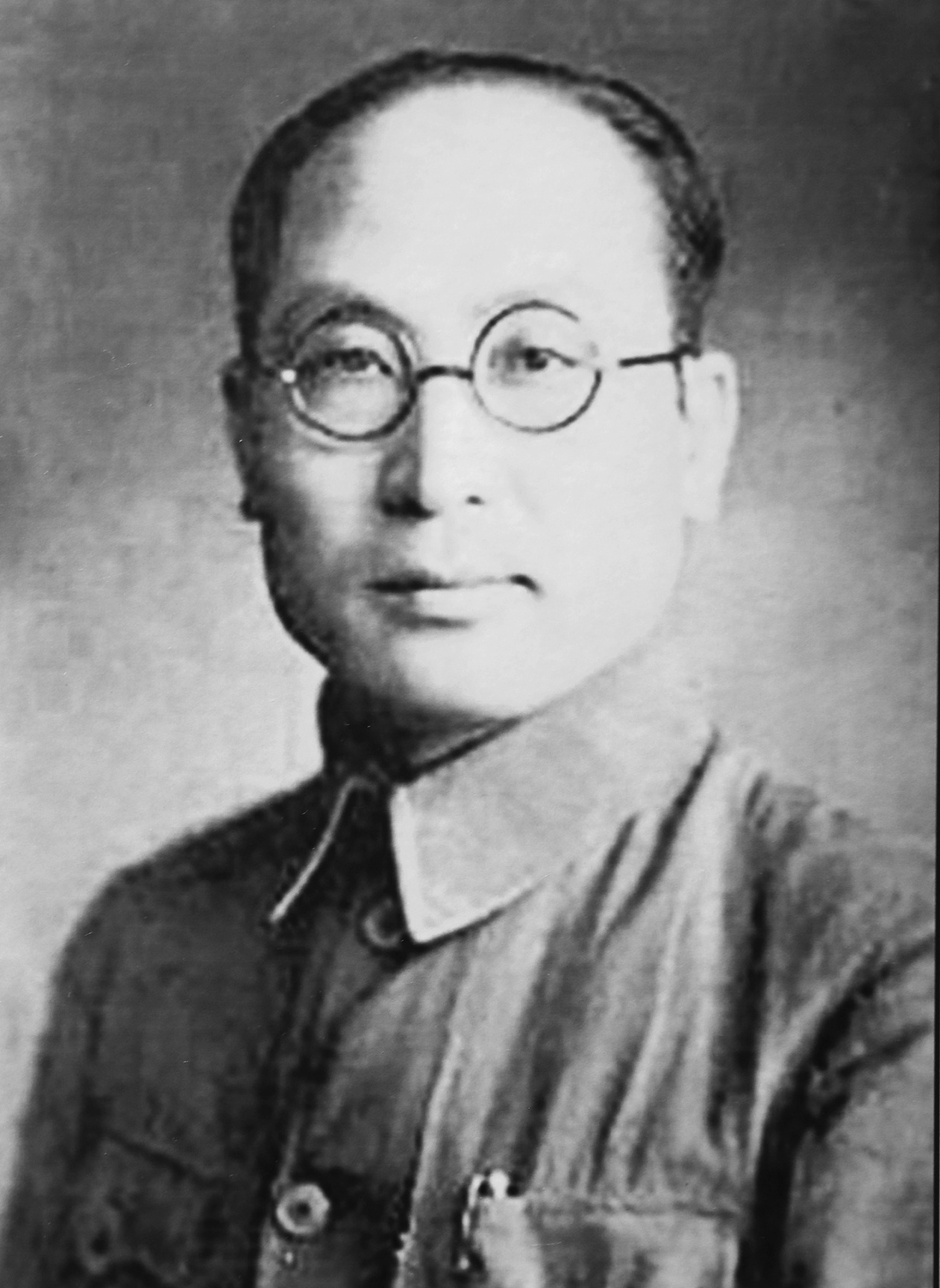
Group 1 - The article highlights the significant contributions of Yan Baohang, a Chinese underground worker, to the Soviet Union during World War II, particularly in providing crucial intelligence about German military actions [1][5][8] - Yan Baohang's intelligence work is compared to that of the famous Soviet spy Richard Sorge, emphasizing his importance in the context of international cooperation against fascism [1][4] - The article discusses Yan's background, education, and his transition from a nationalist to a communist operative, showcasing his role in the anti-Japanese and anti-fascist movements [4][7][9] Group 2 - The intelligence provided by Yan Baohang included critical information about the timing of the German invasion of the Soviet Union, which was communicated to the Chinese Communist Party and subsequently to Soviet leaders [8][9] - Yan's efforts also extended to gathering intelligence on Japanese military movements, which aided Soviet strategic planning during the war [9][10] - The recognition of Yan Baohang's contributions is highlighted, including posthumous honors that reflect his legacy in the context of the global fight against fascism [9][10]
铭记二战历史 传承深厚友谊
Ren Min Ri Bao· 2025-05-08 22:10
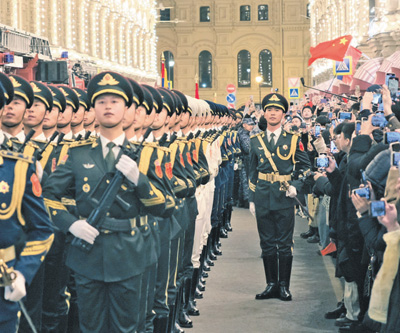
Core Viewpoint - The article highlights the historical significance of the Soviet Union's support to China during the Second Sino-Japanese War and the deep-rooted friendship between China and Russia, particularly in the context of commemorating the 80th anniversary of the victory in the Great Patriotic War [5][9]. Group 1: Historical Context - The Soviet Union provided substantial military support to China during its fight against Japanese aggression, with over 2,000 Soviet pilots participating in the Soviet Volunteer Air Force, of which more than 200 lost their lives [7][9]. - The collaboration between China and the Soviet Union during World War II is emphasized, showcasing their joint efforts in the fight against fascism and the importance of their alliance in achieving victory [10][13]. Group 2: Commemoration and Remembrance - Memorials and commemorative activities are held annually in Wuhan to honor the Soviet pilots who sacrificed their lives, reflecting the enduring friendship and mutual respect between the two nations [7][8]. - The establishment of the Soviet Volunteer Air Force Memorial in Wuhan serves as a testament to the historical ties and shared sacrifices made by both nations during the war [5][8]. Group 3: Modern Implications - The article discusses the ongoing importance of the historical relationship between China and Russia, suggesting that it serves as a foundation for current and future cooperation in various fields [9][14]. - The narrative of shared history is seen as a means to strengthen bilateral ties and promote peace and stability in the international order [9][10].