变废为宝

Search documents
“变废为宝”鼓了百姓“钱袋子” 鲜活实践成撬动生态治理与经济发展“绿色杠杆”
Yang Shi Wang· 2025-08-03 08:40
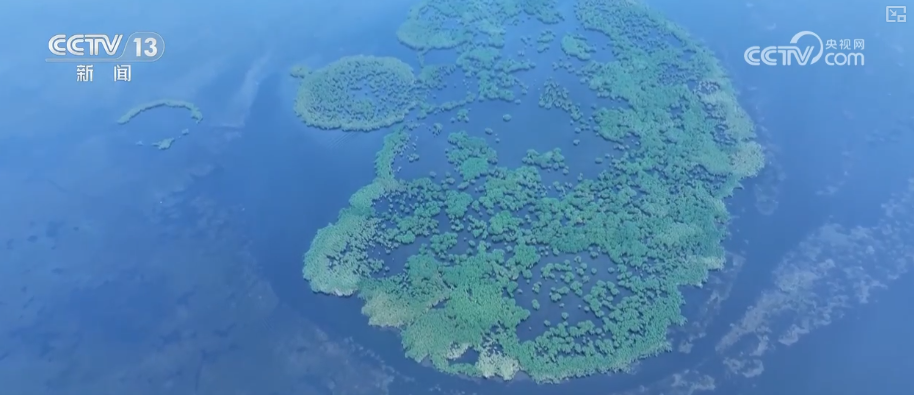
Group 1 - The core idea is the transformation of natural resources, specifically reeds in Wuliangsuhai, from being seen as a burden to becoming a valuable asset for ecological governance and economic development [1][3][5] - Wuliangsuhai, the largest freshwater lake in the Yellow River basin, plays a crucial ecological role by purifying water and providing habitats for birds, but unmanaged reeds can lead to fire hazards and water eutrophication [3][9] - Local initiatives have introduced sustainable practices by supporting companies that process harvested reeds into formaldehyde-free eco-friendly boards, creating jobs and enhancing economic benefits [5][7] Group 2 - The N2N ecological circular agriculture model in Xinyu, Jiangxi, effectively utilizes livestock waste, converting it into biogas and fertilizers, thus benefiting both livestock and crop farmers [10][14] - This model addresses environmental pollution caused by livestock waste, significantly reducing disposal costs for farmers and creating a sustainable ecological industry chain [14] - The community recycling initiative in Shanghai demonstrates the practical application of waste transformation, turning discarded plastic food containers into functional furniture, promoting resource recycling at the local level [15][22]

“三夏”麦秸大变身:五河县年发2.5亿千瓦时绿电 供20万吨蒸汽
Zhong Guo Xin Wen Wang· 2025-06-10 02:17
Group 1 - The company transforms agricultural waste, specifically straw, into clean energy, generating 250 million kilowatt-hours of electricity and 200,000 tons of steam annually, achieving an ecological cycle of "waste to treasure" [1] - During the peak straw collection season, approximately 120 trucks deliver straw to the company daily, with an annual storage capacity of 450,000 tons [1] - The company utilizes a fluidized bed boiler operating at 750℃, consuming 400,000 tons of biomass straw and agricultural waste each year, with an average annual power generation of 250 million kilowatt-hours [1] Group 2 - The company provides stable and reliable heat sources to surrounding industries, including textiles and food, with a heat efficiency improvement of over 10% through upgraded technology [2] - The company has established a heating network covering over 20 enterprises in the park, creating a "power + heat" industrial model that contributes to the sustainable development of the Wuhua area [2]
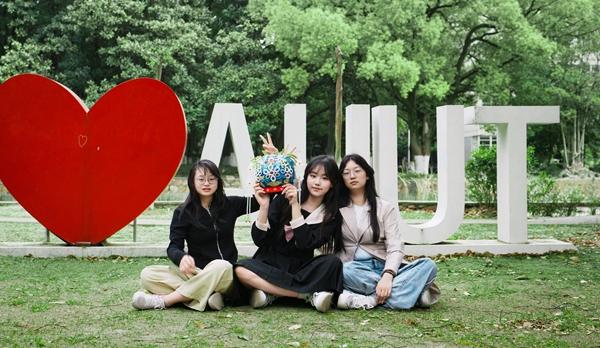
仨理工科女生易拉罐巧做“凤冠”变废为宝
Zhong Guo Qing Nian Bao· 2025-04-27 23:48
Core Viewpoint - The innovative creation of a traditional phoenix crown using recycled materials by three university students highlights the integration of environmental consciousness with cultural heritage, showcasing the potential for modern interpretations of traditional crafts [1][4]. Group 1: Project Background - The project originated from a university course aimed at fostering creativity and problem-solving skills through practical activities, including the use of waste materials to create new products [1][2]. - The students were inspired by traditional craftsmanship and sought to reinterpret the phoenix crown using modern materials, reflecting their passion for handcrafting and traditional arts [1][4]. Group 2: Materials and Techniques - Approximately 20 discarded aluminum cans were utilized to create the crown, demonstrating a "waste-to-treasure" approach that aligns with the project's environmental theme [2][4]. - The design incorporated various techniques, such as cutting and painting the cans to mimic traditional metalwork, and innovative use of packaging materials to enhance the crown's aesthetic [2][3]. Group 3: Cultural Significance - The design of the crown was based on Ming dynasty styles, enriched with contemporary artistic elements, emphasizing the importance of historical research in the creative process [3][4]. - The students expressed that the project deepened their understanding of traditional Chinese aesthetics, including the symbolic meanings of colors and patterns used in the crown [4][5]. Group 4: Personal Insights and Future Perspectives - The experience of creating the crown allowed the students to appreciate the dedication involved in traditional craftsmanship and the challenges faced by artisans [4][5]. - The students believe that modern platforms, such as social media, can effectively bridge the gap between traditional crafts and younger generations, fostering a renewed interest in cultural heritage [5][6].