传统美学

Search documents
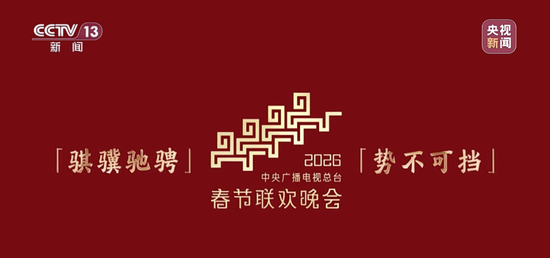
马年春晚主标识,由何而来?设计师独家揭秘
Xin Lang Cai Jing· 2025-12-11 01:04
Core Viewpoint - The theme of the 2026 Spring Festival Gala is "Qiji Chicheng, Shihubuodang," symbolizing the spirit of progress and determination to create miracles in the new era [1][9]. Design Concept - The designer, Gu Yongjiang, has been creating the main logo for the gala for four consecutive years, focusing on traditional Chinese culture and aesthetics [3][11]. - The phrase "Qiji Chicheng" consists of characters with the radical for horse, creating a sense of sequence, but the team decided to return to the beauty of the Chinese characters themselves for broader representation [4][11]. - The design incorporates classic elements of traditional Chinese patterns such as cloud patterns, thunder patterns, and circular patterns [6][15]. Symbolism and Cultural Significance - The term "Qiji" refers to a fine horse, embodying the Chinese spirit of exploration and relentless pursuit [9]. - The design aims to convey a sense of boundless energy and an unyielding spirit, reminiscent of the Great Wall's strength and the unstoppable momentum of a gallant horse [8][17]. - The creation of a new auspicious culture is emphasized through the combination of visual symbols and new auspicious phrases [17].

梦金园(02585.HK):上半年总收益同比增长4.7%,达到104.51亿元
Ge Long Hui· 2025-08-26 11:40
Group 1 - The core viewpoint of the articles highlights the financial performance and strategic initiatives of the company, including revenue growth and expansion in both domestic and international markets [1][2] Group 2 - For the six months ending June 30, 2025, the company's total revenue increased by 4.7% year-on-year to RMB 10.451 billion, while the net loss was RMB 64 million compared to a net profit of RMB 52.3 million in the same period last year [1] - The company reported a loss attributable to shareholders of RMB 70.091 million, contrasting with a profit of RMB 47.433 million in the previous year [1] - The company has established a sales network of 2,733 stores, comprising 2,704 franchise stores and 29 self-operated stores, and is expanding its online sales platform to enhance consumer reach [1] Group 3 - The company has been actively pursuing overseas expansion, exporting products such as gold jewelry, K-gold jewelry, and various accessory types to regions including North America, Europe, the Middle East, and Southeast Asia [2] - In the first half of 2025, overseas revenue reached RMB 145 million, representing a significant year-on-year growth of 285.9% [2] - The company is launching new product lines that blend traditional aesthetics with modern design, emphasizing the uniqueness of craftsmanship and cultural heritage [2]
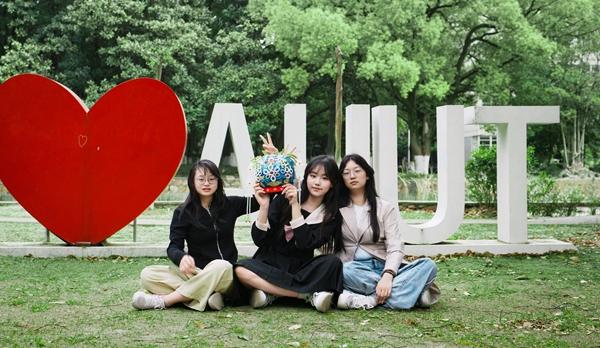
仨理工科女生易拉罐巧做“凤冠”变废为宝
Zhong Guo Qing Nian Bao· 2025-04-27 23:48
Core Viewpoint - The innovative creation of a traditional phoenix crown using recycled materials by three university students highlights the integration of environmental consciousness with cultural heritage, showcasing the potential for modern interpretations of traditional crafts [1][4]. Group 1: Project Background - The project originated from a university course aimed at fostering creativity and problem-solving skills through practical activities, including the use of waste materials to create new products [1][2]. - The students were inspired by traditional craftsmanship and sought to reinterpret the phoenix crown using modern materials, reflecting their passion for handcrafting and traditional arts [1][4]. Group 2: Materials and Techniques - Approximately 20 discarded aluminum cans were utilized to create the crown, demonstrating a "waste-to-treasure" approach that aligns with the project's environmental theme [2][4]. - The design incorporated various techniques, such as cutting and painting the cans to mimic traditional metalwork, and innovative use of packaging materials to enhance the crown's aesthetic [2][3]. Group 3: Cultural Significance - The design of the crown was based on Ming dynasty styles, enriched with contemporary artistic elements, emphasizing the importance of historical research in the creative process [3][4]. - The students expressed that the project deepened their understanding of traditional Chinese aesthetics, including the symbolic meanings of colors and patterns used in the crown [4][5]. Group 4: Personal Insights and Future Perspectives - The experience of creating the crown allowed the students to appreciate the dedication involved in traditional craftsmanship and the challenges faced by artisans [4][5]. - The students believe that modern platforms, such as social media, can effectively bridge the gap between traditional crafts and younger generations, fostering a renewed interest in cultural heritage [5][6].