
海洋新兴产业

Search documents
自然资源部:壮大海洋能、海洋生物医药和生物制品等海洋新兴产业 发展蓝色金融
news flash· 2025-07-04 11:43
Core Viewpoint - The Ministry of Natural Resources emphasizes the need to develop emerging marine industries such as marine energy, marine biomedicine, and biological products, while also promoting blue finance and addressing marine ecological issues [1] Group 1: Marine Industry Development - The Ministry plans to collaborate with relevant departments to formulate the "14th Five-Year" marine economic development plan [1] - There is a focus on optimizing and integrating marine scientific and technological resources to better understand marine natural resources [1] - The goal is to accelerate the construction of a modern marine industry system [1] Group 2: Emerging Marine Industries - The Ministry aims to strengthen emerging marine industries, specifically marine energy, marine biomedicine, and biological products [1] - Development of blue finance is highlighted as a key area for growth [1] Group 3: Marine Ecological Governance - The Ministry stresses the importance of systematic governance of marine ecological issues [1] - There is a commitment to safeguarding marine rights and interests [1] - The Ministry seeks to enhance international cooperation and participate deeply in global marine governance [1]
深圳海洋“超级实验室”即将开放 土洋开放式海域试验区7月15日试运营,现接受试验预约
Shen Zhen Shang Bao· 2025-07-01 22:35
Core Insights - The Dapeng Bay Marine Experimental Field Phase I, specifically the Tuyang Open Sea Experimental Zone, will begin trial operations on July 15 and is currently accepting test reservations [1] - Shenzhen is accelerating its development as a global marine center city, focusing on marine technology innovation and emerging marine industries [1] Group 1: Experimental Zone Overview - The Tuyang Open Sea Experimental Zone covers an area of approximately 0.5 to 1 square kilometers with depths ranging from 5 to 9 meters, designed for flexible testing of underwater products [2] - The experimental zone operates under an open sea usage model with a reservation system for centralized test arrangements [2] - It provides various services including docking facilities, temporary land support, and customized testing solutions [2][3] Group 2: Infrastructure and Facilities - The experimental zone features two docks: one for small marine equipment and another capable of accommodating 5,000-ton test mother ships [2] - Land-based support facilities include temporary office spaces, storage rooms, and command centers to ensure operational efficiency [3] - The zone is equipped with a simplified underwater measurement and control system, as well as specialized equipment rental services [3]
2万亿蓝色产业,广深再领跑
21世纪经济报道· 2025-06-26 15:26
Core Viewpoint - Guangdong province is leading in marine economy development, with a focus on innovation and structural upgrades in traditional industries, particularly in coastal cities like Guangzhou and Shenzhen [2][3][4]. Group 1: Marine Economic Performance - Guangdong's marine economy has surpassed 2 trillion yuan, with Guangzhou and Shenzhen leading at 4,979 billion yuan and 5,409 billion yuan respectively for 2024 [2][6][7]. - Guangzhou's marine economic activities include over 30,000 enterprises, with a shipbuilding industry output exceeding 50 billion yuan, growing by 8% year-on-year [7]. - Shenzhen's marine information service sector has a value-added of 1,061 billion yuan, growing by 10.1%, while marine tourism increased by 11.6% [7][8]. Group 2: Innovation and Emerging Industries - High-tech marine industries such as advanced shipbuilding, marine electronic information, and marine engineering equipment are becoming focal points for policy in both Guangzhou and Shenzhen [7][9]. - Shenzhen has achieved several global firsts in marine technology, including deep-sea mining and offshore wind power projects, indicating a strong push towards innovation [8][9]. Group 3: County-Level Development - County-level cities along Guangdong's coastline are also focusing on transforming traditional marine industries through technological upgrades and diversification [12][13]. - For instance, the county of Raoping has made significant advancements in fish seed technology, aiming for a total fishery output of over 6 billion yuan by 2024 [14][15]. Group 4: Future Prospects and Investments - The province aims to cultivate new marine industries, leveraging its strengths in electronic information and renewable energy, with plans to develop several billion-yuan industry clusters [10][11]. - Investments in marine aquaculture and related infrastructure are expected to significantly boost production and economic output in coastal counties [15][16].

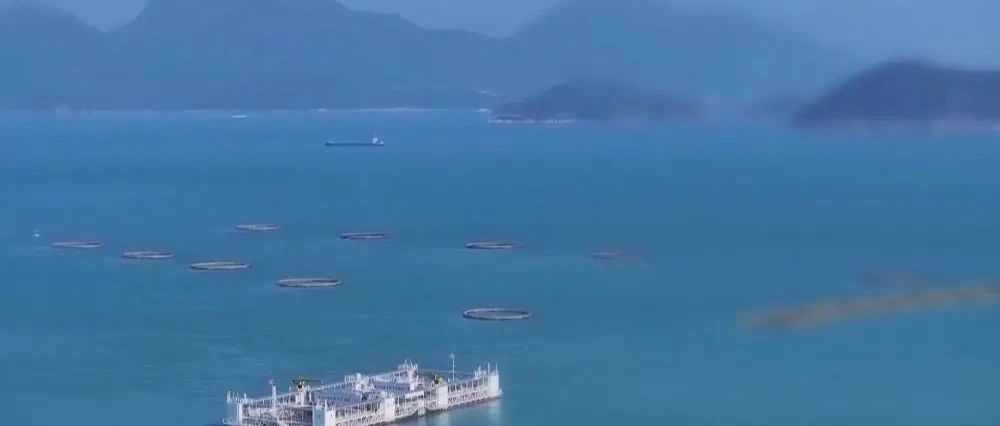
广东发布促进海洋经济高质量发展条例
Zhong Guo Zi Ran Zi Yuan Bao· 2025-06-11 06:15
Group 1 - The "Regulations on Promoting High-Quality Development of the Marine Economy in Guangdong Province" has been approved and will take effect on July 1, marking the first local legislation aimed at promoting marine economic development in Guangdong [1] - The regulations consist of seven chapters and fifty-three articles, focusing on marine industry development, technological innovation, green development, open cooperation, and comprehensive service and support [1][2] - The regulations require coastal governments to coordinate the development of land and marine resources, implement classified protection and utilization of coastlines, and optimize the spatial layout of the marine economy [1][3] Group 2 - The regulations encourage the development of emerging marine industries, guiding electronic information companies to expand into marine fields and enhance the R&D capabilities of high-end marine electronic equipment [2] - There is a focus on promoting marine engineering equipment manufacturing, encouraging breakthroughs in key technologies, and supporting the development of new marine equipment such as submersibles and underwater robots [2] - The regulations also include provisions for modern marine ranching, emphasizing the establishment of supporting infrastructure and a mechanism for approving marine use for aquaculture [2] Group 3 - The regulations aim to strengthen the control of marine ecological space and marine development utilization, improving protection levels and efficiency of coastline use [3] - Coastal governments are required to enhance overall marine ecological environment protection and promote systematic protection of typical marine ecological types such as mangroves and coral reefs [3] - The regulations mandate the establishment of a balance system for coastline occupation and restoration, along with a funding mechanism for coastline remediation [3] Group 4 - The provincial government is tasked with conducting basic investigations and surveys of marine resources, while supporting the construction of marine data spaces [4] - Governments at or above the county level must ensure land and marine use for marine projects according to land spatial planning [4] - The regulations also detail the optimization of approval procedures for certain marine projects and the valuation and bidding processes for marine and uninhabited island usage rights [4]