
远程医疗

Search documents
Teladoc(TDOC) - 2025 Q3 - Earnings Call Presentation
2025-10-29 21:00
Financial Performance - Q3 2025 - Revenue for 3Q-25 was $626 million, a decrease of 2% year-over-year[4] - Net loss per share for 3Q-25 was $(0.28)[4] - Adjusted EBITDA for 3Q-25 was $69.9 million, a decrease of 16% year-over-year[4] Financial Outlook - FY25 - The company projects FY-25 revenue to be in the range of $2,510 million to $2,539 million[5] - The company projects FY-25 net loss per share to be in the range of $(1.25) to $(1.10)[5] - The company projects FY-25 Adjusted EBITDA to be in the range of $270 million to $287 million[5] Financial Outlook - Q4 2025 - The company projects 4Q-25 revenue to be in the range of $622 million to $652 million[5] - The company projects 4Q-25 net loss per share to be in the range of $(0.25) to $(0.10)[5] - The company projects 4Q-25 Adjusted EBITDA to be in the range of $73 million to $90 million[5] Balance Sheet and Cash Flow - Cash and cash equivalents as of September 30, 2025, were $726 million[36] - Convertible senior notes as of September 30, 2025, were $994 million[36] - Operating cash flow for 3Q-25 was $99 million[36] - Free cash flow for 3Q-25 was $68 million[36]

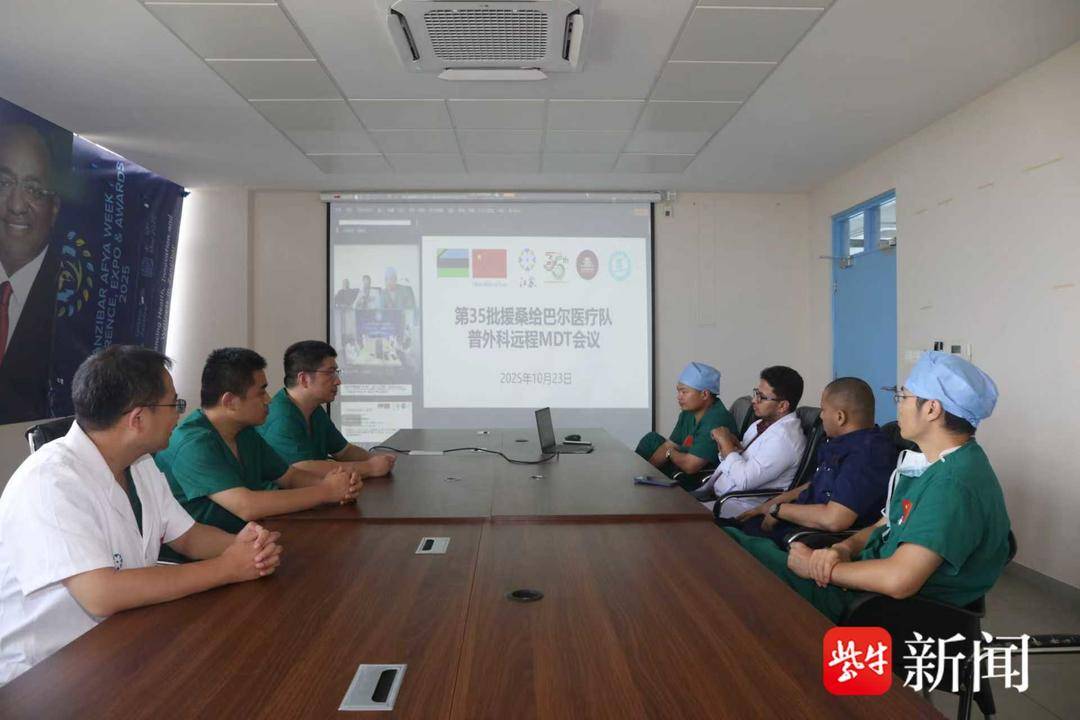
万里“云牵手” ,桑给巴尔卢姆巴医院首次开展MDT远程门诊
Yang Zi Wan Bao Wang· 2025-10-27 14:11
Core Insights - The article highlights the successful implementation of a remote MDT (Multidisciplinary Team) consultation between the Lumumba Hospital in Zanzibar and the First People's Hospital of Lianyungang, Jiangsu Province, China, marking a significant advancement in medical collaboration across distances [1][3] Group 1: Medical Collaboration - The remote MDT consultation involved specialists from Lumumba Hospital, members of the 35th Chinese medical aid team to Zanzibar, and a multidisciplinary expert team from Lianyungang [3] - The consultation addressed two complex cases: an 83-year-old patient with a large abdominal tumor and a young woman with surgical complications after four operations [3] Group 2: Local Healthcare Impact - Zanzibar's healthcare system faces challenges, including delayed and non-standard treatment for critical patients, which the remote consultation aims to address [3] - The remote MDT approach not only provides timely and standardized care for complex cases but also contributes to the training of local healthcare professionals, enhancing the overall medical standards in the region [3] Group 3: Future Prospects - Both hospitals' management expressed strong support for the initiative, with plans to normalize such remote MDT consultations to benefit the local population continuously [3]

2025年9月全球医疗健康领域投融资月报
Sou Hu Cai Jing· 2025-10-14 04:25
Summary of Key Points Core Viewpoint - In September 2025, the global healthcare sector experienced a significant surge in capital and innovation, with total financing reaching $10.188 billion, marking a 183.09% increase month-over-month and setting a new annual high. This surge was driven by 175 financing events, with notable large-scale investments, particularly in the digital health sector, which accounted for $5.773 billion or 56.67% of the total financing [1][6][8]. Financing Overview - The healthcare sector saw a total of 175 financing events in September 2025, with approximately $10.188 billion disclosed in financing amounts. The domestic market accounted for 68 events totaling about $956 million, while the overseas market had 107 events totaling approximately $9.232 billion [7][8]. - The number of financing events increased by about 15.13% compared to August 2025, with total financing amount rising by approximately 183.09% [8]. Major Financing Events - Notable financing events included Shields Health Solutions securing $3.5 billion, setting a record for single financing rounds. This company provides specialized pharmacy services to over 80 healthcare systems across the U.S. [14][68]. - Oura Health raised $875 million in Series E funding, bringing its valuation close to $11 billion, aimed at expanding its global presence in personalized health management [21][69]. - Strive Health raised $550 million to develop a comprehensive care system for kidney disease, integrating AI and clinical care [9][27]. Sector-Specific Highlights - The biopharmaceutical sector led with 73 financing events, highlighting the long-term value recognition of advanced therapies, such as Kriya Therapeutics securing $320 million and Arena BioWorks obtaining $500 million [2][9]. - Chinese innovation in healthcare also shone through, with MaiSheng Medical completing over 1.5 billion yuan in strategic financing, setting a record for private equity in high-end medical equipment [19]. - The digital health sector was a focal point, with significant investments in AI-driven patient monitoring platforms and automated care solutions, indicating a strong trend towards the integration of technology in healthcare [2][14]. Investment Trends - The financing landscape indicates a robust trend towards the integration of technology and healthcare, with substantial investments in AI-driven platforms, automated care solutions, and advanced therapeutic developments [2][14]. - The data reflects a strong commitment from both domestic and international investors to support innovative healthcare solutions, signaling a shift towards personalized, intelligent, and precise healthcare services [2][14].

(砥砺奋进七十载 天山南北谱华章)新疆医疗水平正迈向智能化、精准化新阶段
Zhong Guo Xin Wen Wang· 2025-09-25 05:02
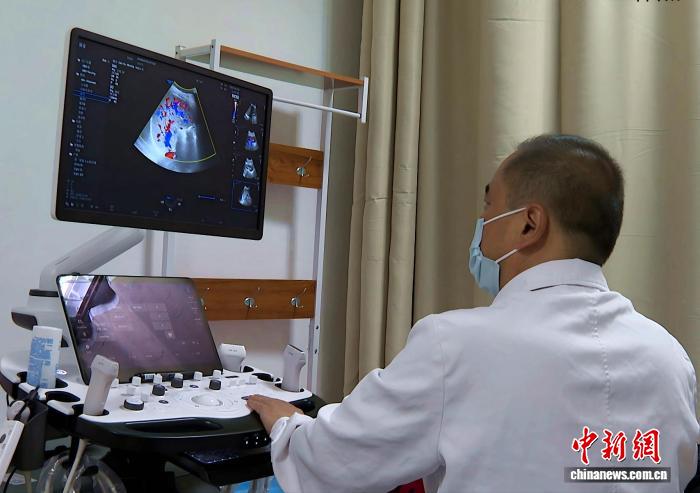
Core Insights - Xinjiang's healthcare is advancing towards a new stage of intelligence and precision, with a focus on AI applications in early disease diagnosis [1][4][10] Group 1: Current Developments - The establishment of the Xinjiang Production and Construction Corps Medical Association's ultrasound medicine branch aims to explore AI's role in early disease diagnosis [1] - Over the past decade, Xinjiang has experienced rapid healthcare development, transitioning from a lack of medical resources to advanced ultrasound technologies and remote diagnostics [5][7] Group 2: Historical Context - In the 1950s, Xinjiang faced severe medical resource shortages, with ultrasound equipment almost nonexistent, relying heavily on experience for disease diagnosis [5] - The transformation from "lack of medical resources" to "accessible healthcare" reflects significant improvements in local medical conditions and patient care [7][9] Group 3: Future Directions - The focus for future development in Xinjiang's healthcare includes medical technology innovation and talent cultivation, with ongoing collaborations with renowned hospitals for research and training [10] - The establishment of specialized databases for thyroid and breast nodules aims to enhance regional medical capabilities, emphasizing a "co-construction" approach rather than mere resource allocation [10]
Hims & Hers Stock Pushes to Highs on Healthcare Rate Cut Frenzy
MarketBeat· 2025-09-21 14:08
Core Viewpoint - The Federal Reserve's interest rate cut has led to a sector rotation towards healthcare and financial stocks, with Hims & Hers Health Inc. positioned at the intersection of healthcare and technology, attracting mixed opinions from investors [1][2]. Company Performance - Hims & Hers Health reported Q2 2025 earnings of $544.8 million, marking a 73% increase year-over-year. The company also achieved a net subscriber count of 2.4 million, a 31% increase from the previous year [5]. - Average revenue per user rose from $57 in 2024 to $74 in 2025, reflecting a 30% increase, indicating improved customer retention and spending [5]. Valuation Metrics - Hims & Hers trades at a price-to-book (P/B) ratio of 25.9x, significantly higher than the medical sector average of 13.6x, suggesting that the market perceives its growth as both real and sustainable [6]. - The consensus price target for Hims & Hers is $38.92, indicating a potential downside of about 33% from recent prices, reflecting a cautious sentiment among analysts [8]. Analyst Sentiment - Maria Ripps of Canaccord Genuity has reiterated a Buy rating with a price target of $68, suggesting a potential upside of 17% from current levels, driven by strong earnings and optimism regarding lower interest rates [9]. - The stock has seen a recent surge of 32.9%, attributed to strong earnings and investor confidence in future growth opportunities [9]. Market Positioning - Hims & Hers is positioned in a favorable market environment characterized by recurring revenue, a growing customer base, and increasing per-user spending, which enhances its scalability [10]. - The company's strong fundamentals and market momentum support its valuation, moving it beyond a speculative investment [12].

“东数西算”带动社会投资超万亿元 我国新型算力网络体系加速成型
Yang Shi Wang· 2025-09-20 08:42
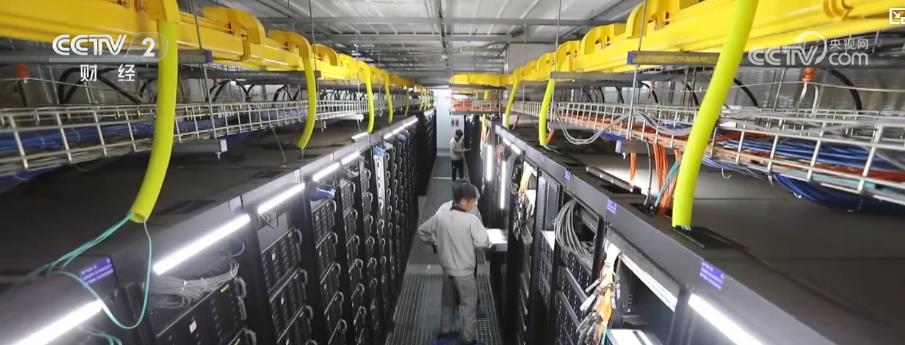
Core Insights - The "East Data West Computing" project has led to significant scale effects, with social investment exceeding 1 trillion yuan since its implementation [1][5] - The project aims to optimize the layout of data centers and promote collaboration between eastern and western regions by directing computing power demand from the east to the west [3][5] Group 1: Project Overview - The "East Data West Computing" initiative was officially launched in 2022, focusing on building a new computing power network through data centers, cloud computing, and big data integration [3] - During the 14th Five-Year Plan period, the project has established 8 hub nodes and 10 data center clusters, covering 14 provinces across eastern, central, and western China [5] Group 2: Regional Impact - Among the 8 hub nodes, 5 are located in the western region, facilitating the migration of eastern business operations to areas rich in hydropower, such as Gansu and Inner Mongolia [7] - Prior to the project's implementation, 80% of the country's computing power was concentrated in the eastern region, while the corresponding energy resources were in the west [9] Group 3: Industry Development - The initiative has provided approximately 80% of the intelligent computing power for the nation, accelerating the development of industries such as artificial intelligence, smart manufacturing, and telemedicine [5]
带动社会投资超万亿元 “东数西算”工程规模化效应不断显现
Yang Shi Xin Wen· 2025-09-20 05:31
Group 1 - The "East Data West Computing" project has shown significant scale effects since its implementation, contributing to the development of various industries such as artificial intelligence, smart manufacturing, and telemedicine [1] - The project was fully launched during the 14th Five-Year Plan period and has established 8 hub nodes and 10 data center clusters, covering 14 provinces in eastern, central, and western China [1] - The initiative has driven social investment exceeding 1 trillion yuan and provides approximately 80% of the national intelligent computing power [1]
带动投资超万亿元!“数”览“东数西算”规模化效应显现、绿色化水平提升
Yang Shi Wang· 2025-09-20 05:01
Core Insights - The "East Data West Computing" project has led to significant social investment exceeding trillions of yuan since its implementation, showcasing its scale effect [1][4] - The project has established 8 hub nodes and 10 data center clusters across 14 provinces, providing approximately 80% of the national intelligent computing power and accelerating the development of industries such as artificial intelligence and smart manufacturing [4][10] Investment and Infrastructure Development - The project has facilitated the migration of business operations from the eastern regions to the resource-rich western areas, with 5 out of 8 hub nodes located in the west, fostering the emergence of new computing cities like Qingyang in Gansu and Ulanqab in Inner Mongolia [7][10] - The distribution of computing power was previously 80% in the east, while energy resources were concentrated in the west, leading to a strategic alignment of energy and computing infrastructure [10] Green Energy Utilization - The green energy usage in newly established data centers in regions like Inner Mongolia has exceeded 85%, indicating a shift towards sustainable energy practices [12] - Innovative models for direct supply of green electricity to data centers have resulted in over a 20% reduction in energy consumption [16] Technological Advancements - The implementation of cooling technologies, such as natural ventilation in Guizhou and liquid cooling in Anhui, has led to significant energy savings, with reductions of over 7 million kilowatt-hours annually and 30% energy savings respectively [19] Future Directions - The National Data Bureau plans to continue focusing on the green, intensive, and inclusive development of the "East Data West Computing" project, aiming to enhance the national integrated computing network [20][23] - The "14th Five-Year Plan" has laid the groundwork for the development of computing infrastructure and green initiatives, with the "15th Five-Year Plan" expected to be a period of significant growth in computing capabilities [21]
服务器通过“泡澡”来降温?“东数西算”节能黑科技太酷了
Yang Shi Xin Wen· 2025-09-20 01:38
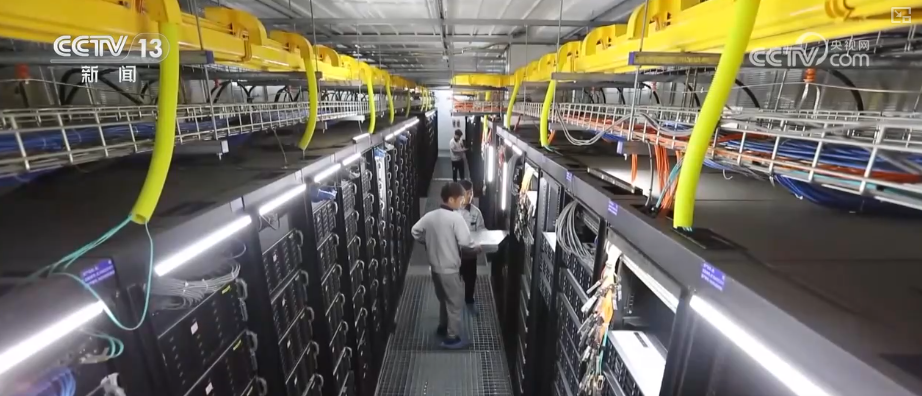
Core Insights - The "East Data West Computing" project has led to over 1 trillion yuan in social investment since its implementation, showcasing significant scale effects [1][2] - The project has established 8 hub nodes and 10 data center clusters across 14 provinces in eastern, central, and western China, providing approximately 80% of the national intelligent computing power [2] Investment and Infrastructure Development - The project has facilitated the migration of computing resources from the eastern regions to the western areas rich in renewable energy, contributing to the rise of new computing cities such as Qingyang in Gansu and Ulanqab in Inner Mongolia [2] - Prior to the project, 80% of the country's computing power was concentrated in the east, while the corresponding energy resources were located in the west, indicating a strategic alignment of energy and computing infrastructure [2] Green Energy Utilization - Recent monitoring indicates a continuous improvement in the green energy usage ratio within the "East Data West Computing" project, with some new data centers in Inner Mongolia achieving over 85% green energy usage [3][4] - The introduction of direct supply models for green electricity has resulted in over a 20% reduction in energy consumption for data centers [4] Technological Innovations - Innovative cooling technologies, such as liquid cooling, have been implemented in data centers, leading to a 30% reduction in energy consumption [4] - The use of natural cooling methods in high-altitude regions has also contributed to significant energy savings, with one data center reducing industrial electricity use by over 7 million kilowatt-hours annually [4] Future Development Plans - The National Bureau of Statistics plans to focus on green, intensive, and inclusive development in the ongoing implementation of the "East Data West Computing" project, aiming to accelerate the construction of a national integrated computing power network [5] - The project is expected to lay the groundwork for significant advancements in computing power during the 14th Five-Year Plan period, with a vision for further development in the 15th Five-Year Plan [5]
DocGo (DCGO) 2025 Conference Transcript
2025-09-03 15:22
Summary of DocGo (DCGO) 2025 Conference Call Company Overview - **Company**: DocGo - **Industry**: Mobile health and medical transportation - **Key Operations**: Provides medical transportation and home healthcare services across the U.S. and the UK, serving approximately 1 million patients annually [4][5] Core Business Segments Medical Transportation - **Patient Transports**: Expected to provide over 750,000 patient transports in the current year, with a projected growth of 15% year-over-year [33][36] - **Technology Integration**: Utilizes a complex logistics and dispatch management platform integrated with Epic, allowing hospital systems to efficiently manage patient discharges and transport needs [10][12] - **Unique Model**: Employs a hybrid model where licensed practical nurses (LPNs) conduct home visits while remote clinicians provide oversight, enhancing efficiency and patient care [6][14] Home Healthcare - **Growth Potential**: Anticipated growth of 50-100% in home healthcare services, with significant increases in patient visits compared to previous years [37][39] - **Care Gap Closure**: Focuses on addressing care gaps for patients who have not seen a primary care provider, with services including screenings and vaccinations [41][42] Strategic Partnerships and Market Expansion - **Joint Ventures**: Collaborates with major hospital systems, including a joint venture with Jefferson, enhancing service delivery and integration [16][17] - **Market Entry Strategy**: Expands into new markets by partnering with marquee customers, as demonstrated by recent entry into the Dallas Fort Worth area [18][20] Financial Performance and Projections - **Revenue Growth**: Medical transportation revenue projected to exceed $200 million this year, with mobile health services expected to grow significantly [70] - **Contract Durations**: Typical contracts with hospital systems last 3-5 years, contributing to stable revenue streams [27][28] Government Contracts and Services - **Evolving Focus**: Shift towards long-term population health contracts rather than episodic emergency care, with a focus on providing vaccinations and primary care services to underserved communities [48][55] - **Transparency in Reporting**: Plans to break out government-related revenues separately to provide clearer insights to investors [51] Challenges and Market Dynamics - **Hospital Spending Trends**: Noted uncertainty in hospital spending cycles, with health plans under pressure to optimize resources amid potential Medicaid enrollment changes [72][74] - **Quality Scores**: Engages in care gap closure initiatives that directly impact quality scores for health plans, enhancing their operational efficiency [73] Conclusion - **Future Outlook**: DocGo is well-positioned to capitalize on the growing demand for mobile health services and integrated care solutions, with a strong emphasis on technology and patient-centered care [76]
