风阻系数

Search documents
阿维塔被质疑风阻系数造假新进展 官方邀请马斯克现场见证风洞测试
Xin Hua Cai Jing· 2025-05-07 08:16
新华财经北京5月7日电(康耕甫) 近日,阿维塔科技(重庆)有限公司(以下简称"阿维塔")所产汽 车风阻系数被质疑造假一事迎来新进展,阿维塔官方邀请马斯克现场参加其将于近期组织的风洞测试。 风阻是车辆在行驶过程中,由于空气流动而产生的阻力,空气阻力随着车速的提升而急剧增加,对能耗 的影响尤为显著。因此降低风阻系数成为提升新能源汽车,尤其是纯电动汽车续航能力的关键手段,这 也是为什么现在各大车企在发布新能源汽车时都要在风阻系数方面着力强调的原因。 事情起源于5月2日,有自媒体博主发布视频称,在天津某风洞实验室对阿维塔12进行实测,结果显示风 阻系数为0.28Cd,与上市时官方宣称的0.21Cd差距显著。 5月3日晚,阿维塔科技法务部官方发布微博称,经详细巡查,此信息完全失实,阿维塔旗下产品技术参 数均以官方发布为准。几乎同一时间,该账号又发文称,法务部悬赏500万元征集线索,称已处理部分 账号,并指控近期存在有组织抹黑行为。 5月6日深夜,阿维塔官方发文称:特斯拉创始人ElonMusk先生转发了国内某博主发布的关于"阿维塔12 风阻系数"的不实信息,阿维塔12将近期进行风洞测试,我们也诚邀@ElonMusk 先生 ...
三问三解 | 制动卡钳也会影响续航?
Zhong Guo Zhi Liang Xin Wen Wang· 2025-05-07 07:07
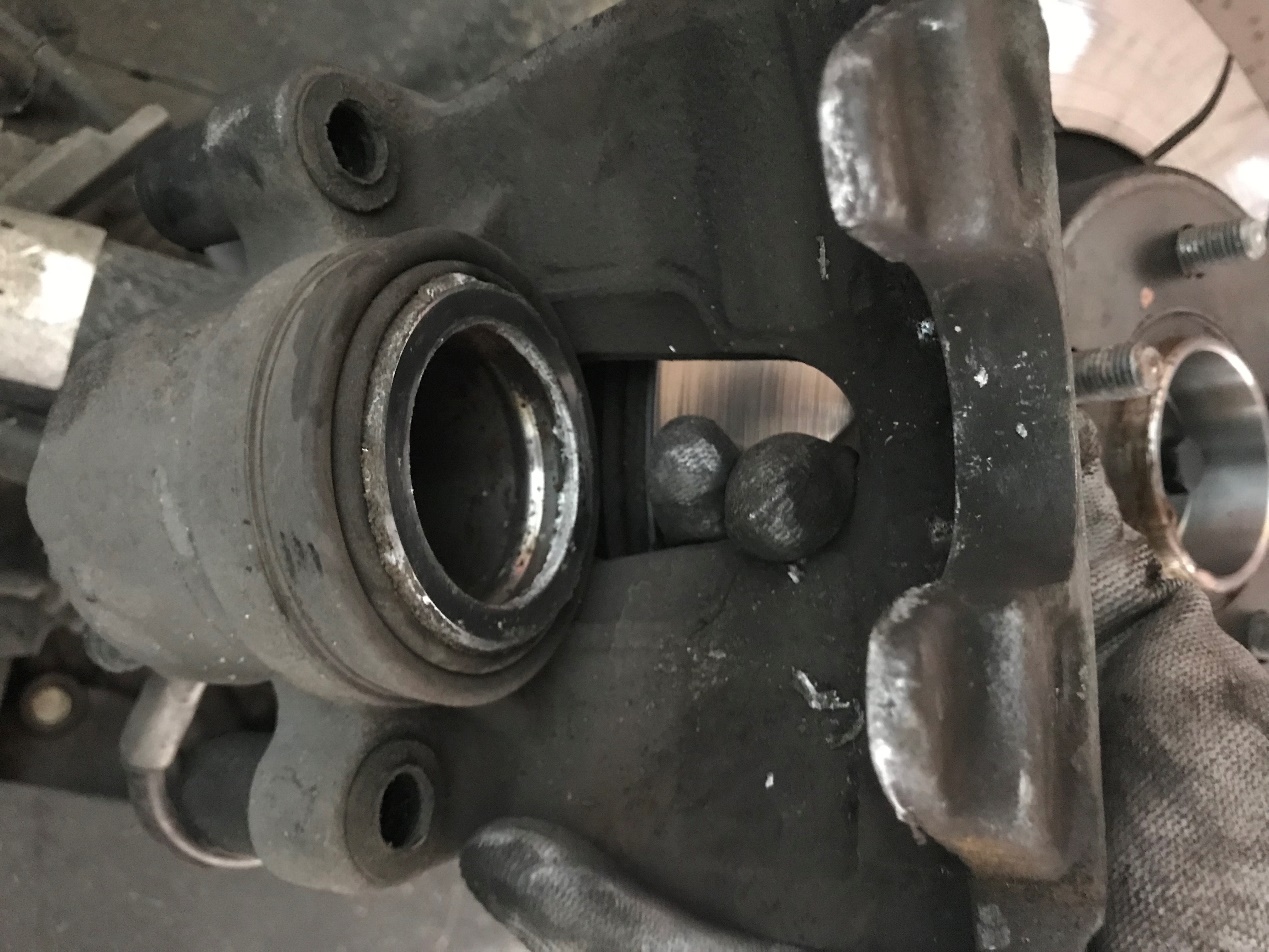
Group 1 - The article discusses various factors affecting the range of electric vehicles, emphasizing that beyond low temperatures, many subtle elements can impact battery performance [1][2] - Brake calipers can significantly influence vehicle range due to drag torque when they do not fully release, leading to increased energy consumption [4][6] - Data from manufacturers indicate that at -7°C, drag torque from brake calipers can increase by 50%, potentially reducing the actual range of a 500 km electric vehicle by 15-20 km [4][6] Group 2 - Design flaws in electronic parking brake systems can lead to excessive drag torque, which not only raises brake disc temperatures but also diminishes range [6] - Insufficient lubrication of caliper guide pins and other mechanical factors can also contribute to drag torque, resulting in uneven wear on brake components [8] - The average drag torque for mainstream calipers is around 1.5 Nm, with some suppliers offering calipers that can reduce this to below 1.0 Nm, enhancing vehicle range [10] Group 3 - The viscosity of lubricating oil in the drivetrain increases in low temperatures, leading to reduced transmission efficiency and further impacting winter range [12] - Tire rolling resistance is a significant factor affecting range, as it is influenced by the weight of electric vehicles and the properties of the tires [14][16] - Michelin data indicates that 90%-95% of tire rolling resistance comes from the repeated deformation of the tire during rolling [16] Group 4 - Lowering tire deformation can reduce rolling resistance, and optimizing rubber materials can also help achieve this [18] - The wind resistance coefficient does not always correlate with energy efficiency, as factors like vehicle speed play a crucial role in energy consumption [19][21] - Energy consumption increases exponentially with speed; for instance, at 120 km/h, the power requirement can reach approximately 31 kW, compared to 2.3 kW at 30 km/h [25]