and Inclusion (DEI)

Search documents
Target spotlights support for Black founders after DEI backlash
Yahoo Finance· 2025-10-24 18:25
Core Insights - Target is emphasizing its partnership with the Russell Innovation Center for Entrepreneurs (RICE) to support Black small business founders, indicating a potential shift in strategy to rebuild relationships with communities that are integral to its brand identity [1][2]. Partnership in Focus - The collaboration with RICE includes funding initiatives for training emerging entrepreneurs in retail strategy and business scaling through the Retail Readiness Academy [2]. - Target's support extends to HBCU programs under the "HBCU, Always" series, aimed at connecting graduates with mentorship opportunities within the company [2]. Leadership Changes and Strategic Shifts - The announcement of the partnership comes after the resignation of CEO Brian Cornell, who oversaw the company's DEI expansion, including the $2 billion Racial Equity Action and Change (REACH) initiative [3]. - In January 2025, Target decided to end many DEI goals, citing a "realignment" of strategy towards "business neutrality" [3]. DEI Rollback and Its Consequences - The rollback of DEI initiatives led to a nationwide boycott organized by civil rights activists, which was particularly impactful during Black History Month [4][5]. - The boycott resulted in significant declines in store traffic, with concerns raised by Black business owners about the potential negative impact on their sales [5]. Financial Performance and Market Challenges - Target's sales have declined in 2025, with stock prices dropping 61% from their peak in 2021 [6]. - The company announced its first major layoffs in a decade, planning to cut 1,800 corporate jobs, attributing the decline to both consumer boycotts and competition from Amazon and Walmart [6]. Broader Corporate Trends - Target's situation reflects a wider trend in corporate America, where many companies are scaling back or rebranding their DEI programs amid changing political and cultural climates [7]. - By mid-2025, only a small number of Fortune 500 companies continued to publish detailed diversity reports, with many shifting to broader terms like "inclusion" or "corporate responsibility" [7].

Target quietly rolls out something huge to lure back customers
Yahoo Finance· 2025-10-23 21:33
Core Insights - Target has faced significant challenges in 2025, including economic pressures, changes in consumer behavior, high labor costs, inflation, and competition, but has also encountered unique obstacles related to its DEI initiatives and Pride products [1][3] Group 1: DEI Policy Changes - In January, Target made controversial cuts to its diversity, equity, and inclusion (DEI) policies, including withdrawing from the Human Rights Campaign survey, which tracks LGBTQ+ corporate practices [2] - The decision led to consumer backlash, resulting in boycott threats, a decline in sales, and reduced foot traffic in stores [3] Group 2: Financial Performance - According to Target's Q10 filing for Q2 2025, net sales decreased by 0.9% year-over-year to $25.2 billion, while comparable sales fell by 1.9%, driven by a 1.3% drop in traffic and a 0.6% decrease in average transaction amounts [3] Group 3: New Initiatives - To regain customer trust, Target has begun testing the sale of THC-infused beverages in select liquor stores in Minnesota, marking a significant move for a retailer of its size [5][6] - Target is the first major retailer to enter the THC beverage market, which has been largely avoided by national chains, indicating a potential shift in industry dynamics [6]
Women We Admire Announces Top 50 Women Leaders of New York for 2025
PRWEB· 2025-10-01 15:30
Core Insights - Women We Admire has announced The Top 50 Women Leaders of New York for 2025, highlighting the city's role as a cultural and commercial powerhouse with over 20 million residents [1] Group 1: Honorees - Shilpa Bangera, President and Global Head of Payments at Adyen, is recognized for her leadership in fintech, focusing on growth, innovation, and teamwork [2] - Emma Andrews, Vice President of Global Patient Advocacy at Pfizer, is honored for her efforts in embedding the patient perspective in company initiatives, aiming to improve patient outcomes [3] - Vynessa Alexander, Senior Vice President at Infor, is acknowledged for her extensive experience in technology and operations management, guiding young professionals in their career growth [4] Group 2: Additional Honorees - The list includes notable leaders from various industries such as Sherry Cassano (Pfizer), Jennifer Remling (Warner Bros. Discovery), and Marissa Tracey (Deutsche Bank), showcasing a diverse range of sectors represented [6] Group 3: Organization Overview - Women We Admire aims to recognize and inspire women leaders across various fields, circulating content to over 70,000 individuals and businesses [7]



Trump Admin To Redirect $2.4 Billion From California's High-Speed Rail Project To National Rail Program - General Motors (NYSE:GM)
Benzinga· 2025-09-24 10:00
Group 1 - The Trump administration has reallocated $2.4 billion from California's high-speed rail project to a new $5 billion program aimed at enhancing passenger rail services nationwide [1][4] - The new rail funding program prioritizes safety and focuses on regions with higher birth and marriage rates, omitting climate change and diversity, equity, and inclusion (DEI) considerations [2][3] - The majority of the new program's funding comes from the $4 billion previously withdrawn from California's high-speed rail project, with additional funds from last year's announcement and this year's budget [4] Group 2 - California Governor Gavin Newsom remains committed to the state's transportation goals despite the funding setbacks, including the decision not to offer incentives on electric vehicles after the federal credit deadline [6] - California officials plan to legally challenge the Trump administration's decision to redistribute funds, continuing their fight over the withdrawal of federal rail project funding [7]


Target Faces Boycott: 200 Days Without DEI, Financial Impact Grows
Investopedia· 2025-09-23 12:45
Core Insights - Target's decision to end its diversity, equity, and inclusion (DEI) programs has led to a prolonged boycott, significantly impacting the company's sales and stock value [1][4][19] Boycott Overview - The boycott, initiated by Black clergy and supported by civil rights organizations, has been ongoing for over 200 days and has gained traction with the involvement of groups like the American Federation of Teachers [1][6][8] - The boycott's demands include a $250 million commitment to Black-owned banks, support for historical Black colleges, honoring a previous $2 billion commitment to Black entrepreneurs, and a reimagining of DEI initiatives [9][13] Financial Impact - Target reported a 3.8% decline in comparable sales in the first quarter and a 1.9% decline in the second quarter, with foot traffic decreasing for 11 consecutive weeks [2][10][11] - The company's stock has dropped 33% since the DEI rollback, resulting in a loss of over $20 billion in shareholder value [4][12] - Target's market capitalization fell from approximately $129 billion in 2021 to around $41.6 billion, with annual revenue projections decreasing from $107.4 billion to $106.6 billion [12][14] Leadership Changes - CEO Brian Cornell resigned in August 2025, reflecting the severity of the crisis, and was succeeded by COO Michael Fiddelke [4][18] - The leadership change comes amid broader economic challenges, including tariffs and a declining consumer base [18] Consumer Sentiment - The backlash against Target's DEI rollback is notable for its sustained momentum, with activists emphasizing the importance of consumer spending power among Black communities [6][7][19] - The boycott has highlighted a shift in consumer activism, indicating that companies may face significant consequences for reversing DEI commitments [19]

Why cultural competence should be the new D.E.I. | Kimberley Barker | TEDxYpsilanti
TEDx Talks· 2025-09-17 15:19
Core Argument - The speaker advocates for cultural competence as a more holistic and universally acceptable framework than traditional DEI initiatives [4] - Cultural competence emphasizes equality through understanding and fosters psychological safety [5][6] - The industry suggests cultural competence is an active process for navigating differences arising from diverse backgrounds, termed "cultural dilemmas" [8][9] Key Components of Cultural Competence - The framework involves four steps: recognize, respect, reconcile, and realize [10] - The industry highlights three fundamental principles: empathy, respect, and collaboration [13] - Empathy involves understanding perspectives from another's cultural lens [13] - Respect acknowledges the inherent worth and dignity of every individual [14] - Collaboration leverages diverse talents and insights to achieve shared goals [15] Benefits and Impact - Cultural competence leads to more robust, inclusive, and effective solutions [13] - The industry believes it unlocks innovation, solves problems, and forges deeper connections [16] - It builds bridges instead of walls, embracing the richness of diversity [17]

Engineering Equity with Automation | Poggy Murray Whitham | TEDxHeriot Watt University
TEDx Talks· 2025-09-16 15:33
Challenges in the Engineering Industry - The engineering industry faces a growing skills gap and a mental health emergency [11] - Construction, engineering, and manufacturing workers are over three times more likely to die by suicide than the national average in the UK [12] - Research indicates that 81% of engineers report emotional or mental health concerns, yet less than half are comfortable discussing it with their employer, and 25% have considered suicide or self-harm [13] - The UK has a shortfall of over 173,000 engineers, costing the UK economy approximately 15 billion pounds (15% billion) annually [14] - In a 12-month period, over 38,000 women left engineering roles in the UK, decreasing the proportion of women in engineering and technical roles [15] - Research shows that nearly 72% of queer engineers in automation have experienced or witnessed discrimination in the workplace [16] Proposed Solutions & Recommendations - Inclusion should be engineered, not improvised, drawing from automation principles [8] - The industry should apply engineering logic to the workplace, monitoring people as critically as technical assets [10] - Implement condition monitoring techniques for inclusion, tracking psychological safety, workload equity, career progression, and cultural climate continuously [23][24] - Build in feedback loops using networks, employee resource groups, micro-surveys, and regular conversations for continuous course correction [25] - Track promotion patterns and trends, not just individual complaints, treating inclusion with the same rigor as quality control [26][27] - Design inclusion from the ground up, based on data, to avoid reactive measures [27][28]

Opendoor chair says the company currently has 1,400 employees but only needs 200 of them
Business Insider· 2025-09-13 00:47
Core Insights - Opendoor Technologies is facing significant operational inefficiencies, with cofounder Keith Rabois stating that the company is "bloated" and could reduce its workforce from 1,400 employees to around 200 [1][2] - The company has recently gained attention as a meme stock, with its stock price increasing by 470% year-to-date following the announcement of leadership changes [1] - Rabois criticized the company's culture, particularly regarding remote work and diversity, equity, and inclusion (DEI) initiatives, indicating a shift back to a focus on merit and excellence [2][7] Company Overview - Opendoor Technologies specializes in buying and selling homes, and it has recently seen a surge in stock performance, attributed to the rejoining of cofounders Rabois and Eric Wu on the board and the appointment of Kaz Nejatian as CEO [1] - The company currently employs 1,400 individuals, but Rabois believes that the majority of these positions are unnecessary, suggesting a drastic reduction in workforce [1] Cultural and Operational Changes - Rabois described the company's culture as "broken," emphasizing the ineffectiveness of remote work and the need to move away from DEI-focused initiatives [2][7] - The shift in focus will prioritize merit and excellence, indicating a potential restructuring of company values and operational strategies [2]


Can Target Regain Its Mojo?
Forbes· 2025-08-21 16:40
Core Insights - Target announced a CEO change, with Brian Cornell retiring and COO Michael Fiddelke taking over, which was met with disappointment from Wall Street due to the lack of an outsider candidate [2][3] - The company reported another weak quarter, confirming a continued loss of relative market share, with shares dropping over 6% following the announcement [3][5] Financial Performance - Under Cornell's leadership, Target's revenues grew from approximately $60 billion to over $100 billion, with significant contributions from digital sales and private brands [4] - However, since mid-2021, Target's stock has declined over 60%, while competitors have seen substantial gains [5] - Target has experienced flat to negative same-store sales over the past three years, contrasting with Walmart's average growth of around 6% [6] Market Position and Strategy - Target's merchandise mix is more discretionary, making it vulnerable in a challenging economic environment where consumers are more selective [7] - The company's focus on online fulfillment has detracted from customer service and visual merchandising, leading to frequent product out-of-stocks [8] - Target has struggled with its brand positioning, often competing on price rather than leveraging its unique market identity [9] Leadership and Future Direction - The promotion of Fiddelke has drawn criticism, as he was previously overseeing areas where Target has faced execution issues [11][12] - The board's decision to retain Cornell as executive chairman suggests a reluctance to implement significant changes [12] - Fiddelke's initial priorities include reestablishing merchandising authority, enhancing customer experience, and leveraging technology for efficiency, but these strategies need to be executed effectively to differentiate Target in the market [14][15][16]
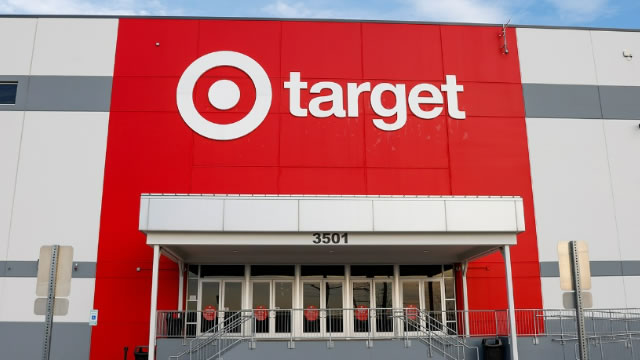
As Target Names New CEO, Stock Tumbles 10% As DEI Hit And Tariffs Drag On Sales
Forbes· 2025-08-20 14:25
Core Insights - Procter & Gamble plans to cut up to 6% of its global workforce, approximately 7,000 jobs, in response to consumer uncertainty and tariff-related costs [2] - Target's recent earnings report shows a decline in sales and profit, with sales falling just under 1% to $25.2 billion and profit dropping 19% year-over-year to $1.3 billion [3] - Target's stock price has decreased by 31% since the announcement of changes to its diversity, equity, and inclusion (DEI) programs, resulting in a market cap loss of over $13 billion [5] Company Challenges - Target's new CEO, Michael Fiddelke, will face significant challenges following the departure of Brian Cornell, particularly regarding the backlash from the company's DEI program changes [4] - Financial pressures are compounded by tariff uncertainties and a slowdown in consumer spending, which are expected to persist [5][11] - The company has seen a decline in foot traffic, with a 9% drop in website traffic coinciding with a social media movement calling for a boycott [8][10] Tariff Impact - Target is facing new challenges from tariffs, which could lead to higher import costs and further price increases, alienating price-sensitive consumers [11] - The timing of these tariffs is problematic as Target struggles to regain its footing amidst declining sales [11][13] Business and Political Intersection - Target's situation highlights the importance of consistency in business practices, particularly regarding DEI programs, as inconsistency can erode consumer trust and loyalty [14] - Maintaining customer loyalty is crucial for business resilience and growth, as loyal customers drive repeat purchases and provide valuable feedback [15] - Companies must stand by their principles during volatile times to maintain and earn customer trust and loyalty [16]