
优化法治化营商环境

Search documents
江苏推行“执法+服务”优化法治化营商环境
Zhong Guo Xin Wen Wang· 2025-09-04 15:40
Group 1 - The core viewpoint of the news is the introduction of measures by Jiangsu Province to optimize the legal business environment through a combination of law enforcement and service [1][2] - The measures include five main aspects: prevention first, minor offenses exempt from penalties, strict punishment for serious violations, proportional penalties, and post-event follow-ups [1] - The "minor offenses exempt from penalties" approach aims to reduce the burden on businesses, thereby lowering operational costs and enhancing the business environment [1][2] Group 2 - In the first half of 2025, Jiangsu's market regulatory authorities implemented the new regulations, resulting in 15,000 businesses benefiting from penalty exemptions or reductions, totaling 1.04 billion yuan [2] - The types of cases primarily involved minor issues such as food labeling defects and non-compliant advertising language, which particularly benefited small and micro enterprises [2] - The measures aim to shift the administrative enforcement approach from a management-oriented model to a service-oriented model, enhancing the vitality of business entities [2]
无事不打扰 监管更精准——浙江“综合查一次”改革一线见闻(法治头条·优化法治化营商环境)
Ren Min Ri Bao· 2025-07-30 23:03
Core Viewpoint - The "comprehensive inspection once" reform has significantly improved the efficiency of administrative inspections for enterprises, reducing unnecessary checks and allowing businesses to focus more on their operations [1][3][9]. Group 1: Reform Implementation - The reform has introduced a unified inspection approach where multiple departments coordinate to conduct inspections simultaneously, reducing the frequency of checks [2][3]. - Enterprises now receive advance notifications about inspections, allowing them to prepare adequately [2][3]. - The total number of administrative inspections has decreased significantly, benefiting both enterprises and enforcement agencies [3][9]. Group 2: Digitalization and Efficiency - Digital tools such as remote monitoring and online regulatory systems have enhanced the efficiency of inspections, minimizing disruptions to business operations [4][5]. - A smart regulatory system based on IoT has been established, allowing real-time monitoring of various compliance metrics [5][6]. - The use of digital platforms enables better data management and risk assessment, leading to more targeted inspections [5][6]. Group 3: Service Orientation - The reform emphasizes a service-oriented approach, where inspections are combined with guidance and support for businesses [7][8]. - Enforcement agencies are moving towards a model that prioritizes compliance assistance over punitive measures, fostering a cooperative relationship with enterprises [8][9]. - The goal is to create a balanced regulatory environment that supports business growth while ensuring compliance with laws [8][9]. Group 4: Future Goals - By 2027, the aim is to have 80% of joint inspections implemented across various departments and levels, with a gradual increase in non-site inspections [9][10]. - The focus will remain on maintaining a law-based business environment that reassures enterprises and encourages development [9][10].
无事不打扰 监管更精准(法治头条·优化法治化营商环境)
Ren Min Ri Bao· 2025-07-30 22:33
Core Viewpoint - The "comprehensive inspection once" reform has significantly improved the efficiency of administrative inspections for enterprises, reducing unnecessary checks and allowing businesses to focus more on their operations [1][3][9]. Group 1: Reform Implementation - The reform has introduced a unified inspection approach where multiple departments coordinate to conduct inspections simultaneously, reducing the frequency of checks [2][3]. - Enterprises receive advance notifications about inspections, allowing them to prepare adequately [2][5]. - The reform aims to break down departmental barriers, transitioning from isolated inspections to collaborative efforts [3][4]. Group 2: Digitalization and Efficiency - Digital tools such as remote monitoring and online regulatory systems have been implemented to enhance inspection efficiency and reduce disruptions to business operations [5][6]. - The use of real-time monitoring systems allows regulatory bodies to oversee compliance without needing to conduct frequent on-site inspections [4][5]. - The establishment of a digital platform for administrative enforcement is seen as a key support for improving governance effectiveness [6]. Group 3: Service Orientation - The reform emphasizes a service-oriented approach, where inspections are coupled with guidance and support for businesses, transforming the nature of regulatory interactions [7][8]. - Regulatory bodies are encouraged to adopt a flexible enforcement strategy, focusing on education and compliance rather than punitive measures [8][9]. - The goal is to create a regulatory environment that fosters business growth while ensuring compliance with laws and regulations [9][10]. Group 4: Future Goals - By 2027, the aim is to have 80% of annual joint inspections implemented across departments and levels, with a gradual increase in non-site inspections [9][10]. - The reform seeks to ensure that necessary inspections are conducted effectively while minimizing the burden on enterprises [10].
“调立审执”同发力 司法助企护营商
Nei Meng Gu Ri Bao· 2025-07-22 01:16
Core Viewpoint - The Dalaiteqi People's Court is focused on optimizing the legal business environment, enhancing judicial support for enterprises, and improving the efficiency of handling enterprise-related cases in 2023 [1][2] Group 1: Case Handling Efficiency - In the first half of the year, the court handled 2,575 enterprise-related cases, with 2,181 cases concluded, resulting in a closure rate of 84.7% and an average processing time of 35.12 days [1] - The establishment of a "green channel" for enterprise-related cases in litigation service halls and grassroots courts provides timely services such as litigation guidance, risk alerts, and legal clarifications [1] Group 2: Simplified Procedures - The court applies simplified procedures for enterprise-related cases with clear legal relationships and minor disputes, expediting the resolution process [2] - Cases eligible for small claims procedures are prioritized and directed to rapid adjudication teams to shorten the litigation cycle [2] Group 3: Specialized Handling and Mediation - Complex enterprise-related cases are assigned to specialized courts, which maintain a case ledger and prioritize scheduling for these cases [2] - The court enhances communication with business associations and regulatory bodies to improve mediation mechanisms and reduce the costs of dispute resolution for enterprises [2] Group 4: Execution Practices - The court adheres to a principle of civil execution that emphasizes goodwill and civility, implementing guidelines to prevent excessive asset seizures during civil litigation [2] - When multiple assets are available for seizure, the court considers efficiency and minimal cost, opting for "live seizures" where possible to maximize asset utility [2]
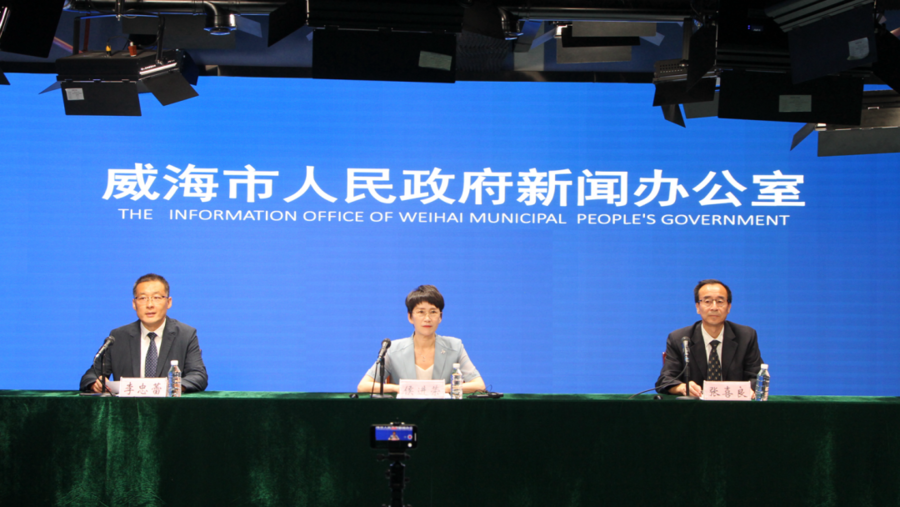
细化标准、优化方式、完善机制,威海严格规范涉企行政检查
Qi Lu Wan Bao Wang· 2025-07-16 06:15
Core Viewpoint - The article discusses the implementation of measures by the Weihai Municipal Government to standardize administrative inspections related to enterprises, aiming to optimize the business environment and protect the interests of companies [3][4]. Group 1: Overview of Measures - The measures are part of a broader initiative to regulate administrative inspections of enterprises, reflecting the government's commitment to improving the legal business environment [3]. - The document titled "Several Measures for Strictly Regulating Administrative Inspections Related to Enterprises" was issued on July 2, 2025, and consists of eight parts and 31 tasks [4][5]. Group 2: Specific Measures - The first part emphasizes the legal review and confirmation of administrative inspection subjects, requiring local authorities to create a list of inspection items based on provincial guidelines [4]. - The second part mandates the establishment of an annual inspection plan and a record-keeping system for inspections, ensuring that plans are approved by relevant government bodies [5]. - The third part focuses on standardizing inspection procedures, including internal approvals and documentation of the entire inspection process [5]. Group 3: Optimization and Technology - The fourth part advocates for optimizing inspection methods, including a collaborative mechanism for cross-departmental inspections and the promotion of non-intrusive regulatory practices [5]. - The fifth part aims to enhance the information technology level of inspections by utilizing an online platform to streamline inspection processes and reduce the frequency of on-site checks [6]. Group 4: Guidance and Support - The sixth part proposes the establishment of an administrative guidance mechanism for enterprises, encouraging feedback and compliance through the publication of typical case studies [6]. - The seventh part emphasizes the need for a robust supervision and coordination mechanism for administrative law enforcement, ensuring that enterprises have clear channels for expressing grievances [6]. - The eighth part highlights the importance of work guarantees, including training for enforcement personnel and public awareness campaigns to foster a cooperative environment for policy implementation [6].

海淀公安推“二十条措施”服务高质量发展
Bei Jing Ri Bao Ke Hu Duan· 2025-07-10 13:01
Core Viewpoint - The Haidian Public Security Bureau has introduced a series of measures to enhance the business environment and support high-quality development, including the establishment of police service stations in key technology parks to provide convenient services for enterprises and their employees [1][2]. Group 1: Police Service Stations - Three comprehensive police service stations have been established in Zhongguancun Software Park, Zhongguancun Dongsheng Technology Park, and Zhongguancun No. 1, offering over 20 types of self-service consultation related to business, including immigration services and fraud prevention [2]. - The service stations allow employees to access full-process police services without leaving the park, ensuring convenience and efficiency [2]. Group 2: Immigration Facilitation Measures - The "Sail·Sea Environment" initiative includes ten tailored immigration facilitation measures aimed at attracting and retaining talent, providing streamlined services for business travel and visa applications [2]. - Over the past three months, the initiative has served more than 2,700 high-level foreign and domestic talents, supporting the transition of outstanding international students from studying in Haidian to establishing roots in the area [2]. Group 3: Protection of Business Rights - The Haidian Public Security Bureau has intensified efforts to combat corporate harm, successfully handling over 150 cases related to business protection this year, recovering more than 90 million yuan for affected companies [3]. - A dedicated police-enterprise hotline has been established, providing 24/7 support to listen to and address the needs of businesses [3].
山东省临沂市河东区检察院 “三个通过”助力优化法治化营商环境
Jing Ji Ri Bao· 2025-07-09 21:50
Group 1 - The core viewpoint emphasizes the efforts of the Linyi City Hedong District People's Procuratorate in Shandong Province to enhance the legal business environment through administrative prosecution functions and collaboration with judicial enforcement agencies [1] - The establishment of a "green channel" for legal services at the 12309 Procuratorial Service Center aims to facilitate the resolution of civil administrative judgments and non-litigation enforcement supervision cases, with 7 cases accepted and concluded by June 2025 [1] - The initiative includes a "visiting enterprises" activity that lasted nearly 10 months, engaging with 21 major projects and setting up 3 service liaison points in industry associations and enterprises [1] Group 2 - The supervision of administrative enforcement actions is strengthened to ensure compliance with legal responsibilities, particularly focusing on improper administrative actions affecting small and medium-sized enterprises [2] - An economic impact assessment mechanism for administrative enforcement cases is explored to alleviate the financial burdens on businesses, allowing for installment payments or reductions in fines when appropriate [2]
“监督码”破解涉企检查痛点 深圳全面推广“执法监督码”优化法治化营商环境
Shen Zhen Shang Bao· 2025-07-02 17:00
Core Viewpoint - The implementation of the "Administrative Law Enforcement Supervision Code" in Shenzhen aims to streamline administrative inspections, reduce redundancy, and enhance the business environment for enterprises, particularly small and medium-sized enterprises [2][5]. Group 1: Implementation and Functionality - The "Supervision Code" system utilizes QR codes to facilitate communication between administrative enforcement units, enterprises, and supervisory bodies, providing a user-friendly service for businesses [3]. - The system allows enterprises to access guidelines for compliant operations, policies that benefit businesses, and legal education, while also enabling them to report arbitrary or redundant inspections [3][4]. - Administrative units can use the system to publish inspection plans, collaborate on inspections, and track the frequency of inspections, thereby optimizing their schedules [3]. Group 2: Impact on Enterprises - The introduction of the "Supervision Code" has significantly reduced the frequency of safety inspections for companies, with one company reporting a decrease from monthly to quarterly inspections [4]. - The initiative has fostered a culture of safety awareness within companies, encouraging them to proactively seek guidance from regulatory bodies after conducting safety drills [4]. Group 3: Results and Recognition - The "Supervision Code" has been recognized as an excellent case in enhancing the business environment in Shenzhen, receiving praise from the Ministry of Justice [5]. - Innovations during the pilot phase, such as the "dual appointment" mechanism and integration with registration processes, have led to a substantial reduction in inspection frequency, with some areas reporting a decrease of up to 62% [6]. Group 4: Future Developments - Shenzhen's judicial authorities plan to further refine the "Supervision Code" system, focusing on training, construction, and comprehensive application to ensure its effectiveness in protecting enterprises [6].
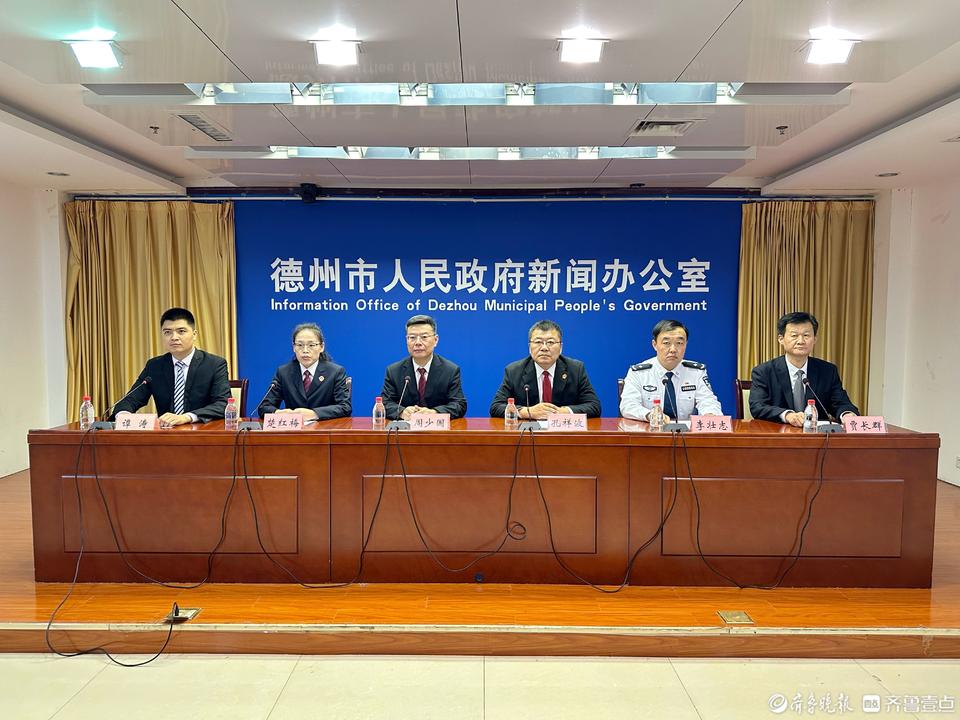
德州市法院“出招”,为中小微企业诉讼服务提质增效
Qi Lu Wan Bao Wang· 2025-06-24 10:30
Group 1 - The core viewpoint of the news is the introduction of measures by Dezhou to optimize the legal business environment, focusing on protecting the legitimate rights and interests of enterprises and enhancing judicial efficiency [1][3]. - The establishment of a linkage center for commercial dispute cases aims to streamline the process across the stages of filing, trial, and execution, creating a "green channel" for enterprise-related disputes [3][4]. - The court has implemented a specialized filing window for commercial contract disputes, allowing for differentiated processing of cases based on complexity, thereby expediting the filing and preservation guidance [3][4]. Group 2 - The court promotes mediation during the trial phase to encourage timely compliance by parties, with compliant enterprises being added to a creditworthiness list to enhance their market opportunities [4]. - A dedicated person is assigned to connect with the trial department for rapid case filing and execution initiation, utilizing flexible enforcement methods to minimize the impact of litigation on business operations [4]. - The court aims to ensure quick filing, trial, resolution, and execution of cases, significantly reducing the time from application to execution payment, thereby creating a more stable, fair, transparent, and predictable legal business environment for enterprises in Dezhou [4].
南京中院出台优化法治营商环境16条举措
Jiang Nan Shi Bao· 2025-06-18 13:55
Core Viewpoint - The Nanjing Intermediate People's Court has introduced the "Sixteen Measures to Continuously Optimize the Legal Business Environment" to enhance the business environment through legal means, focusing on equal protection, precise judicial services, maintaining market competition order, and ensuring fair and civilized judicial practices [1][2][3][4]. Group 1: Equal Protection of Rights - The measures emphasize the principle of equal protection under the law, safeguarding the legitimate rights and interests of business entities, particularly small and micro enterprises, by preventing their disadvantaged position in litigation [2]. - Initiatives include the "Commercial Judge Assisting Small and Micro Enterprises" program and the establishment of a high-standard data resource court to support the development of a trillion-level software industry cluster [2]. Group 2: Precise Judicial Service Supply - The court aims to provide high-quality, efficient, and convenient judicial services by enhancing the interaction between judges and businesses through initiatives like "Hundred Judges Enter Enterprises" and "Hundred Entrepreneurs Enter Courts" [3]. - Mechanisms for rapid response to preservation requests and specialized execution actions for enterprise-related cases are being established to address the concerns of business entities [3]. Group 3: Maintaining Market Competition Order - The measures include the application of the "Regulations on Guaranteeing Payment to Small and Medium Enterprises" to ensure timely payments to business entities [3]. - The court will enforce policies that support fair competition, including the correction of improper market entry barriers and the regulation of malicious claims and extortion by media [3]. Group 4: Standardized and Fair Judicial Practices - The court is enhancing judicial support for major projects and improving judicial collaboration in the Yangtze River Delta region to better resolve enterprise disputes [4]. - Efforts are being made to establish a coordinated mechanism for bankruptcy disposal and to promote the trial of personal bankruptcy systems, allowing honest but financially troubled individuals to regain economic viability [4].