
智慧监管体系

Search documents
《北京市长城保护条例》3月1日起施行 参观游览区实行动态管理
Xin Lang Cai Jing· 2026-02-27 23:36
Core Viewpoint - The implementation of the "Beijing Great Wall Protection Regulations" starting March 1 emphasizes a comprehensive protection approach for the Great Wall, integrating its physical structure, cultural heritage, and surrounding environment into a systematic protection and utilization framework [1][2]. Group 1: Legislative Enhancements - The new regulations elevate the protection of the Great Wall from government rules to local legislation, establishing a systematic protection mechanism that includes the Great Wall itself, related cultural heritage, and its environment [2]. - The regulations promote a collaborative protection model among Beijing, Tianjin, and Hebei, enhancing multi-departmental governance and local responsibility for daily monitoring and inspections [2]. Group 2: Technological Integration - The regulations introduce a "smart" protection approach, utilizing technology for real-time monitoring and risk assessment of the Great Wall and its environment through remote sensing and 3D modeling [3][4]. - A digital archive platform will be established to document the Great Wall's characteristics and protection status, supporting restoration design and risk management [3]. Group 3: Cultural Utilization and Public Engagement - A new chapter on "Utilization and Transmission" in the regulations aims to create a management system for visitor areas, allowing for the gradual opening of certain sections of the Great Wall to the public while ensuring preservation [5]. - The development of a 16.5-kilometer tourist route is underway, connecting various sections of the Great Wall, with plans for additional themed tourism routes to enhance public engagement and cultural transmission [6].
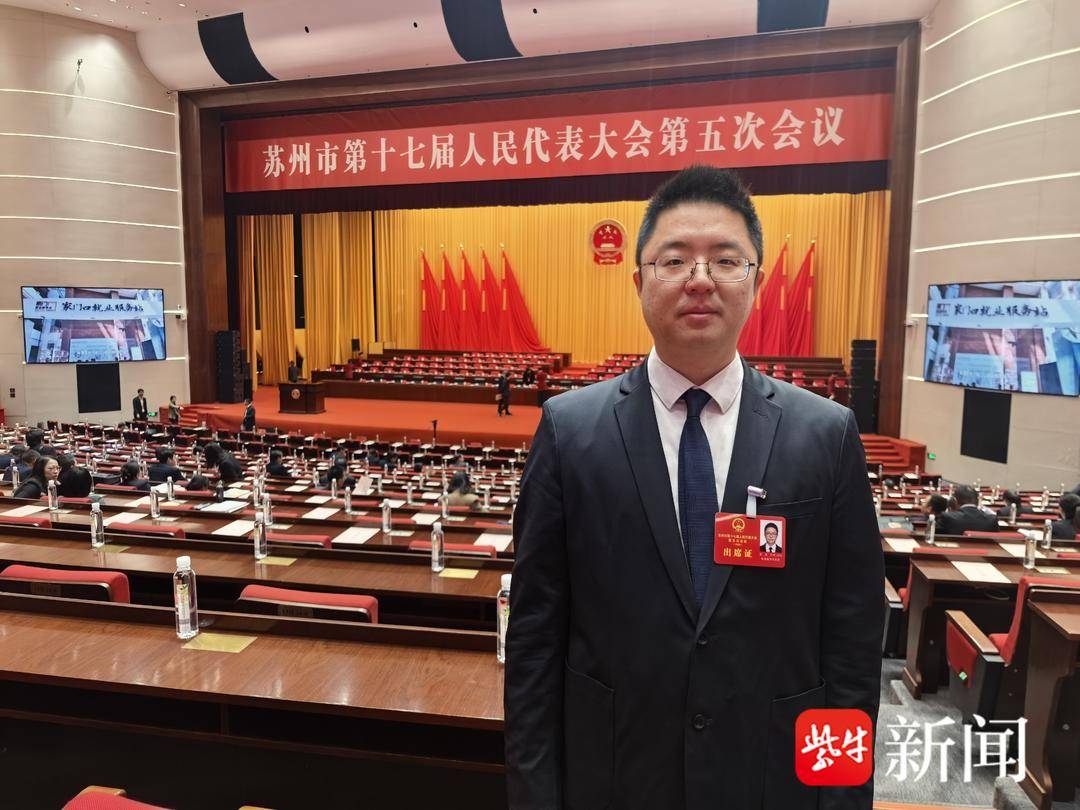
苏州市人大代表奚涛:构建智慧监管体系,守护食用农产品安全
Yang Zi Wan Bao Wang· 2026-01-25 11:17
Core Viewpoint - The importance of optimizing the safety regulation of edible agricultural products through digital technology is emphasized as a crucial public welfare project [1]. Group 1: Challenges in Agricultural Product Regulation - Current agricultural product regulation faces challenges such as long supply chains and inconsistent standards [3]. - For instance, the certification styles for local agricultural products vary, and there are instances of self-reporting, complicating source regulation and traceability [3]. Group 2: Systematic Suggestions for Improvement - It is suggested that agricultural and rural departments strengthen source control and unify qualification certificates [3]. - Market regulatory departments should increase inspection frequency and enhance intelligent detection capabilities [3]. - The commerce department is advised to focus on key areas such as bulk transactions for improved regulation [3]. Group 3: Data Sharing and Technological Integration - The key to improvement lies in breaking down data barriers, promoting inter-departmental sharing of production and sales data [3]. - A unified smart traceability regulatory platform should be established using big data technology to achieve traceability from source to destination [3]. Group 4: Modern Regulatory System - Building a modern regulatory system is deemed essential for ensuring citizens' food safety and enhancing urban governance [3]. - The aim is to create practical and scalable experiences in this field through a dual approach of institutional and technological advancements [3].


通州首个远程异地分散评标完成
Xin Lang Cai Jing· 2025-12-23 10:48
Group 1 - The core viewpoint of the article highlights the successful completion of the first remote and decentralized evaluation project in Tongzhou District, showcasing an innovative approach to optimize the business environment in construction project bidding [1][2] - The project involves the construction of a dual-energy coupling heating system that integrates deep geothermal wells and municipal heating, including various engineering components such as geothermal wells, heat pump systems, and control systems [1] - The evaluation process utilized a fully electronic system that enabled cross-regional expert collaboration, ensuring fairness and transparency in the bidding process through real-time digital supervision [1][2] Group 2 - The district's construction committee emphasized that this remote evaluation marks a significant leap from "full-process electronic transactions" to "full-network cross-regional online transactions," enhancing supervisory effectiveness and breaking geographical limitations [2] - Future plans include strengthening cross-regional cooperation in public resource transactions and establishing a more intelligent, efficient, and fair trading environment, contributing to the development of a "digital government" [2]
税收红利重塑产业布局 征管环节将开放而有序
证券时报· 2025-12-18 00:00
Core Viewpoint - The unique tax system of "zero tariffs, low tax rates, and simplified tax structure" is a competitive advantage for Hainan Free Trade Port, which will release greater policy dividends as the island officially closes its borders for operations [1]. Tax Policy and Industry Transformation - A series of tax incentives exclusive to Hainan Free Trade Port will gradually reshape the commodity circulation and industrial layout after the island's closure. The "zero tariff" policy will shift to a negative list model, exempting goods not listed from tariffs, increasing the number of tariff-exempt items from 1,900 to approximately 6,600, covering 74% of production materials, a 53% increase from before the closure [6]. - The policy for duty-free domestic sales of processed goods with a value-added rate of 30% will be further optimized, removing the requirement that 60% of the main business income must come from encouraged categories, thus broadening the scope of beneficiaries [6]. - The tax advantages will significantly lower the procurement costs for enterprises importing raw materials and intermediate goods, enhancing profitability through the use of zero-tariff investment goods [6]. Industrial Layout Changes - The tax policies will fundamentally change the industrial layout of Hainan, transitioning from a "multi-point distribution" model to a "core agglomeration area + regional collaboration" model centered around key parks. Industries such as raw material-dependent manufacturing, deep processing of agricultural products, and biomedicine are expected to benefit significantly [7]. Policy Synergy and Efficiency - The combination of "zero tariffs" and duty-free domestic sales for processed goods will create a supportive policy framework for enterprise development. The shift from a "positive list" to a "negative list" management model will enhance customs efficiency and provide a solid institutional guarantee for the free flow of goods [8]. Defining Legal Benefits - Hainan is establishing an "open and orderly" tax environment through clear definitions of eligibility for tax benefits, anti-tax avoidance clauses, transparency, and strict anti-money laundering mechanisms. The core requirement of "substantive operation" distinguishes Hainan from traditional "tax havens," ensuring that tax benefits are closely linked to real economic activities [10]. Simplified Tax System Reform - The ongoing "simplified tax system" reform aims to enhance Hainan's global competitiveness by consolidating various taxes into a sales tax, which will be levied at the retail stage for goods and services. This reform is being advanced cautiously and in phases [12]. - The reform will require transitional policies to allow for tax deductions or refunds on pre-reform inventory, and careful design of sales tax rates to prevent arbitrage due to price discrepancies [12][13]. Regulatory Framework - To address potential issues arising from the simplified tax system, a "three-chain integration" regulatory framework is proposed, promoting the upload of supply chain information, dynamic monitoring of financial flows, and the use of blockchain for invoicing [13].

税收红利重塑产业布局 征管环节将开放而有序
Zheng Quan Shi Bao· 2025-12-17 19:16
Core Insights - The unique tax system of "zero tariffs, low tax rates, and simplified tax structure" is a competitive advantage for Hainan Free Trade Port, which will release greater policy dividends as the island officially operates under customs closure [1] - Hainan is building an "open and orderly" tax environment to attract global resources while preventing systemic risks, achieving the dual goals of "loose management and strict control" [1] Tax Policy Changes - The "zero tariff" policy will shift to a negative list model post-customs closure, expanding the number of tariff-exempt goods from 1,900 to approximately 6,600, covering 74% of production materials, a 53% increase from before [2] - The policy for duty-free domestic sales of processed goods with a value-added rate of 30% will be optimized, removing the requirement for a 60% revenue share from encouraged main business activities, thus broadening the scope of beneficiaries [2] - The tax advantages will significantly lower procurement costs for enterprises importing raw materials and production equipment, enhancing profit margins for manufacturing [2] Industrial Transformation - The tax policies will fundamentally change Hainan's industrial layout, transitioning from a "multi-point distribution" model to a "core agglomeration area + regional collaboration" model [3] - Key sectors such as raw material-dependent manufacturing, deep processing of agricultural products, and biomedicine are expected to benefit significantly, potentially forming high-end manufacturing and specialty agricultural processing zones [3] - The shift from a "positive list" to a "negative list" management model will enhance customs efficiency and provide a solid institutional guarantee for the free flow of goods [3] Regulatory Framework - Hainan is establishing a transparent and orderly tax environment through defined eligibility criteria, anti-tax avoidance clauses, and strict anti-money laundering mechanisms [4] - The core requirement of "substantive operation" distinguishes Hainan from traditional tax havens, ensuring that tax incentives are closely linked to real economic activities [4][5] Simplified Tax System - The upcoming "simplified tax system" reform aims to promote offshore trade by consolidating various taxes into a sales tax, which will be levied at the retail stage for goods and services [6] - A transitional policy is suggested to allow tax deductions or refunds for pre-reform inventory, preventing tax arbitrage [6] - A "three chains integrated" regulatory system is proposed to enhance monitoring of supply chains, financial flows, and invoicing, ensuring compliance and market inclusivity [7]
无事不打扰 监管更精准——浙江“综合查一次”改革一线见闻(法治头条·优化法治化营商环境)
Ren Min Ri Bao· 2025-07-30 23:03
Core Viewpoint - The "comprehensive inspection once" reform has significantly improved the efficiency of administrative inspections for enterprises, reducing unnecessary checks and allowing businesses to focus more on their operations [1][3][9]. Group 1: Reform Implementation - The reform has introduced a unified inspection approach where multiple departments coordinate to conduct inspections simultaneously, reducing the frequency of checks [2][3]. - Enterprises now receive advance notifications about inspections, allowing them to prepare adequately [2][3]. - The total number of administrative inspections has decreased significantly, benefiting both enterprises and enforcement agencies [3][9]. Group 2: Digitalization and Efficiency - Digital tools such as remote monitoring and online regulatory systems have enhanced the efficiency of inspections, minimizing disruptions to business operations [4][5]. - A smart regulatory system based on IoT has been established, allowing real-time monitoring of various compliance metrics [5][6]. - The use of digital platforms enables better data management and risk assessment, leading to more targeted inspections [5][6]. Group 3: Service Orientation - The reform emphasizes a service-oriented approach, where inspections are combined with guidance and support for businesses [7][8]. - Enforcement agencies are moving towards a model that prioritizes compliance assistance over punitive measures, fostering a cooperative relationship with enterprises [8][9]. - The goal is to create a balanced regulatory environment that supports business growth while ensuring compliance with laws [8][9]. Group 4: Future Goals - By 2027, the aim is to have 80% of joint inspections implemented across various departments and levels, with a gradual increase in non-site inspections [9][10]. - The focus will remain on maintaining a law-based business environment that reassures enterprises and encourages development [9][10].
让“地球之肾”永葆生机——各地加强湿地保护综述
Xin Hua Wang· 2025-07-24 10:38
Core Viewpoint - The 15th Conference of the Parties to the Ramsar Convention on Wetlands is being held in Zimbabwe, emphasizing the importance of wetlands as critical ecosystems and highlighting China's efforts in wetland protection and management [1] Legal Framework and Protection Measures - China's legal framework for wetland protection has been continuously improved, with the Wetland Protection Law and various provincial regulations providing strong legal support [2] - A hierarchical management system for wetlands has been established, with 82 designated international important wetlands, 22 certified international wetland cities, 58 recognized national important wetlands, and 1205 provincial important wetlands [2] Technological Innovations in Wetland Management - Advanced technology plays a crucial role in wetland protection, including the installation of sound monitoring systems and AI-driven cameras for bird species identification and monitoring [3] - Heilongjiang has developed an integrated smart regulatory system combining satellite remote sensing, drone inspections, and ground monitoring for dynamic management of wetland resources [3] Economic Value and Utilization of Wetlands - Wetlands in China contain approximately 270 million tons of freshwater and various biological resources, leading to significant economic value through ecological agriculture, product processing, and eco-tourism [4] - The Liaohe Estuary Wetland has implemented a "waterbird-friendly" rice-crab co-cultivation practice, producing specialty rice and crabs while providing feeding grounds for migratory birds [4] Community Engagement and Public Awareness - Public participation is essential for wetland protection, with initiatives aimed at enhancing community awareness and involvement in wetland conservation [6] - Cities like Hangzhou and Guangzhou have integrated wetland experiences into urban life, promoting ecological activities and community engagement [6] Future Directions in Wetland Protection - The National Forestry and Grassland Administration plans to implement the Wetland Protection Law comprehensively, focusing on the establishment of protection and monitoring systems, and promoting high-quality development of wetland conservation [7]