
正风肃纪反腐

Search documents
中国共产党第二十届中央纪律检查委员会第五次全体会议公报
证监会发布· 2026-01-14 08:38
Core Viewpoint - The article emphasizes the importance of strengthening the Party's self-revolution and advancing strict governance to ensure the successful implementation of the "15th Five-Year Plan" goals, highlighting the need for political supervision, anti-corruption efforts, and the establishment of a clean governance culture [2][3][4]. Group 1: Political Supervision - The meeting calls for enhancing political supervision to unify the Party's efforts in achieving the "15th Five-Year Plan" goals, emphasizing the need for Party members to adhere to correct performance views and maintain political discipline [7]. - It stresses the importance of timely supervision to ensure the smooth start of the "15th Five-Year Plan" and the implementation of strategic deployments related to high-quality development and common prosperity [7]. Group 2: Anti-Corruption Measures - The meeting outlines a commitment to deepening the fight against corruption, particularly in key sectors such as finance, state-owned enterprises, and education, while addressing new forms of corruption and ensuring accountability [4][9]. - It emphasizes the need for a comprehensive approach to prevent corruption, including legal reforms and the establishment of a transparent and accountable governance system [10]. Group 3: Cultural and Institutional Reforms - The article highlights the importance of promoting a culture of integrity and the implementation of a three-year action plan for building a clean governance culture, aiming to eliminate the conditions that foster corruption [6][10]. - It calls for the establishment of long-term mechanisms to address issues of corruption and misconduct at the grassroots level, enhancing community supervision and engagement [10]. Group 4: Strengthening the Discipline Inspection System - The meeting emphasizes the need for the discipline inspection system to undergo reforms to improve its effectiveness and ensure compliance with legal and procedural standards [11]. - It advocates for continuous training and capacity building within the discipline inspection agencies to enhance their operational capabilities and maintain high standards of integrity [11].

持续深化风腐同查同治
Zhong Yang Ji Wei Guo Jia Jian Wei Wang Zhan· 2026-01-13 23:45
Group 1 - The current situation of the anti-corruption struggle remains severe and complex, with significant challenges in eliminating the breeding ground and conditions for corruption [1] - The emphasis on the integration of correcting undesirable work styles and combating corruption reflects a deep understanding of the practical laws of anti-corruption efforts in the new era [2] - There is a need to establish a responsibility mechanism for simultaneous investigation of corruption and undesirable work styles, ensuring that party committees and their leaders fulfill their primary responsibilities [2][3] Group 2 - The focus is on dual breakthroughs in addressing corruption and undesirable work styles, with a systematic approach to prevent issues before they arise [3] - The importance of enhancing the effectiveness of the "three no-corruption" strategy is highlighted, aiming to improve the overall efficiency of anti-corruption governance [4] - The mechanism of "one case analysis + warning education + disciplinary inspection suggestions" is proposed to address the root causes of corruption and improve the power supervision and restriction mechanisms [4]
纠风治乱 人民至上
Zhong Yang Ji Wei Guo Jia Jian Wei Wang Zhan· 2026-01-13 08:29
Group 1 - The core message of the news is the emphasis on the importance of maintaining party integrity and combating corruption, as highlighted by the television documentary "Step Forward, No Retreat" which showcases the consequences of misconduct among officials [1][2] - The documentary illustrates the intertwining of misconduct and corruption, with a focus on the need for strict enforcement of regulations and the importance of addressing both issues simultaneously [1][2] - The case of Tang Ranjian, former Minister of Agriculture, exemplifies how minor violations can lead to significant corruption, stressing the need for vigilance from the outset [1][2] Group 2 - The documentary reflects the determination of the Central Committee to uphold discipline and integrity within the party, indicating that the fight against corruption is a long-term commitment [2][3] - Public sentiment is highlighted through the reactions of citizens like Zhang Shiqian, who express hope for sustained efforts in addressing misconduct and ensuring fairness in handling violations [3][4] - The focus on pension fraud cases resonates with the public, as individuals like Yang Hongying feel reassured by the efforts of the disciplinary inspection agencies to protect their interests [4][5] Group 3 - The documentary aims to address the public's concerns about corruption and misconduct, reinforcing the party's commitment to social justice and the protection of citizens' rights [5][6] - The analysis by experts like Zhuang Deshui emphasizes the documentary's role in showcasing the government's resolve to combat corruption and its impact on grassroots governance [6]
巩固拓展深入贯彻中央八项规定精神学习教育成果
Zhong Yang Ji Wei Guo Jia Jian Wei Wang Zhan· 2026-01-13 00:33
Group 1 - The core message emphasizes the importance of institutionalizing power to ensure strict governance within the party, as highlighted by Xi Jinping's remarks at the Central Commission for Discipline Inspection meeting [1] - The implementation of the Central Eight Regulations has been a significant starting point for improving party conduct and governance since the 18th National Congress [1] - There is a call for continuous education and reinforcement of the Central Eight Regulations to ensure long-term effectiveness in improving party conduct [1] Group 2 - The "15th Five-Year Plan" period is identified as a crucial time for solidifying the foundation of socialist modernization, requiring heightened political responsibility among party members [2] - Strict measures against corruption and misconduct are necessary to maintain social and economic health, with a focus on immediate action against any signs of improper behavior [2] - There is a commitment to address issues such as hedonism and extravagance, with a focus on reducing burdens on grassroots officials to enhance their effectiveness [2] Group 3 - The persistent nature of the "Four Winds" issues indicates that improving party conduct is both a challenging and ongoing battle [3] - There is a strong emphasis on integrating party discipline with anti-corruption efforts, promoting a culture of integrity among party members [3] - The aim is to foster a robust motivation for entrepreneurship through a clean and positive atmosphere [3] Group 4 - The enforcement of the Central Eight Regulations and anti-corruption measures is framed as a long-term commitment, requiring meticulous and sustained efforts [4] - There is a focus on enhancing the depth of discipline education, particularly for young and newly promoted officials, to instill a culture of compliance [4] - The establishment of a mechanism for ongoing identification and resolution of conduct issues is essential for effective governance [4]
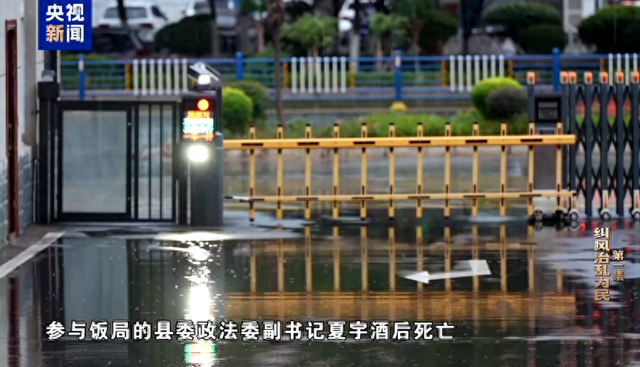
10名干部违规吃喝致1人酒后死亡,详情披露
Xin Lang Cai Jing· 2026-01-11 17:16
Core Viewpoint - The documentary emphasizes the ongoing efforts of the disciplinary inspection and supervision agencies to combat corruption and promote integrity, particularly focusing on the implementation of the Central Eight Regulations and addressing issues of misconduct and corruption that affect the public [1][2]. Group 1: Corruption and Misconduct Cases - The documentary highlights a case involving ten officials from Luoshan County, Xinyang City, who violated the Central Eight Regulations by engaging in improper dining practices, leading to severe consequences including one death and disciplinary actions against the others [3][5]. - The case illustrates a broader issue where the "Four Winds" problems persist, indicating that corruption and misconduct are still prevalent and require sustained efforts to address [1][4]. Group 2: Institutional Responses and Measures - The Central Committee has reiterated the importance of adhering to the Central Eight Regulations, emphasizing that the construction of a disciplined political environment is an ongoing process that requires continuous effort [2][12]. - In response to the incident, the Henan provincial authorities have initiated extensive educational campaigns and inspections to combat improper dining practices, establishing a mechanism for reporting issues and implementing strict regulations to prevent future occurrences [12][13]. Group 3: Public Sentiment and Impact - The public has shown strong support for the policies aimed at curbing improper dining practices, viewing them as essential for restoring integrity and trust in governance [13]. - The enforcement of the Central Eight Regulations has led to significant disciplinary actions, with over 220,000 cases reported nationwide from January to October 2025, reflecting a commitment to improving party conduct and public trust [13].
纠风治乱 人民至上——评专题片《一步不停歇 半步不退让》第一集
Zhong Yang Ji Wei Guo Jia Jian Wei Wang Zhan· 2026-01-11 16:21
Core Viewpoint - The article emphasizes the importance of maintaining party integrity and combating corruption, highlighting the need for strict adherence to regulations and the consequences of misconduct among party officials [1][2][4]. Group 1: Party Integrity and Anti-Corruption Efforts - The documentary "Step Forward, No Retreat" showcases the consequences of misconduct among party officials, reinforcing public trust in the disciplinary mechanisms [1]. - The intertwining of misconduct and corruption is identified as a significant issue, with a call for simultaneous investigation and treatment of both [1][2]. - The Central Committee's commitment to long-term efforts in enforcing the Eight Regulations is reiterated, indicating a sustained approach to improving party conduct [2][4]. Group 2: Public Perception and Community Impact - Citizens express a strong desire for fair and just handling of corruption cases, emphasizing the need for consistent enforcement regardless of the individual's position [3][4]. - The documentary highlights the positive changes in community services, particularly in elderly care, as a result of anti-corruption measures, leading to increased public confidence [4][5]. - The focus on grassroots issues and the direct impact of corruption on people's lives is underscored, with a call for continued vigilance in addressing these concerns [5].
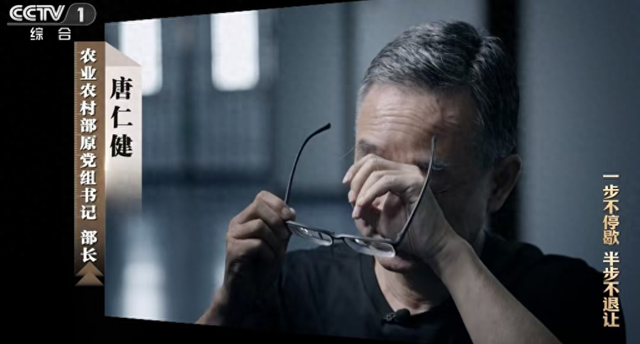
专题片剖析唐仁健案:组建“周末愉快”微信群,每到周末就召老板们吃喝
Xin Lang Cai Jing· 2026-01-11 13:07
Core Viewpoint - The documentary series emphasizes the ongoing efforts of the disciplinary inspection and supervision agencies to combat corruption and promote integrity, particularly focusing on the case of Tang Rinjian, former Minister of Agriculture and Rural Affairs, who misused his power for personal gain and engaged in corrupt practices [1][8]. Group 1: Corruption and Misconduct - Tang Rinjian's actions reflect a severe distortion of his views on power and performance, leading to the promotion of projects like the "Golden Chicken Industry" in Gansu, which were ill-suited for local conditions and resulted in significant financial waste [3][4]. - The documentary highlights Tang's extravagant lifestyle, including a "Weekend Fun" WeChat group where he socialized with business owners, leading to indirect bribery and significant financial gains for his family [5][6]. - His birthday celebrations, funded by various business owners, became events for collecting substantial monetary gifts, often exceeding 500,000 yuan each time [5][6]. Group 2: Consequences and Reforms - Following the exposure of Tang Rinjian's misconduct, the Central Commission for Discipline Inspection initiated a thorough investigation, leading to his expulsion from the party and a death sentence with a two-year reprieve for bribery [7][8]. - The case has prompted the Central Commission for Discipline Inspection to push for reforms within the Ministry of Agriculture and Rural Affairs, focusing on addressing the root causes of corruption and enhancing regulatory measures [8][9]. - The ongoing issues of corruption and misconduct within the ministry indicate that the fight against such practices will require sustained efforts to enforce discipline and integrity [9].
走到哪吃到哪,被留置的前一天晚上还喝酒到半夜!唐仁健腐败细节披露
财联社· 2026-01-11 13:03
据央视新闻,由中央纪委国家监委宣传部与中央广播电视总台央视联合摄制的电视专题片《一步不 停歇 半步不退让》,1月11日在总台央视综合频道晚8点档播出第一集《纠风治乱为民》,央视新闻 新媒体平台同步播发。 党的作风就是党的形象,关系人心向背,关系党的生死存亡。风腐交织是现阶段党风廉政建设 和反腐败斗争要着力解决的突出问题。要坚持正风肃纪反腐相贯通,深入推进风腐同查同治, 以"同查"严惩风腐交织问题,以"同治"铲除风腐共性根源,以"查""治"贯通阻断风腐演变。 农业农村部原党组书记、部长 唐仁健: 自己的教训,一定对中央的这些要求,这些纪律和规 矩,要真当回事,真不要侥幸,但现在都成为悔之晚矣的事情。 唐仁健在各种酒局、饭局之中,推杯换盏、觥筹交错,彻底放纵自我、恣意享乐,而在这背 后,藏着许多见不得光的利益勾兑。 唐仁健 : 那会儿人也熟了,一般都是比如说请吃饭喝茶聊天当中提出一些事情,这个时候就 很容易放松警惕。 涉案商人 李勇: 有些事界限模糊不清,吃吃喝喝都在一起,互相之间又人情往来也在一起,有 了利益了大家一块拿一点儿。 涉案商人 王辉: 他喜欢和大家在一起吃吃喝喝,然后打打牌、打打球,一起娱乐娱乐。大 ...

中建集团党组与驻中国建筑纪检监察组召开全面从严治党专题会商会
Xin Lang Cai Jing· 2026-01-11 12:03
1月9日,中建集团党组与中央纪委国家监委驻中国建筑纪检监察组召开全面从严治党专题会商会。集团 党组书记、董事长郑学选主持会议并讲话。集团党组副书记、董事单广袖通报集团党组2025年履行全面 从严治党主体责任情况,驻中国建筑纪检监察组组长、集团党组成员彭兴第通报派驻纪检监察组2025年 履行全面从严治党监督责任情况并作会商讲话。集团党组成员汇报"一岗双责"履职情况,股份公司领导 列席会议。 会上,驻中国建筑纪检监察组立足自身定位和职能职责,向集团党组分析通报了当前反腐败斗争总体形 势、履行全面从严治党监督责任情况,对于影响集团党风廉政建设和反腐败斗争成效、制约企业高质量 发展的重难点问题与集团党组进行会商,并提出意见建议,切实推动党组担负起管党治党主体责任,以 全面从严治党新成效保障集团高质量发展迈上新台阶。 会议要求,对派驻纪检监察组通报的问题和提出的建议,要制定针对性改进措施,逐一明确完成时限, 确保取得实效。 驻中国建筑纪检监察组,集团总部相关部门负责人列席会议。(企业文化部,驻中国建筑纪检监察组, 党组办公室供稿) 会议指出,本次会议是全面派驻改革以来第一次专题会商。过去一年,集团党组与驻中国建筑纪检监 ...

奋进开局之年丨驰而不息正风肃纪反腐
Zhong Yang Ji Wei Guo Jia Jian Wei Wang Zhan· 2026-01-11 02:56
Group 1 - The core mission of discipline inspection and supervision remains unchanged despite changes in job responsibilities, emphasizing the need for continuous learning and research to effectively address new and hidden corruption cases [1] - The importance of precise understanding of legal and political effects in case review is highlighted, ensuring that every case withstands scrutiny from practice, the public, and history [2] - The focus on grassroots supervision is essential, with an emphasis on engaging with the community to identify and address issues in public services such as education and healthcare [4] Group 2 - The role of discipline inspection in safeguarding public funds, particularly in healthcare, is underscored, with efforts to recover misappropriated funds and address urgent public concerns [3] - The commitment to enhancing the effectiveness of supervision through practical engagement and addressing community grievances is reiterated [4]