
新型电力系统

Search documents
支持光热发电项目通过发行REITs等方式盘活存量资产
Zhong Guo Zheng Quan Bao· 2025-12-23 20:18
为破解光热发电发展瓶颈,意见坚持问题和目标导向,提出一揽子政策措施,为产业规模化发展保驾领 航。在强化规划引导方面,意见提出开展资源普查、做好光热发电发展布局和产业协同发展布局的顶层 设计安排。 同时,加强应用市场培育。意见提出在大型能源基地合理配置光热发电规模,建设一批以光热发电为主 的支撑调节型电站,探索以光热电站为基础电源的源网荷储一体化系统等光热应用市场培育。 意见称,光热发电兼具调峰电源和长时储能的双重功能,能够实现用新能源调节支撑新能源,能够为电 力系统提供长周期调峰能力和转动惯量,具备在部分区域作为调峰和基础性电源的潜力,是实现新能源 安全可靠替代传统能源的有效手段,是加快构建新型电力系统的有效支撑。同时,光热发电产业链长, 规模化开发利用将成为我国新能源产业新的增长点。 ● 本报记者 欧阳剑环 国家发展改革委12月23日消息,为更好适应新能源高质量发展需求,助力加快构建新型电力系统,国家 发展改革委、国家能源局日前印发《关于促进光热发电规模化发展的若干意见》提出,支持符合条件的 光热发电项目通过发行基础设施领域不动产投资信托基金(REITs)、资产支持证券等方式,盘活存量 资产、促进投融资良性 ...
光热发电赛道再迎政策利好 上市公司布局忙
Zheng Quan Ri Bao· 2025-12-23 16:12
根据中国电力企业联合会光热分会成立大会公布的数据,2020年至2024年,我国光热发电产业年度复合 增长率达11.7%,高于全球4.24%的增速,技术装备国产化率突破95%,释放出产业加速发展的强劲信 号。 12月23日,国家发展改革委、国家能源局印发《关于促进光热发电规模化发展的若干意见》(以下简称 《意见》)。《意见》指出,光热发电兼具调峰电源和长时储能的双重功能,能够实现用新能源调节支 撑新能源,能够为电力系统提供长周期调峰能力和转动惯量,具备在部分区域作为调峰和基础性电源的 潜力,是实现新能源安全可靠替代传统能源的有效手段,是加快构建新型电力系统的有效支撑。 薪火私募投资基金管理有限公司总经理翟丹对《证券日报》记者表示,《意见》为光热发电产业规模化 发展提供了清晰的方向和可量化的标准,这不仅有助于引导资源要素高效集聚,还能加速产业和市场成 熟,进而提升我国电力系统的自主可控能力,为实现"双碳"目标提供有力保障。 政策利好持续释放 《意见》提出,到2030年,光热发电总装机规模力争达到1500万千瓦左右,度电成本与煤电基本相当; 技术实现国际领先并完全自主可控,行业实现自主市场化、产业化发展,成为新能源 ...

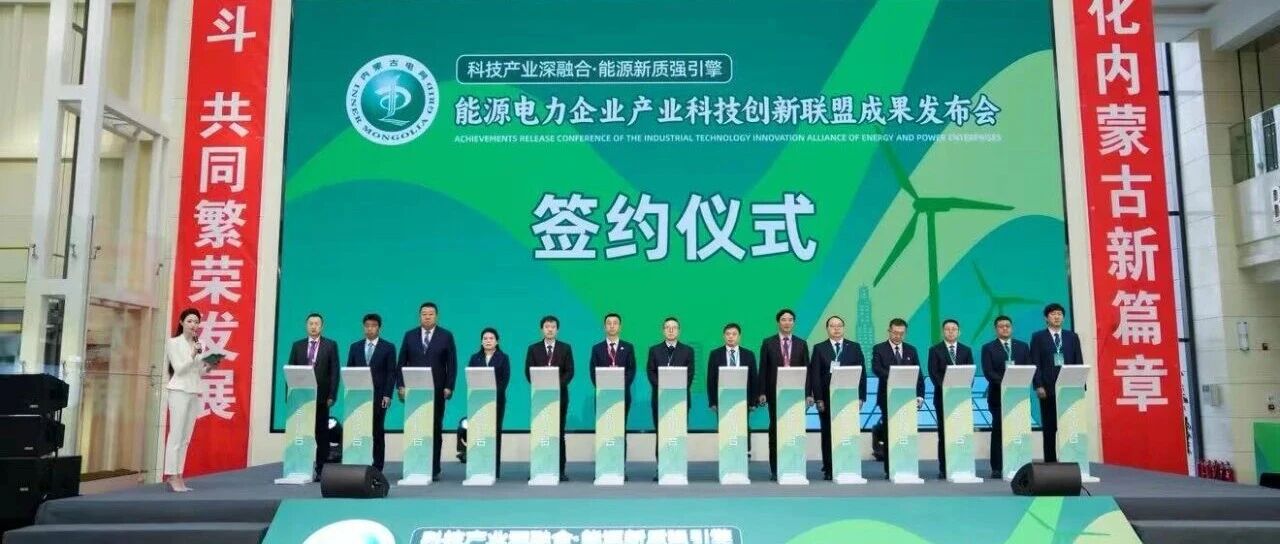
内蒙古能源电力领域创新成果集中发布
Zhong Guo Jing Ji Wang· 2025-12-23 14:17
Group 1 - The Energy and Power Industry Technology Innovation Alliance held a成果发布会 in Hohhot, Inner Mongolia, focusing on the theme of "Deep Integration of Technology and Industry, Strong Engine of New Energy Quality" [1] - The alliance, led by Inner Mongolia Power Group, was established on June 18 and includes over 70 member units from various sectors such as power generation, grid, load, energy storage, and data [1] - The event showcased the alliance's achievements in technological innovation, results transformation, and industrial collaboration, presenting a range of innovative technologies and practical cases [1] Group 2 - Inner Mongolia's renewable energy industry has gained momentum, ranking first in the country for total installed capacity, power generation, and green electricity trading scale, becoming a strong driver of economic growth in the region [2] - The alliance aims to focus on major strategic services and drive technological innovation in cutting-edge fields such as new power systems, new energy storage, and hydrogen energy, addressing critical technological challenges [2] - The alliance will collaborate on significant national and regional innovation tasks to enhance energy technology self-reliance and support national energy security and high-quality development in Inner Mongolia [2]
中国光热发电总装机规模力争到2030年达1500万千瓦左右
Zhong Guo Xin Wen Wang· 2025-12-23 09:39
中国光热发电总装机规模力争到2030年达1500万千瓦左右 中新社北京12月23日电 (记者 王梦瑶)中国国家发改委、国家能源局近日印发的《关于促进光热发电规 模化发展的若干意见》(下称《意见》)提出,到2030年,中国光热发电总装机规模力争达到1500万千瓦 左右,度电成本与煤电基本相当。 光热发电兼具调峰电源和长时储能双重功能,能够有效平抑风电、光伏发电等新能源出力的波动性,是 加快构建新型电力系统的重要支撑。经过多年发展,中国已成功掌握塔式、槽式、菲涅尔式等主流光热 发电技术,已建成全球领先的光热发电产业链,电站单位千瓦建设成本从10年前的约3万元(人民币,下 同)下降至1.5万元,度电成本降至0.6元上下,已初步具备规模化发展的基础。但另一方面,光热发展还 面临初始投资大、市场竞争能力偏弱、系统支撑调节价值未充分体现、产业技术水平仍需提升的问题。 为促进光热发电规模化发展,《意见》提出一揽子政策措施,明确2030年中国光热发电的装机规模、度 电成本、技术水平和产业建设方面等发展目标,在大型能源基地合理配置光热发电规模,建设一批以光 热发电为主的支撑调节型电站,支持光热电站通过电力市场发挥系统调节功能, ...
国家发展改革委 国家能源局关于促进光热发电规模化发展的若干意见
国家能源局· 2025-12-23 03:35
国家发展改革委 国家能源局关于促进光热发电规模化发展的若干意见 发改能源〔2025〕1645号 河北省、内蒙古自治区、吉林省、四川省、西藏自治区、甘肃省、青海省、宁夏回族自治区、新疆维吾尔自治区发展改革 委、能源局,国家能源局有关派出机构,有关电力企业: 光热发电兼具调峰电源和长时储能的双重功能,能够实现用新能源调节支撑新能源,能够为电力系统提供长周期调峰能力 和转动惯量,具备在部分区域作为调峰和基础性电源的潜力,是实现新能源安全可靠替代传统能源的有效手段,是加快构 建新型电力系统的有效支撑。同时,光热发电产业链长,规模化开发利用将成为我国新能源产业新的增长点。为更好适应 新能源高质量发展需求,助力加快构建新型电力系统,现就促进光热发电规模化发展提出以下意见。 地调节能力,增加基地绿色电量占比,降低基地平均度电碳排放量,加强新能源稳定送出,积极探索技术经济可行的光热 电站在大基地中作为支撑调节电源发挥作用。 一、总体目标 积极推进光热发电项目建设,不断拓展光热发电开发利用新场景,保障光热发电规模化发展。到2030年,光热发电总装机 规模力争达到1500万千瓦左右,度电成本与煤电基本相当;技术实现国际领先并完全 ...


报告显示:我国电力科技创新呈全面突破态势
Ke Ji Ri Bao· 2025-12-23 03:09
Core Insights - The report indicates that China's energy and electricity sector is experiencing significant breakthroughs in technological innovation, deep integration, and leading development trends [1] Investment and R&D - China's major power companies are increasing their R&D investment, with an average intensity of 2.82% in 2024, surpassing the national average of 2.68% [1] - Total investment in technological innovation reached 198.32 billion yuan, a year-on-year increase of 9.16%, with grid companies investing 51.28 billion yuan, generation companies 104.23 billion yuan, and construction companies 42.81 billion yuan [1] - The total number of research personnel in major power companies reached 237,073 in 2024, indicating an improvement in the quality of the technology talent pool [1] Achievements and Innovations - The power sector achieved notable results, winning 4 gold and 6 silver awards at the 25th Patent Awards in 2024, and accumulating 91 national science and technology awards from 2017 to 2024 [2] - The number of invention patent authorizations in major power companies reached 35,413 in 2024, reflecting a year-on-year growth of 13.5% [2] - The quality of scientific papers in the power sector is improving, with a strengthening of basic research capabilities [2] Technological Advancements - Thermal power generation is rapidly transitioning to high-efficiency, flexible, and low-carbon technologies, with breakthroughs in key technologies such as ultra-supercritical circulating fluidized bed boilers and large-scale carbon capture [2] - Hydropower and pumped storage technologies remain leading, with successful development of high-end equipment like 500 MW impact units and 700-meter high stability pumped storage units [2] - Wind power generation is trending towards larger and smarter units, with a 26 MW offshore wind turbine leading globally [2] - Photovoltaic cell conversion efficiency has repeatedly set world records, and advanced nuclear technologies like "Hualong One" and "Guohe One" are making steady progress [2] Grid and Storage Innovations - The grid sector has achieved significant results in ultra-high voltage and artificial intelligence technologies, establishing a foundation for new power systems [3] - New energy storage technologies are rapidly evolving, with developments in grid-type storage, long-duration storage, and solid-state batteries moving towards large-scale applications [3] - The deployment of energy sector "super brains" like the Dawa and Guangming power models has been initiated [3]
能源电力企业产业科技创新联盟发布创新成果
中国能源报· 2025-12-23 02:53
Core Viewpoint - The article highlights the achievements of the Energy and Power Enterprise Industry Technology Innovation Alliance, emphasizing its role in integrating technology innovation, results transformation, and industrial collaboration to address key challenges in the energy sector [2]. Group 1: Collaborative Hub - Inner Mongolia ranks high in new energy installed capacity and power generation, with new energy accounting for over 60% of installed capacity and over 30% of power generation [4]. - The alliance, led by Inner Mongolia Power Group, includes over 70 entities from generation, grid, load, storage, and academia, aiming to create a collaborative "innovation chain" [4]. - The alliance has initiated over 30 collaborative innovation projects and is involved in six major national and regional research projects, with an expected investment of over 3 billion yuan [4]. Group 2: Tackling Core Challenges - The alliance has made significant advancements in key areas such as ultra-high voltage direct current transmission, successfully developing the world's first ultra-high voltage hybrid commutation valve [8]. - In the energy storage sector, the alliance has achieved breakthroughs in vanadium flow batteries, completing a 1MW/5MWh engineering demonstration [8]. - The alliance has also made progress in smart grid technology, green hydrogen production, and the localization of key materials, enhancing the overall energy system [8]. Group 3: Empowering Future Industries - Inner Mongolia's new energy industry is rapidly developing, with total installed capacity and power generation leading the nation, becoming a strong driver of economic growth [11]. - The alliance's results align with the strategic needs of building a new power system, providing critical support for high proportions of renewable energy integration [11]. - By 2025, Inner Mongolia Power Group's new energy installed capacity is expected to exceed 90 million kilowatts, with a target of 210 million kilowatts of new energy and 40 million kilowatts of independent energy storage by 2030 [11]. - The data chain technology enhances the flexibility and operational efficiency of the power system, offering a replicable model for the digital transformation of the energy sector [11]. Group 4: Strengthening the Alliance - The alliance continues to grow, with 16 new members joining, enhancing its cohesion and influence [12]. - The new power system model developed by the alliance aims to provide valuable experiences for national energy green transformation and support Inner Mongolia's high-quality development [12].
盘中利好!两部门发布
Shang Hai Zheng Quan Bao· 2025-12-23 02:50
国家发展改革委 国家能源局关于促进 光热发电规模化发展的若干意见 发改能源〔2025〕1645号 国家发展改革委、国家能源局发布《关于促进光热发电规模化发展的若干意见》。其中提出,积极推进 光热发电项目建设,不断拓展光热发电开发利用新场景,保障光热发电规模化发展。到2030年,光热发 电总装机规模力争达到1500万千瓦左右,度电成本与煤电基本相当;技术实现国际领先并完全自主可 控,行业实现自主市场化、产业化发展,成为新能源领域具有国际竞争优势的新产业。 以下为原文: 河北省、内蒙古自治区、吉林省、四川省、西藏自治区、甘肃省、青海省、宁夏回族自治区、新疆维吾 尔自治区发展改革委、能源局,国家能源局有关派出机构,有关电力企业: 光热发电兼具调峰电源和长时储能的双重功能,能够实现用新能源调节支撑新能源,能够为电力系统提 供长周期调峰能力和转动惯量,具备在部分区域作为调峰和基础性电源的潜力,是实现新能源安全可靠 替代传统能源的有效手段,是加快构建新型电力系统的有效支撑。同时,光热发电产业链长,规模化开 发利用将成为我国新能源产业新的增长点。为更好适应新能源高质量发展需求,助力加快构建新型电力 系统,现就促进光热发电规 ...
两部门:到2030年光热发电总装机规模力争达到1500万千瓦左右,度电成本与煤电基本相当
Jin Rong Jie· 2025-12-23 02:50
12月23日,国家发改委、国家能源局发布《关于促进光热发电规模化发展的若干意见》,其中提出,积 极推进光热发电项目建设,不断拓展光热发电开发利用新场景,保障光热发电规模化发展。 河北省、内蒙古自治区、吉林省、四川省、西藏自治区、甘肃省、青海省、宁夏回族自治区、新疆维吾 尔自治区发展改革委、能源局,国家能源局有关派出机构,有关电力企业: 光热发电兼具调峰电源和长时储能的双重功能,能够实现用新能源调节支撑新能源,能够为电力系统提 供长周期调峰能力和转动惯量,具备在部分区域作为调峰和基础性电源的潜力,是实现新能源安全可靠 替代传统能源的有效手段,是加快构建新型电力系统的有效支撑。同时,光热发电产业链长,规模化开 发利用将成为我国新能源产业新的增长点。为更好适应新能源高质量发展需求,助力加快构建新型电力 系统,现就促进光热发电规模化发展提出以下意见。 一、总体目标 到2030年,光热发电总装机规模力争达到1500万千瓦左右,度电成本与煤电基本相当;技术实现国际领 先并完全自主可控,行业实现自主市场化、产业化发展,成为新能源领域具有国际竞争优势的新产业。 原文如下: 国家发展改革委 国家能源局关于促进 光热发电规模化发 ...
两部门:到2030年 光热发电度电成本与煤电基本相当
2 1 Shi Ji Jing Ji Bao Dao· 2025-12-23 02:16
Core Viewpoint - The National Development and Reform Commission and the National Energy Administration have issued opinions to promote the large-scale development of solar thermal power generation, aiming for a total installed capacity of approximately 15 million kilowatts by 2030, with costs comparable to coal power and achieving international technological leadership [1][3]. Group 1: Overall Goals - The goal is to actively promote the construction of solar thermal power projects and continuously expand new scenarios for its development and utilization [3]. - By 2030, the total installed capacity of solar thermal power is targeted to reach around 15 million kilowatts, with the cost per kilowatt-hour being comparable to that of coal power [3]. - The industry aims to achieve international leadership in technology and fully autonomous control, becoming a new industry with international competitive advantages in the renewable energy sector [3]. Group 2: Planning and Guidance - A comprehensive resource survey for solar thermal power will be conducted, establishing a database to assess solar thermal resources and ensure timely updates [4]. - The planning layout for solar thermal power will be improved, considering regional energy needs and resource endowments, to develop targeted projects [5]. - Collaborative layouts between solar thermal power and other industries will be encouraged, integrating it with sectors like mineral resource development and battery manufacturing [5]. Group 3: Market Development - The application market for solar thermal power will be actively cultivated, promoting its integration into various energy systems [6]. Group 4: Support for New Power Systems - Solar thermal power will play a crucial role in supporting new power systems, enhancing frequency regulation, voltage control, and providing backup power capabilities [9]. - The capacity for deep peak shaving and load adjustment will be leveraged to improve the overall regulation capability of the power system [9]. Group 5: Technological and Industrial Innovation - The promotion of high-parameter, large-capacity solar thermal power technology will be gradually advanced, with a focus on developing 300,000-kilowatt solar thermal power plants [10]. - Key technological breakthroughs will be accelerated to reduce costs and improve efficiency in the solar thermal industry [10]. - A collaborative development mechanism will be established to promote high-quality development in the solar thermal industry [11]. Group 6: Policy Support Mechanisms - Increased policy support will be provided for solar thermal power projects, including financing options like REITs and asset-backed securities [13]. - Fair participation in the electricity market will be promoted, with mechanisms to ensure stable operation and market competitiveness [13]. - A green revenue system will be established to enhance the economic viability of solar thermal power projects [14].