
三不腐

Search documents
魏建锋在湖南湘江新区调研时强调 深学细悟党的二十届四中全会精神 以正风肃纪反腐为高质量发展提供有力保障
Chang Sha Wan Bao· 2025-10-29 02:02
Core Points - The article emphasizes the importance of implementing the spirit of the 20th Central Committee's Fourth Plenary Session, focusing on political responsibility in party governance and the fight against corruption [1][2] - It highlights the need for effective political supervision to ensure the implementation of major decisions made by the Central Committee [2] Group 1 - The necessity of deepening the understanding of the 20th Central Committee's Fourth Plenary Session spirit and using Xi Jinping's thoughts to guide all work in discipline inspection and supervision [1] - The call for strengthening daily supervision and enhancing the effectiveness of oversight mechanisms to prevent minor issues from escalating [2] - The commitment to a robust anti-corruption campaign, emphasizing the need for a comprehensive approach to address both corruption and misconduct at the grassroots level [2] Group 2 - The focus on promoting the "Three Transformations" construction year action to build a strong discipline inspection and supervision team [2] - The importance of addressing public concerns regarding corruption and ensuring the effective handling of livelihood issues [2] - The encouragement for party members to take bold actions while adhering to regulations and discipline [2]
国网玛纳斯县供电公司:多维发力深化以案促改 筑牢作风建设防线
Zhong Guo Neng Yuan Wang· 2025-10-24 11:00
Core Viewpoint - The company is focused on deepening the "case-driven reform" initiative to enhance the "three non-corruption" work mechanism, aiming to strengthen political integrity and improve work style through comprehensive measures [1][2] Group 1: Political Foundation - The company emphasizes political guidance, placing organizational supervision responsibilities at the forefront [1] - A total of 20 items for the leadership team's responsibility list and 20 items for functional departments have been established, along with 15 key points for implementing main responsibilities and 8 for supervisory responsibilities [1] - The approach includes detailed responsibility division and enhanced organizational leadership to ensure precise advancement of the case-driven reform work [1] Group 2: Problem-Solving Strategies - The company adopts a problem-oriented principle, focusing on self-inspection and rectification of issues identified during "city inspection and county" activities [1] - Issues are broken down into detailed lists with customized rectification measures, utilizing various educational activities to promote learning from typical case studies [1] - The goal is to transform the mindset of employees from passive observers to active participants in reform, achieving a ripple effect of education and awareness [1] Group 3: Quality Improvement and Efficiency - The company aims to enhance quality and efficiency by anchoring its main responsibilities and leveraging typical case experiences [2] - All party members are included in supervisory groups to maximize their role in supervision and model behavior [2] - A "responsibility area" is established through a "package" model to engage key individuals in leading broader participation [2] Group 4: Future Directions - The company plans to continue deepening the case-driven reform initiative while integrating the education of the central eight regulations [2] - There is a commitment to consolidating the new achievements of strict party governance to ensure the sustainable and healthy development of the company and the power grid [2]
书记谈丨持续深化法治领域政治监督
Zhong Yang Ji Wei Guo Jia Jian Wei Wang Zhan· 2025-10-23 00:10
Group 1 - The importance of strengthening political supervision is emphasized as a crucial guarantee for fulfilling the responsibilities assigned by the Party Central Committee [3][4] - Political supervision is seen as a key tool to eliminate the breeding ground for corruption, requiring a comprehensive approach to prevent corruption and enhance political construction [3][4] - The role of the disciplinary inspection and supervision agencies is highlighted as essential for high-quality development, focusing on both case handling and supervision responsibilities [4][5] Group 2 - The implementation of Xi Jinping's important speeches and directives is identified as a primary political requirement that must be strictly adhered to [6] - The focus on political issues in supervision aims to address corruption and misconduct that directly affect the public, ensuring that the needs and concerns of the people are prioritized [7] - The commitment to maintaining political discipline and rules is underscored, with an emphasis on correcting political deviations and fostering a positive political environment [8]


学习贯彻二十届中央纪委四次全会精神丨充分发挥“四种形态”层层设防作用
Zhong Yang Ji Wei Guo Jia Jian Wei Wang Zhan· 2025-10-16 01:05
Core Points - The article emphasizes the importance of early detection and correction of issues in the supervision of public officials, particularly in the context of corruption prevention [3][4][5] - It highlights the implementation of the "Four Forms" as a framework for supervision, aiming to create a multi-layered defense against corruption [6][7] - The article discusses the integration of technology in supervision, utilizing big data and AI to enhance the effectiveness of oversight [6][10] Group 1 - The focus is on proactive supervision to prevent minor issues from escalating into major problems, advocating for a mechanism that allows for early detection and resolution [4][5] - Emphasis is placed on daily supervision practices, including various methods such as receiving reports, conducting interviews, and monitoring key personnel [5][9] - The article calls for a comprehensive and coordinated supervision system that integrates various forms of oversight, including party supervision and public scrutiny [6][9] Group 2 - The need for a robust system of accountability is stressed, with a focus on the responsibilities of party leaders and the importance of a clear chain of command [9][10] - The article advocates for a dual approach of punishment and prevention, aiming to eliminate the conditions that foster corruption through systemic reforms [7][8] - It highlights the significance of institutional frameworks to regulate power operations and minimize opportunities for corruption [8][10]
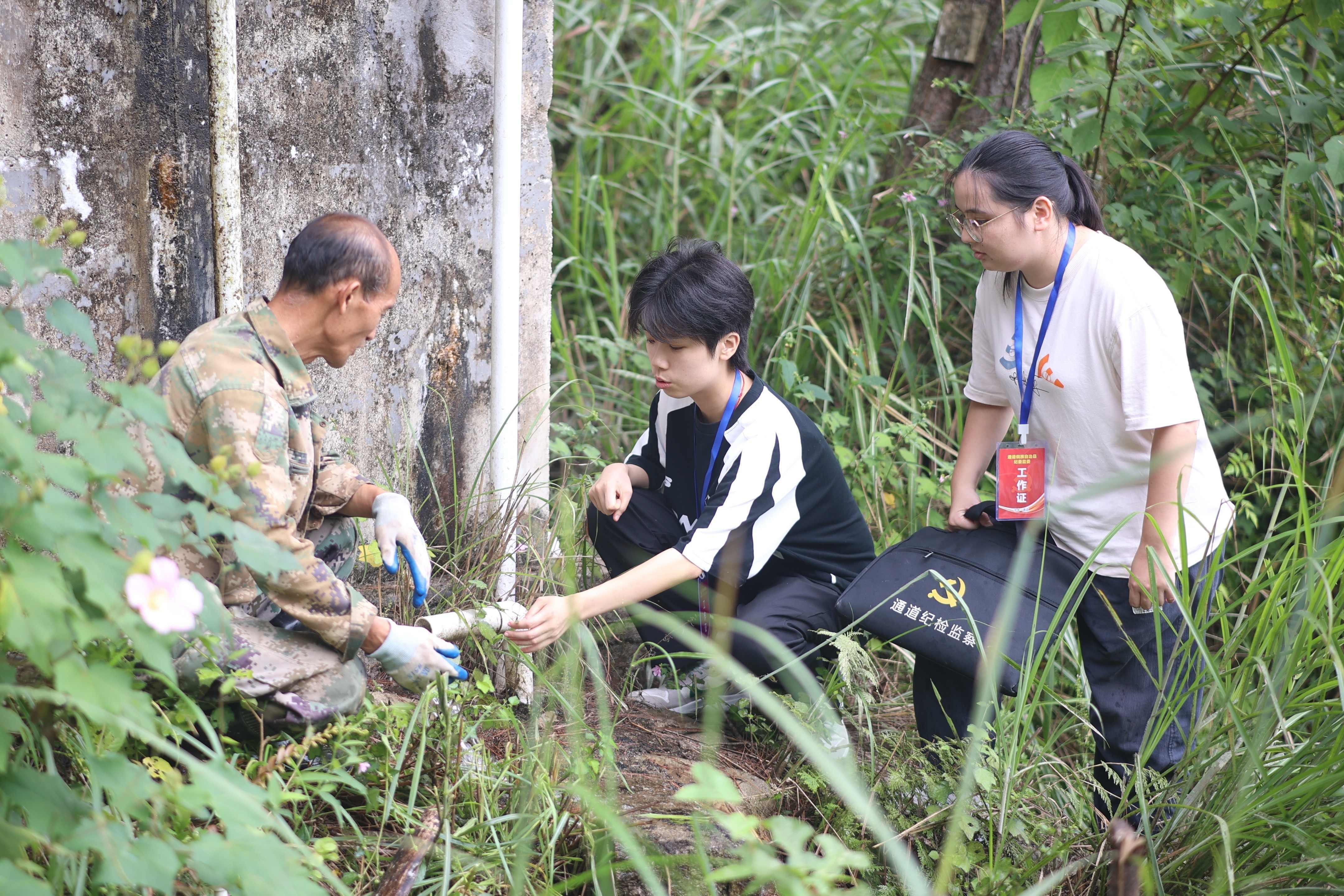
新疆纪检监察机关深入学习习近平总书记重要讲话精神 营造风清气正政治生态
Zhong Yang Ji Wei Guo Jia Jian Wei Wang Zhan· 2025-10-08 23:49
Group 1 - The core message emphasizes the importance of Xi Jinping's speech in guiding the work of the discipline inspection and supervision agencies in Xinjiang, ensuring high-quality development in this area [1] - The focus is on the "two safeguards" as the fundamental task of strengthening political supervision, with an emphasis on implementing Xi Jinping's important speech and the overall strategy for governing Xinjiang [1][2] - The discipline inspection agencies are tasked with making the study and implementation of Xi Jinping's speech a top priority, utilizing various methods to promote learning among officials [2] Group 2 - The approach to combating corruption involves a systematic strategy that integrates both prevention and punishment, ensuring a comprehensive response to issues of corruption and misconduct [2] - The commitment to maintaining a people-centered approach is highlighted, with a focus on addressing the concerns of the public and improving their livelihoods [3] - The need for a strong and disciplined team within the inspection agencies is emphasized, with initiatives aimed at enhancing the capabilities and integrity of the workforce [4] Group 3 - The importance of self-revolution within the party is underscored, with discipline inspection agencies playing a crucial role in this process [4] - Continuous efforts to combat corruption are framed as an ongoing journey, with a commitment to high-quality supervision and enforcement to ensure the implementation of Xi Jinping's directives in Xinjiang [4]
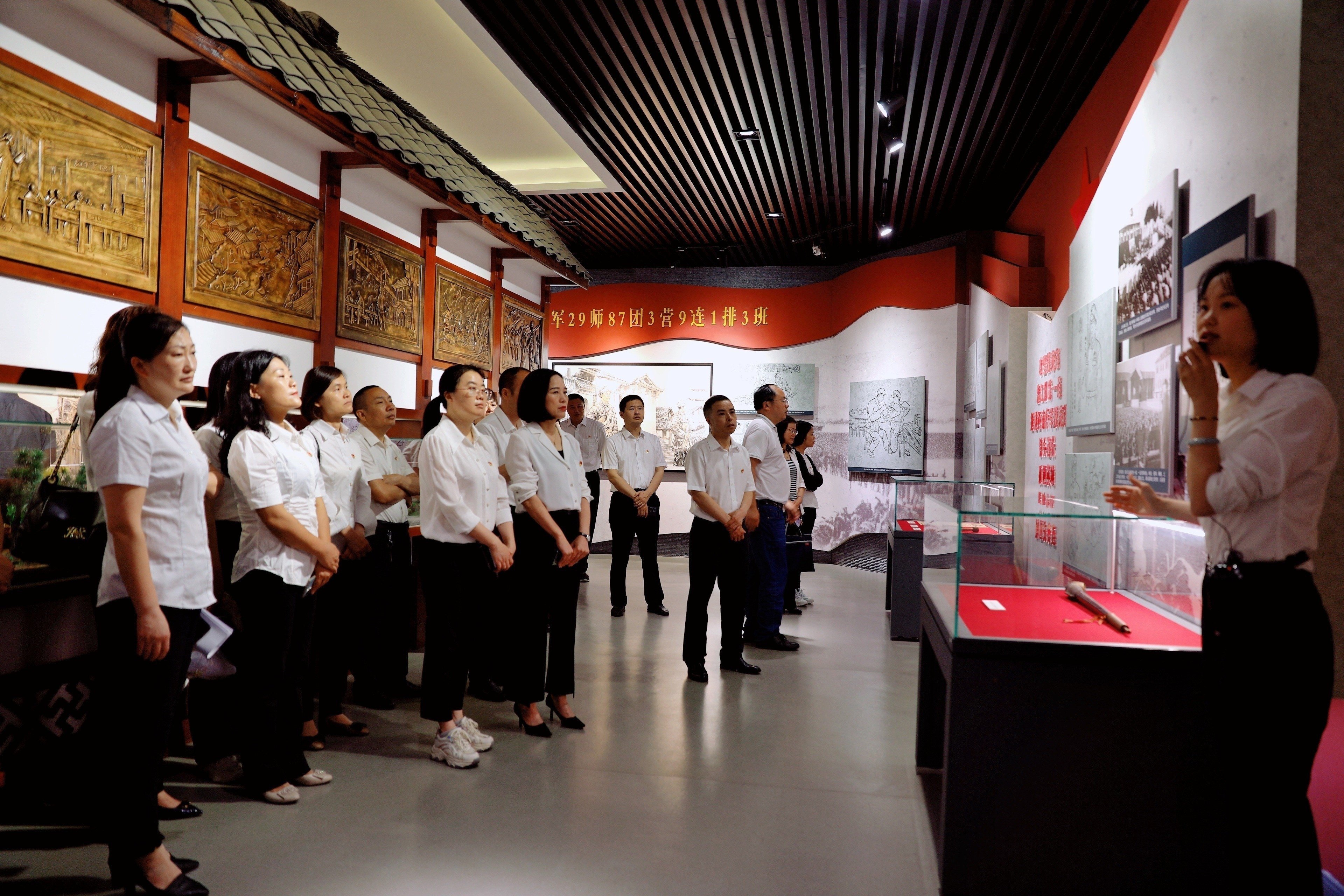
挖掘案例资源 做实警示教育
Zhong Yang Ji Wei Guo Jia Jian Wei Wang Zhan· 2025-09-17 00:30
Core Viewpoint - The Chongqing Tongliang District Discipline Inspection Commission emphasizes the importance of warning education as a crucial aspect of strict party governance, aiming to transform compliance into political, ideological, and behavioral self-awareness among party members [3][4][5]. Group 1: Warning Education Implementation - The district's commission utilizes local red resources to enhance discipline awareness and self-restraint among party members through various educational activities [3][4]. - A comprehensive approach is taken to conduct warning education, including analyzing recent disciplinary cases to identify key educational moments and themes [4][6]. - The commission has compiled 165 typical cases related to violations of party discipline and national laws, which are used for educational purposes across various party organizations [6][8]. Group 2: Continuous Education Mechanism - Warning education is not a one-time event but a continuous process, integrating regular education with concentrated efforts to strengthen discipline awareness [6][9]. - The commission has established a collaborative mechanism involving various departments to ensure the systematic implementation of warning education [9]. - The integration of positive role models and historical figures, such as martyr Qiu Shaoyun, is used to enhance the educational impact and promote a culture of discipline [9].
纪检监察工作高质量发展·践悟丨形成办案、治理、监督、教育闭环
Zhong Yang Ji Wei Guo Jia Jian Wei Wang Zhan· 2025-09-16 00:29
Core Viewpoint - The articles emphasize the importance of a systematic approach to combat corruption and misconduct at the grassroots level, highlighting the need for integrated efforts across various departments and levels of government to ensure effective governance and accountability [5][6][7][8]. Group 1: Systematic Thinking and Integrated Governance - The concept of "systematic thinking" is crucial for linking investigation, governance, supervision, and education, allowing for a comprehensive approach to address corruption [6][7]. - The integration of various departments and the establishment of a collaborative mechanism are essential for effective supervision and governance, transforming isolated efforts into a coordinated strategy [9][10][11]. - The implementation of a "one chess game" mindset promotes information sharing and the establishment of a work structure that integrates investigation, governance, supervision, and education [12][13]. Group 2: Strengthening Accountability and Responsibility - The articles discuss the need to enhance accountability by establishing clear responsibilities among different stakeholders, ensuring that all parties are engaged in the fight against corruption [14][15]. - A focus on "case promotion" and "remediation" is highlighted, with mechanisms in place to ensure that lessons learned from investigations lead to systemic improvements [13][14]. - The establishment of a dual leadership mechanism for special rectification efforts ensures that both the disciplinary inspection and relevant departments work together effectively [15]. Group 3: Practical Measures and Collaborative Efforts - The articles outline practical measures such as regular meetings, information sharing, and joint supervision to enhance collaboration among various departments [11][12]. - Specific examples of successful initiatives, such as the rectification of issues in the "campus meal" sector and the management of rural collective assets, demonstrate the effectiveness of a coordinated approach [8][9]. - The emphasis on continuous improvement and feedback loops ensures that the governance framework remains responsive to emerging challenges and public concerns [10][12].
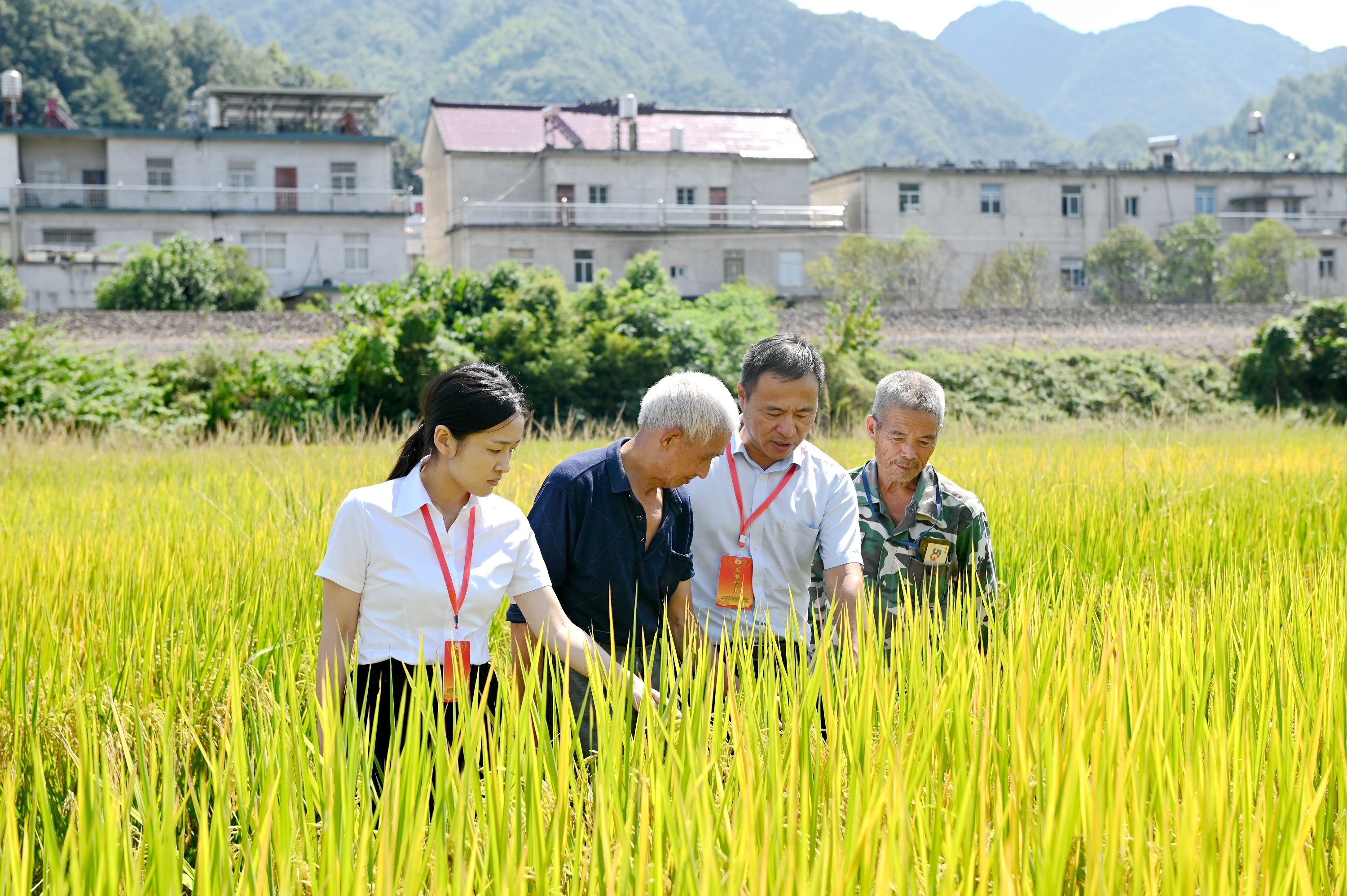
广西桂林强化教育管理监督 督促"关键少数"带头涵养好家风
Zhong Yang Ji Wei Guo Jia Jian Wei Wang Zhan· 2025-09-14 01:19
Group 1 - The article discusses the importance of family values and integrity among party members and leaders in Guangxi, emphasizing that family ethics are crucial for personal development and societal integrity [2][3] - The Guilin Municipal Commission for Discipline Inspection and Supervision is focusing on strengthening family education and integrity as part of a broader effort to promote a culture of cleanliness and prevent corruption [2][3] - Various educational activities are being implemented to guide party leaders in maintaining good family ethics, including innovative formats like "small theaters" and "micro-lectures" [2][3] Group 2 - The commission is closely monitoring leaders to prevent corruption, particularly regarding family members exploiting their positions for personal gain, and is actively addressing issues of nepotism [3][4] - A notable case involved a former leader of Guilin Investment Holding Group, who was found guilty of facilitating corrupt practices through family connections, resulting in severe penalties including imprisonment and fines [3] - The commission is also enhancing mechanisms for oversight, including regular home visits to leaders to ensure compliance with ethical standards and to address any emerging issues [4]
书记谈丨有力监督护航学校高质量发展
Zhong Yang Ji Wei Guo Jia Jian Wei Wang Zhan· 2025-08-28 00:31
Group 1 - The article emphasizes the importance of strengthening political supervision in higher education institutions to ensure alignment with the central party's directives and maintain educational integrity [5][6][10] - It highlights the need for a comprehensive approach to prevent corruption, focusing on the "three no's" strategy: not daring to corrupt, not being able to corrupt, and not wanting to corrupt [7][8][11] - The article discusses the establishment of a robust disciplinary inspection and supervision team to enhance the effectiveness of oversight in universities [12][13] Group 2 - The article outlines the necessity of addressing corruption and misconduct in areas directly affecting students and faculty, such as admissions and resource management [11][10] - It stresses the importance of integrating moral education into the political supervision process to cultivate a responsible and ethical academic environment [6][9] - The article calls for the use of technology and data analytics to enhance transparency and accountability in monitoring corruption within educational institutions [11][12]
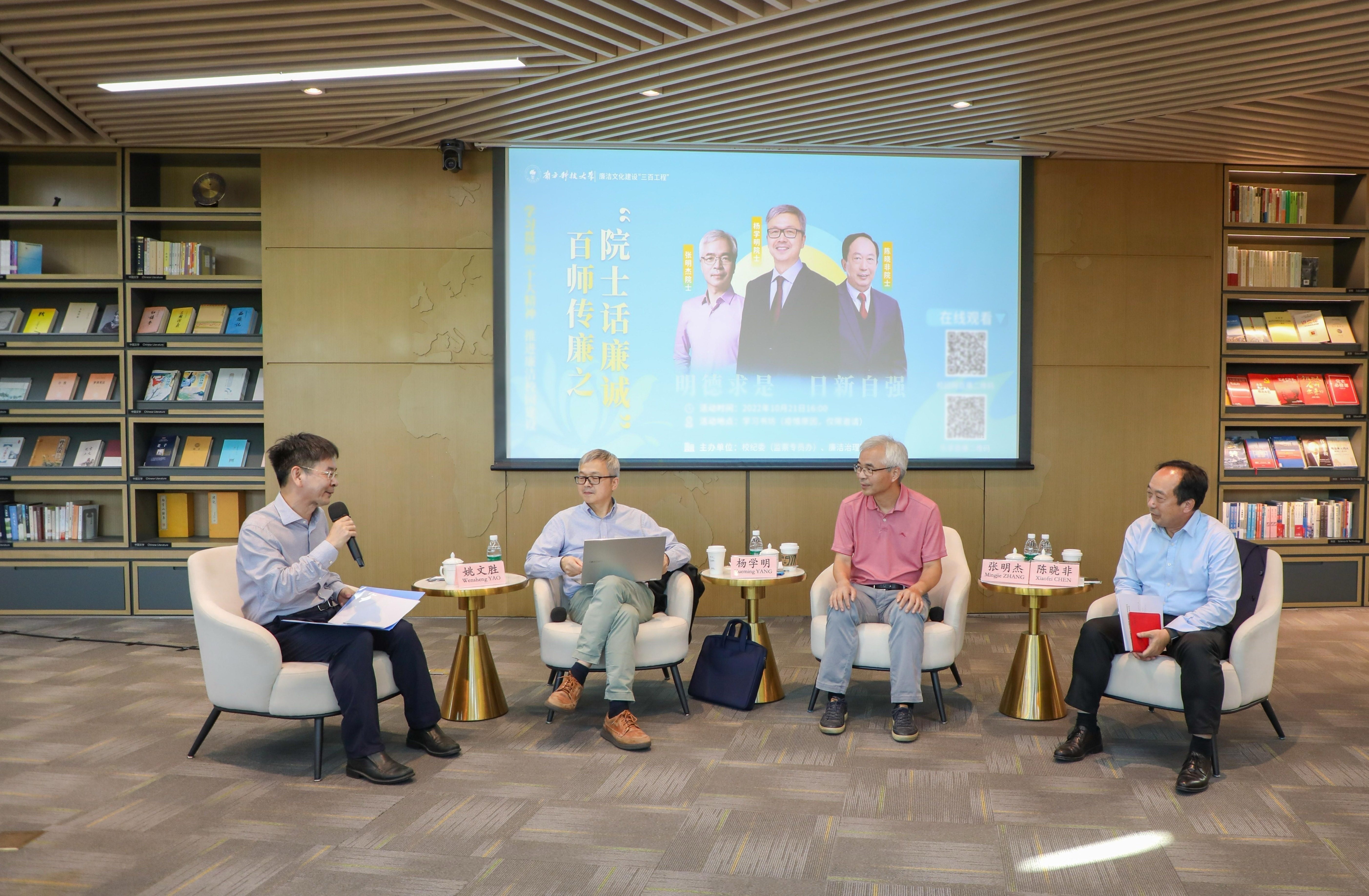
全省高校系统警示教育会召开
Xin Hua Ri Bao· 2025-08-25 23:09
Core Points - The meeting emphasized the importance of self-reform within the education sector, aligning with the directives from the central and provincial disciplinary committees [1][2] - It highlighted the need for higher education leaders to uphold political responsibilities and promote a positive political environment within universities [2] - The meeting aimed to enhance the awareness of integrity and self-discipline among university leaders through educational initiatives [2] Group 1 - The provincial education system held a warning education meeting to implement the spirit of the 20th Central Commission for Discipline Inspection's fourth plenary session [1] - The meeting was attended by over 500 participants, including university leaders and officials from the provincial education department [2] - The focus was on strengthening the political responsibility of university party committees to ensure effective governance and high-quality development in higher education [2] Group 2 - The meeting called for a comprehensive approach to strict governance within the education sector, emphasizing the need for supervision and accountability [2] - It encouraged the use of negative examples to educate and guide university leaders towards self-reform and integrity [2] - The goal is to eliminate the conditions that foster corruption and enhance the governance framework of educational institutions [2]