
风腐同查同治

Search documents
江西:坚持同查同治系统施治 推动正风反腐一体深化
Zhong Yang Ji Wei Guo Jia Jian Wei Wang Zhan· 2025-12-28 23:58
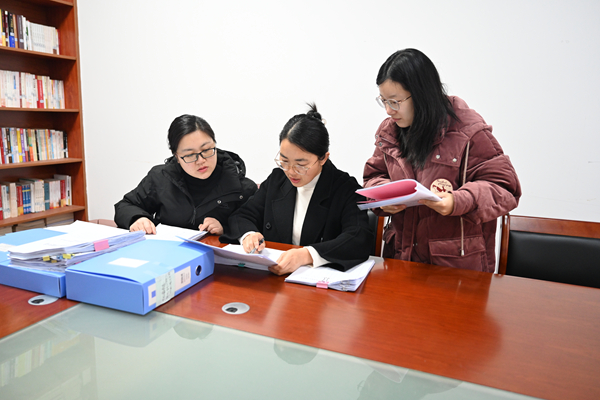
中央纪委国家监委网站 熊飞云 江西省全南县纪委监委坚持风腐同查同治,紧盯虚列支出套取费用违规吃喝、公款送礼等情况,深挖背 后可能存在的请托办事、利益输送等腐败问题。图为近日,该县纪检监察干部在某单位检查了解"三 公"经费使用情况。郭慧靓 摄 习近平总书记在二十届中央纪委四次全会上强调,要深入推进风腐同查同治,以"同查"严惩风腐交织问 题,以"同治"铲除风腐共性根源。中央纪委四次全会作出部署,要求深刻把握由风及腐、从量变到质变 的特点规律,把风腐同查同治理念要求贯穿案件查办、整改纠治、警示教育等各方面,形成办案、治 理、监督、教育的有效闭环。 元旦将至,江西省纪委监委派出多个监督检查组,深入机关食堂等重点场所开展监督检查,重点查处违 规吃喝、违规送礼问题,持续释放一抓到底、一严到底的强烈信号。对监督检查发现的问题线索,省纪 委监委将"一律风腐同查,一律快查快结,重点案件一律提级办理,查实后一律通报曝光"。 风腐交织是现阶段党风廉政建设和反腐败斗争要着力解决的突出问题。江西省委和省纪委监委坚持使命 引领和问题导向,强化系统思维,突出"查、改、治"贯通,不断健全风腐同查同治工作机制,推动正风 反腐一体深化,促进全省 ...

悟规律 明方向 学方法 增智慧丨正风肃纪反腐相贯通
Zhong Yang Ji Wei Guo Jia Jian Wei Wang Zhan· 2025-12-23 00:14
Core Viewpoint - The article emphasizes the importance of integrating discipline, anti-corruption, and ethical governance as a systematic approach to enhance the effectiveness of the anti-corruption campaign in China, highlighting the interconnectedness of these elements in addressing corruption and misconduct [4][5][6][7]. Group 1: Integration of Governance Elements - The integration of ethical governance, discipline enforcement, and anti-corruption efforts is crucial for a comprehensive approach to party self-reform, as these elements support and reinforce each other [5][6][7]. - The article discusses the phenomenon of intertwined misconduct and corruption, indicating that addressing these issues separately would be ineffective, as they often feed into one another [5][6][7]. - A systematic view is necessary to break down functional silos and enhance the overall governance framework, aiming for a synergistic effect where combined efforts yield greater results than isolated actions [7][12]. Group 2: Practical Implementation Strategies - Local governance bodies are encouraged to adopt a systematic approach in their operations, ensuring that ethical governance, discipline enforcement, and anti-corruption measures are implemented in a coordinated manner [8][10][11]. - The use of data analytics and technology is highlighted as a means to enhance the effectiveness of supervision and investigation, allowing for better identification of misconduct and corruption [11][15]. - Continuous education and awareness programs are essential to instill a culture of compliance and integrity among party members, focusing on the importance of adhering to regulations and ethical standards [11][19]. Group 3: Challenges and Responses - The article acknowledges the persistent challenges in the anti-corruption landscape, emphasizing the need for a robust response that combines strict enforcement with proactive measures to prevent misconduct [6][12][14]. - It stresses the importance of maintaining a high-pressure environment for corruption deterrence while simultaneously fostering a positive atmosphere for ethical behavior among party members [6][14]. - The need for a comprehensive evaluation mechanism to assess the effectiveness of anti-corruption measures and ensure accountability is also discussed [13][14].

学习贯彻二十届中央纪委四次全会精神丨推动正风反腐一体深化
Zhong Yang Ji Wei Guo Jia Jian Wei Wang Zhan· 2025-12-18 00:06
Group 1 - The core viewpoint emphasizes the importance of addressing the intertwined issues of corruption and misconduct within the party to ensure effective governance and maintain public trust [3][4][5] - The initiative of "wind and corruption together" is seen as a strategic necessity for deepening the comprehensive strict governance of the party, highlighting the need for a systemic approach to tackle these issues [3][4][6] - The article outlines the critical role of the disciplinary inspection and supervision agencies in promoting self-revolution within the party, aiming to create a favorable political ecology and development environment [2][4][5] Group 2 - The article stresses that addressing corruption is essential for safeguarding the party's vitality and combat effectiveness, as it poses the greatest threat to the party's long-term governance [4][5][6] - It highlights the need for a dual approach of addressing both misconduct and corruption simultaneously, as they are interrelated and can exacerbate each other [4][7][8] - The importance of maintaining public trust and ensuring that anti-corruption efforts benefit the populace is emphasized, as corruption undermines social justice and public welfare [5][6][10] Group 3 - The article discusses the necessity of a coordinated effort among various departments to effectively combat corruption and misconduct, advocating for a comprehensive responsibility system [7][8][9] - It suggests that the fight against corruption should be data-driven and utilize modern technology to enhance oversight and accountability [10][12] - The need for continuous improvement in the political ecology and the establishment of a transparent and accountable governance framework is highlighted as a long-term goal [11][12]
陈刚:坚决防止四类现象,扎实做好巡视“后半篇文章”
Guang Xi Ri Bao· 2025-12-16 01:40
Core Viewpoint - The meeting emphasized the importance of effectively addressing the issues raised by the Central Inspection Team in Guangxi, ensuring that the rectification work meets historical and public scrutiny [1][5]. Group 1: Inspection Feedback and Responsibilities - The Central Inspection Team conducted inspections from July 17 to September 29, providing feedback on November 27, which acknowledged the work in Guangxi while highlighting existing issues and rectification requirements [2]. - The rectification work is seen as a critical test of political loyalty and a means to enhance the political and natural ecological environment in Guangxi [2][3]. - All levels of government are urged to align closely with the central leadership, enhancing political awareness and ensuring thorough rectification of identified issues [2][3]. Group 2: Political and Ecological Integrity - The need to purify and restore the political ecosystem is stressed, with lessons drawn from past corruption cases, and a commitment to eliminate corrupt practices [3]. - The dual focus on political and natural ecology is highlighted, aiming for a harmonious relationship between the two [3]. - The importance of maintaining a high-quality development agenda and integrating into the national development framework is emphasized [2][3]. Group 3: Implementation and Accountability - Strong leadership and accountability in the rectification process are essential, with a call for a structured approach to ensure effective implementation at all levels [4][5]. - The meeting identified common pitfalls in the rectification process, such as superficial compliance and avoidance of complex issues, urging a more focused and effective approach [4]. - Continuous monitoring and a commitment to practical outcomes are necessary to ensure the rectification efforts are genuine and impactful [5].
践悟丨持续推动反腐败斗争向基层延伸
Zhong Yang Ji Wei Guo Jia Jian Wei Wang Zhan· 2025-12-11 00:35
Core Viewpoint - The emphasis is on the importance of strengthening anti-corruption efforts at the grassroots level, with a focus on improving the effectiveness of case handling by local disciplinary inspection and supervision agencies [1][2]. Group 1: Strengthening Anti-Corruption Efforts - The central government stresses the need for comprehensive and strict governance of the Party to extend to grassroots levels, with case handling being a direct and effective means of combating corruption [1]. - The Anhui Provincial Commission for Discipline Inspection and Supervision is committed to enhancing the leadership and guidance of county-level agencies in handling cases, ensuring that anti-corruption efforts reach the grassroots and the public [1][2]. Group 2: Enhancing Case Handling Quality - There is a focus on addressing the weaknesses in case handling capabilities at the county level, including issues like personal connections interfering with investigations [2][3]. - The Anhui Provincial Party Committee emphasizes the importance of regular oversight and support for local Party committees to tackle grassroots corruption and misconduct [2][4]. Group 3: Targeting Key Areas and Issues - The strategy includes a dual approach of addressing both corruption and misconduct simultaneously, particularly in areas where public complaints are prevalent [5][6]. - The provincial authorities are prioritizing the investigation of corruption in sectors with concentrated power and resources, such as finance, state-owned enterprises, and public services [6][7]. Group 4: Utilizing Technology and Reform - The use of information technology, including big data and artificial intelligence, is being promoted to enhance the monitoring and case handling capabilities of county-level agencies [10][11]. - The reform of the disciplinary inspection and supervision system is aimed at improving the efficiency and effectiveness of case handling at the grassroots level [8][9]. Group 5: Training and Capacity Building - There is a concerted effort to enhance the training and capacity of county-level disciplinary inspection personnel through practical training and scenario-based learning [12][13]. - The recruitment of professionals with expertise in law, auditing, and economics is being prioritized to strengthen the case handling workforce at the county level [14].

书记谈丨以贯通协同“两个责任”抓纲带目
Zhong Yang Ji Wei Guo Jia Jian Wei Wang Zhan· 2025-12-04 00:14
Group 1 - The core message emphasizes the importance of strengthening the political responsibility and supervisory responsibility of comprehensive and strict governance of the Party, as highlighted by General Secretary Xi Jinping [2][5][6] - The "two responsibilities" framework is crucial for enhancing political supervision, ensuring that the Party's political line is effectively implemented [5][9] - The establishment of a clear responsibility system is essential for the comprehensive and strict governance of the Party, marking a mature stage in the Party's construction system [6][11] Group 2 - The "two responsibilities" are seen as a significant innovation in the Party's construction theory, evolving through various Party congresses and emphasizing accountability [4][7] - The Party organizations and leading cadres are collectively responsible for the comprehensive and strict governance of the Party, with a focus on the leading role of the Party committees [7][10] - The supervisory role of the disciplinary inspection and supervision agencies is critical in ensuring the effective implementation of the "two responsibilities" [8][12] Group 3 - The implementation of the "two responsibilities" framework is aimed at creating a collaborative governance model, enhancing the effectiveness of Party discipline and supervision [9][10] - Continuous efforts are being made to deepen the integration of anti-corruption measures and strict governance, focusing on both prevention and accountability [12] - The emphasis on regular supervision and accountability mechanisms is intended to maintain a high-pressure environment against corruption and misconduct within the Party [11][12]
实践与思考丨着力推动正风反腐一体深化
Zhong Yang Ji Wei Guo Jia Jian Wei Wang Zhan· 2025-11-27 00:24
L n 15 t 2014 11 r pro A | Q. 40 ED WAL at AID 45 n : 37 First 3 11 11 Q and A 17 2 16 2 2 22 - 27 1/5 W 18 k 习近平总书记在二十届中央纪委四次全会上强调,坚持正风肃纪反腐相贯通,以"同查"严惩风腐交织问题,以"同治"铲除风腐共性根源。实践中,吉林省长 春市纪委监委深刻把握由风及腐、风腐一体、风腐交织的特点和规律,深刻把握"惩、治、防"的辩证统一关系,坚持由风查腐、由腐纠风,同向发力、双向 突破,坚决斩断风腐勾连链条、阻断风腐演变路径,着力铲除腐败滋生的土壤和条件,积极营造风清气正的政治生态和干事创业的发展环境。 在"查"上动真格,严惩风腐交织问题 风腐交织问题是现阶段党风廉政建设和反腐败斗争要着力解决的突出问题,不正之风滋生掩藏腐败,腐败行为助长加剧不正之风,甚至催生新的作风问题。 长春市纪委监委深刻把握不正之风和腐败问题互为表里、同根同源的内在联系,既"由风查腐",深挖不正之风背后暗藏的腐败问题;又"由腐纠风",细查腐 败背后的享乐奢靡等作风问题,着力斩断风腐勾连链条。 靶向整治形式主义、官僚主义。 ...
揭开隐身衣 深挖利益链
Ren Min Wang· 2025-11-26 00:46
Core Viewpoint - The current focus of the Party's integrity and anti-corruption efforts is to address the intertwined issues of improper conduct and corruption, emphasizing the need for a mechanism that investigates both simultaneously and utilizes big data for enhanced effectiveness [1] Group 1: Implementation of Big Data in Supervision - The Central Commission for Discipline Inspection (CCDI) is actively exploring the use of big data and information technology to enhance the supervision and investigation of improper conduct and corruption [1][4] - A digital supervision platform has been established to monitor real-time data related to issues such as the improper acceptance of gifts, misuse of public funds for dining, and unauthorized travel [2][4] - Since the launch of the digital supervision platform in March 2023, it has identified 334 problem clues, including 260 related to violations of the Central Eight Regulations [4] Group 2: Case Studies and Findings - A case involving employees from a subsidiary company revealed violations related to gift-giving and fraudulent invoicing, highlighting the effectiveness of the data model in identifying risks [3][4] - The platform's data analysis capabilities allowed for the detection of irregularities in expense reports, leading to the identification of hidden corruption risks [3][10] - In another case, a public servant was found to have engaged in corrupt practices through collusion with external parties, resulting in disciplinary actions and legal consequences [7][10] Group 3: Systematic Approach to Addressing Issues - The approach to tackling improper conduct and corruption involves a systematic method that integrates the investigation of both issues, ensuring that each is addressed in conjunction with the other [5][8] - The establishment of a tiered warning mechanism allows for the classification of risks based on severity, facilitating targeted preventive measures [8][9] - The integration of big data technology enhances the ability to monitor and analyze trends in corruption, providing a basis for continuous improvement in governance and oversight [10][11]
深度关注丨揭开隐身衣 深挖利益链
Zhong Yang Ji Wei Guo Jia Jian Wei Wang Zhan· 2025-11-26 00:21
Core Viewpoint - The article emphasizes the importance of using technology, particularly big data, to combat corruption and misconduct within the party and government sectors, highlighting the need for a unified approach to address both issues simultaneously [3][6][12]. Group 1: Implementation of Technology in Supervision - The Central Commission for Discipline Inspection (CCDI) is actively exploring the use of big data and information technology to enhance the effectiveness of supervision and to address issues of misconduct and corruption [3][4]. - A digital supervision platform has been established to automatically generate alerts for potential violations, such as improper gift-giving and misuse of public funds, allowing for timely follow-up and investigation [4][5]. - Since the launch of the digital supervision platform in March 2023, it has identified 334 problem clues, leading to disciplinary actions against 178 individuals, including 36 who received party and administrative sanctions [5][10]. Group 2: Case Studies and Findings - A case involving employees from a subsidiary of China Ocean Shipping Company revealed that they engaged in improper gift-giving and falsified invoices for reimbursement, which was uncovered through data analysis comparing travel and billing records [5][6]. - In another instance, a staff member at the real estate registration center was found to have received bribes through small bank transfers, which were detected by analyzing transaction data [7][8]. - The use of big data has significantly improved the ability to identify and address hidden corruption and misconduct, leading to a more efficient investigation process [8][9]. Group 3: Systematic Approach to Governance - The article discusses the establishment of a tiered warning mechanism that categorizes risks based on severity, allowing for targeted preventive measures [9][10]. - The integration of big data into the governance framework enables continuous monitoring and assessment of corrective actions taken in response to identified issues, ensuring a comprehensive approach to governance [11][12]. - The CCDI aims to enhance the synergy between supervision, case handling, and corrective measures through the use of technology, thereby improving overall governance effectiveness [12][14].

重庆聚焦重点细化措施 提升案件办理质效
Zhong Yang Ji Wei Guo Jia Jian Wei Wang Zhan· 2025-11-18 01:44
在涪陵区纪委监委近日召开的年轻干部学习会上,6名纪检监察干部深入交流了"风腐同查同治"的办案 经验。此前,在核实原涪陵中心医院党委书记王勇违规收受礼品礼金问题时,办案人员深挖背后的利益 输送问题线索,最终查实其涉嫌受贿犯罪等严重违纪违法问题。该区纪委监委坚持"查风不漏腐、查腐 不漏风"原则,针对风腐交织案件隐蔽深、查处难的特点,不断深化片区协作机制,落实线索联判、案 件联办、质量联审机制,有效提升办案质效。今年以来,该区共查处违反中央八项规定精神问题128 起,给予党纪政务处分106人,7人被移送司法机关。 以大数据信息化赋能正风反腐,重庆市各级纪检监察机关不断提升对复杂案件的穿透式分析能力,促进 监督执纪执法工作提质增效。"以前核查一辆公车是否违规,往往要翻遍纸质台账、调取多个部门记 录,耗时耗力还容易遗漏。"重庆市纪委监委驻市政府办公厅纪检监察组有关负责人介绍。针对这一难 题,该纪检监察组推动市机关事务局打造"政务·公车在线"应用,与公权力大数据监督应用平台互为补 充。如今,全市行政机关和事业单位公务用车实现全链条数字化监管,行驶轨迹可追溯,超范围行驶自 动预警。 "我们紧扣案件办理关键流程,通过建立研判 ...