
大数据信息化赋能正风反腐

Search documents
以高质量监督推动高质量发展高效能治理
He Nan Ri Bao· 2026-01-12 23:22
Core Viewpoint - The article emphasizes the high-quality development of disciplinary inspection and supervision in Henan Province, focusing on political supervision to ensure the implementation of the Central Committee's decisions and the provincial government's arrangements [1]. Group 1: Political Supervision - The provincial disciplinary inspection and supervision agencies are committed to enhancing political supervision, ensuring that the Central Committee's decisions are effectively implemented [1]. - A political supervision work guideline has been established, including a list of 37 key annual tasks to create a closed-loop mechanism for accountability and problem rectification [2]. - Supervision efforts have led to the resolution of 19,000 issues related to key tasks such as farmland protection and ecological conservation [2]. Group 2: Economic Development and Business Environment - The article highlights a zero-tolerance approach towards behaviors that harm the business environment, with a focus on optimizing services for enterprises [3]. - Continuous efforts are being made to improve the business environment through targeted supervision, addressing issues like improper law enforcement and delays in responding to business needs [3]. - The establishment of a new ecosystem for government-business relations aims to ensure that officials do not interfere unnecessarily while providing support when needed [4]. Group 3: Supervision System and Data Utilization - The use of big data has been pivotal in enhancing the effectiveness of disciplinary inspection and supervision, allowing for better oversight of public reception activities [5]. - A collaborative mechanism for supervision has been developed, integrating various forms of oversight to improve governance efficiency [5]. - Innovative supervision methods have been introduced, including nine different approaches tailored to specific tasks and subjects, ensuring that supervision leads to actionable outcomes [5]. Group 4: Future Directions - The province aims to continue advancing political supervision in a more specific, precise, and regular manner, maintaining a strict atmosphere for governance [6]. - The focus remains on high-quality supervision to support high-quality development and effective governance in Henan [6].
许昆林在省纪委监委机关和省委巡视办调研时强调 提高站位勇担当善作为 纵深推进全面从严治党
Xin Lang Cai Jing· 2026-01-06 23:41
Group 1 - The core message emphasizes the importance of deepening the understanding and implementation of Xi Jinping's thoughts on party building and self-revolution, aiming to provide strong political support for the province's development during the 14th Five-Year Plan [1] - The provincial leadership is committed to advancing the comprehensive and strict governance of the party, ensuring a clean political environment through high standards and practical measures [2][3] - The focus is on utilizing big data to enhance anti-corruption efforts, improving the digital supervision system to monitor power effectively and reduce opportunities for corruption [3] Group 2 - The provincial government is actively addressing feedback from central inspections, ensuring thorough rectification of issues and enhancing the effectiveness of political supervision [4] - There is a strong emphasis on the role of disciplinary inspection and supervision agencies in maintaining a high-pressure environment for anti-corruption efforts, particularly in key sectors such as education and healthcare [3][4]
得意之笔 | 提高监督主动性精准性穿透力湖北以大数据信息化赋能正风反腐
Zhong Yang Ji Wei Guo Jia Jian Wei Wang Zhan· 2025-12-15 00:18
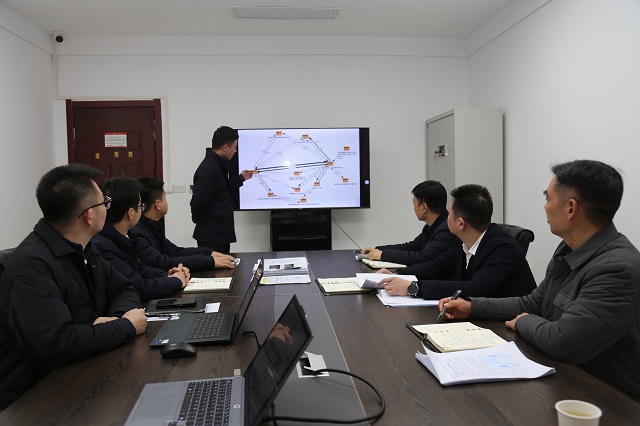
Core Viewpoint - The integration of digital technology and disciplinary inspection work in Hubei Province is enhancing the effectiveness of supervision, aligning with the directives of the central government to utilize big data for modern governance and anti-corruption efforts [3][4]. Group 1: Digital Supervision Initiatives - Hubei Province is hosting a digital supervision case competition to showcase best practices and encourage the use of big data in disciplinary inspection [3][4]. - The provincial disciplinary inspection commission is building a digital supervision system supported by a big data resource center, aiming to create a comprehensive supervision framework [3][5]. Group 2: Data Integration and Analysis - The establishment of a supervision information integration platform allows for the collection, analysis, and application of supervision data across various departments, enhancing the efficiency of data utilization [5][6]. - The integration of data from different sectors, such as rural collective assets and public service sectors, is being emphasized to identify anomalies and improve oversight [6][7]. Group 3: Systematic Governance and Case Management - The use of data models in specific sectors, such as engineering, has led to the identification of corruption and inefficiencies, demonstrating the effectiveness of data-driven investigations [7][8]. - A digital supervision model is being developed to transition from individual case handling to systematic governance, improving the overall effectiveness of anti-corruption measures [8][9]. Group 4: Empowering Local Governance - Local governments are utilizing big data to enhance grassroots supervision, allowing citizens to report issues easily and participate in oversight [9][10]. - The implementation of a smart regulatory system for bidding and procurement aims to ensure transparency and accountability in public resource management [10][11]. Group 5: Talent Development and Capacity Building - There is a focus on cultivating talent skilled in big data and disciplinary inspection to enhance the capabilities of inspection agencies [15][16]. - Training programs are being established to improve the data analysis skills of disciplinary inspection personnel, ensuring they can effectively utilize digital tools in their work [15][16].

揭开隐身衣 深挖利益链
Ren Min Wang· 2025-11-26 00:46
Core Viewpoint - The current focus of the Party's integrity and anti-corruption efforts is to address the intertwined issues of improper conduct and corruption, emphasizing the need for a mechanism that investigates both simultaneously and utilizes big data for enhanced effectiveness [1] Group 1: Implementation of Big Data in Supervision - The Central Commission for Discipline Inspection (CCDI) is actively exploring the use of big data and information technology to enhance the supervision and investigation of improper conduct and corruption [1][4] - A digital supervision platform has been established to monitor real-time data related to issues such as the improper acceptance of gifts, misuse of public funds for dining, and unauthorized travel [2][4] - Since the launch of the digital supervision platform in March 2023, it has identified 334 problem clues, including 260 related to violations of the Central Eight Regulations [4] Group 2: Case Studies and Findings - A case involving employees from a subsidiary company revealed violations related to gift-giving and fraudulent invoicing, highlighting the effectiveness of the data model in identifying risks [3][4] - The platform's data analysis capabilities allowed for the detection of irregularities in expense reports, leading to the identification of hidden corruption risks [3][10] - In another case, a public servant was found to have engaged in corrupt practices through collusion with external parties, resulting in disciplinary actions and legal consequences [7][10] Group 3: Systematic Approach to Addressing Issues - The approach to tackling improper conduct and corruption involves a systematic method that integrates the investigation of both issues, ensuring that each is addressed in conjunction with the other [5][8] - The establishment of a tiered warning mechanism allows for the classification of risks based on severity, facilitating targeted preventive measures [8][9] - The integration of big data technology enhances the ability to monitor and analyze trends in corruption, providing a basis for continuous improvement in governance and oversight [10][11]
深度关注丨从“机器管招投标”到“机器管+”
Zhong Yang Ji Wei Guo Jia Jian Wei Wang Zhan· 2025-10-31 00:10
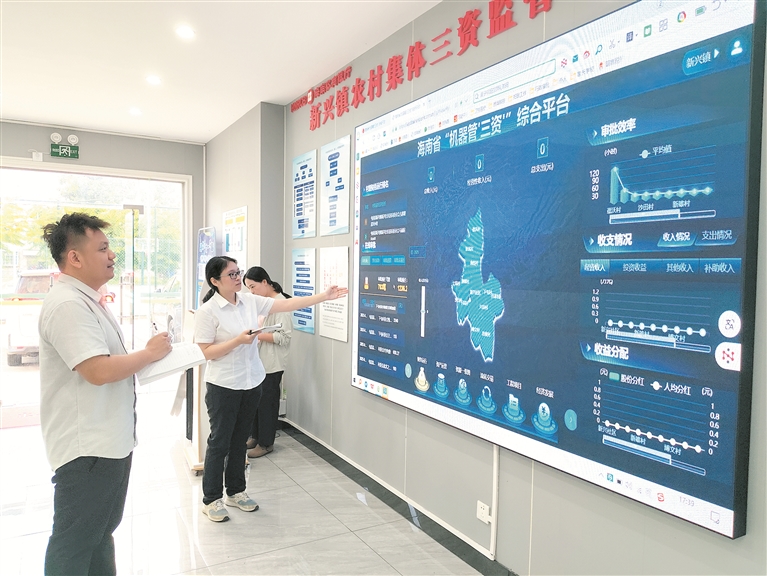
Core Insights - The article emphasizes the use of big data and information technology to enhance supervision and governance in rural collective asset management in Hainan Province, addressing issues such as unclear financial status and management inefficiencies [2][4][20] Group 1: Implementation of "Machine Management" Systems - Hainan Province has implemented the "Machine Management of Bidding" system to combat corruption in public engineering projects, which has been operational since November 2022, with the first project successfully completed [4][6] - The system automates the qualification assessment of bidders and the evaluation process, significantly reducing human interference and increasing transparency [5][6] - As of October 10, 2023, the "Machine Management of Bidding" system has processed 1,832 projects with a total bidding amount of 1,487.72 billion yuan, saving 62.56 billion yuan [6] Group 2: Integration with Supervision Networks - The "Supervision One Network" connects various supervisory departments and enables cross-regional and cross-departmental oversight, enhancing the ability to detect and rectify issues in real-time [8][19] - The integration of the "Machine Management of Bidding" system with the "Supervision One Network" allows for proactive monitoring and intervention in bidding processes, effectively reducing the risk of corruption [8][9] Group 3: Expansion of "Machine Management" Applications - The article discusses the expansion of "Machine Management" applications beyond bidding to include areas such as procurement and rural collective asset management, aiming for comprehensive oversight [12][14] - Future initiatives include the "Machine Management of Prescriptions" and "Machine Management of Campus Meals," which leverage technology to enhance regulatory compliance in healthcare and education sectors [13][14] Group 4: Impact on Governance and Transparency - The implementation of these systems has led to a significant reduction in corruption cases related to engineering projects, with no reported instances of interference in the bidding process since the system's launch [10][19] - The use of technology has transformed the oversight process from a reactive to a proactive approach, ensuring that potential issues are identified and addressed before they escalate [9][20]
纪检监察工作高质量发展·践悟 | 加快完善数字纪检监察体系
Zhong Yang Ji Wei Guo Jia Jian Wei Wang Zhan· 2025-10-28 00:37
Core Viewpoint - The article emphasizes the importance of integrating digital technology into the disciplinary inspection and supervision system to enhance efficiency and effectiveness in combating corruption and ensuring accountability [6][18]. Group 1: Digital Integration in Supervision - Various local governments, including those in Shandong, Chongqing, and Jiangsu, are advancing the construction of digital disciplinary inspection systems, focusing on cultivating digital thinking and literacy among inspectors [19]. - The integration of digital technology into disciplinary inspection processes is seen as a crucial method for improving the quality of supervision and law enforcement [7][9]. - Establishing a comprehensive data resource center and a digital supervision application platform is essential for optimizing data collection, sharing, and analysis [9][10]. Group 2: Data Utilization and Analysis - The development of customized data models and analytical tools is being prioritized to enhance the precision and effectiveness of supervision [8][12]. - A closed-loop governance chain is being established to address issues identified through data analysis, ensuring timely feedback and corrective actions [11][13]. - The use of big data for real-time monitoring and early warning systems is being implemented to detect irregularities in various sectors, such as education and healthcare [12][18]. Group 3: Training and Capacity Building - There is a strong emphasis on enhancing the digital skills and awareness of disciplinary inspection personnel through targeted training programs [15][16]. - The establishment of a talent pool for digital supervision is aimed at fostering a collaborative environment between technical and operational teams [15][19]. - Practical training and real-case simulations are being utilized to improve the operational capabilities of inspectors in data analysis and electronic evidence collection [16][18].

纪检监察工作高质量发展·践悟 | 用科技手段加强监督
Zhong Yang Ji Wei Guo Jia Jian Wei Wang Zhan· 2025-10-21 00:08
Core Viewpoint - The article emphasizes the integration of digital technology into the disciplinary inspection and supervision system, highlighting the importance of big data in enhancing proactive and precise oversight in combating corruption and improving governance efficiency [5][17]. Group 1: Digital Supervision Initiatives - The Hunan Province's Hengyang City is advancing the construction of a digital disciplinary inspection and supervision system, integrating digital technology into various business operations [5]. - The Zhejiang Province's Yongkang City is exploring new paths for digital supervision of rural "three assets" management, aiming to enhance grassroots governance effectiveness [3][5]. Group 2: Data Utilization and Model Development - Hengyang City has established a big data resource center that connects core data from 23 units, facilitating proactive supervision by creating supervision models that identify risk points [6]. - A total of 223 public power big data supervision models have been developed in Jinhua City, generating 6,830 red alerts that have been properly addressed [7]. Group 3: Enhancing Supervision Efficiency - The article discusses the importance of using big data to transition from reactive to proactive supervision, allowing for early detection of potential issues [6][9]. - The establishment of a closed-loop management mechanism for supervision, which includes data acquisition, model creation, alert processing, and governance promotion, is emphasized [8][12]. Group 4: Training and Capacity Building - There is a focus on cultivating a professional team skilled in big data analysis to enhance the precision and effectiveness of disciplinary inspection and supervision [9][10]. - The article highlights the need for continuous training and the establishment of a mechanism for regular skill enhancement among supervisory personnel [10][14]. Group 5: Future Directions and Goals - The article outlines plans to further integrate data resources and optimize supervision models, aiming for deeper data fusion and smarter, more precise oversight mechanisms [14][15]. - The goal is to create a comprehensive digital supervision framework that covers all elements and processes, ensuring effective collaboration across departments and enhancing the overall efficiency of disciplinary inspection work [13][17].

中国石油:众创数智模型 赋能监督办案
Zhong Yang Ji Wei Guo Jia Jian Wei Wang Zhan· 2025-10-10 08:03
Core Insights - The Central Commission for Discipline Inspection and the National Supervisory Commission held the first Smart Modeling Competition for supervision and case handling, with 161 entries from 88 units of the China National Petroleum Corporation (CNPC) [1] - The competition aimed to integrate smart technologies into disciplinary inspection and supervision, addressing challenges such as hidden bidding violations and large data processing [1][2] - The CNPC's disciplinary inspection team is advancing a digital supervision system, including a big data resource center and multiple digital platforms, to enhance governance efficiency [2] Group 1 - The competition focused on practical needs across 16 business areas, including oil and gas sales and procurement, utilizing data capture, machine learning, and natural language processing [1] - The initiative aims to shift supervision from a reactive to a proactive approach, enhancing the ability to identify issues through data analysis [1][2] - The CNPC is implementing a comprehensive digital disciplinary inspection system, with a plan for 2023-2027 to improve governance effectiveness [2] Group 2 - The competition serves as a training platform to build a high-quality talent pool in data application for disciplinary inspection [3] - Participants are encouraged to learn and apply big data analysis tools, enhancing their capabilities in supervision and investigation [3] - Future efforts will focus on practical application of developed models, promoting data integration across various supervisory functions [3][4]

哈尔滨:以改革办法破除基层监督难点堵点
Zhong Yang Ji Wei Guo Jia Jian Wei Wang Zhan· 2025-07-21 00:24
Core Viewpoint - The article emphasizes the importance of strengthening grassroots supervision in Harbin, Heilongjiang Province, as a means to enhance governance effectiveness and ensure the implementation of policies at the community level [2][3]. Group 1: Grassroots Supervision - Grassroots supervision is identified as the "last mile" of national governance, crucial for promoting strict party governance and improving governance efficiency [2][3]. - Harbin's disciplinary inspection and supervision agencies are actively exploring methods to enhance the quality and effectiveness of grassroots supervision [2][3]. Group 2: Economic Impact - The development of greenhouse economies in rural areas has led to an average annual increase of 500,000 yuan for village collectives and created jobs for 20 villagers, each earning nearly 3,000 yuan per month [2]. - This initiative exemplifies how grassroots supervision can support the growth of rural collective economies and enhance the role of local party organizations [2]. Group 3: Supervision Mechanisms - Harbin's disciplinary inspection and supervision agencies are integrating resources and extending supervision to create a collaborative and efficient grassroots supervision system [4]. - The city has established 79 collaborative supervision zones to enhance the effectiveness of disciplinary inspections across 303 townships [5]. Group 4: Training and Capacity Building - The city is focused on improving the capabilities of grassroots disciplinary inspection and supervision personnel through targeted training programs [8][9]. - Over 14,000 grassroots inspectors have received training this year, emphasizing practical skills and knowledge sharing [9]. Group 5: Technology and Data Utilization - The implementation of "smart seals" has improved the management of village-level organizations, allowing for real-time tracking of approval processes [12]. - Harbin's disciplinary inspection agencies are leveraging big data to enhance the precision and effectiveness of grassroots supervision, creating a closed-loop management system for problem detection and resolution [13].

科技赋能纵深推进正风肃纪反腐
Zhong Yang Ji Wei Guo Jia Jian Wei Wang Zhan· 2025-05-13 23:55
Group 1 - The core viewpoint emphasizes the integration of big data and information technology to enhance anti-corruption efforts and improve the quality of disciplinary inspection and supervision in Linyi City, Shandong Province [1][2][3] Group 2 - The construction of a digital disciplinary inspection and supervision system is supported by a data center that integrates 329 data sources, collecting 350 million data entries from various public resources and internal business data [1][2] - The platform development focuses on enhancing political, special, daily, and grassroots supervision, with tools like a political ecology monitoring platform and a big data supervision warning platform [2][3] Group 3 - The emphasis on intelligent supervision aims to counter increasingly covert corruption methods by utilizing a "cloud workstation" big data case handling platform and developing 90 analytical methods for supervision and investigation [3][4] - Professional development is prioritized, with training sessions and workshops aimed at improving the ability of disciplinary inspection personnel to effectively use big data in their work [3][4]